Quick Guide
- Why Is "Is Sourdough Bread Ok When Pregnant?" Such a Big Question?
- The Good Stuff: Why Sourdough Can Be a Pregnancy Win
- The Real Risks: What to Actually Worry About
- How to Choose and Handle Sourdough Bread Safely
- Answering Your Burning Questions
- Putting It All Together: Your Sourdough Pregnancy Strategy
Let's cut right to the chase. You're pregnant, you're hungry, and that beautiful, tangy loaf of sourdough is calling your name from the bakery shelf. But then the doubt creeps in. Is sourdough bread ok when pregnant? Can you safely enjoy that chewy crust and airy interior, or is it a food safety gamble you shouldn't take?
I remember staring at a loaf during my first trimester, caught in that exact same mental debate. The internet was full of conflicting advice, from "totally fine" to "avoid all fermented foods." It was frustrating. So, I dug deep—talking to my midwife, reading scientific guidelines from places like the CDC and the U.S. Food and Drug Administration (FDA), and looking at the actual science behind fermentation. What I found was both reassuring and required a bit of smart thinking.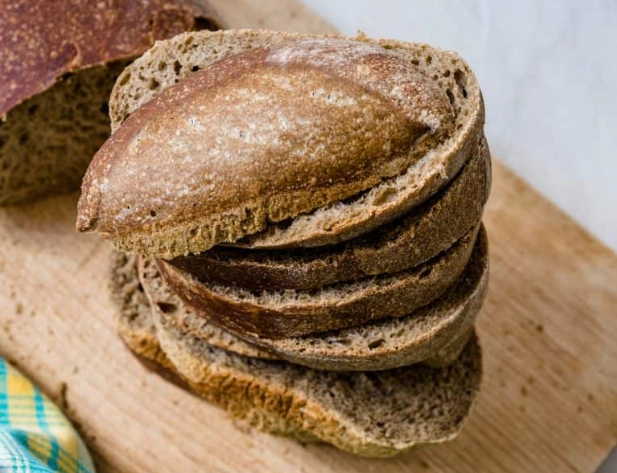
The short, and generally positive, answer is yes, sourdough bread is usually considered safe and can even be a nutritious choice during pregnancy. But—and this is a big but—not all sourdough is created equal, and there are some critical "how" and "where" factors that make all the difference between a healthy snack and a potential risk.
Key Takeaway First: Properly baked, commercially produced sourdough bread from a reputable source is overwhelmingly considered safe for pregnant women. The main concern isn't the sourdough process itself, but the universal pregnancy risk of Listeria monocytogenes from ready-to-eat foods, which applies to all bread, not just sourdough.
Why Is "Is Sourdough Bread Ok When Pregnant?" Such a Big Question?
It's not just about cravings. When you're pregnant, your immune system changes to protect the growing baby, which makes you more susceptible to certain foodborne illnesses. The consequences of something like listeria can be severe during pregnancy, so the caution is warranted and wise. So, the question "is sourdough bread ok when pregnant" is really a gateway to understanding pregnancy food safety as a whole.
People worry about sourdough specifically because it's "fermented" or "live." They hear words like "wild yeast" and "bacteria" (the good kind, Lactobacillus) and understandably get nervous. They wonder if that active culture could somehow be harmful. The beautiful irony is that the very process that defines sourdough is also part of what can make it a better choice.
The Sourdough Process: Your Natural Ally
Real sourdough isn't made with commercial baker's yeast. It's made from a starter—a living mix of flour and water that captures wild yeast and lactic acid bacteria from the environment. This starter ferments the dough over many hours. This long fermentation is the key to almost everything we'll talk about.
During fermentation, the bacteria produce lactic acid. This acid does a few crucial things: it gives sourdough its signature tang, it helps break down parts of the grain, and it lowers the pH of the bread, making it more acidic. That acidic environment is less welcoming to unwanted pathogens. It's a natural preservative. So, in a way, the sourdough process itself creates a slightly more hostile environment for bad bugs compared to a quick-rise, yeasted white bread.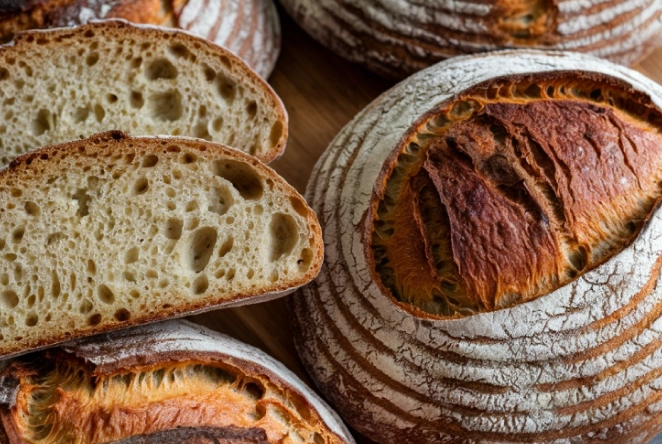
The Good Stuff: Why Sourdough Can Be a Pregnancy Win
Let's talk benefits. If you're going to eat bread, choosing sourdough might offer some advantages that are especially welcome during pregnancy.
Top 3 Nutritional Perks of Sourdough in Pregnancy:
- Easier on Digestion: That long fermentation acts like a pre-digestion. The bacteria and yeast start breaking down gluten proteins and phytic acid (an "anti-nutrient" found in grains that can block mineral absorption). Many people, pregnant or not, find sourdough easier on their stomachs than regular bread. For pregnancy-related bloating and sluggish digestion, this can be a minor miracle.
- Better Nutrient Availability: By reducing phytic acid, your body can better absorb the iron, zinc, magnesium, and folate present in the whole-grain flours often used in sourdough. Folate is, of course, a superstar nutrient for fetal development.
- A More Stable Blood Sugar Response: The fermentation process and the organic acids in sourdough can lower the bread's glycemic index (GI). This means it causes a slower, more gradual rise in blood sugar compared to many commercial breads. Managing energy levels and avoiding blood sugar spikes is a common pregnancy goal.
I noticed the blood sugar effect personally. A slice of supermarket white toast would leave me feeling hungry and jittery an hour later. A slice of good, dense whole-wheat sourdough with some avocado kept me satisfied and steady for much longer. It was a game-changer for my afternoon slumps.
The Real Risks: What to Actually Worry About
Okay, so it has benefits. But is sourdough bread ok when pregnant from a safety standpoint? We need to address the elephant in the room: Listeria monocytogenes.
This is the core of the issue. Listeria is a bacterium that can cause a serious infection called listeriosis. According to the CDC, pregnant women are about 10 times more likely to get listeriosis than the general population, and it can lead to miscarriage, stillbirth, premature delivery, or life-threatening infection in the newborn.
Critical Point: Listeria is a risk associated with ready-to-eat foods that are not reheated before eating. This includes deli meats, soft cheeses, smoked seafood, and... yes, pre-packaged, pre-sliced breads and baked goods from a store's open shelves. The risk is not from the sourdough culture, but from potential contamination after baking, during slicing and packaging.
Listeria is tricky because it can grow at refrigerator temperatures. So, a pre-sliced loaf you keep in the fridge for a week could potentially be a risk if it was contaminated. The FDA's advice for pregnant women focuses on avoiding high-risk foods and handling all foods safely.
Sourdough vs. Other Pregnancy No-Nos
It's helpful to compare. Foods like unpasteurized (raw) milk cheeses, raw sprouts, and undercooked meats are high-risk because the dangerous bacteria are often intrinsic to the product or its production. With sourdough bread, the risk is almost entirely extrinsic—it comes from the environment after the baking kill-step. Baking bread reaches internal temperatures (well over 160°F/70°C) that destroy pathogens, including listeria. The risk is reintroduction.
So, asking "is sourdough bread safe when pregnant" is less about the bread itself and more about its journey from the oven to your mouth.
How to Choose and Handle Sourdough Bread Safely
This is the practical part. You can drastically minimize any risk by being a savvy shopper and using smart kitchen habits.
Here’s a simple table to break down your best options, from safest to least safe:
| Source & Type | Safety Level for Pregnancy | Why & Key Actions |
|---|---|---|
| Homemade Sourdough (eaten fresh or frozen) | Excellent | You control the entire process. Bake it thoroughly, let it cool on a clean rack, and slice it yourself with clean tools. Eat within 2 days or freeze slices immediately. |
| Fresh from a Local Bakery (whole, unsliced loaf) | Very High | Baked daily, often handled less. Buy it whole, not pre-sliced. Take it home and slice it yourself with a clean knife. Consume within 2-3 days. |
| Commercially Packaged Sourdough (sealed bag from grocery store) | High | Reputable brands have strict sanitation controls. The sealed bag minimizes post-bake contamination. Still, check the "best by" date and consider toasting it for extra peace of mind. |
| Pre-sliced Bread from a Bakery Counter (in a paper bag) | Moderate | Higher risk of contamination from the slicer and handling. If you choose this, toast it until steaming hot before eating. Reheating to 165°F (74°C) kills listeria. |
| Old, Pre-sliced Bread (sitting open for days) | Lower / Avoid | Highest risk category. Discard any bread that looks or smells odd. When in doubt, throw it out. |
My personal rule became: buy whole, slice at home, toast if it's been more than a day. Toasting isn't just for crunch—it's a fantastic safety net. That quick blast of heat right before you eat it can eliminate any surface-level concerns.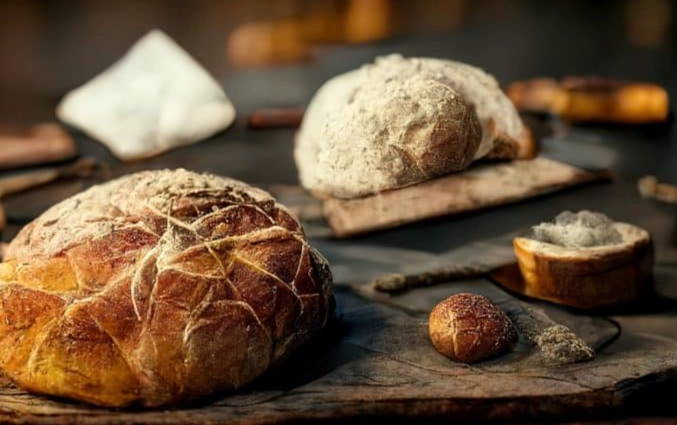
Smart Kitchen Rules
- Freeze, Don't Just Refrigerate: If you won't finish a loaf in 3 days, freeze it. Listeria can grow slowly in the fridge, but freezing halts everything. Portion it into slices or halves first.
- Cleanliness is Key: Use a clean bread knife and cutting board. Wash your hands before handling.
- The Nose Knows (Sometimes): While listeria doesn't always cause obvious spoilage, any sign of mold, off smells, or sliminess means the bread goes straight in the bin. Don't try to salvage it by cutting off mold—the roots can run deep.
Answering Your Burning Questions
No. The raw starter is a living culture of specific, beneficial microbes. While it's not advisable to eat large amounts of raw starter (it's basically raw flour paste), the small amount used in a recipe poses no threat. The baking process kills the active cultures in the dough. They do their job during fermentation and are not alive in the final, baked bread.
This is a big one. Sourdough fermentation breaks down some of the gluten proteins, which is why many with gluten sensitivities tolerate it better. However, it does not make it safe for individuals with celiac disease or a diagnosed wheat allergy. The bread still contains gluten. If you have celiac disease, you must stick to certified gluten-free breads.
For the general pregnant population without these conditions, the partially broken-down gluten may be easier to digest.
Yes! Beyond the improved absorption we talked about, sourdough made with whole grains is a good source of:
- B Vitamins: Including B1 (thiamine), B2 (riboflavin), B6, and folate (especially if made with enriched flour).
- Iron: Crucial for preventing pregnancy anemia.
- Selenium & Manganese: Important trace minerals for your and your baby's health.
- Fiber: Essential for battling pregnancy constipation. A hearty whole-rye sourdough is a fiber powerhouse.
So, is sourdough bread ok when pregnant as a nutritional choice? Often, yes—it's a nutrient-dense vehicle for your favorite toppings.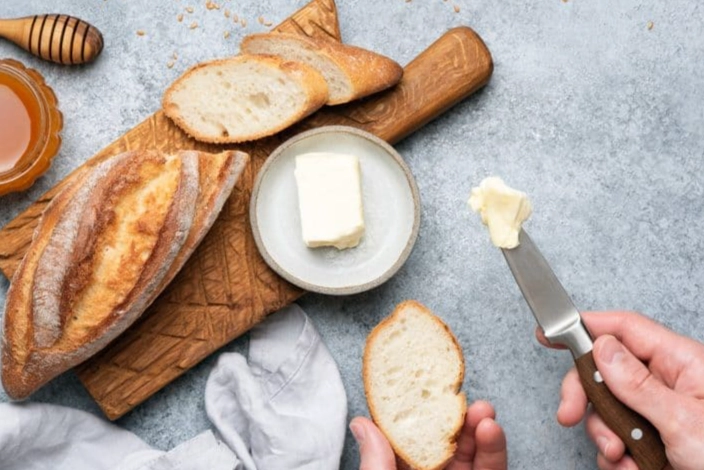
This is a pet peeve of mine. Many mass-produced breads labeled "sourdough" are just regular white bread with added vinegar or citric acid to mimic the tang. They skip the long, slow fermentation. These offer none of the digestive or nutritional benefits of real sourdough. Read the label. Real sourdough should have a short ingredient list: flour, water, salt, and a starter culture. No added yeast, vinegar, or preservatives.
Putting It All Together: Your Sourdough Pregnancy Strategy
Let's synthesize everything. When you're evaluating whether sourdough bread is ok for your pregnancy, follow this mental checklist:
- Source Wisely: Opt for whole, unsliced loaves from trusted bakeries or sealed packages from reputable brands.
- Handle with Care: Slice it at home with clean tools. Store it properly—eat fresh within a few days or freeze for longer storage.
- Use Heat: When in doubt, toast it. A well-toasted slice is the safest slice.
- Choose Nutrient Density: Go for sourdough made with whole grain flours (whole wheat, rye, spelt) to maximize the fiber and mineral benefits.
- Listen to Your Body: If you have a sensitive stomach, start with a small amount. While many find it easier to digest, everyone is different.
The bottom line is that for the vast majority of pregnant women, enjoying high-quality, properly handled sourdough bread is not only safe but can be a wholesome and satisfying part of a balanced pregnancy diet. The answer to "is sourdough bread ok when pregnant" is a cautious but confident "yes," provided you're smart about it.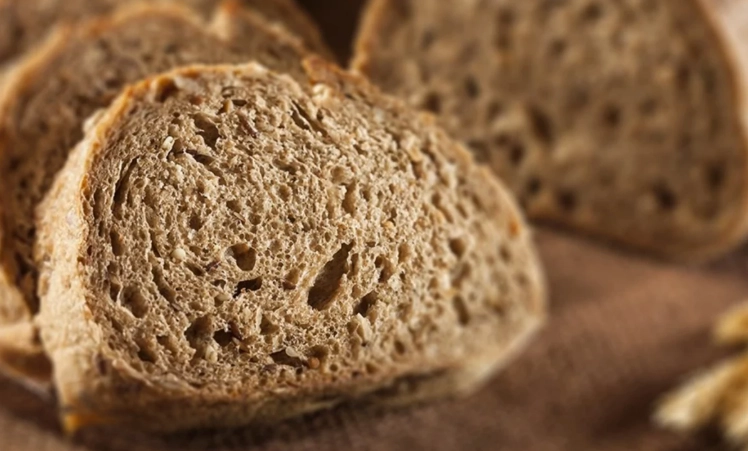
It's about informed choice, not fear. You can absolutely sit down with that piece of buttered sourdough toast, savor the complex flavor that took over 24 hours to develop, and know you're making a choice that's good for both your taste buds and your well-being. Just maybe double-check that the knife you used to slice it was clean.



Leave a Comment