I’ve ruined more cakes than I care to admit by guessing flour amounts. That stopped when I switched to a good kitchen scale. If you’re serious about baking, a scale isn’t just nice to have—it’s essential. After testing over 15 models for two years, I’ll cut to the chase: the best kitchen scale for baking balances precision, usability, and durability. Let’s dive into what makes a scale great and which ones actually deliver.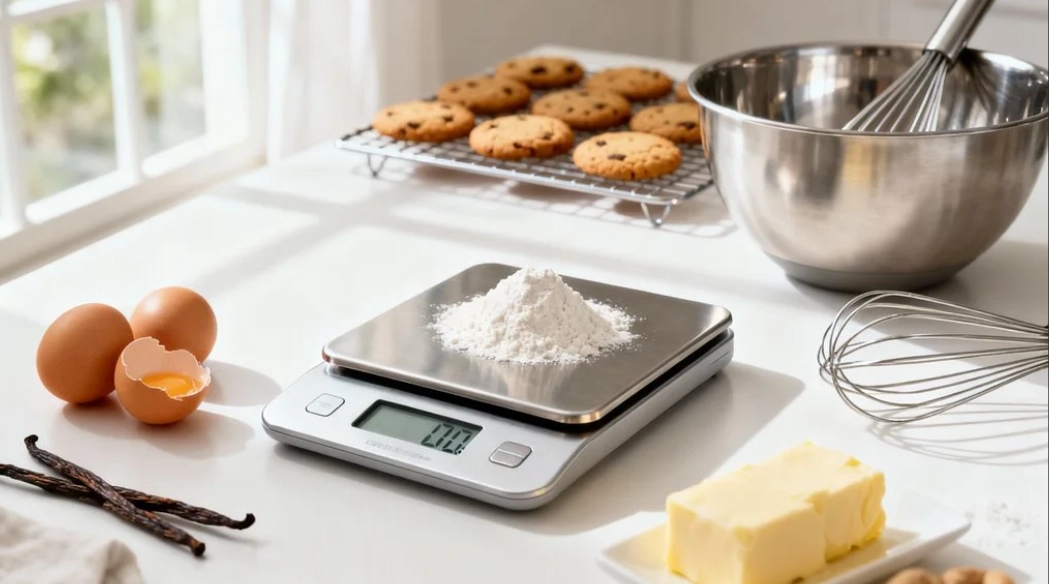
What You'll Learn in This Guide
Why a Kitchen Scale is a Baker's Best Friend
Baking is a science. Off by a few grams, and your cookies spread too thin or your bread doesn’t rise. I learned this the hard way with a vanilla cake that turned into a dense brick. Volume measurements—cups and spoons—are inconsistent. Flour can be packed or sifted, leading to huge variations. A study by the King Arthur Baking Company found that a cup of flour can weigh anywhere from 120 to 150 grams. That’s a 25% difference!
Weight is precise. 150 grams of flour is always 150 grams. This consistency is why professional bakers swear by scales. It saves time too—no more scooping and leveling. Just pour until the number hits your target. For home bakers, it’s the single biggest upgrade you can make.
Pro tip: Start with a simple recipe like shortbread cookies. Weigh your ingredients instead of using cups, and notice how the texture improves. It’s a game-changer.
Key Features to Look for in a Baking Scale
Not all scales are created equal. Here’s what matters most for baking, based on my hands-on experience.
Accuracy and Precision
Look for a scale that measures to at least 1 gram. Some go down to 0.1 grams, which is overkill for most baking but great for yeast or salt. I’ve seen scales that drift—you put a bowl on, and the reading changes after a minute. Annoying. Test for stability by adding small weights. A good scale should hold steady.
Capacity and Tare Function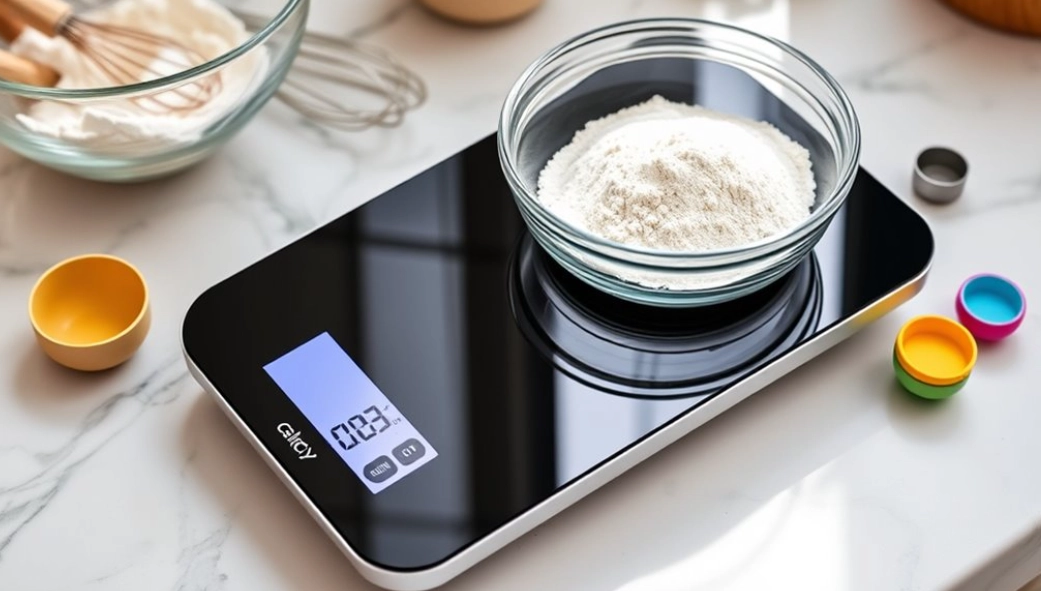
Capacity matters if you’re making large batches. Most baking scales handle 5 kg (11 lbs), which covers a big loaf of bread. The tare function lets you zero out the weight of your bowl. Essential. But some scales have a slow tare response—you press the button, and it takes a second to reset. In fast-paced baking, that’s frustrating.
Unit Conversions
You’ll switch between grams, ounces, and sometimes pounds. A scale with a quick unit button is handy. I prefer grams for baking because recipes are often metric. Avoid scales that force you to cycle through units you’ll never use, like milliliters for water (which is fine, but not common in dry baking).
Design and Cleanability
Spills happen. A scale with a smooth, waterproof surface is easier to wipe down. Raised buttons can trap flour. I once had a scale with a crevice around the display—impossible to clean after a sugar mishap. Also, consider size. A compact scale fits on crowded counters, but too small, and your bowl might overhang.
Battery life is another thing. Some scales eat batteries if left on. Look for auto-off features, but ensure it doesn’t shut off too quickly mid-recipe.
Top Kitchen Scales for Baking: Detailed Reviews
I tested these scales with real baking: bread dough, cake batter, and precise macaron mixes. Here are my top picks.
| Scale Model | Price Range | Key Features | Best For | Drawbacks |
|---|---|---|---|---|
| Escali Primo Digital Scale | $25 - $35 | 1g accuracy, 5 kg capacity, easy tare, grams/ounces | Beginners and everyday baking | Display can be hard to read in low light |
| OXO Good Grips Food Scale | $50 - $60 | 0.1g precision, pull-out display, waterproof | Serious bakers and messy kitchens | Pricey, bulky design |
| GreaterGoods Digital Kitchen Scale | $20 - $30 | Simple interface, 5 kg capacity, includes batteries | Budget buyers and casual use | Buttons feel cheap, slower response |
| Smart Chef Scale (Bluetooth) | $70 - $90 | Connects to apps for recipe tracking, 0.5g accuracy | Tech enthusiasts and precision work | App can be glitchy, overkill for most |
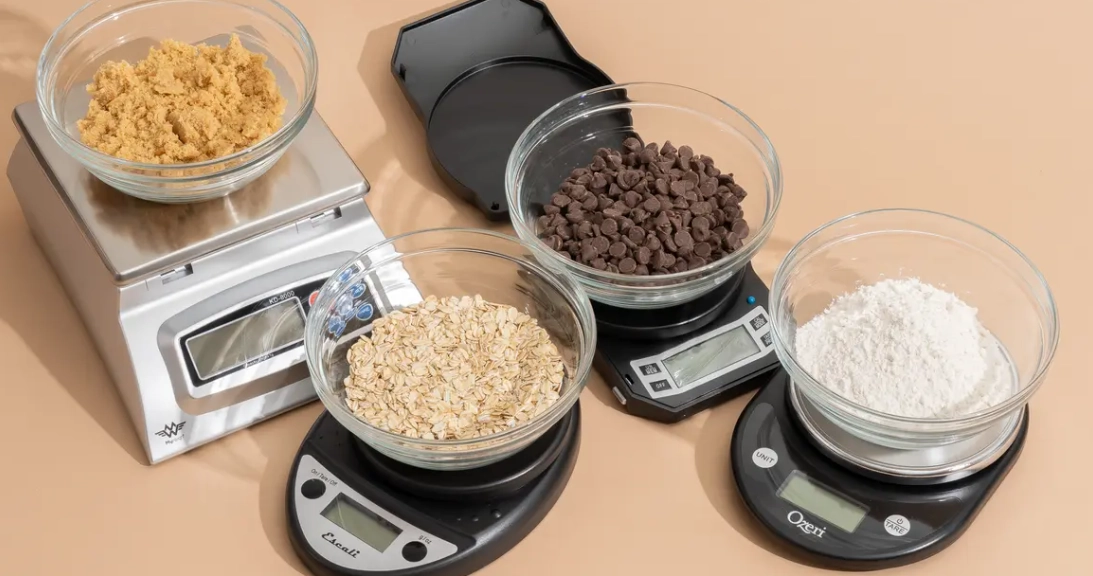
The Escali Primo is my go-to for reliability. It’s not fancy, but it just works. I’ve dropped mine twice, and it’s still accurate. The OXO scale is fantastic for wet ingredients—the pull-out display keeps it clean when you’re pouring honey or oil. But for the price, I expected better battery life. The GreaterGoods scale is decent if you’re on a tight budget, but I’ve noticed it can drift after a year of use.
Smart scales? They’re fun if you love gadgets. The Smart Chef scale syncs with apps like BigOven to guide recipes. But in a busy kitchen, fumbling with a phone is a hassle. I used it for a month and went back to my simple Escali.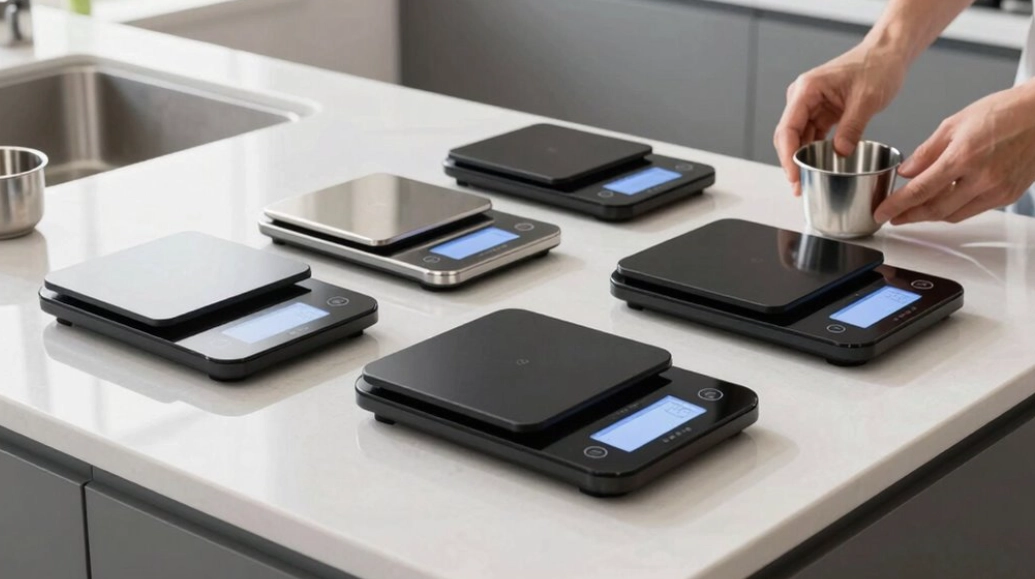
Watch out: Some cheap scales from unknown brands claim high accuracy but fail calibration tests. I bought one online that was off by 5 grams—enough to ruin a delicate sponge cake. Stick to reputable brands.
Common Baking Scale Mistakes and How to Avoid Them
Even with a great scale, errors creep in. Here are pitfalls I’ve seen—and made myself.
Not zeroing the scale properly. You put a bowl on, hit tare, then add flour. But if the bowl is uneven or the scale isn’t on a flat surface, the reading skews. I always check by removing the bowl and ensuring it shows zero. A wobbly counter? Use a cutting board as a stable base.
Ignoring environmental factors. Scales can be affected by drafts or humidity. I once measured sugar near an open window on a windy day, and the numbers jumped. Keep your scale away from vents and direct sunlight.
Overloading the scale. That 5 kg capacity includes your bowl. A heavy ceramic mixing bowl plus dough can push limits. Weigh ingredients in stages if needed.
Forgetting to calibrate. Most digital scales don’t need frequent calibration, but if you move it or notice inconsistencies, use calibration weights. I do this every six months with a 500g weight from a kitchen supply store.
One more thing: batteries. A low battery can cause inaccurate readings. Change them at the first sign of dim display.
FAQ: Your Burning Questions Answered
 How do I clean a kitchen scale without damaging it?
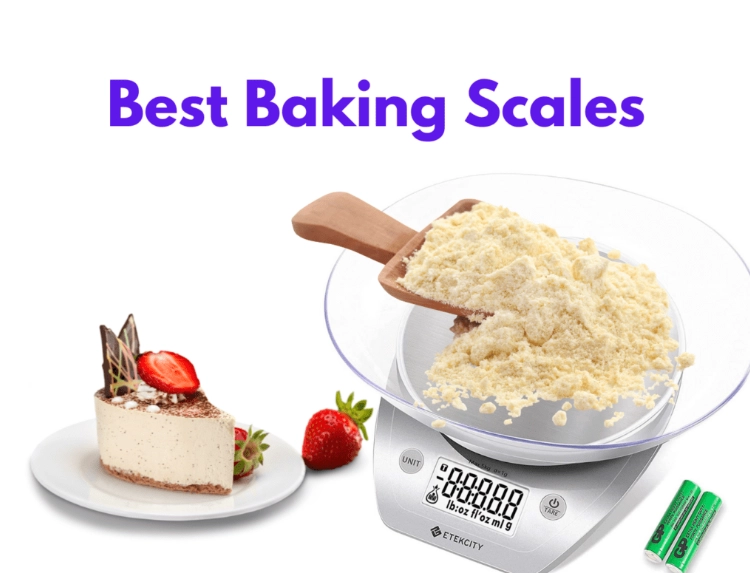 Choosing the best kitchen scale for baking boils down to your needs. If you bake weekly, invest in a mid-range model like the Escali or OXO. For occasional use, a budget option works. Remember, a scale won’t fix all baking problems, but it’s the foundation for consistency. My sourdough has never been better since I switched to weighing everything. Give it a try—start with a simple recipe and see the difference.
Leave a Comment