I remember my first batch. Lopsided, cracked, and stuck to the mat. They looked more like sad, colorful cookies than the elegant French macarons I was aiming for. I was following the recipe to the gram, so what went wrong? If you've been there, you're not alone. The path to perfect macarons is paved with common, but fixable, errors. Let's cut through the noise and talk about the real mistakes that trip people up.
Quick Navigation: What's Inside?
The Core Problem: Most macaron failures aren't due to one big error, but a combination of small, overlooked details. Understanding the why behind each step is more valuable than blindly following any single recipe. We're going beyond "whip the meringue" to explain how to whip it and, crucially, how to know when it's right.
Mistake #1: Getting the Meringue Foundation Wrong
This is where 80% of macarons fail. The meringue isn't just about stiff peaks; it's about structure and stability.
Under-whipping vs. Over-whipping
Under-whipped meringue is weak. It can't support the almond flour, leading to flat, spread-out macarons with no feet. Over-whipped meringue is dry and clumpy. It makes the batter stiff and impossible to mix smoothly, resulting in lumpy, hollow shells. The sweet spot? A glossy, firm meringue that forms a sharp, upright peak when you lift the whisk. The bowl should feel cool, not warm.
The Sugar Syrup Sins (for Italian Method)
If you use the Italian method, the sugar syrup is critical. A mistake I see often is pouring the syrup down the side of the mixer bowl. This cools it too fast. You need to pour it directly into the whipping egg whites in a steady stream. And for heaven's sake, use a candy thermometer. "Soft-ball stage" is too vague. Aim for 118°C (244°F). A few degrees off can ruin the texture.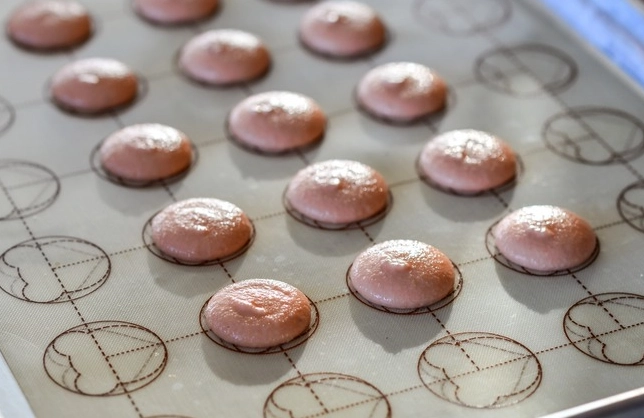
Mistake #2: The Macaronage Misstep (Mixing the Batter)
"Macaronage" is the process of folding the dry ingredients into the meringue. It's a feel thing, and it's where most recipes leave you hanging.
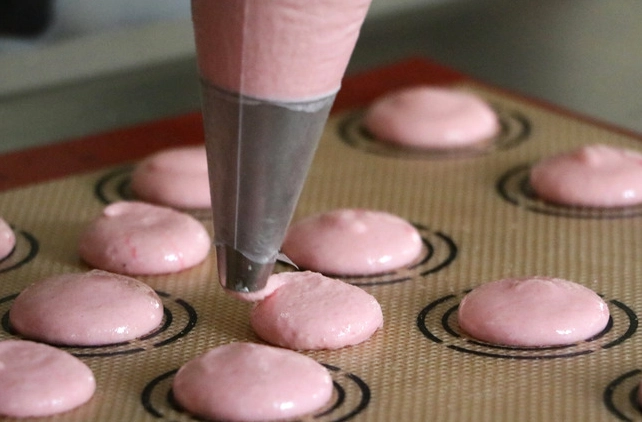
The goal is to deflate the meringue just enough. Under-mix, and the batter is too thick. It won't spread into a smooth circle, and you'll get peaks that don't settle. Over-mix, and the batter becomes too runny. It spreads like a pancake, and your macarons will be thin, fragile, and likely hollow.
How do you know it's right? The batter should flow like slow-moving lava or thick honey. When you lift your spatula, the batter should fall back into the bowl in a continuous ribbon, and the ribbon should slowly melt back into the surface within about 10-15 seconds. This is the "figure-8" test: you should be able to draw a continuous figure-8 with the batter dripping off your spatula without the stream breaking.
I can't stress this enough: stop mixing once you achieve this consistency, even if you've only done 30 folds. The number in the recipe is a guide, not a rule.
Mistake #3: Rushing the Rest (The Skin Formation)
You've piped perfect circles. The urge to pop them straight in the oven is strong. Resist it.
Resting allows a dry skin to form on the surface of the macaron shells. This skin is what forces the batter to rise upwards during baking, creating the iconic "feet." If you skip this, the moisture escapes through the top, causing cracks, and the feet spread out sideways.
How long? Until the surface is completely dry to a very gentle touch. It shouldn't stick to your finger at all. Humidity is your enemy here. On a dry day, it might take 20 minutes. On a humid day, it could take an hour or more. Using a fan or a dehumidifier in the kitchen can help. Don't go by time; go by touch.
Mistake #4: Trusting Your Oven Dial Blindly
Your oven lies. Mine does too. The temperature on the dial is almost never the actual temperature inside.
Invest in an oven thermometer. Place it in the middle of the rack where you'll bake. Preheat for at least 30 minutes to stabilize the temperature. Macarons are typically baked between 140°C and 160°C (285°F-320°F), but every oven is different.
The Hollow Shell Culprit: Temperature Too High
Too hot, and the outside sets too fast. The inside steam has nowhere to go but up, creating a big air pocket (a hollow shell) and often causing the feet to burst outwards messily. Try lowering the temperature by 5-10°C.
The Sticky/Brown Bottom Culprit: Temperature Too Low or Rack Position
Too low, and the macarons take forever to bake. They can sweat, stick to the mat, and the bottoms might brown too much. Also, baking on the wrong rack matters. The middle rack is usually best for even heat. Baking too low puts the shells too close to the bottom heating element.
Experiment. Bake a test batch of 2-3 macarons first. Note the time, temperature, and result. Adjust for the full batch.
Mistake #5: The Filling Fumble
You've baked perfect shells. Now you ruin them with a soggy filling.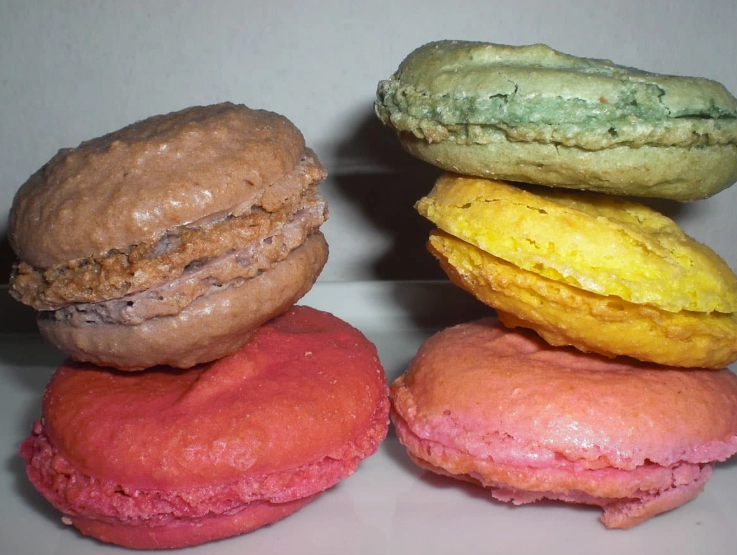
Buttercream or ganache that's too wet will seep into the delicate shell, making it mushy and destroying the texture. Your buttercream should be stiff. Your ganache should be firm enough to pipe. If it's runny, chill it.
More importantly, you must mature the macarons. After filling, store them in an airtight container in the fridge for at least 24 hours. This allows the filling to soften the shell from the inside, creating that perfect, slightly chewy, melt-in-your-mouth texture. Eating them right away is a completely different (and inferior) experience.
Mistake #6: Ingredient Assumptions and Substitutions
Macarons are chemistry. You can't just swap things out.
- Almond Flour: You need super-fine, blanched almond flour. Don't use almond meal—it's coarser and contains skins, which will give you a grainy texture and speckled appearance. Sift it! Even the finest flour has lumps. Sift it with your powdered sugar.
- Powdered Sugar (Icing Sugar): Make sure it's pure powdered sugar, not icing sugar mixture which often contains cornstarch. The cornstarch is fine, but the ratio matters if a recipe doesn't account for it.
- Food Coloring: Use gel or powder food coloring. Liquid coloring adds unwanted moisture that can throw off your batter consistency. A few drops of liquid can be the difference between perfect lava flow and a runny mess.
Mistake #7: The Rush Job (Lack of Process)
Making macarons isn't a 30-minute affair. Rushing leads to skipped steps: not sifting properly, not letting the meringue whip fully, not resting long enough, not preheating the oven adequately.
Block out a couple of hours where you won't be interrupted. Read the recipe all the way through before you start. Measure everything (mise en place). Have your piping bag and tip ready. Clear your baking space. This isn't just about mindfulness; it's about giving the process the respect it needs to work.
Your first few batches might fail. That's okay. Each failure is data. Did they crack? (Likely under-rested or wet batter). No feet? (Overmixed batter or no skin). Hollow? (Oven too hot). Take notes. Adjust one variable at a time.
Your Macaron Questions, Answered
Why are my macaron shells rough and bumpy instead of smooth?
Can I make macarons on a rainy or humid day?
My macarons have perfect feet but are completely hollow inside. What gives?
How do I get vibrant colors without ruining the batter?
My macarons stick to the silicone mat or parchment paper. How do I prevent this?


Leave a Comment