That first time you try to decorate a cake can feel intimidating. You see these flawless, buttercream-covered masterpieces online and think, "I could never do that." I thought the same thing. My first attempt looked like a toddler had attacked it with a spackling knife. The frosting was full of crumbs, the sides were a mess, and I ended up just covering the whole thing in sprinkles to hide the evidence.
But here's the secret nobody tells you: those perfect cakes are built on a series of very simple, learnable steps. You don't need to be an artist. You just need to know the right order of operations and a few key tricks. This guide is everything I wish I'd known when I started. We'll skip the fancy fondant and advanced airbrushing and focus on what actually works for a first-timer: buttercream, simple tools, and designs that look impressive but are secretly easy.
What You'll Learn
The Tools You Actually Need (and What to Skip)
Walk into a cake supply store, and you'll be overwhelmed. You don't need most of it. For your first few cakes, focus on this short list. I've split it into "must-haves" and "nice-to-haves" because starting simple is key.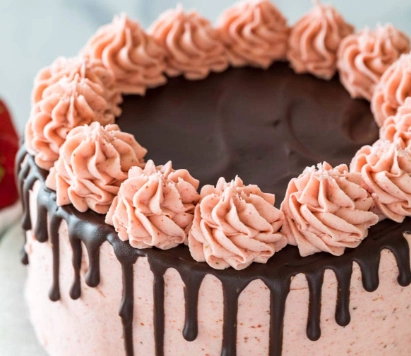
My first-timer advice? Buy the bare minimum from the "Essential" list below. Borrow a turntable if you can, or use a lazy Susan from your cupboard. Use a large glass or cup as a piping bag stand. Once you've decorated one cake and know you enjoy the process, then consider investing in more.
| Essential Tools | Why You Need It | Budget-Friendly Alternative |
|---|---|---|
| Offset Spatula (Icing Spatula) | The angled blade gives you control for spreading and smoothing frosting. A must for getting into corners. | A long, flexible butter knife. It's not perfect, but it works. |
| Bench Scraper or Icing Smoother | This is the magic wand for smooth sides. You hold it against the rotating cake to create sharp edges. | A large, clean ruler or the flat side of a large knife. Results will be less perfect. |
| Piping Bags (Disposable or Reusable) | For borders and details. Disposable are less messy for beginners. | A heavy-duty zip-top bag with a corner snipped off. |
| Large Round Piping Tip (Like Wilton 1A or 2A) | Creates simple dots, rosettes, and smooth borders. The most versatile starter tip. | Just the bag with a hole. You'll get a rustic, rounded shape. |
| Cake Turntable | This isn't a luxury; it's a game-changer for smoothing and piping evenly. The best $15 you'll spend. | Place your cake plate on a damp towel on a lazy Susan or overturned bowl. |
For the "Nice-to-Have" list, I'd put a cake leveler (a serrated knife works fine), a variety pack of piping tips, and a cake scraper with patterns. Ignore fondant tools, airbrush kits, and modeling tools for now. They're for a different style of decorating entirely.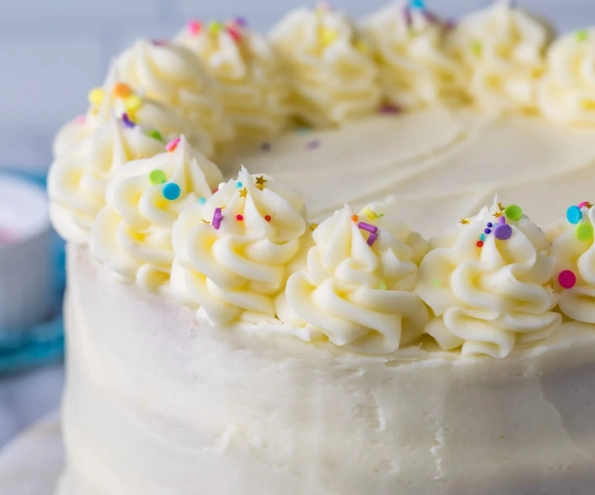
Cake Prep: The Non-Negotiable Foundation
You can't build a beautiful house on a crumbling foundation. Decorating starts before the frosting comes out.
Level Your Cake Layers. Almost every cake bakes with a slight dome. If you stack them as-is, your cake will wobble. Use a long serrated knife or cake leveler to slice off the dome so each layer is flat. (Save the scraps for a trifle or cake pops!).
Apply a Soaking Syrup (Optional but Smart). This is a pro-tip most beginners miss. Brush a simple syrup (equal parts sugar and water, heated until dissolved) lightly onto the cut surface of each layer. It keeps the cake incredibly moist, especially if you're working over several hours.
Crumb Coat the Top. Before you stack, spread a very thin layer of frosting on top of the bottom layer. This acts as glue, catching any loose crumbs and preventing the layers from sliding. It's a tiny step with a huge payoff.
Chill Before Frosting. This is the single most ignored piece of advice. After stacking your layers, wrap the naked cake in plastic wrap and pop it in the freezer for 30 minutes or the fridge for at least an hour. A cold cake is firm, doesn't shed crumbs, and is infinitely easier to frost. Trust me on this.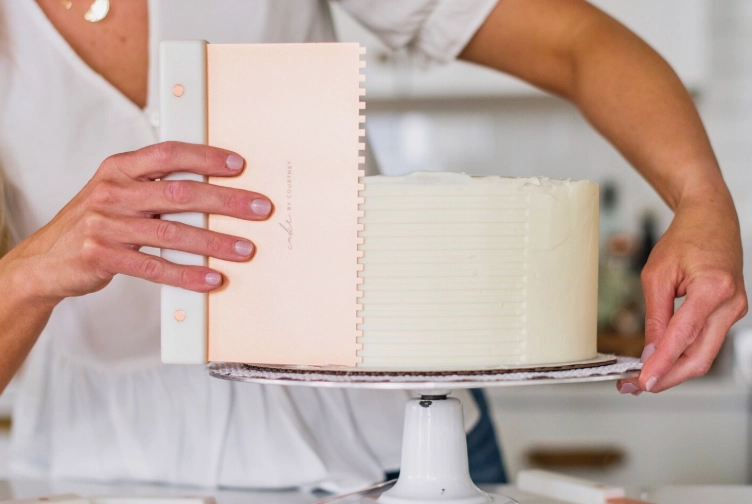
Frosting Mastery: Crumb Coats and Smooth Sides
Now for the main event. We're using American buttercream (just butter, powdered sugar, a pinch of salt, and a splash of milk or cream) because it's forgiving and easy to make. Ensure your butter is at cool room temperature—too warm and the frosting will be soupy; too cold and it won't blend smoothly.
Step 1: The Crumb Coat (Your Secret Weapon)
This is a thin, initial layer of frosting that traps all the loose crumbs. Don't try to make it pretty. Take a large dollop of frosting and spread it thinly over the entire cake with your offset spatula. Don't worry if you see cake through the frosting or if it looks messy. The goal is to seal in the crumbs.
Once it's covered, use your bench scraper to remove the excess, leaving just a whisper-thin, sticky layer. You will see crumbs in it. That's the point! They're now trapped. Put the whole cake back in the fridge for 20-30 minutes until the crumb coat is firm to the touch.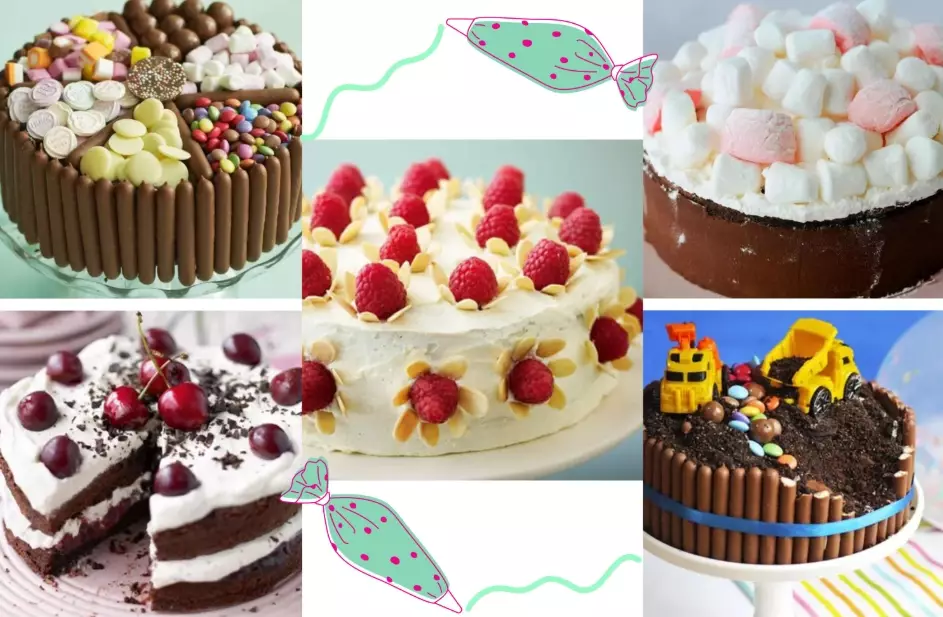
Step 2: The Final Coat & Smoothing
Now you apply your beautiful, final layer of frosting. Because the crumbs are locked in, you can be bold. Pile frosting on top and around the sides. Use your offset spatula to roughly spread it to the edges.
Here's where the turntable and bench scraper work magic. Hold your bench scraper vertically against the side of the cake. Slowly spin the turntable with your other hand. The scraper will shear off excess frosting, leaving a smooth, even side. Add more frosting to any gaps and repeat. For the top, hold the scraper flat and sweep across to level it.
Don't obsess over absolute perfection. A "homemade smooth" look is charming. If you get small air bubbles, dip your spatula in hot water, dry it quickly, and gently smooth the area.
3 Simple Decorating Ideas That Always Work
With a smooth(ish) cake, you're ready to decorate. Choose one of these beginner-friendly approaches.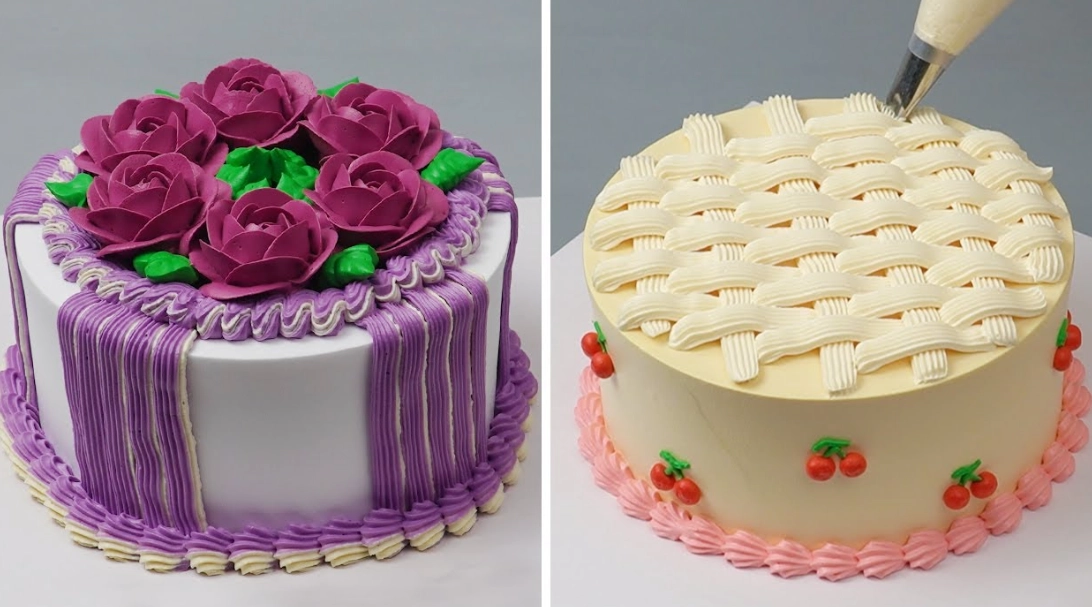
Proportion is key. However you decorate, leave some "negative space." Don't cover every square inch of the cake. A few well-placed elements look more intentional than a crowded mess.
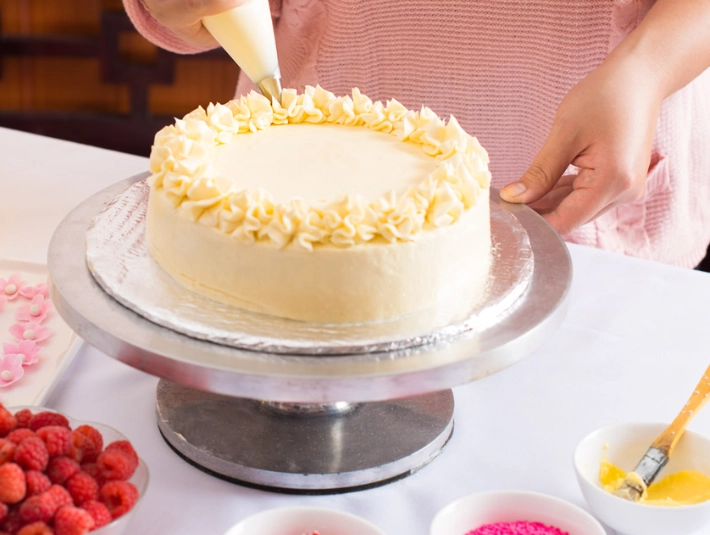
1. The Classic Rosette Border. Fit your piping bag with a large star tip (like Wilton 1M or 2D). Starting at the outer edge of the cake top, pipe a continuous spiral inward to form a rosette. Do a row around the top edge, then another row around the base. It hides any uneven edges and looks incredibly professional. Fill the center of the top with fresh berries or leave it plain.
2. Fresh Fruit & Mint. This is almost cheating, it's so easy and effective. After your final coat, arrange a pile of mixed berries (strawberries, raspberries, blueberries) or slices of kiwi and mango in the center of the cake. Tuck in a few small mint leaves for a pop of green. The vibrant colors do all the work. Just make sure the fruit is dry so it doesn't bleed color.
3. Chocolate Drip & Sprinkles. Sounds fancy, is simple. Make a chocolate ganache drip (heat 1/2 cup heavy cream, pour over 1 cup chocolate chips, let sit, then stir). Let it cool until it's thick but still pourable. Pour a pool on the center of your chilled cake and gently push it over the edges with a spoon to create drips. Immediately cover the top with a generous pile of sprinkles before the ganache sets. Instant party cake.
Common Beginner Mistakes (And How to Dodge Them)
- Using Warm Frosting: If your buttercream is sliding off the cake, it's too warm. Chill the bowl of frosting for 15 minutes, then re-whip.
- Skipping the Crumb Coat: This leads to the dreaded "crumbly mess." The two-stage frosting process is non-negotiable for a clean look.
- Frosting a Warm Cake: The frosting will melt and become greasy. Always, always chill your cake layers first.
- Overworking the Frosting: If you keep scraping and re-smoothing the same spot, you'll tear the frosting and pull up crumbs. Apply, smooth a few times, and leave it.
- Using the Wrong Frosting Consistency: For piping borders, the frosting needs to be stiffer than for spreading. If it's too soft, add more sifted powdered sugar.
Your Cake Decorating Questions, Answered
The best part about cake decorating? It's edible. Even the "mistakes" taste good. Start with these fundamentals—proper tools, a chilled cake, a crumb coat, and one simple decorating technique. Your first cake might not be gallery-ready, but it will be yours. And the second one will be noticeably better. That's the real joy of it.
Leave a Comment