Let's cut through the noise. A perfect red velvet cake shouldn't require a culinary degree or obscure ingredients. It's about that distinct, slightly tangy flavor, an impossibly tender crumb, and that iconic cream cheese frosting. This simple red velvet cake recipe delivers exactly that, without the fuss. I've made this cake more times than I can count, for birthdays, holidays, and just because. I've also made every mistake possible, so you don't have to.
What You'll Find Inside
Why This Simple Red Velvet Cake Recipe Actually Works
Most recipes get one thing wrong: they treat red velvet like a standard chocolate cake with food coloring. It's not. The magic comes from the reaction between acidic ingredients (buttermilk, vinegar) and alkaline cocoa powder. This reaction enhances the red color and creates that unique, subtle tang and super-soft texture.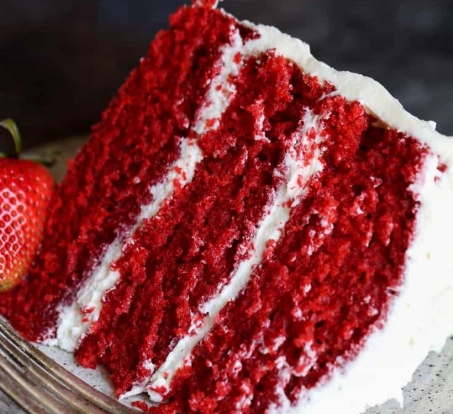
This recipe uses oil, not butter. I know, it sounds wrong for a classic cake. But after testing both side-by-side for years, oil gives a consistently moist cake that stays soft for days. Butter cakes can dry out faster. For a red velvet, where the moist, velvety crumb is the star, oil is the secret weapon most home bakers overlook.
Ingredients Breakdown: What You Need & Why
For the Cake Layers
- All-purpose flour: The standard. Don't use cake flour here; you need the slight structure.
- Granulated sugar: For sweetness and tenderness.
- Vegetable oil: Use a neutral oil like canola or grapeseed. This is key for moisture.
- Buttermilk: Non-negotiable. The tang and acidity are essential. See the FAQ below for a substitution if you're in a pinch, but real buttermilk is best.
- Eggs: Two large eggs, at room temperature. They bind the batter and add richness.
- Unsweetened cocoa powder: Just 2-3 tablespoons. We're not making a chocolate cake; this is for depth of flavor, not intensity.
- Red food coloring: Use gel food coloring. Liquid coloring requires too much volume and can thin the batter. About 1 tablespoon of gel gets a vibrant, classic red.
- White vinegar & baking soda: This is the other critical reaction. The vinegar activates the baking soda for a good rise. Don't skip it.
- Vanilla & salt: Flavor enhancers. Salt makes the sweet and tangy flavors pop.
You'll notice there's no fancy ingredient here. No espresso powder, no beetroot powder (despite what some trendy recipes say). The beauty of a simple red velvet cake is in this specific combination of pantry staples.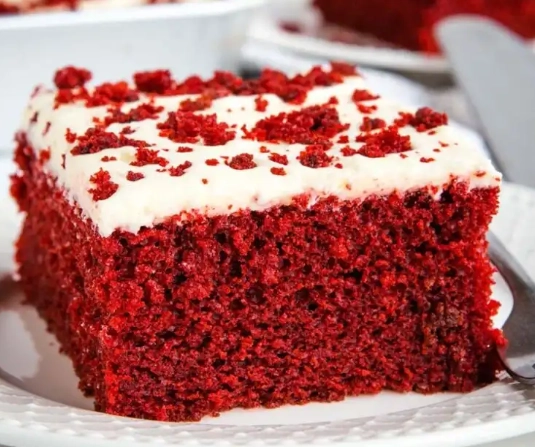
Step-by-Step Baking Instructions
Follow this order. It's designed to minimize dishes and maximize success.
1. Prep and Mix Dry Ingredients
Preheat your oven to 350°F (175°C). Grease and flour two 9-inch round cake pans. I also line the bottoms with parchment paper—it's insurance against sticking.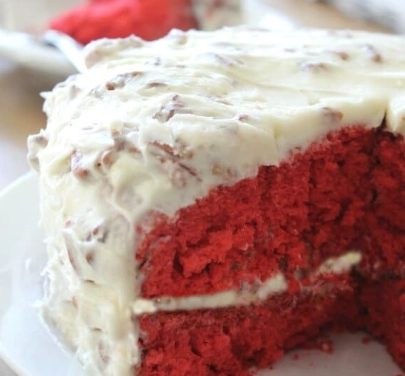
In a medium bowl, whisk together 2 ½ cups of all-purpose flour, 1 ½ cups of sugar, 1 teaspoon of baking soda, and 1 teaspoon of salt. Sift in the 2 tablespoons of cocoa powder. Whisk it all until there are no lumps. This is your dry mix. Set it aside.
2. Combine the Wet Ingredients
In a large bowl, combine 1 ½ cups of vegetable oil, 1 cup of buttermilk (room temp is ideal), 2 large eggs, 1 tablespoon of red gel food coloring, and 2 teaspoons of vanilla extract. Whisk this until it's completely smooth and homogenous. It will look like a bright red salad dressing—that's normal.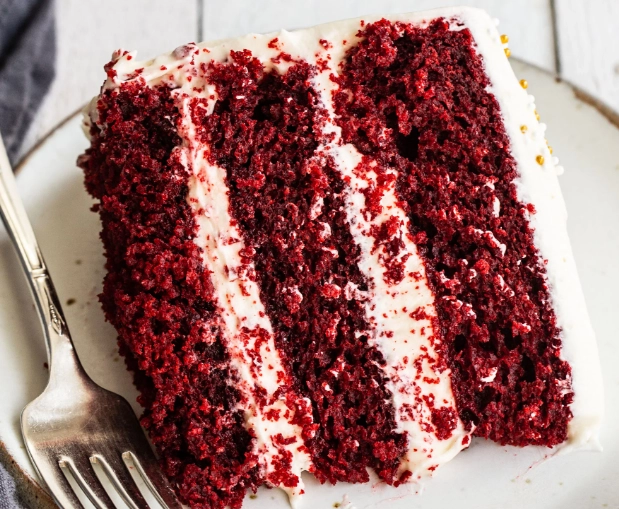
3. The Critical Mixing Stage
Add your dry ingredients to the wet ingredients. Use a whisk or a spatula. Mix only until the flour is just incorporated. Do not overmix. A few small lumps are fine. Overmixing develops gluten and leads to a tough, dense cake—the opposite of what we want.
Now, in a small cup, stir together 1 teaspoon of white vinegar and 1 teaspoon of baking soda. It will fizz immediately. Quickly fold this fizzy mixture into your cake batter until it's evenly distributed. This is your final mix. The batter will be relatively thin.
4. Baking and Cooling
Divide the batter evenly between your prepared pans. Bake for 25-30 minutes. Start checking at 25 minutes. The cake is done when a toothpick inserted into the center comes out with a few moist crumbs attached, not wet batter.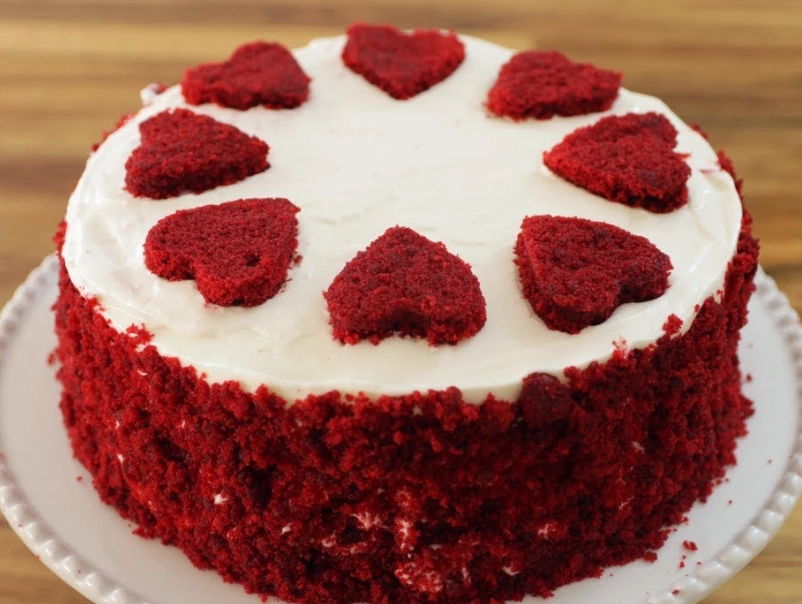
Let the cakes cool in the pans for 10 minutes. Then, run a knife around the edges and invert them onto a wire rack. Peel off the parchment paper and let them cool completely before frosting. I mean completely. Frosting a warm cake is a disaster waiting to happen—the frosting will melt and slide right off.
Cream Cheese Frosting: Tips & Common Pitfalls
The Frosting Formula
For the frosting, you'll need: one 8-ounce block of full-fat cream cheese, ½ cup (1 stick) of unsalted butter, 4 cups of powdered sugar, and 1 teaspoon of vanilla extract. Pinch of salt too.
Here's where most people mess up. Your cream cheese and butter must be cool, not soft. If they're too warm, your frosting will be a soupy, runny mess. Take them out of the fridge about 30 minutes before you start—they should be slightly firm to the touch.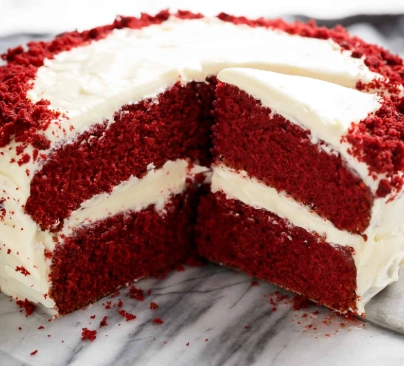
Beat the cool butter and cream cheese together until just smooth and combined. Don't whip in a ton of air. Gradually add the powdered sugar, vanilla, and salt. Beat on low until incorporated, then on medium-high for about a minute until fluffy. If it looks too soft, chill the whole bowl in the fridge for 20 minutes, then beat again. This usually fixes it.
Frost your completely cooled cakes. A simple crumb coat (a thin layer to trap crumbs) followed by a final coat works wonders for a smooth finish.
Your Red Velvet Cake Questions Answered
Baking this cake should feel straightforward, not intimidating. It's a recipe built on technique rather than complexity. Measure carefully, mix with a light hand, and trust the process. That first slice, with its stark red crumb against the white frosting, is always worth it.




Leave a Comment