Quick Guide
You've probably seen it everywhere – artisan bakeries, trendy cafes, even your local supermarket. That crusty, tangy loaf with the distinctive holes. Sourdough. It's billed as the healthier, more natural choice. But is sourdough bread actually healthier than normal bread, or is it just another food trend with clever marketing? I used to wonder the same thing every time I stood in the bread aisle, staring at the price tag (let's be honest, sourdough isn't cheap) and the ingredients list on a standard whole wheat loaf.
The answer isn't a simple yes or no. It's a maybe, and it depends on a whole bunch of factors. What kind of "normal" bread are we comparing it to? What's your definition of "healthy"? Is it about gut health, blood sugar, nutrients, or just feeling less bloated after a sandwich? We need to dig deeper than the crust.
Here's the thing: When people ask "Is sourdough healthier than normal bread?", they're usually comparing it to commercial bread made with baker's yeast. That's the bread most of us grew up with – soft, uniform, and with a shelf life that sometimes feels suspiciously long. Sourdough is a different beast altogether, and its health profile is tied directly to its ancient, slow process.
The Heart of the Matter: It's All About the Starter
To understand why sourdough might be different, you have to understand what it is. Normal bread uses commercial yeast (Saccharomyces cerevisiae) as a fast-acting leavening agent. Mix, rise, bake. Done.
Sourdough is leavened by a wild culture – a symbiotic mix of wild yeast and lactic acid bacteria (LAB) that you capture from the air and nurture in a flour-and-water paste. This starter is alive. It needs to be fed. The fermentation process is slow, often taking 12 to 24 hours or more. This time is the key to everything.
During this long fermentation, the bacteria and yeast pre-digest the flour. They break down complex starches and proteins. This is where many of the proposed benefits of sourdough come from, and it's the core reason the question "Is sourdough healthier than normal bread?" even exists.
Nutritional Face-Off: A Closer Look
Let's break it down side by side. On paper, a slice of whole wheat sourdough and a slice of whole wheat commercial yeast bread might have similar calories, carbs, and protein. The magic isn't in the macro count you see on the label; it's in the bioavailability and the presence of other compounds.
| Aspect | Traditional Long-Ferment Sourdough | Commercial Yeast Bread (Standard Whole Wheat) | Why It Matters |
|---|---|---|---|
| Phytic Acid Levels | Significantly reduced. | Higher levels remain. | Phytic acid is an "anti-nutrient" that can bind to minerals like iron, zinc, and calcium, preventing your body from absorbing them. The long fermentation breaks it down. |
| FODMAP Content | May be lower in fructans. | Typically high in fructans. | Fructans are a type of fermentable carb that can cause bloating and gas in people with IBS or sensitive guts. The bacteria in sourdough can consume some of these. |
| Glycemic Index (GI) | Generally has a lower GI. | Typically has a higher GI. | A lower GI means it causes a slower, more gradual rise in blood sugar rather than a sharp spike. This is better for energy levels and insulin sensitivity. A 2009 study published in the British Journal of Nutrition found sourdough fermentation significantly lowered the GI of bread. |
| Bioactive Compounds | Contains peptides and antioxidants (like glutathione) formed during fermentation. | Negligible amounts. | These compounds may have anti-inflammatory and other protective effects in the body. |
| Gluten Structure | Partially broken down (hydrolyzed) by enzymes. | Fully intact gluten network. | This does not make it safe for people with celiac disease. However, some people with non-celiac gluten sensitivity report better tolerance to sourdough. The science here is still evolving. |
Looking at that table, you start to see a pattern. The long, natural fermentation of sourdough acts like a pre-digestion, transforming the components of the flour into something your body might handle more easily. It's not that sourdough adds a ton of new vitamins (though some B vitamins can increase); it's that it makes the existing nutrients more accessible and reduces problematic compounds.
The Gut Health Connection (And Some Hype)
This is where a lot of the buzz is. Sourdough contains lactic acid bacteria. Yogurt contains lactic acid bacteria. Therefore, sourdough is a probiotic for your gut, right? Not so fast.
Most of those beneficial bacteria do not survive the high heat of baking. So, you're not eating a significant amount of live probiotics when you eat a slice of toasted sourdough. The real gut health benefit likely comes from two places:
- Prebiotic Effect: The fermentation process can create prebiotics – food for the good bacteria already in your gut. The breakdown products and the resistant starch in cooled sourdough can feed your microbiome.
- Reduced Irritants: As mentioned, the lower FODMAP (specifically fructan) content and altered gluten structure mean sourdough is simply less likely to cause distress, bloating, and inflammation in many people. A happier gut is a healthier gut.
The Harvard T.H. Chan School of Public Health notes that a diverse diet rich in fermented foods can contribute to a diverse microbiome. Sourdough can be one piece of that puzzle, but it's not a magic bullet.
A crucial caveat: Not all store-bought "sourdough" is real, long-fermented sourdough. Many are "sourdough-flavored" – made with commercial yeast and a dash of vinegar or dried sourdough powder for tang. They skip the slow fermentation entirely, so you get none of the potential benefits. Always check the ingredients. Real sourdough should only have flour, water, salt, and a starter/culture. No yeast, no additives.
Blood Sugar and Satiety: The Fullness Factor
This is a big one, especially if you're watching your energy levels or weight. That lower Glycemic Index we talked about is a tangible benefit. A spike in blood sugar is often followed by a crash, leaving you tired and hungry again soon after eating.
Because the carbohydrates in sourdough are broken down more slowly, they provide a steadier release of energy. I've noticed this myself. A sandwich on good sourdough keeps me satisfied for hours. The same sandwich on fluffy white bread? I'm rummaging in the cupboard an hour and a half later.
The acetic acid produced during sourdough fermentation (which gives it the tang) may also play a role in slowing down stomach emptying and influencing how your body processes sugars. It's a complex, beneficial chain reaction started by that simple starter.
The "Normal Bread" Side of the Story
We can't just dismiss all conventional breads. The term "normal bread" encompasses a huge range. A heavily processed white bread with a list of twenty ingredients (including preservatives, emulsifiers, and added sugar) is in a different league from a minimally processed, whole grain bread made with a short yeast fermentation.
Some modern commercial whole grain breads are fortified with vitamins and minerals. They can be a good source of fiber, especially if they contain seeds and whole grains. For many people, they are a affordable, convenient, and nutritious staple.
The main drawbacks often come from the processing speed and additives:
- Fast Rise: Commercial yeast works quickly, not allowing time for phytic acid breakdown.
- Additives: Emulsifiers, dough conditioners, and preservatives extend shelf life and improve texture but may have negative effects on gut health for some individuals. The science on common additives like calcium propionate is still being debated.
- High FODMAPs: The fast process leaves fructans largely intact.
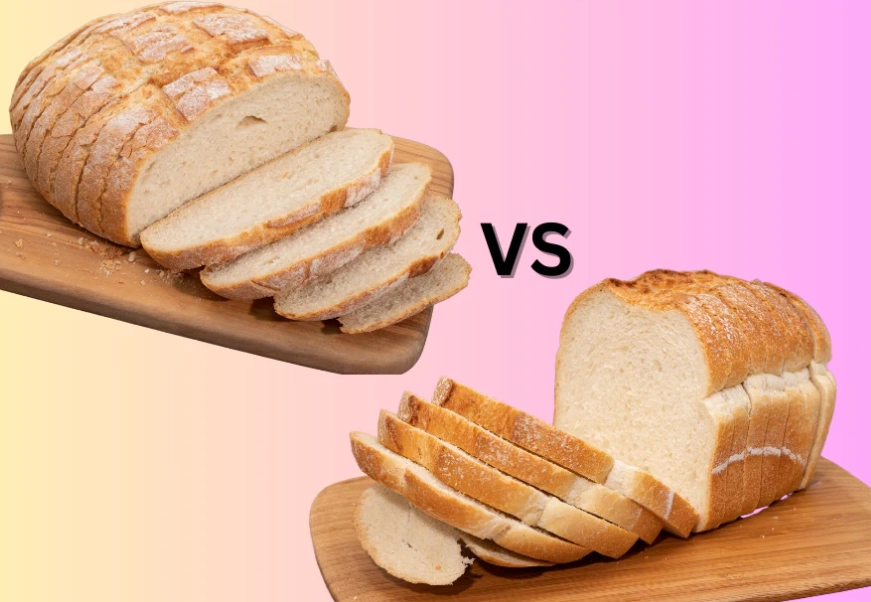
So when we ask, "Is sourdough healthier than normal bread?", we have to define "normal." Compared to an ultra-processed white loaf, sourdough is almost certainly the better choice. Compared to a clean-ingredient, whole grain yeast bread, the differences become more nuanced and personal.
Quick Decision Guide: Which Bread Should You Choose?
- Choose Sourdough if: You have digestive sensitivity (especially to FODMAPs), are concerned about blood sugar spikes, prioritize nutrient bioavailability, and don't mind the tangy flavor or higher cost.
- A Good Whole Grain Yeast Bread is Fine if: You have no digestive issues, you're on a budget, you need convenience, and you choose a brand with simple ingredients (whole grain flour, water, yeast, salt, maybe seeds).
- Avoid (or Limit) if: The ingredient list is long and includes things you don't recognize, added sugars are high on the list, or it's made primarily with refined white flour (unless it's an occasional treat).
Answering Your Burning Questions
The Final Verdict: A Personal Choice
So, after all this, is sourdough healthier than normal bread? For most people, and in most comparisons to standard commercial bread, the scale tips in favor of traditional, long-fermented sourdough. The science supporting its lower glycemic impact, improved mineral availability, and better digestibility is compelling.
But health is personal. If you buy a cheap, fake sourdough, you might as well buy a decent whole wheat loaf. If you have no issues digesting a good quality yeast bread and enjoy it, there's no urgent need to switch. The healthiest bread is the one made from whole grains, with simple ingredients, that you enjoy eating as part of a varied diet.
For me, the combination of superior flavor, better digestion, and that steady energy makes sourdough worth the extra hunt and cost. It feels like a more nourishing food. But I also keep a pack of whole wheat pitas in the freezer for quick meals – no guilt attached.
The bottom line isn't to idolize one and demonize the other. It's to become a more informed label reader. Look for simplicity. Look for time. Whether it's a wild yeast starter or a commercial one, the care and ingredients that go into your bread are what ultimately answer the question of which is healthier for you.
If you're curious, try a loaf from a real bakery. Notice how you feel. Your body might just give you the best answer to the question "Is sourdough healthier than normal bread?"






Leave a Comment