Let's cut to the chase: if you're serious about baking, a kitchen scale isn't just worth it—it's non-negotiable. I've been baking professionally for over a decade, and I can tell you that the single biggest upgrade to my kitchen wasn't a fancy mixer or expensive oven; it was a simple digital scale. Without it, you're essentially guessing, and in baking, guesses lead to flat cakes, dense breads, and crumbly cookies. Precision is everything, and a scale delivers that.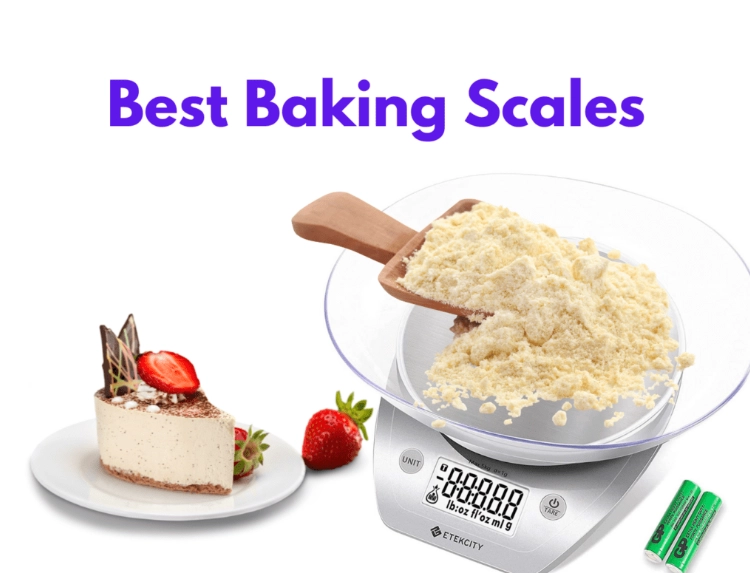
Jump to What Matters in This Guide
Why Precision is Non-Negotiable in Baking
Baking is chemistry, not art. You can't just toss in ingredients and hope for the best. The ratios of flour, sugar, fat, and leavening agents have to be exact. A few grams off, and your whole batch can fail. I remember my early days of baking: I'd scoop flour directly from the bag into a measuring cup, packing it down without realizing. The result? Cookies that spread into thin, brittle discs instead of soft, chewy rounds. It was frustrating.
According to resources from King Arthur Baking, the variance between a cup of flour measured by scooping versus spooning can be up to 20 grams. That's a huge margin of error. With a scale, you eliminate that. You weigh exactly what the recipe calls for—no more, no less. It's consistency in a tool.
The Science Behind Baking Ratios
Think of a cake recipe as a formula. If it calls for 100 grams of flour, 60 grams of sugar, and 50 grams of butter, those numbers are precise for a reason. Flour compacts easily; sugar can be fluffy or dense depending on humidity. Weight measurement accounts for these variables. Volume measurement doesn't. That's why professional bakers always use scales. It's not a luxury; it's standard practice.
Volume vs. Weight: Why Scales Win Every Time
Here's a quick comparison: one cup of all-purpose flour can weigh anywhere from 120 to 150 grams depending on how you measure it. With a scale, you aim for 125 grams if that's what the recipe specifies. This accuracy is crucial for recipes like sourdough bread or finicky pastries where hydration levels matter. I've seen home bakers struggle with wet doughs because they added too much flour by volume. A scale fixes that instantly.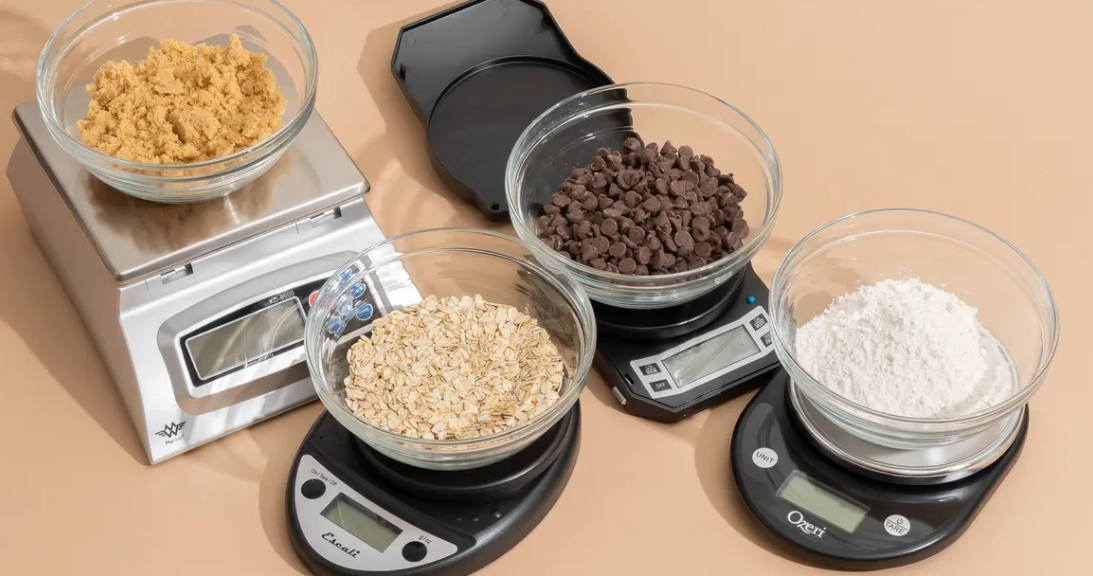
Pro tip from a 10-year baker: Many bakers think that for quick breads like banana bread, you can eyeball it. But even there, a scale ensures the perfect moisture balance. I've had batches turn out gummy because I added a bit too much flour by cup. Weighing prevents that subtle error most recipes don't mention.
How to Choose the Right Kitchen Scale
Not all scales are created equal. You don't need to spend a fortune, but you do need reliability. I've gone through a few cheap scales that drifted over time, giving me inaccurate readings that ruined whole batches of macarons. Here’s what to look for based on my experience.
Key Features to Look For in a Baking Scale
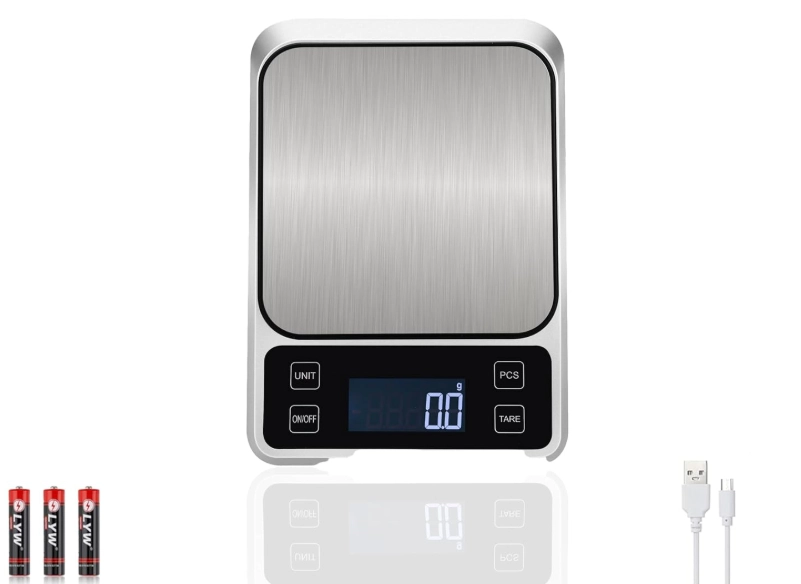
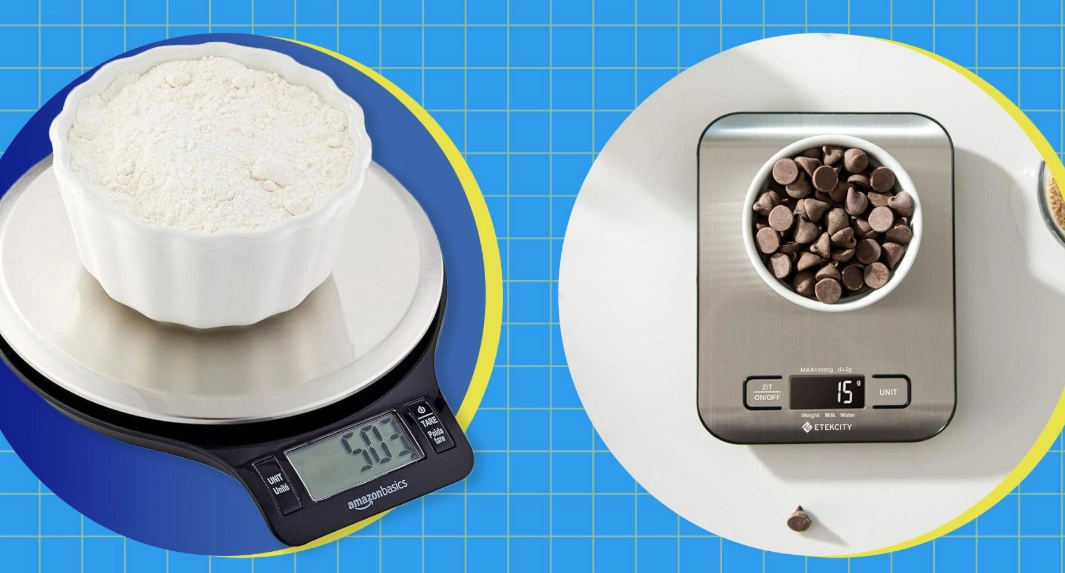
- Precision: Aim for at least 1-gram increments. For baking, 0.1-gram precision is ideal for small amounts like yeast, salt, or baking powder. My current scale measures to 0.1 grams, and it's a game-changer for delicate recipes.
- Capacity: Most home baking needs a scale that can handle up to 5 kilograms (about 11 pounds). This covers everything from bread dough to large cake batters.
- Tare Function: This lets you zero out the weight of your bowl. You can add ingredients sequentially without dirtying multiple cups. It's a time-saver and reduces cleanup.
- Platform Size: Make sure it's large enough to hold your mixing bowls. I once had a scale with a tiny platform; it was constantly tipping over with heavier bowls.
- Battery Life and Display: Look for an auto-off feature to save batteries, but ensure the display is clear and backlit if you bake in dim lighting.
Budget-Friendly vs. High-End Scales: What's Worth It?
You can find decent scales for under $20. I started with an OXO scale that cost around $25, and it served me well for years. But if you bake frequently, investing in a more robust model with better accuracy (like those from Escali or My Weigh) is worthwhile. The difference? Cheaper scales might have slower response times or less durable surfaces. I've had a budget scale that needed recalibration every few months, which was annoying. For most home bakers, a mid-range scale around $30-$50 is the sweet spot.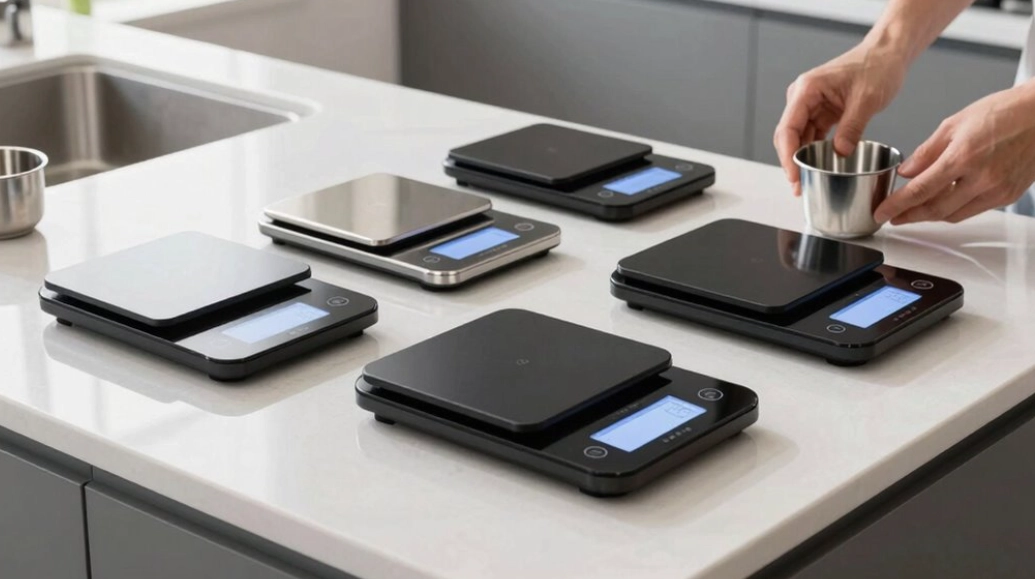
Solving Common Baking Mistakes with a Scale
Ever wondered why your cakes are dense or your cookies spread too much? A scale can solve these issues by ensuring accurate ingredient proportions. Let's dive into specific scenarios.
Case Study: The Perfect Sourdough Loaf
Sourdough is all about hydration. Recipes often call for a percentage of water relative to flour weight. For example, a 75% hydration dough means 750 grams of water for every 1000 grams of flour. With volume measuring, you might end up with 70% or 80% hydration, leading to a dough that's too stiff or too slack. I once made a loaf that was rock-hard because I mis-measured flour by cup. Using a scale, I now hit the exact ratios every time, resulting in consistent, airy crumb.
Step-by-step with a scale: Weigh your flour (say, 500g), then calculate water (375g for 75% hydration). Add water gradually while mixing. The scale lets you adjust on the fly—if the dough feels dry, you can add a few more grams of water precisely.
Avoiding Dense Cakes and Crumbly Cookies
Too much flour is the culprit here. When you scoop flour, it's easy to pack in extra. A scale prevents that. For cookies, the ratio of fat to flour is critical. If you add even 10 grams too much flour, cookies can turn out dry and crumbly. I learned this the hard way with chocolate chip cookies that fell apart. Now, I weigh everything: butter, sugars, flour. The result? Chewy, perfect cookies batch after batch.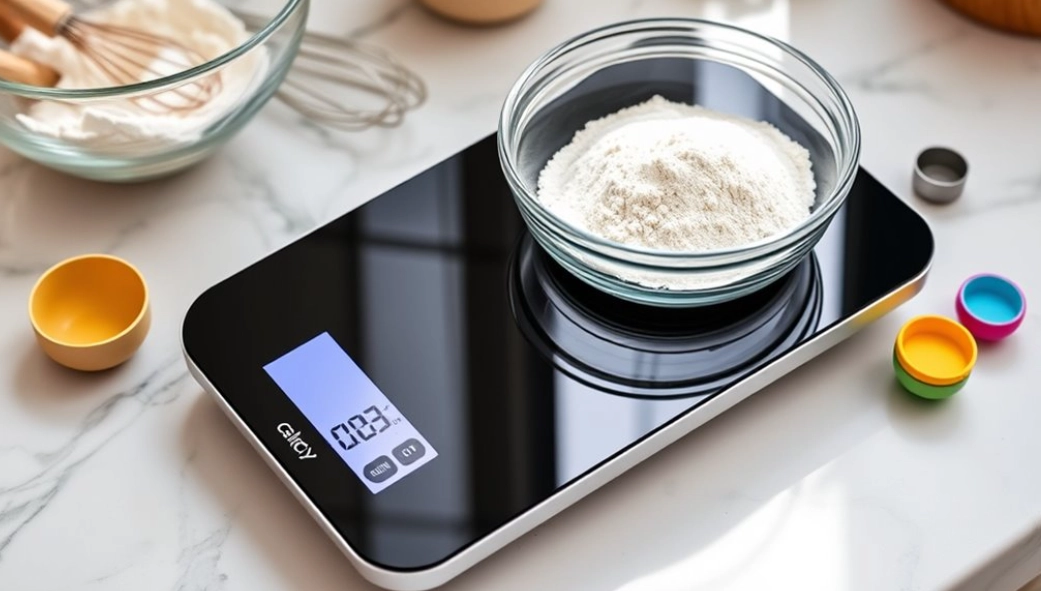
For cakes, especially sponge cakes, precision with eggs and flour is key. Weighing eggs (in shells) ensures you match the recipe's intended moisture. Many recipes assume large eggs weigh about 50 grams each. With a scale, you can use whatever eggs you have and adjust accordingly.
Real Baker Stories: When a Scale Saved the Day
Let me share a personal experience. A few years ago, I was baking a wedding cake for a friend. The recipe was complex, with multiple layers and a delicate buttercream. Halfway through, I realized I'd run out of a specific flour type and had to substitute. Without a scale, I would have been guessing the substitution ratios, risking a collapse. But with the scale, I weighed the new flour precisely, adjusted the liquid slightly based on weight differences, and the cake turned out flawless. The bride never knew about the near-disaster.
Another time, a fellow baker told me about her struggle with gluten-free baking. Gluten-free flours vary widely in density. She switched to weighing ingredients and saw an immediate improvement—her breads stopped being gritty and gained better structure. The scale provided the consistency that volume measuring couldn't.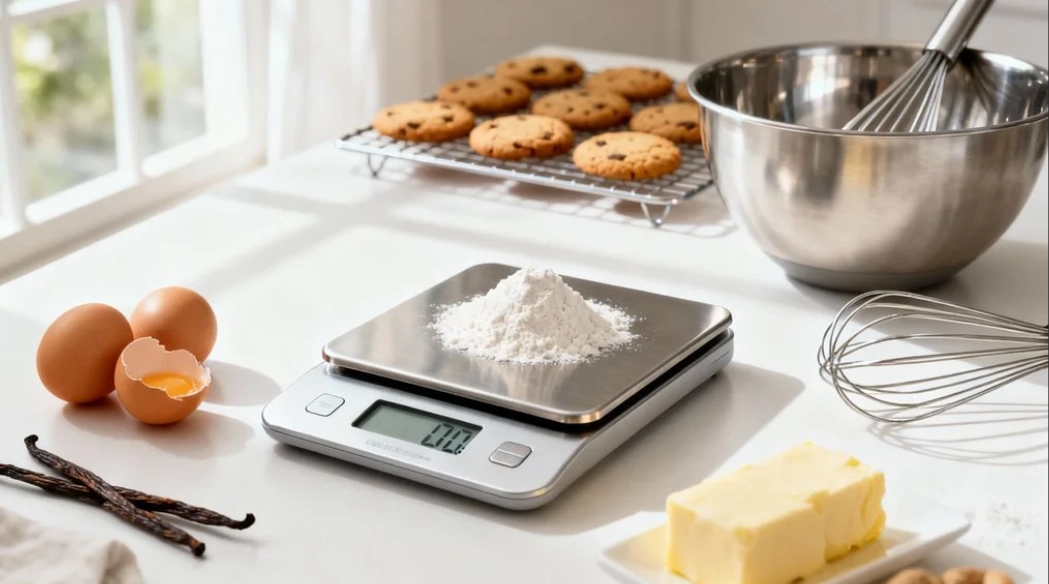
FAQ: Your Top Questions Answered
 Can I use a regular kitchen scale for baking, or do I need a special one?
Leave a Comment