You've mixed your buttercream, rolled your fondant, and prepared your colors. Then you hit the wall: the icing is too thick to pipe, the fondant is cracking, or your edible paint won't flow. The difference between a frustrating mess and a flawless finish often comes down to a few drops of the right liquid. So, what is the liquid that cake decorators use? The boring answer is "it depends." The real answer is a toolkit of specific fluids, each chosen for a precise task—thinning, bonding, coloring, or glazing—based on the medium you're working with and the result you need.
Let's be honest. Most tutorials just say "add water" or "use vodka," without explaining why. That's how you end up with runny icing or colors that bleed. After years of fixing my own (and students') mistakes, I've learned that choosing the right liquid isn't a minor detail; it's a core skill.
What You'll Learn Inside
The Liquid Toolkit: More Than Just Water
Think of your liquids as specialized tools, not a one-size-fits-all solution. Here's the breakdown of what's in a pro's kit and when it gets used.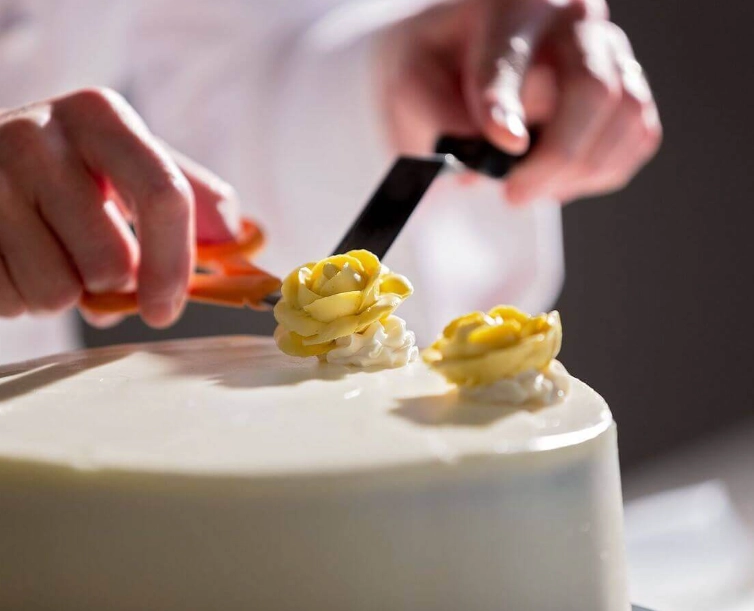
| Liquid | Best Used For | Key Property | Watch Out For |
|---|---|---|---|
| Water | Thinning royal icing, moistening gum paste, activating gel colors. | Universal, neutral taste. | Can make buttercream watery, causes colors to bleed if overused. |
| Clear Alcohol (Vodka, Everclear) | Edible paints, "gluing" fondant, thinning paints/dusts. | Evaporates completely, no taste, prevents stickiness. | Expensive. Not for thinning icing you plan to eat in quantity. |
| Lemon Juice / Clear Extracts | Thinning royal icing for piping. | Acid/alcohol breaks down proteins gently for smoother flow. | Can impart slight flavor. Add drop by drop. |
| Light Corn Syrup / Simple Syrup | Edible glue, glossy glazes, making poured fondant. | Sticky, dries semi-soft and shiny. | Attracts moisture and bugs. Can stay tacky in humidity. |
| Milk / Cream | Loosening American buttercream, blending colors into buttercream. | Adds creaminess, integrates well with dairy-based icing. | Shortens shelf life. Can curdle if icing is too acidic. |
| Vegetable Glycerin | Keeping fondant/gumpaste pliable, thinning dusts for paint. | Hygroscopic (retains moisture), non-alcoholic. | Too much prevents drying. Adds slight sweetness. |
| Flavoring Oils & Extracts | Adding flavor while adjusting consistency. | Kills two birds with one stone. | Some oils can break emulsions. Alcohol-based extracts thin icing. |
See? Water is just the start. The choice hinges on what you're trying to achieve and what's in your icing. A buttercream made with shortening behaves differently with added liquid than one made with pure butter.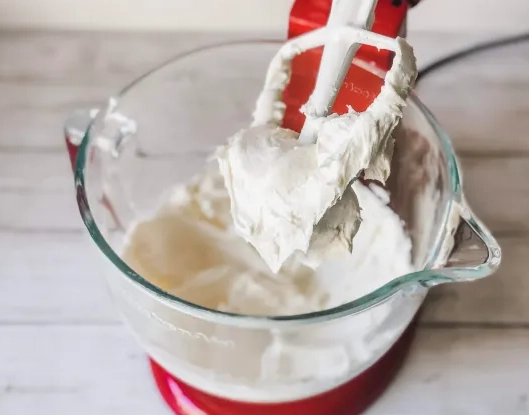
How Do You Use Each Liquid? (The Practical Guide)
Thinning Icing for Piping and Spreading
This is the big one. The goal is to achieve a specific "flow" without destabilizing the icing.
For Royal Icing: Never just pour water in. I keep a small spray bottle filled with water or, better yet, fresh lemon juice. After mixing to stiff peaks, I spritz the surface 2-3 times, then mix for a full minute. Repeat until I get the consistency I need—15-second icing for outlines, 5-second for flood work. The lemon juice's acidity gives a more stable, less bubbly flow than water alone. A drop of clear vanilla extract works too.
For Buttercream (American style): If your buttercream is crumbly, the issue is often under-mixing, not lack of liquid. Whip it for 3-5 more minutes on medium. If it's still dry, then add liquid. Milk or heavy cream is best—start with a teaspoon for a full batch. Water is a last resort; it can separate the fat and make the icing look curdled. For Swiss or Italian meringue buttercream, you almost never add liquid. If it's too thick, it's likely too cold. Warm the bowl slightly with a torch or your hands.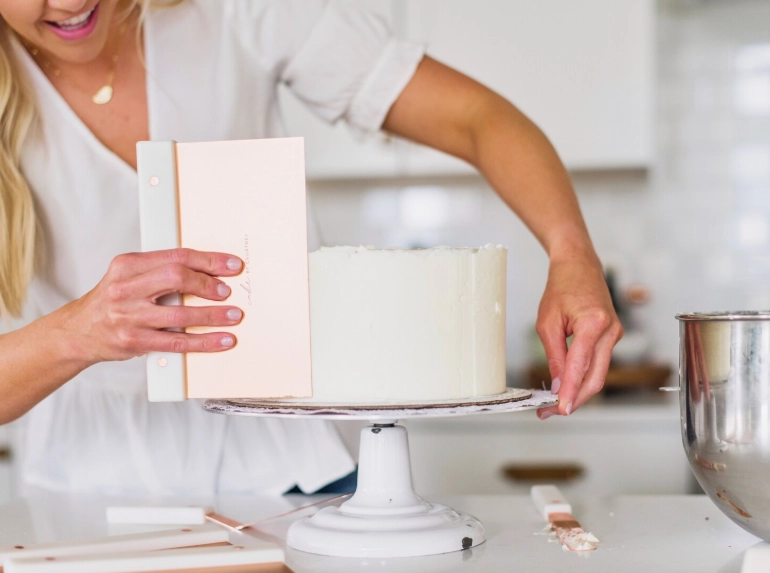
Creating Edible Paints and Colors
This is where alcohol becomes your best friend. Want to paint delicate flowers on fondant? Mix petal dust or gel color with a few drops of high-proof vodka or everclear. It goes on like watercolor, dries in seconds, and leaves no taste or sticky residue. Water will make the fondant sticky and can cause the color to bleed outside your lines.
For a more opaque, acrylic-like paint, use a paste-like medium. I sometimes mix gel color with a tiny bit of white gel icing or even corn syrup thinned with vodka. It gives great coverage for details.
The "Glue" for Assembling and Attaching
Attaching fondant decorations to a buttercream-coated cake? A tiny dab of water works if you're quick. But for a secure hold, especially on dry fondant, use a proper adhesive. I make a "fondant glue" by dissolving a small piece of fondant in a tiny amount of water until it's a thick paste. It dries clear and bonds like cement. For attaching sugar pieces to each other, pure clear alcohol acts as a solvent, melting the surfaces slightly so they fuse together.
Choosing the Right Liquid: A Decision Framework
Stop guessing. Ask yourself these questions:
- What is my base medium? (Buttercream, fondant, royal icing, gum paste?)
- What is my goal? (Thin it, color it, stick it, glaze it?)
- Does it need to dry hard or stay soft?
- Will the final product be eaten, or is it decorative?
- What's the humidity like?
Here's a simple flow I follow: Need to paint on fondant? -> Alcohol. Need to fix thick royal icing? -> Lemon juice/extract, then water. Need to attach a heavy fondant piece? -> Fondant glue or royal icing. Need to glaze a donut cake? -> Corn syrup thinned with water.
I once made a wedding cake in the middle of a humid summer. I used water to attach fondant ruffles, and by the time the reception started, they were sliding off. Now, in humidity, I use a dab of stiff royal icing as glue. It sets regardless of the air.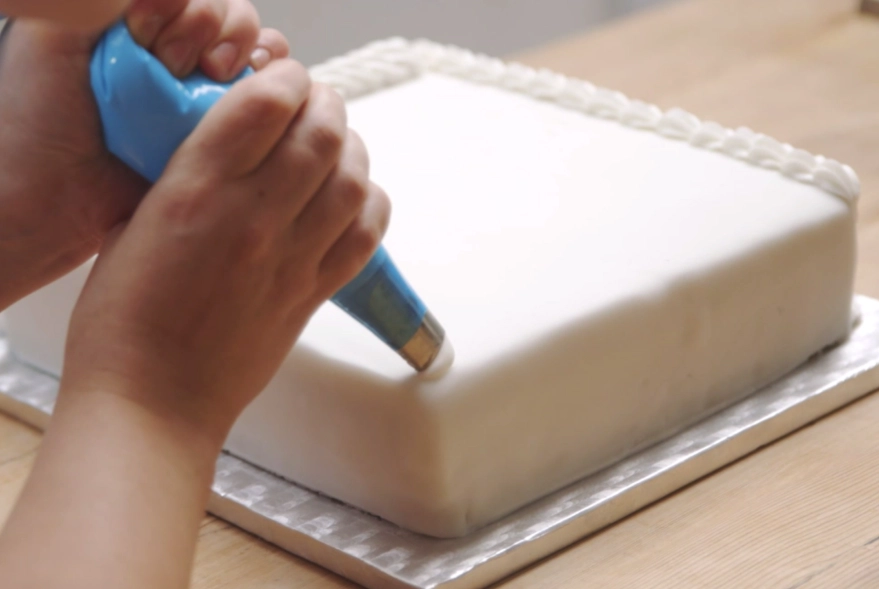
What Are Common Mistakes with Cake Decorating Liquids?
We've all been there. Here are the big ones to avoid:
1. The Water Avalanche: Adding water by the teaspoon instead of drop-by-drop. You can't take it out. Always use a pipette or a spray bottle for minute control.
2. Using the Wrong Alcohol: Rubbing alcohol (isopropyl) is ONLY for non-edible decorations (like the back of a fondant plaque). For anything that might be eaten, you must use food-grade alcohol like vodka. Authorities like the King Arthur Baking team stress this in their safety guidelines.
3. Ignoring Flavor Transfer: That beautiful pink paint made with raspberry extract might taste great, but not if it's on a vanilla bean cake. Use clear, neutral liquids unless the flavor is intentional.
4. Forgetting About Shelf Life: Adding fresh milk or cream to a cake that needs to sit out for days is asking for trouble. If you need longevity, use extracts, glycerin, or simple syrup.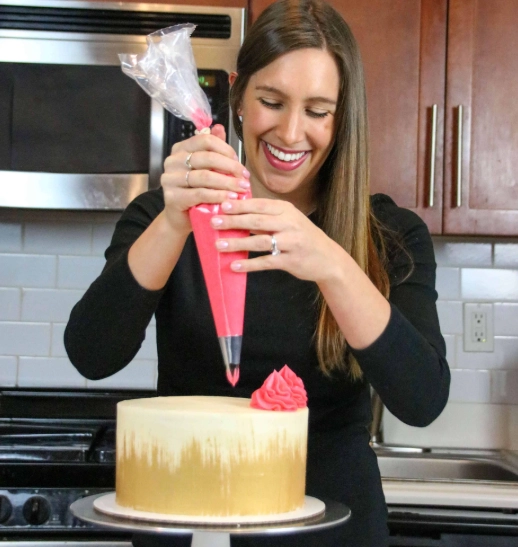
Your Liquid Questions, Answered
What is the best liquid to thin royal icing for piping?
For royal icing, start with a few drops of fresh lemon juice or clear extract like vanilla or almond. These acids and alcohols break down the protein structure of the egg whites or meringue powder more gently than water, giving you a smoother, more controlled flow without making the icing watery or losing its peak. Water should be a last-resort additive, added drop by drop.
Can I use milk instead of water for cake decorating?
You can, but it's a situational swap with drawbacks. Milk adds a slight creaminess and can help blend colors in buttercream. However, it drastically reduces shelf life due to spoilage and can make icings like royal icing or gum paste behave unpredictably. For anything that needs to dry hard or last more than a day, stick with water, alcohol, or extracts.
How much liquid should I add to buttercream to fix it?
This is where most decorators panic and add too much. The rule is microscopic increments. For a standard batch of American buttercream, start with 1/4 teaspoon of milk, cream, or a clear liquid flavoring. Mix for a full minute before assessing. The fat and sugar need time to re-emulsify. If it's still crumbly, add another 1/4 teaspoon. It often takes far less than you think to go from crumbly to soup.
Do I need special alcohol for edible paints?
Not special, but high-proof is key. You want 90%+ isopropyl alcohol (rubbing alcohol) for non-ingested decorations on things like fondant plaques. For paints that will be eaten, food-grade vodka or everclear (190 proof grain alcohol) is ideal because they evaporate completely, leaving no taste. Avoid low-proof alcohols like wine or beer; they add moisture and can cause colors to bleed.
The right liquid is your secret weapon. It's not an afterthought. It's the fine-tuning knob that turns good decorating into great decorating. Stock your kit with these essentials—water, vodka, lemon juice, corn syrup, glycerin—and learn their personalities. Your cakes will thank you.
Now, go fix that thick icing. Just remember: drop by drop.
Leave a Comment