In This Guide
- Why Bother? The Real Benefits of Baking with Your Little Ones
- Kitchen Safety 101: The Non-Negotiable Rules
- Gearing Up: Kid-Friendly Kitchen Tools That Actually Help
- Our Top Tried-and-True Baking Recipes for Kids (Sorted by Skill Level)
- The Sneaky Nutrition Angle: Making Treats a Bit Better
- Answering Your Big Questions About Baking Recipes for Kids
- Turning a Recipe into a Lasting Tradition
Let's be honest for a second. The idea of baking with kids can sometimes feel more stressful than relaxing. You picture flour clouds, eggshells in the batter, and a kitchen that looks like a tornado hit it. I've been there. My first attempt with my then four-year-old ended with more cookie dough on the floor than in the oven.
But here's the thing I learned after many messy afternoons: it's worth it. The mess cleans up. The pride on their face when they pull "their" creation out of the oven? That stays. Baking recipes for kids aren't just about the food. They're about measuring, following steps, patience, science, and that unbeatable feeling of making something with your own hands.
This guide is for every parent, grandparent, or caregiver who wants to turn the kitchen into a fun, safe, and creative space. We're going way beyond just listing a few simple baking recipes for kids. We're talking about how to set them up for success, keep them safe, pick the right projects for their age, and sneak in some learning without them even noticing. Forget perfection. We're aiming for fun, edible results, and maybe a few good memories along the way.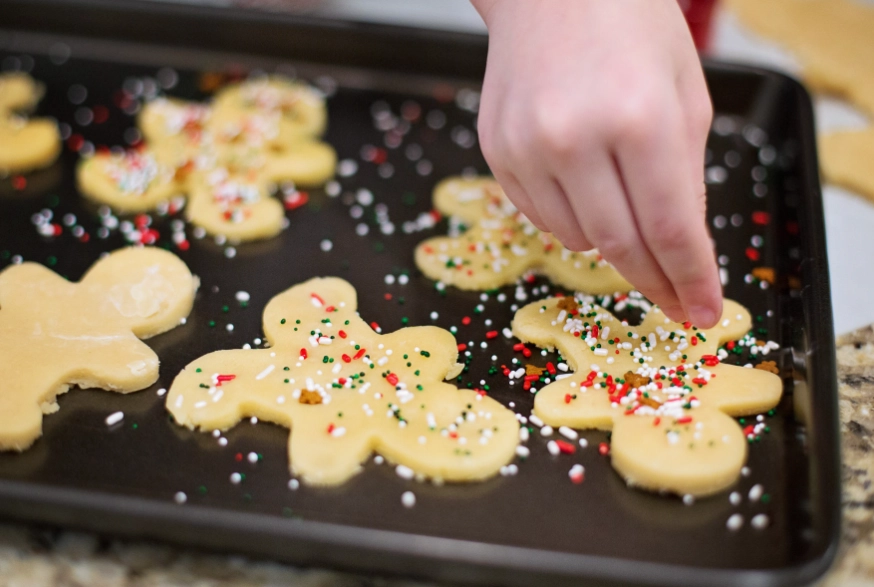
Why Bother? The Real Benefits of Baking with Your Little Ones
Before we dive into the flour bin, let's talk about the "why." Sure, you get a snack at the end. But the benefits of these baking sessions run much deeper.
It's a math lesson in disguise. Half a cup, a quarter teaspoon, doubling a recipe – that's fractions and multiplication happening in real time. It's science, too. Watching baking soda react with vinegar, or seeing liquids turn into solids in the heat of the oven, is a basic chemistry experiment they can eat.
Fine motor skills get a workout. Cracking eggs (gently!), sprinkling sprinkles, using cookie cutters, and spreading frosting all require coordination and control. Then there's reading and following instructions. For older kids, reading a recipe is a practical comprehension exercise.
But maybe the biggest benefit is the non-academic stuff. Confidence. Patience. The focus required to see a task through from start to finish. And the shared experience. In a world of screens, baking is a hands-on, collaborative activity where you're literally creating something together.
Kitchen Safety 101: The Non-Negotiable Rules
Alright, let's get practical. Safety is the absolute first ingredient in any successful baking recipes for kids session. You can't have fun if you're worried.
The rules need to be clear, simple, and repeated every single time. Here’s our family's non-negotiable list:
- Wash Hands, Always: This is rule number one. Germs don't belong in food. Make it a fun ritual at the start.
- Hot Stuff is Grown-Up Stuff: The oven, the stove, and hot trays coming out of the oven are strictly off-limits for little hands. I am the only one who operates the oven door. No exceptions.
- Sharp Things Have a Home: Knives, peelers, and graters are adult tools. For younger kids, we use plastic knives for spreading or safe crinkle-cutters for soft foods. As they get older and show responsibility, you can introduce real tools with direct, hand-over-hand supervision.
- Clean as You Go: This is as much for safety (preventing slips on spilled liquids) as it is for sanity. Give them a damp cloth and a small job like wiping the counter.
- The Stand-Back Rule for Mixers: If you're using a stand mixer or hand mixer, long hair must be tied back, and no loose sleeves. And little fingers must be kept well away from the moving beaters, even when it's off. I always unplug it before scraping down the sides.
A quick but serious note on raw ingredients: We've all licked the spoon. But it's important to know that raw flour and raw eggs can carry bacteria like E. coli and Salmonella. The Centers for Disease Control and Prevention (CDC) advises against tasting or eating raw dough or batter. It's a hard rule in our house. The compromise? We reserve a small bit of plain dough (no eggs) for tasting, or we just promise that the baked version will be worth the wait.
Gearing Up: Kid-Friendly Kitchen Tools That Actually Help
You don't need a kitchen full of specialty gadgets. But a few strategic tools can make the process smoother and more successful for small hands.
Start with a stable stepping stool. If they can't reach the counter comfortably, they'll be frustrated and you'll be sore from holding them up. A good, wide-based stool is a game-changer.
For measuring, look for clear, easy-to-read cups and spoons. I found some that have the measurements in bright colors, which helped when my kids were learning. Small, lightweight mixing bowls that don't slide are great – silicone-bottomed bowls are perfect.
Instead of a sharp paring knife, consider nylon kitchen knives. They can cut through bananas, soft cheeses, and cooled baked goods but are very unlikely to cut skin. For mixing, small silicone spatulas and whisks are easier for them to grip than large, heavy adult versions.
My personal favorite hack? Sheet pan with a silicone baking mat. The mat prevents sticking (so cookies slide right off) and makes cleanup literally a snap. No more scraping burnt bits off the pan.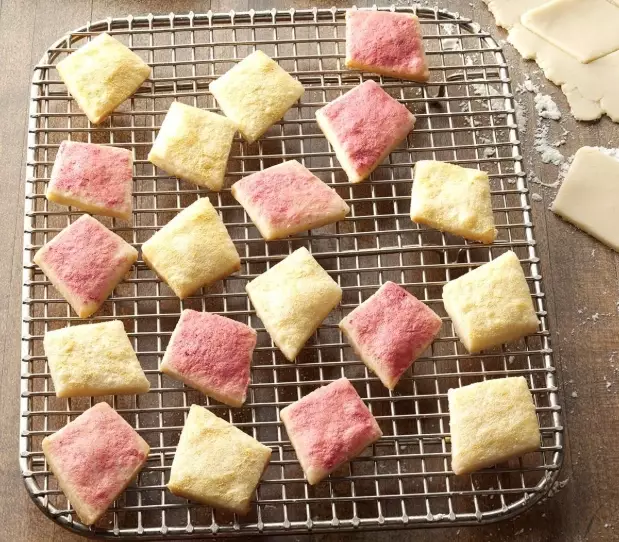
Our Top Tried-and-True Baking Recipes for Kids (Sorted by Skill Level)
Not all baking recipes for kids are created equal. You want to match the recipe to the child's age, attention span, and motor skills. Starting too complex is a recipe for frustration. Here’s a breakdown of our family favorites.
Beginner Level (Ages 3-5, with very close help)
At this stage, it's all about simple actions and instant(ish) gratification. The tasks need to be clear and the waiting time minimal.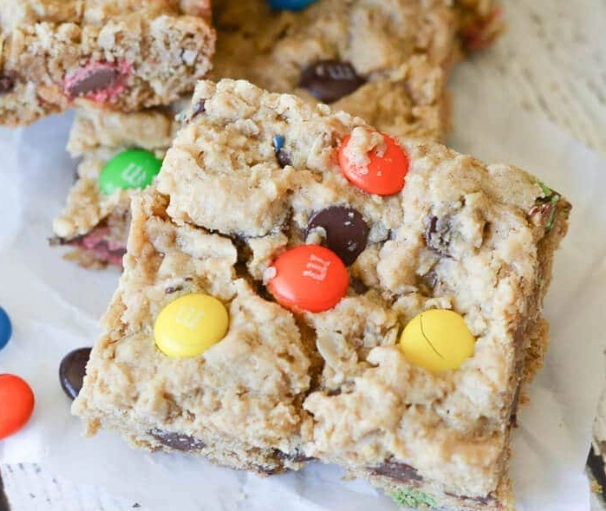
No-Bake Energy Bites: This is the ultimate starter recipe. No oven, minimal mess, and they get to roll balls with their hands. Mix oats, nut butter (or sun butter for allergies), a bit of honey, and mix-ins like mini chocolate chips or raisins. Let them scoop and roll. It's tactile, fun, and they can eat one right away.
Mug Cakes in a Minute: The microwave is your friend. A simple recipe with flour, sugar, cocoa powder, milk, and oil mixed right in the mug. They can stir, you handle the microwave, and they have a warm cake in 60 seconds. The portion is perfect, and the satisfaction is immediate.
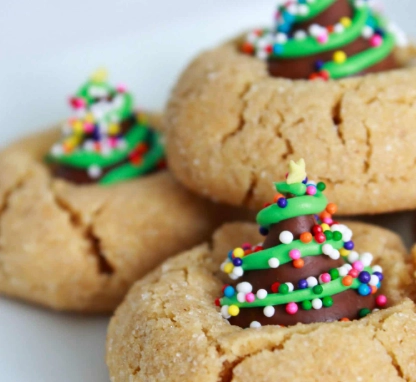
Decorator's Delight: Pre-made Sugar Cookies: Sometimes, you just want to focus on the fun part. Buy a roll of refrigerated sugar cookie dough. Let them help slice it (with a plastic knife), you bake, and then provide bowls of frosting, sprinkles, and candies for decorating. Zero stress about the dough, all the creativity.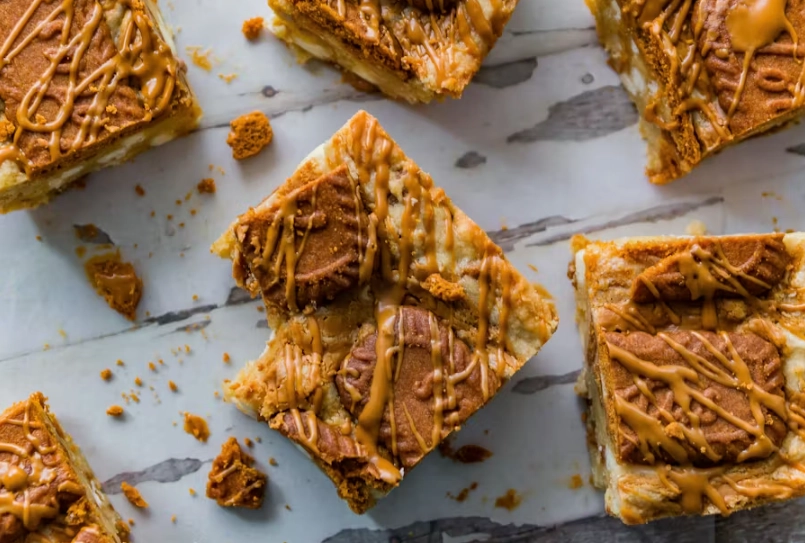
Intermediate Level (Ages 5-8, with guidance)
Now they can handle more steps, real measuring, and a bit more patience. These baking recipes for kids introduce foundational techniques.
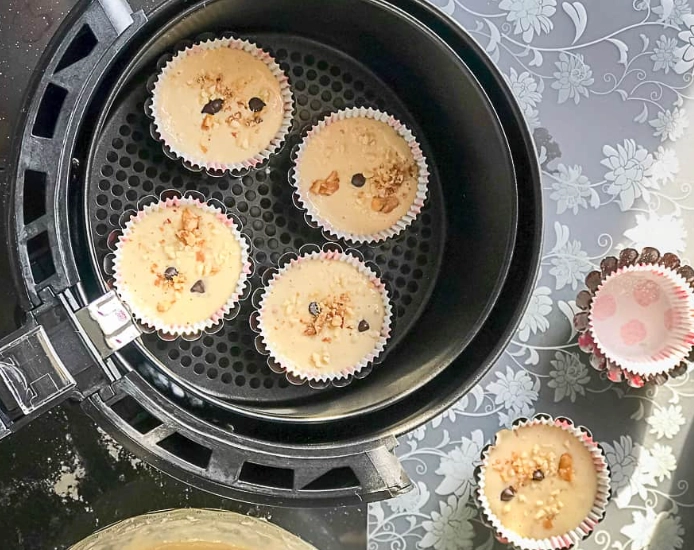
One-Bowl Muffins: Banana, blueberry, or chocolate chip. The beauty of muffin recipes is that you often mix the wet and dry ingredients separately, then combine. They can mash bananas, crack eggs (into a separate small bowl first, so you can fish out shells!), and fold in berries. The King Arthur Baking company has fantastic, reliable base recipes that are easy to follow.
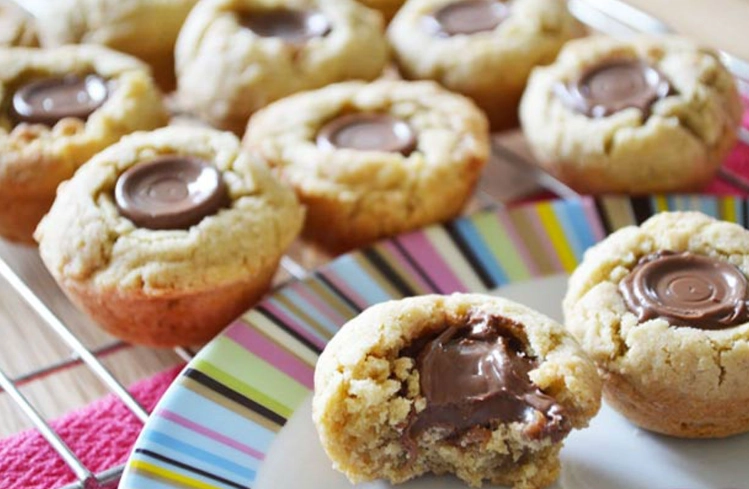
Simple Drop Cookies: Chocolate chip or oatmeal raisin. This teaches creaming butter and sugar (a great arm workout!), and the concept of dropping uniform spoonfuls onto a tray. The dough is forgiving, and the results are classic.
Personal Pizzas on English Muffins or Pita: Okay, it's not sweet baking, but the principles are the same. They get to assemble, spread sauce, sprinkle cheese, and add toppings. It's a fantastic intro to the concept of following a recipe for a full meal.
Advanced Beginner (Ages 8+, more independence)
They're reading the recipe now, managing multiple steps, and can handle more precision. You become more of a consultant than a hands-on guide.
Homemade Bread or Soft Pretzels: Kneading dough is therapeutic and teaches how ingredients transform. A simple white bread or soft pretzel recipe from scratch is incredibly rewarding. They can see the yeast activate, feel the dough change texture, and shape their own creations.
Layer Cakes or Cupcakes: This is a project. Baking the cakes, making a simple buttercream frosting, and assembling. It teaches timing, patience, and the art of decoration. Let them choose the colors for the frosting.
Fruit Galette or Hand Pies: Easier than a full double-crust pie. They roll out store-bought pie dough, spoon in a fruit filling (berries with a little sugar and cornstarch), and fold the edges over. Rustic, beautiful, and less fussy than a pie.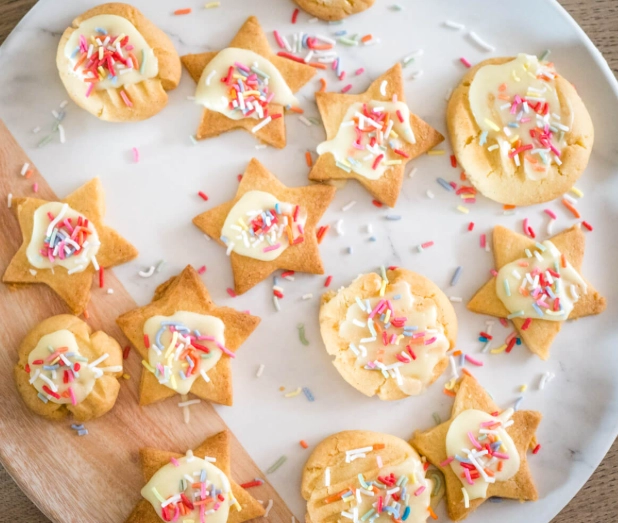
Here’s a quick table to help you choose the right project based on your time and goals:
| Recipe Idea | Best For Age | Key Skills Practiced | Active Time | Cleanup Level |
|---|---|---|---|---|
| No-Bake Energy Bites | 3+ | Mixing, rolling, measuring | 15 mins | Low |
| Mug Cake | 4+ | Stirring, measuring, microwave safety | 5 mins | Very Low |
| Decorator Cookies | 3+ | Creativity, fine motor (sprinkling) | 20 mins decor | Medium |
| One-Bowl Muffins | 5+ | Cracking eggs, mashing, folding, measuring | 25 mins | Medium |
| Drop Cookies | 6+ | Creaming, scooping, timing | 30 mins | Medium |
| Homemade Bread | 8+ | Kneading, patience, yeast science | 60+ mins (with rises) | High |
| Fruit Galette | 8+ | Rolling dough, making filling, presentation | 40 mins | Medium |
The Sneaky Nutrition Angle: Making Treats a Bit Better
Let's be real. Baking is often about treats. But that doesn't mean we can't make smart swaps. I'm not about creating "health food" disguised as cake, but a few tweaks can add nutrients without sacrificing taste.
I often substitute half the all-purpose flour in muffins or quick breads with whole wheat flour or oat flour. It adds fiber and a nutty flavor. Mashed banana or unsweetened applesauce can replace some of the oil or butter in certain recipes, adding moisture and natural sweetness.
For sweeteners, sometimes I'll use honey or maple syrup instead of refined white sugar, but you have to be careful as they are liquid and can change the texture. The USDA's MyPlate guidelines are a good reminder to balance treats with all food groups, so we often pair our baking session with a discussion about what makes a balanced meal.
Dark chocolate chips have less sugar than milk chocolate. Adding nuts or seeds (if no allergies) adds crunch and healthy fats. Zucchini or carrots shredded into breads or muffins is a classic for a reason – you barely taste them.
My go-to swap: In chocolate-based baking recipes for kids, I'll sometimes replace up to a quarter of the flour with black bean puree (yes, really!). It sounds weird, but in brownies, it creates an incredibly fudgy texture and adds protein and fiber. Start with a trusted recipe designed for this swap to avoid disappointment.
Answering Your Big Questions About Baking Recipes for Kids
Turning a Recipe into a Lasting Tradition
This is where simple baking recipes for kids become something more. It's about the routine, the little rituals you create.
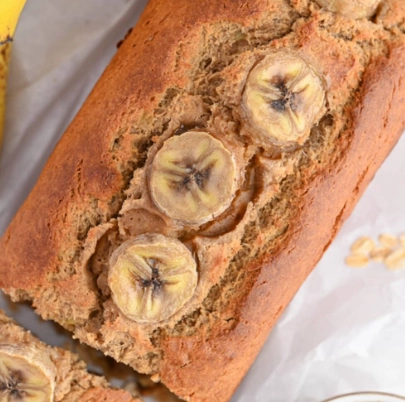
Maybe you always bake banana bread on rainy Sundays. Or make the same shaped cookies for every holiday. Let them have a special notebook to paste or write down their favorite recipes. Take pictures of them covered in flour, holding their lopsided cake. Those photos are gold.
The goal isn't to create a future pastry chef (though that's fine too!). The goal is to create a space for connection, for trying, for making mistakes, and for enjoying the simple, delicious results of time spent together.
So pick a recipe that looks doable. Take a deep breath. And get ready for some mess, some laughter, and hopefully, something tasty to share. The best baking recipes for kids are the ones you actually try.
Now, who's ready to preheat the oven?

Leave a Comment