You want to celebrate. A birthday, an anniversary, just making it through Wednesday. The thought of cake pops into your head, and then just as quickly, the reality hits: eggs, dairy, wheat, nuts. Someone you love – maybe it's you – can't have the traditional version. That familiar feeling of disappointment and exclusion starts to creep in. I've been there, both as a baker and as someone hosting friends with severe allergies. The good news? The world of allergy-friendly cakes has exploded. You're not limited to a sad, dry rice cake with frosting. We're talking about moist, flavorful, celebratory desserts that are completely safe. Let's ditch the worry and find your perfect slice.
Your Quick Guide to Safe Sweets
Understanding Your Allergy: The First Step to a Safe Alternative
Throwing around terms like "allergy-friendly" is useless if we don't get specific. A cake alternative for a dairy allergy looks nothing like one for a wheat allergy. The U.S. Food and Drug Administration (FDA) labels nine major food allergens: milk, eggs, fish, shellfish, tree nuts, peanuts, wheat, soybeans, and sesame. For cakes, the big four are usually eggs, dairy (milk), wheat (gluten), and tree nuts/peanuts.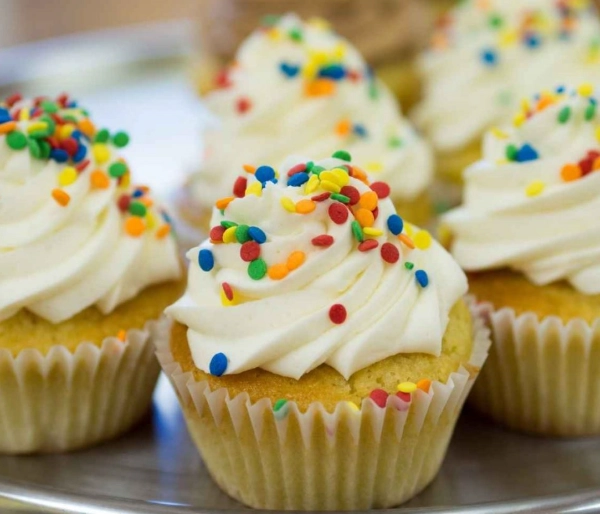
Here’s the critical point most beginners miss: you must identify if it's an allergy (immune system reaction, can be life-threatening) or an intolerance (digestive system issue, like lactose intolerance). The strategies can overlap, but the stakes are different. For a true allergy, cross-contamination is a major concern. That "may contain" warning on a bag of oat flour? It's not marketing fluff.
My advice after years in this space? Start with a single allergy. Trying to tackle egg-free, dairy-free, and gluten-free all at once in one recipe is a recipe for frustration. Master one substitution at a time.
Top Allergy-Friendly Cake Alternatives: A Detailed Guide
Let's break this down by the allergen you need to avoid. I'm giving you the specific swaps that work, not just vague ideas.
Egg-Free Cakes
Eggs provide structure, moisture, and leavening. Replicating all three functions is the trick. Commercial egg replacers (like Ener-G) work okay in a pinch, but for flavor and texture, I prefer whole-food options.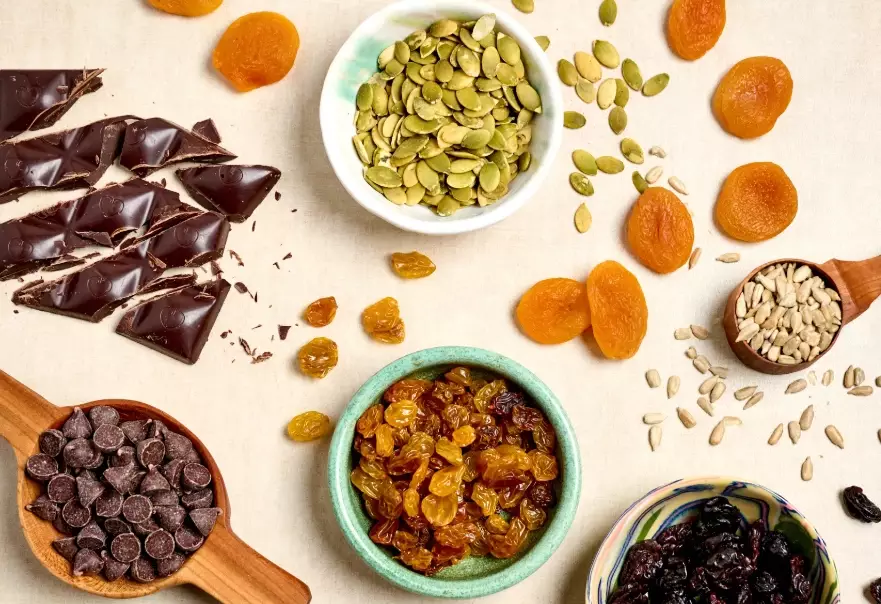
Pro Tip: The best egg substitute depends on the cake's density. For a light vanilla cake, carbonated water or aquafaba works. For a dense chocolate or carrot cake, applesauce or pumpkin puree is superior because it adds moisture and sweetness.
My go-to list:
- Flax or Chia "Egg": 1 tbsp ground seed + 3 tbsp water. Gelatinous, great for binding. Gives a slight nutty flavor, perfect for whole-grain cakes.
- Aquafaba: The liquid from a can of chickpeas. 3 tbsp = 1 egg white. Whips up like magic for meringues or to add air to batters. A game-changer for angel food cake alternatives.
- Silken Tofu: 1/4 cup blended silken tofu = 1 egg. Adds incredible moisture and protein, making the cake dense and fudgy. Ideal for cheesecake alternatives.
- Applesauce or Mashed Banana: 1/4 cup = 1 egg. Adds sweetness and moisture. Will make the cake denser, so often paired with a bit more baking powder.
Dairy-Free Cakes
This is arguably the easiest swap. The variety of plant-based milks, yogurts, and fats available now is staggering.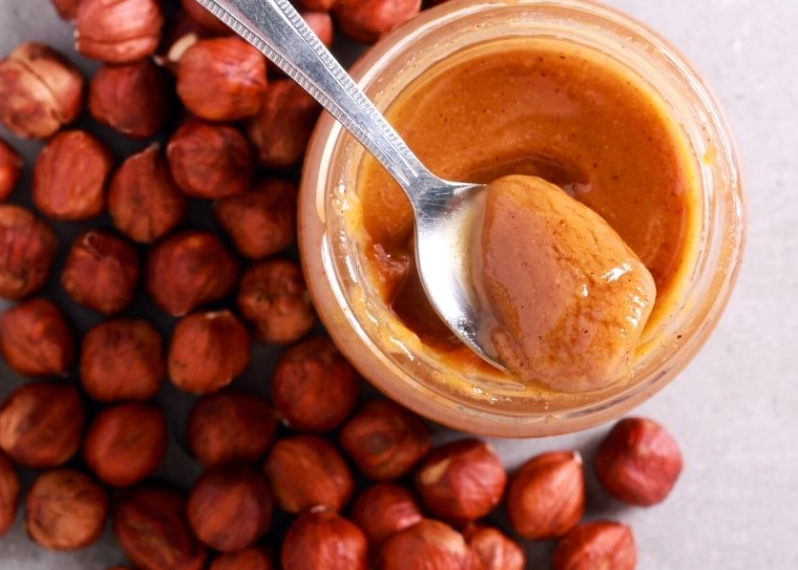
- Milk: Any unsweetened plant milk works. Oat milk is my favorite for its neutral flavor and creamy fat content. Soy milk and almond milk are classics. For a richer taste, try canned coconut milk.
- Butter: For baking, refined coconut oil (no coconut taste) or a high-quality vegan butter stick (like Miyoko's or Earth Balance) works 1:1. Don't use margarine from a tub; the water content is wrong.
- Buttermilk: Add 1 tbsp lemon juice or vinegar to 1 cup of your plant milk. Let it sit for 5 minutes until it curdles.
- Heavy Cream/Yogurt: Canned coconut cream or plain, unsweetened soy or coconut yogurt are perfect substitutes in recipes calling for sour cream or yogurt.
Wheat/Gluten-Free Cakes
Gluten gives cake its structure. Without it, you need a blend of flours to mimic its properties. Do not just swap regular flour 1:1 with a single gluten-free flour like almond or rice flour. You'll get a crumbly, gritty mess.
You have two paths:
Path 1: Use a Pre-Mixed Gluten-Free Flour Blend. This is the easiest for beginners. Look for blends that contain a starch (like tapioca or potato) and a binder (like xanthan or guar gum). Brands like King Arthur Flour Gluten-Free Measure for Measure or Bob's Red Mill 1-to-1 Baking Flour are formulated to replace wheat flour cup-for-cup in most recipes.
Path 2: Make Your Own Blend. This gives you control. A simple starter blend is 40% rice flour (white or brown), 30% sorghum or oat flour, 20% starch (tapioca or corn), and 10% protein-rich flour (like millet or buckwheat). Add 1 tsp xanthan gum per cup of flour for structure.
Nut-Free Cakes
This is often about vigilance with ingredients and cross-contamination. Avoid almond flour, almond milk, and nut oils. Safe alternatives include:
- Seed Flours: Sunflower seed flour or pumpkin seed flour can work in some recipes, though they have strong flavors.
- Grain Flours: Oat flour (ensure it's certified gluten-free if needed), sorghum flour, rice flour.
- Milk: Use oat, soy, rice, or pea milk instead of almond or cashew milk.
| Allergen to Avoid | Best Direct Ingredient Swaps | Recipe Style They Excel In |
|---|---|---|
| Eggs | Flax "egg", Aquafaba, Silken Tofu | Dense brownies, moist carrot cake, fluffy vanilla cake (aquafaba) |
| Dairy (Milk/Butter) | Oat milk, Refined Coconut Oil, Vegan Butter | Virtually any cake; buttercreams (with vegan butter) |
| Wheat/Gluten | Pre-mixed GF Flour Blend, DIY Flour Mix | All cakes; blends work best for traditional textures |
| Tree Nuts | Oat flour, Sunflower seed butter, Soy milk | Cookies & bars, simple loaf cakes |
How to Choose the Right Cake Alternative for Your Needs
You're not just picking an ingredient. You're matching a solution to a situation.
Scenario 1: The Last-Minute Celebration. You need a cake tonight. Buy don't bake. More and more bakeries offer allergy-friendly options. Call ahead. Whole Foods and similar grocery stores often carry brands like Enjoy Life Foods (free of top 14 allergens) or Katz Gluten Free in their frozen section. Another hack? Look for naturally allergy-friendly desserts. A flourless chocolate torte (just chocolate, sugar, fat, sometimes eggs) is often gluten-free. A sorbet is dairy-free.
Scenario 2: The Special Homemade Touch. You have a weekend to bake. This is where you can shine. Find a recipe designed from the ground up to be free of your specific allergen. Don't try to convert your great-grandma's wheat-and-dairy-laden pound cake. Start with a trusted source. Websites like Minimalist Baker (famous for simple, often allergy-friendly recipes) or King Arthur Baking's allergy-friendly section are goldmines. Their recipes are tested with the substitutes in mind.
Scenario 3: Multiple Allergies. This is complex but doable. Your best bet is to search for recipes that are "vegan" (no eggs/dairy) and "gluten-free" already. The recipe developer has already balanced the chemistry. Trying to make a recipe egg-free, dairy-free, AND gluten-free through your own substitutions is advanced-level baking.
Baking Your Own Allergy-Friendly Cake: A Step-by-Step Guide
Let's walk through making a simple, crowd-pleasing chocolate cake that's dairy-free and egg-free. I use this as my base for birthdays.
Ingredients:
- 1 ½ cups all-purpose flour (or gluten-free 1-to-1 blend)
- 1 cup granulated sugar
- ¼ cup cocoa powder
- 1 tsp baking soda
- ½ tsp salt
- 1 cup strong brewed coffee, cooled (enhances chocolate flavor, don't worry, you won't taste coffee)
- ⅓ cup vegetable oil
- 1 tbsp white vinegar
- 1 tsp vanilla extract
The Method (It's shockingly easy):
- Preheat your oven to 350°F (175°C). Grease an 8-inch round pan.
- In a large bowl, whisk the dry ingredients (flour, sugar, cocoa, baking soda, salt). Make a well in the center.
- Pour the wet ingredients (coffee, oil, vinegar, vanilla) directly into the well. Whisk until just combined. The batter will be thin and will bubble slightly from the vinegar reacting with the baking soda. That's good.
- Pour into the pan. Bake for 30-35 minutes until a toothpick comes out clean.
- Let it cool completely before frosting with a simple dairy-free chocolate ganache (heat ½ cup oat milk, pour over 1 cup dairy-free chocolate chips, stir until smooth).
This recipe works because the vinegar and baking soda create the rise, and the oil and coffee provide intense moisture. No eggs, no dairy, no problem.
FAQs: Answering Your Top Questions About Cake Alternatives
Can I use store-bought gluten-free flour as a direct 1:1 substitute for regular flour in any cake recipe?
Maybe, but not always. It depends on the blend. Blends specifically labeled "1-to-1" or "Measure for Measure" (which include binders like xanthan gum) are designed for this purpose and work well in most butter- or oil-based cakes. However, in delicate recipes like sponge cakes that rely heavily on gluten's structure, even these blends can stumble. You'll get better results starting with a recipe written for gluten-free flour.
My egg-free cake always turns out gummy in the middle. What am I doing wrong?
Overmixing and underbaking are the usual culprits, but with egg substitutes, there's another factor: too much of a good thing. If you're using a moist replacer like applesauce or banana, you might need to slightly increase the baking time by 5-10 minutes and ensure your oven temperature is accurate with an oven thermometer. These replacers add more liquid weight. Also, let the cake cool completely in the pan before trying to cut it; it's still setting as it cools.
Are allergy-friendly cakes more expensive to make?
Initially, yes. A bag of gluten-free flour blend or a carton of specialty vegan butter costs more than their conventional counterparts. However, the whole-food substitutes can be budget-friendly. A flax "egg" costs pennies. A carton of oat milk is comparable to cow's milk. Over time, buying staples like various flours and starches in bulk saves money. The real value isn't just monetary—it's the ability to share a safe, joyful dessert with someone who would otherwise have to skip it.
How can I ensure a bakery cake is truly safe for a severe nut allergy?
A phone call is not enough. You need a direct conversation with the head baker or manager. Ask specific, pointed questions: "Do you have a dedicated nut-free facility? If not, do you have separate equipment, utensils, and prep areas for nut-free orders? Do you schedule nut-free baking at the start of the day before any nut products are handled?" Listen for their knowledge of cross-contact procedures. Many dedicated gluten-free or vegan bakeries also cater to nut allergies because their processes are already strict. If they sound vague or hesitant, walk away.
What's the biggest mistake people make when first baking allergy-friendly cakes?
Expecting an identical replica. An egg-free, gluten-free chocolate cake is a different food product than a traditional chocolate cake. It can be equally delicious, moist, and celebratory—but it will have its own texture and crumb. Embrace it as its own thing. The goal isn't a perfect clone that fools everyone; the goal is a delicious dessert that doesn't cause a reaction and makes the person eating it feel cherished and included. Judge it on its own delicious merits.
Leave a Comment