Let's be honest. The idea of making doughnuts from scratch often gets shelved because of one ingredient: yeast. It needs proofing time, warmth, and a bit of luck. What if I told you the best, fluffiest doughnuts I've made in my ten years of baking came from a recipe with no yeast at all? This easy doughnut recipe without yeast is your ticket to fresh, warm, sugar-dusted goodness in under an hour, start to finish. No waiting, no fuss, just irresistible results.
What's Inside This Guide
Why Choose a No-Yeast Doughnut Recipe?
Speed is the obvious answer. From mixing bowl to your mouth in about 45 minutes. But there's more. A well-made no-yeast doughnut, leavened with baking powder, has a distinct, tender crumb that's slightly denser than a yeast-raised one, but in a satisfying, cake-like way. It's the texture of a classic old-fashioned doughnut.
I prefer it for spontaneous cravings. Yeast doughnuts are a project. This recipe is a solution. You also bypass the common yeast pitfalls: inactive yeast due to old stock or liquid that's too hot, under or over-proofing, and the deflating feeling when your dough doesn't rise.
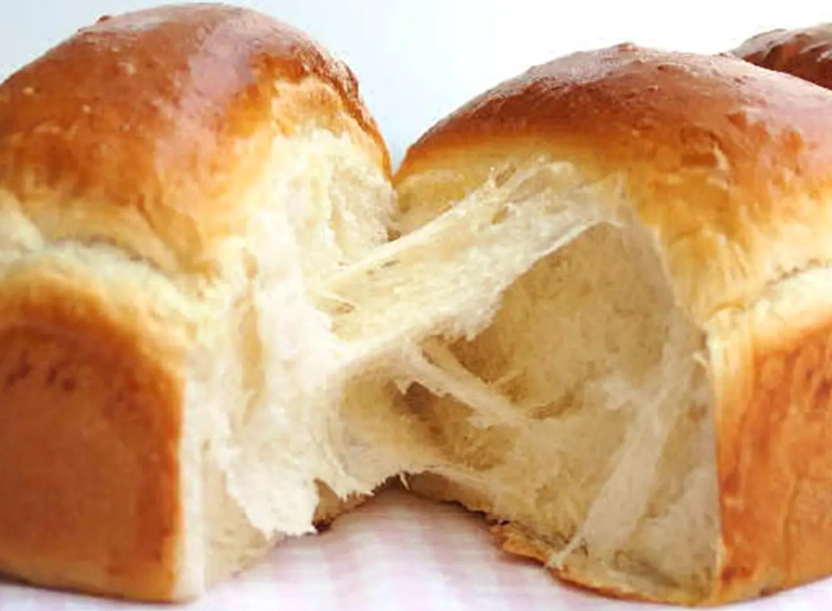
The trade-off? You won't get the ultra-airy, stretchy interior of a traditional glazed doughnut from a shop. But what you get is a reliably delicious, homemade treat that's incredibly accessible.
Essential Ingredients for No-Yeast Doughnuts
You likely have everything in your pantry right now. Here’s what you need and why each matters.
The Dry Team
All-purpose flour: The backbone. I don't recommend cake flour here; you need the structure. For a slightly chewier result, swap 1/4 cup with bread flour.
Baking powder: This is your yeast substitute. It's the chemical leavener that creates the bubbles and lift. Make sure it's fresh. Test it by sprinkling a bit in hot water—if it fizzes vigorously, you're good.
Salt, sugar, nutmeg: Salt balances sweetness. Granulated sugar sweetens the dough itself. A pinch of nutmeg is the secret whisper of flavor that makes them taste authentically "doughnutty." Don't skip it.
The Wet Team
Buttermilk: The MVP. Its acidity reacts with the baking powder for extra lift and creates an incredibly tender crumb. No buttermilk? Make a quick substitute: for every cup of milk, add 1 tablespoon of lemon juice or white vinegar, stir, and let sit for 5 minutes.
Egg & melted butter: The egg adds richness and structure. Melted butter (cooled slightly) gives flavor and softness. Using oil works, but butter tastes better.
Vanilla extract: For aroma. Use the real stuff.
Pro Tip from a Kitchen Mistake: I once used "double-acting" baking powder and wondered why my doughnuts tasted slightly bitter. That type can leave a metallic aftertaste in large quantities. For this recipe, standard single-acting baking powder is perfect. If you only have double-acting, use the exact amount called for and don't over-mix.
Step-by-Step: How to Make Easy No-Yeast Doughnuts
Follow these steps closely. The method is simple, but technique matters.
1. Mixing the Dough (The Gentle Approach)
Whisk all your dry ingredients in a large bowl. In another, whisk the wet ingredients—buttermilk, egg, melted butter, vanilla—until just combined. Here's the key: pour the wet mix into the dry. Use a spatula or wooden spoon to fold them together until a shaggy dough forms. It will be sticky.
Stop mixing the second no dry flour patches remain. Overworking develops gluten, leading to tough doughnuts.
2. Shaping Without Stress
Turn the dough onto a very well-floured surface. Dust the top of the dough generously too. Gently pat it out to about 1/2-inch thickness. Don't use a rolling pin aggressively; you're pressing, not rolling.
Use a doughnut cutter or two round cutters (a 3-inch and a 1-inch for the hole). Dip the cutter in flour between each cut. Re-roll the scraps once, but know those doughnuts will be a bit denser. It's okay.
3. Frying for Perfection
Use a heavy-bottomed pot (like a Dutch oven) and fill it with 2-3 inches of neutral oil (vegetable, canola, peanut). Attach a candy thermometer. Heat to 350°F (175°C). This temperature is non-negotiable. Too hot, they brown outside but stay raw inside. Too cool, they soak up oil and become greasy.
Fry 2-3 doughnuts at a time, don't crowd the pot. They should sink slightly then float. Fry for about 60 seconds per side until deep golden brown. Use a slotted spoon or spider to transfer them to a wire rack set over a baking sheet. Let them drain for a minute before glazing.
The holes fry in about 30 seconds total. Consider them the cook's treat.
Beyond Sugar: Glaze & Topping Ideas
While a simple toss in cinnamon-sugar is heavenly, here are three glazes that set these apart.
Classic Vanilla Glaze: Whisk 1 1/2 cups powdered sugar, 3-4 tablespoons milk or cream, and 1 tsp vanilla until smooth. Dip the warm doughnut tops. The glaze will set slightly.
Rich Chocolate Glaze: Melt 1/2 cup semi-sweet chocolate chips with 2 tbsp butter. Whisk in 1 cup powdered sugar and 2-3 tbsp hot water until silky.
Cinnamon Sugar Coating: Mix 1 cup sugar with 1-2 tbsp cinnamon. While doughnuts are still hot (but not dripping oil), toss them in the mix. The heat helps the sugar adhere.
For a next-level move, fill some. Once cool, use a piping bag with a long tip to inject them with raspberry jam, vanilla pastry cream, or Nutella.
Your No-Yeast Doughnut Questions Answered
My dough is too sticky to handle, even with floured hands. What went wrong?
You probably measured the flour incorrectly or added a touch too much liquid. Spoon the flour into your measuring cup and level it off; don't scoop directly from the bag. The dough is meant to be soft, but if it's unworkable, sprinkle on a tablespoon of flour at a time and gently fold it in until it's just manageable. Don't aim for a dry dough.
Can I bake these instead of frying for a healthier version?
You can, but they become muffin tops in the shape of a doughnut. The texture is completely different—cakey all the way through without the distinctive fried crust. If you must bake, grease a doughnut pan, pipe the batter in, and bake at 350°F for 10-12 minutes. They're nice, but they're not doughnuts in the traditional sense.
Why are my doughnuts raw in the middle but perfectly brown outside?
Your oil is too hot. The exterior cooks and browns before the heat can penetrate and cook the center. Next time, let the oil temperature recover to a steady 350°F between batches, and consider making your dough just a touch thinner before cutting.
How do I store leftover no-yeast doughnuts, and do they reheat well?
Store them in a single layer in an airtight container at room temperature for 1-2 days. They stale faster than yeast doughnuts. To reheat, 10 seconds in the microwave softens them, or a quick 5-minute warm-up in a 300°F oven can revive a bit of crispness. They're best eaten the day they're made, though.
Can I use an air fryer for this easy doughnut recipe without yeast?
Yes, with adjustments. Brush the shaped doughnuts lightly with oil or melted butter. Air fry at 350°F for 5-7 minutes, flipping halfway. They won't get as uniformly golden or have the same exact fried texture, but they'll be cooked through and much lighter. You'll miss the classic fried flavor, but it's a decent compromise for a quicker clean-up.


Leave a Comment