Baking for someone with a nut allergy isn't just a dietary preference—it's a critical safety issue. A tiny speck of peanut or tree nut protein can trigger a severe, even life-threatening reaction. I learned this the hard way years ago when a well-intentioned batch of cookies sent a friend to the emergency room. I'd used a "washed" bowl that had previously held almond flour. That mistake changed my entire approach to baking. True safety goes far beyond skipping the walnuts in your banana bread. It demands a military-style clean-down of your kitchen, a forensic examination of every ingredient label, and a mindset shift from "nut-free recipe" to "allergen-free process." This guide will walk you through every step, from scrubbing your counters to choosing foolproof recipes, so you can bake with confidence and keep your loved ones safe.
Your Safe Baking Roadmap
- Understanding the Real Risk: It's Not Just Peanuts
- Step 1: The Kitchen Deep Clean (The Most Skipped Step)
- Step 2: The Ingredient Investigation
- Nut-Free Flour & Flavor Swaps That Actually Work
- Choosing and Adapting Truly Safe Recipes
- The Final Hurdles: Serving, Storing, and Communication
- Your Nut-Free Baking Questions, Answered
Understanding the Real Risk: It's Not Just Peanuts
First, clarify which nut allergy you're dealing with. Peanut allergies (actually a legume) are common and often severe. Tree nut allergies can include almonds, walnuts, cashews, pistachios, pecans, hazelnuts, Brazil nuts, and macadamias. Someone can be allergic to one, several, or all tree nuts. Always ask for specifics. The real danger isn't the visible nut piece; it's cross-contact (also called cross-contamination). This is the transfer of invisible allergen proteins from one food or surface to another. It happens via shared utensils, baking sheets, flour sifters, measuring cups, or even airborne nut flour dust in a previously used kitchen.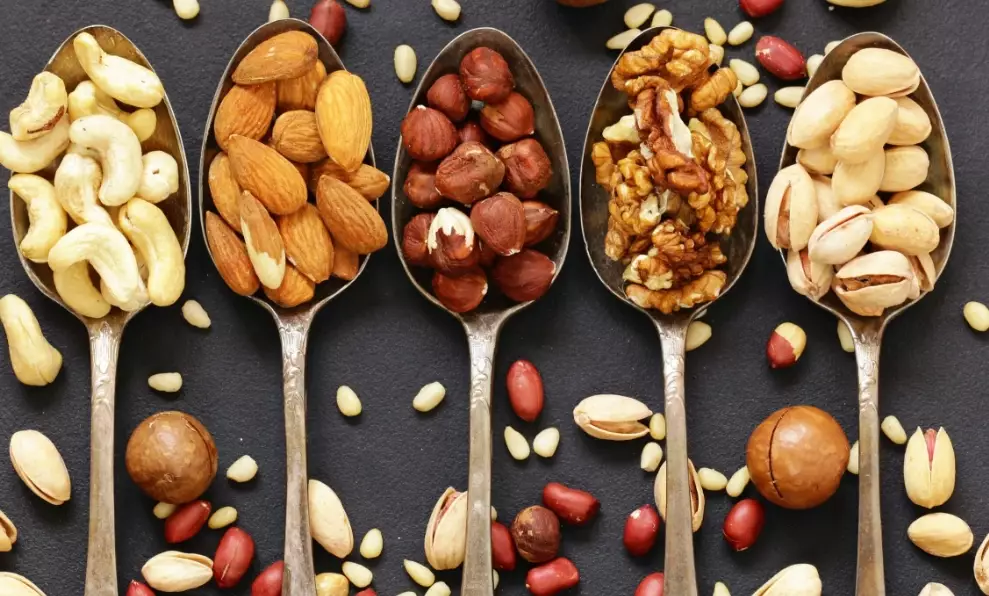
Critical Point: "May contain traces of nuts" or "Processed in a facility that also processes tree nuts" are warning labels. For someone with a severe allergy, these ingredients are not safe. The only acceptable label for core ingredients (flour, chocolate, oats, extracts) is one that explicitly states the product is made in a dedicated nut-free facility or has a clear "nut-free" certification.
Step 1: The Kitchen Deep Clean (The Most Skipped Step)
This is where most home bakers get complacent. A quick wipe-down isn't enough. You need to treat your kitchen like a lab preparing a sterile environment.
Surfaces and Tools
Wash everything that will touch the food in hot, soapy water. I mean everything: countertops, mixer bowl and attachments (pay attention to crevices in beaters), spatulas, measuring spoons, baking sheets, cooling racks. For porous items like wooden spoons or cutting boards that have contacted nuts, do not use them. They can harbor proteins even after washing. Use metal, silicone, or dedicated plastic tools instead.
The Hidden Culprits: Pantry and Containers
Check your pantry for open containers of flour, sugar, or spices. If you've ever dipped a measuring cup from a nut-containing recipe into your all-purpose flour bag, that flour is now cross-contaminated. For absolute safety, use brand-new, unopened packages of dry goods for your nut-free bake. Also, never reuse an empty nut butter jar for storing anything else.
Step 2: The Ingredient Investigation
Reading labels becomes your superpower. Nuts hide under many names and in unexpected places.
| Ingredient | Common Nut-Containing Forms & Hidden Names | Safer Swaps & Notes |
|---|---|---|
| Flour | Almond flour, chestnut flour. Cross-contact risk in bulk bins or facilities. | Use brands that specify "nut-free facility" on the package. All-purpose, whole wheat, oat flour (certified gluten-free oats are often processed in cleaner facilities). |
| Chocolate & Cocoa | Often processed on shared lines with nuts. "Natural flavors" can sometimes contain nut extracts. | Look for brands like Enjoy Life Foods that are top-allergen-free. Read labels every time, even on your usual brand. |
| Oils & Extracts | Nut oils (walnut oil, almond oil). Some extracts use nut alcohols. | Use pure vegetable, canola, or sunflower oil. Use extracts labeled pure (vanilla, almond extract is a NO-GO—it's made from pits, but the name is terrifying). |
| Dairy & Alternatives | Some non-dairy milks (almond, cashew milk). Certain marzipan or frangipane fillings in pre-made items. | Stick to cow's milk, soy, oat, or rice milk with verified labels. Avoid any pre-made fillings or frostings unless explicitly nut-free. |
| Garnishes & Mix-ins | Obvious: whole nuts, chopped nuts. Less obvious: granola, muesli, some cereals, pesto (contains pine nuts). | Seeds (pumpkin, sunflower), certified nut-free chocolate chips, diced dried fruit, toasted coconut (check label—some is processed with almonds). |
Nut-Free Flour & Flavor Swaps That Actually Work
You don't need nuts for texture or taste. Here's what I use after a decade of experimenting.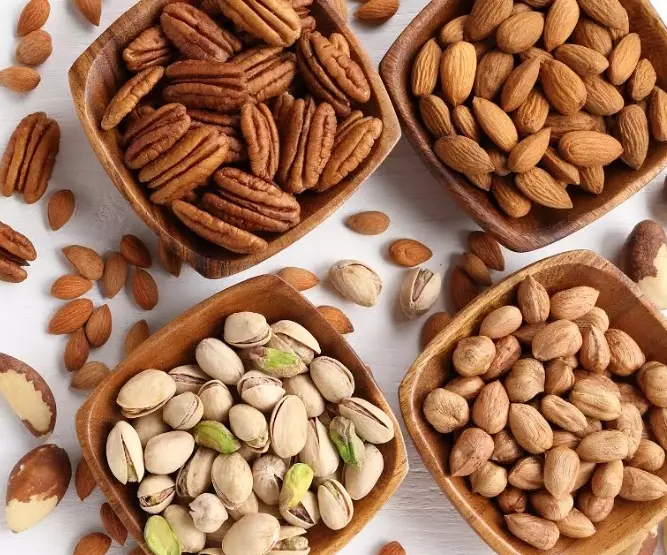
For Texture (Replacing Almond Meal/Flour): Don't try a 1:1 swap with regular flour. Use oat flour (grind certified gluten-free oats) for a similar density in crumbles or crusts. Unsweetened shredded coconut (fine) adds chew. For a protein boost, try sunflower seed meal (grind roasted, unsalted sunflower seeds), but note it can turn baked goods green due to a chemical reaction with baking soda—it's safe but looks odd.
For Flavor: Toasted sesame seeds, a dash of cinnamon or cardamom, or a bit of browned butter can add the deep, toasty notes nuts usually provide. A teaspoon of tahini (sesame seed paste) in a chocolate cookie dough is a game-changer.
Choosing and Adapting Truly Safe Recipes
Start with inherently simple recipes that don't rely on nuts. Pound cakes, vanilla sheet cakes, sugar cookies, shortbread, and basic muffins are excellent canvases. Avoid recipes that call for "nut meal" or "a handful of nuts for crunch"—adapting these adds risk. Instead, find recipes designed to be nut-free from trusted sources like the Food Allergy Research & Education (FARE) website.
When you bake, set up a clean zone. Lay down fresh parchment paper on your cleaned counter. Gather all your vetted ingredients and dedicated tools there. Work methodically, and clean spills immediately.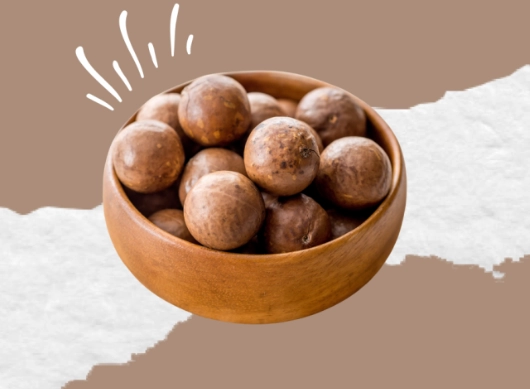
The Final Hurdles: Serving, Storing, and Communication
Your job isn't over when the cake comes out of the oven. Use a clean knife to cut and a clean spatula to serve. Store the baked goods in a new, airtight container clearly labeled "Nut-Free." Do not store them in a container that previously held nut-containing foods, even if washed.
Most importantly, communicate clearly with the person or their parent. List every ingredient and brand you used. Say, "I made this in a cleaned kitchen with new packages of X, Y, Z flour and Enjoy Life chocolate chips." This transparency builds trust and allows them to make an informed decision. Never be offended if they decline—their safety comes first.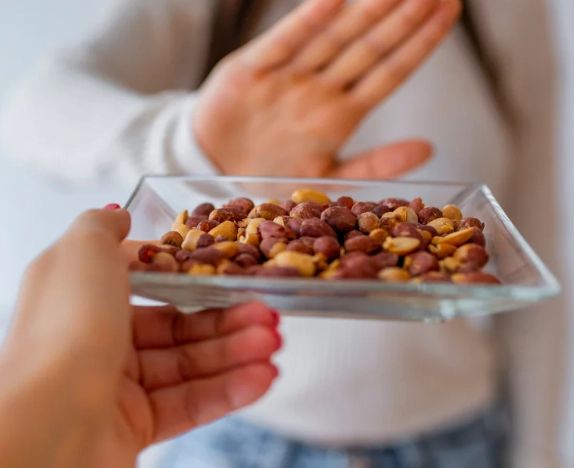


Leave a Comment