I remember my first gluten-free baking attempt. It was a birthday cake, and I grabbed the only bag labeled "gluten-free flour" I saw. The result? A sad, dense brick that crumbled at the slightest touch. That's when I learned the hard truth: there is no single "best" gluten-free flour. The best flour is the one perfectly matched to your recipe.
Choosing the right gluten-free flour isn't about finding a magic one-to-one swap. It's about understanding a whole new world of ingredients. Wheat flour works because of gluten, a protein that gives structure and chew. Without it, we need to build that structure from other components—starches, proteins, fibers, and binders.
So, let's ditch the one-size-fits-all approach. Whether you're making fluffy pancakes, crusty bread, or chewy cookies, the right flour blend makes all the difference.
Your Quick Guide to Gluten-Free Flour
Why Gluten-Free Baking is a Different Game
Think of gluten as the scaffolding in a building. It traps gas from yeast or baking powder, allowing bread to rise and giving cakes a soft crumb. Remove the scaffolding, and the building collapses. That's your gluten-free cake without the right support system.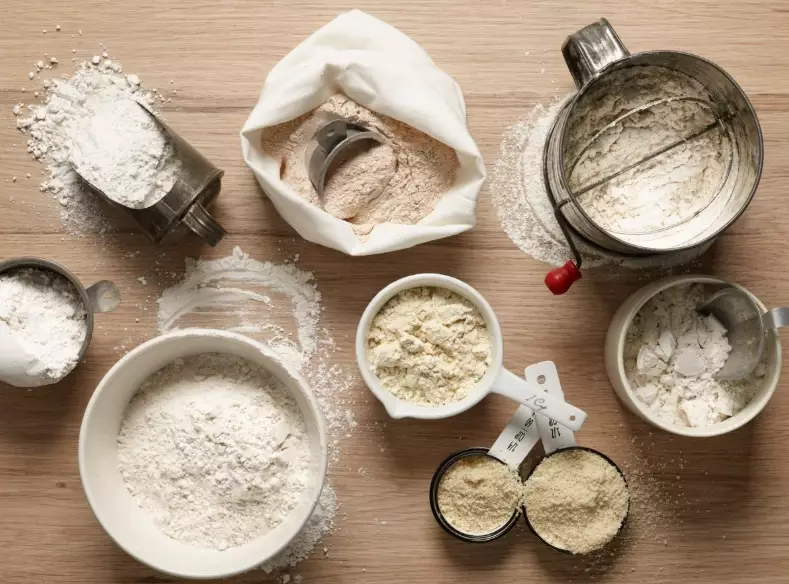
Gluten-free flours are typically made from grains, nuts, seeds, or legumes. Each brings a unique personality—some are heavy and dense, others are light and starchy, some have strong flavors. Your job is to combine them to mimic gluten's functions: structure, moisture retention, and a pleasant texture.
The U.S. Department of Agriculture notes that many gluten-free flours have different nutritional profiles than wheat flour, often with more fiber or protein, which directly impacts hydration in a recipe.
The Gluten-Free Flour Lineup: A Detailed Look
Here’s a breakdown of the most common players. I’ve ranked them not as "best to worst," but by their primary role in your baking toolkit.
| Flour | Flavor & Texture | Best For | Watch Out For |
|---|---|---|---|
| Almond Flour | Nutty, moist, dense. Adds richness. | Macarons, moist cakes, cookie crusts. | Can be oily, doesn't rise well alone. High in calories. |
| Rice Flour (Brown or White) | Neutral taste, slightly gritty if not fine. | Base for blends, thickening sauces. | Can be dry/crumbly. Often needs a starch partner. |
| Oat Flour | Mild, sweet, chewy texture. Great binding. | Cookies, muffins, quick breads. | Must be certified gluten-free (oats are often cross-contaminated). |
| Coconut Flour | Very sweet, coconut flavor, extremely absorbent. | Dense, sweet baked goods in small amounts. | Soaks up huge amounts of liquid. Never use 1:1. Requires extra eggs. |
| Cassava Flour | Neutral, most similar to wheat in texture. | Tortillas, flatbreads, as a wheat-like base. | Can be expensive. Some brands have a faint smell. |
| Buckwheat Flour | Earthy, strong flavor, dark color. | Heartier breads, pancakes, soba noodles. | Flavor can overpower. Best blended. |
| Starches (Tapioca, Potato, Corn) | Flavorless, light, adds chew and crispness. | Combined with other flours for lift and texture. | Never use alone. They provide structure but no substance. |
See how different they are? A bread made with only almond flour will be flat and greasy. A cake made with only rice flour will be dry and sandy. The secret to great gluten-free baking almost always lies in a blend.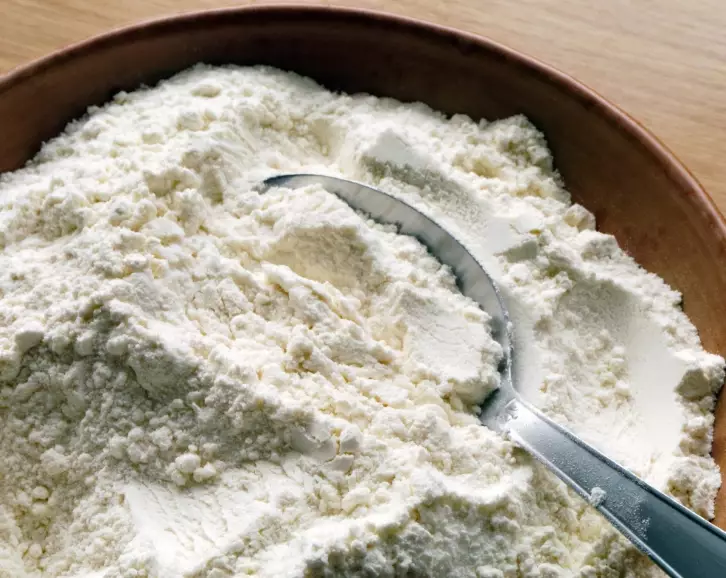
Pro Insight: Many store-bought "all-purpose" gluten-free blends are primarily rice flour and starches. They're convenient but can yield dry results. For better moisture and flavor, I often add a tablespoon or two of oat or almond flour to the dry mix, even when using a pre-made blend.
Picking the Perfect Flour for Your Project
Let's get practical. Here’s my flour recommendation based on what's coming out of your oven.
For Tender Cakes & Cupcakes
You want lightness and a fine crumb. A commercial 1:1 blend (like King Arthur's or Bob's Red Mill's) works well here because they're balanced. For a from-scratch option, try a blend of 40% fine white rice flour, 30% tapioca starch, 30% oat flour. The oat flour adds tenderness the rice/starch combo lacks.
My personal favorite for chocolate cake? Using a base of almond flour. It creates an incredibly moist, rich texture that hides any "gluten-free" dryness. The Mayo Clinic highlights that almond flour is also higher in protein and healthy fats compared to refined wheat flour.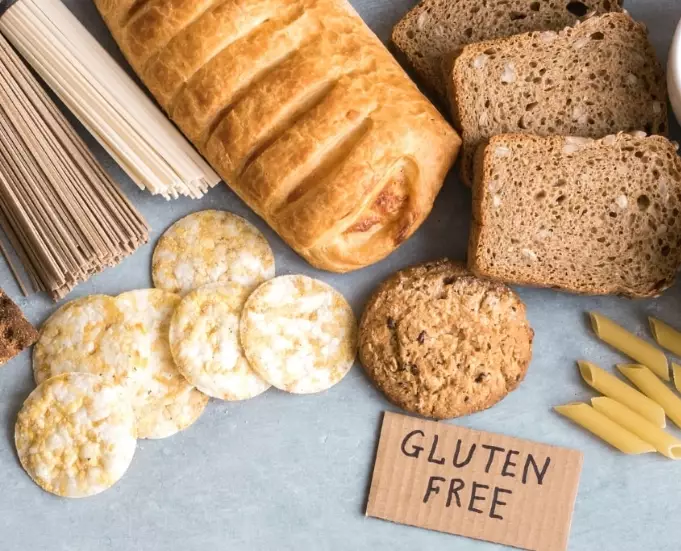
For Chewy Cookies
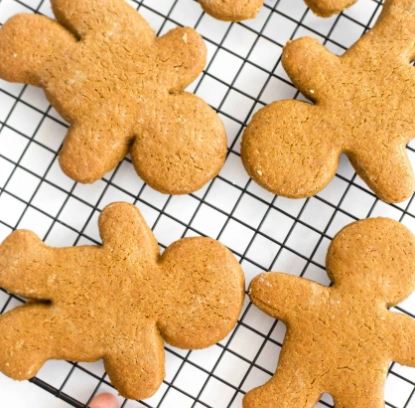
You need structure and a bit of crispness on the edges with a soft middle. Oat flour is a secret weapon for chewiness. A blend of oat flour and brown rice flour gives that perfect texture. For chocolate chip cookies, I use 1 cup oat flour, 1/2 cup almond flour, and 1/2 cup tapioca starch. The almond flour adds fat for spread and richness.
For Yeast Bread & Pizza Crust
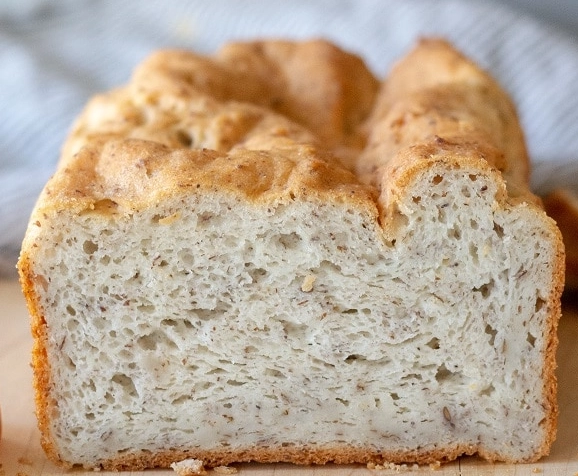
This is the ultimate challenge. You need strength and elasticity. This is where specialty flours and binders are non-negotiable. A blend with sorghum flour (for protein and flavor) and potato starch (for chew) is a great start. But the real key is the binder: xanthan gum or psyllium husk powder. Psyllium husk, in particular, creates a remarkable, wheat-like elasticity and is a top tip from serious gluten-free bread bakers. You'll find recipes from sources like Beyond Celiac specifically calling for it.
How to Mix Your Own All-Purpose Blend
Making your own blend saves money and lets you control the flavor and texture. Here's a reliable, neutral-tasting base blend you can mix in a big batch and keep in the pantry. It works for most non-yeasted recipes (muffins, pancakes, quick breads).
The Basic Workhorse Blend:
- 2 cups white rice flour (or brown rice for more fiber)
- 2/3 cup potato starch (NOT potato flour)
- 1/3 cup tapioca starch
- 1 teaspoon xanthan gum (for every 1.5 cups of blend used in a recipe)
Whisk it all together in a large bowl until completely uniform. Sift it if your rice flour is at all coarse. Store in an airtight container.
Want to upgrade it? For every 3 cups of the blend above, try adding 1/2 cup of oat flour or sorghum flour. It cuts the "starchiness" and adds nutritional value and better texture.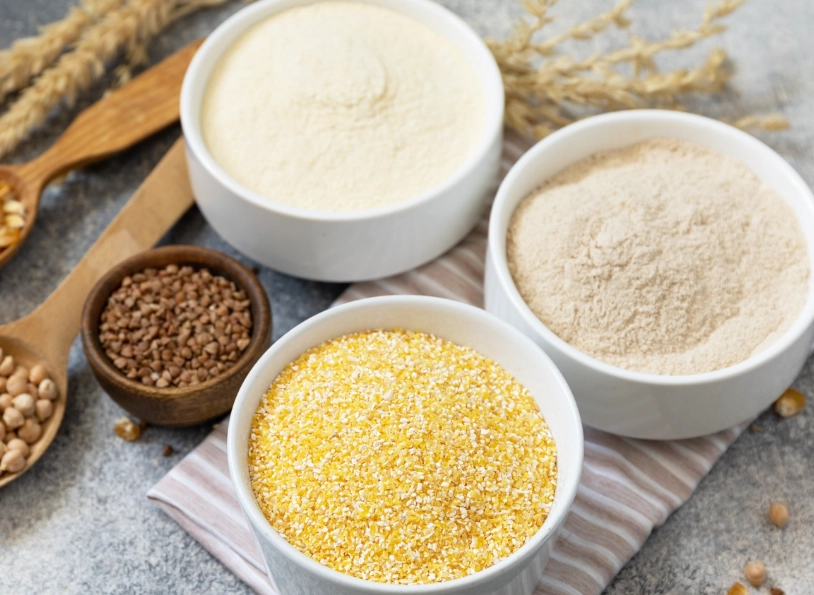
Top Mistakes and How to Sidestep Them
After a decade of gluten-free baking (and many failures), here are the subtle errors that ruin a bake.
1. Using Only One Flour. I said it before, but it's the biggest error. Single-flour bakes are almost always imbalanced. Combine a protein/flavor flour (almond, oat, buckwheat) with a starch (tapioca, potato) for balance.
2. Skipping the Binder. No gluten means no natural glue. Xanthan gum or guar gum (about 1/2 to 1 tsp per cup of flour) is essential for structure in most recipes. For bread, psyllium husk is superior.
3. Ignoring Hydration. Gluten-free flours often need more liquid and more time to absorb it. Let your cake or muffin batter rest for 30 minutes before baking. You'll see it thicken up, resulting in a less gritty texture.
4. Over-mixing. While you don't have to worry about developing gluten, over-mixing can incorporate too much air or cause batters with gums to become unpleasantly gummy. Mix until just combined.
5. Assuming All Brands Are Equal. The grind of almond flour varies wildly. Super-fine grind is best for cakes. Coarser grinds work for cookies. Read reviews and stick with a brand you trust, like Bob's Red Mill or King Arthur for consistency.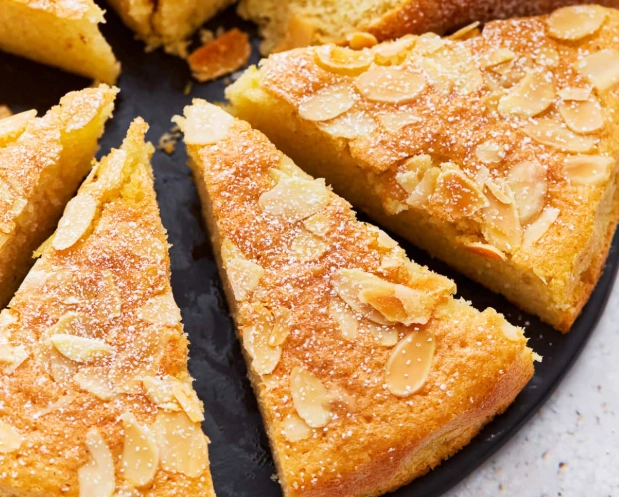
Your Burning Questions Answered
Can I use a regular recipe and just swap in gluten-free flour?
Why is my gluten-free bread so dry and crumbly?
Is there a true 1:1 substitute for all-purpose wheat flour?
How should I store gluten-free flours to make them last?
The journey to finding your best gluten-free flour is one of experimentation. Start with a trusted pre-mixed blend for your first few bakes to build confidence. Then, branch out and try mixing your own. Pay attention to textures and flavors you like. Take notes. Before long, you'll instinctively know whether a recipe needs the heartiness of sorghum, the tenderness of oat, or the neutral base of rice. Your baking will transform from a science experiment into a genuine pleasure.

Leave a Comment