You’ve tasted the samples, finalized the design, and paid the deposit. Your wedding cake is sorted. Then, a week before the big day, the question hits you out of nowhere: are you supposed to tip the baker? It’s not like tipping a waiter where the rules are somewhat clear. This is a high-ticket item from a small business or an artist. The etiquette feels murky, and Googling it just gives you vague, conflicting advice. Let’s cut through the noise. Tipping for a wedding cake isn’t mandatory, but it’s a powerful gesture of appreciation for exceptional service. The real answer depends entirely on who is doing what.
I’ve been in the wedding industry for over a decade, coordinating hundreds of events. I’ve seen the relieved smiles when a couple gets it right and the awkward fumbles when they don’t. Most articles just say "it's discretionary." That’s not helpful. I’ll give you the specific scenarios, amounts, and the one mistake everyone makes with bakery owners.
What’s Inside?
The Short Answer: It’s Not Mandatory, But...
No, you are not obligated to tip for the wedding cake itself. The quoted price is for the product. However, you are absolutely tipping for service. This is the crucial distinction everyone misses. If a staff member from the bakery goes above and beyond—driving the fragile cake to your venue, meticulously setting it up in a hot tent, making last-minute fixes because a flower fell off—that’s service. That’s labor that often falls outside the base "cake price." Think of it like this: you’re not tipping for the flour and sugar; you’re tipping for the care and hassle of delivering your edible centerpiece safely.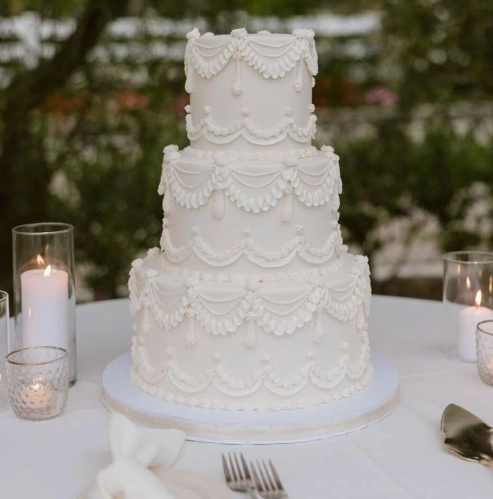
Many high-end bakeries or those in metropolitan areas now include a "delivery and setup fee" (often $50-$200+). In those cases, a tip on top is less expected but still appreciated for flawless execution. If that fee isn’t itemized, the delivery team is likely relying on tips as part of their compensation.
How Much Should You Tip for a Wedding Cake?
Forget percentages of the total cake cost. A 20% tip on a $800 cake is $160—that’s often overkill for a delivery. Tips are based on the service effort, not the product's luxury. Here’s a realistic breakdown.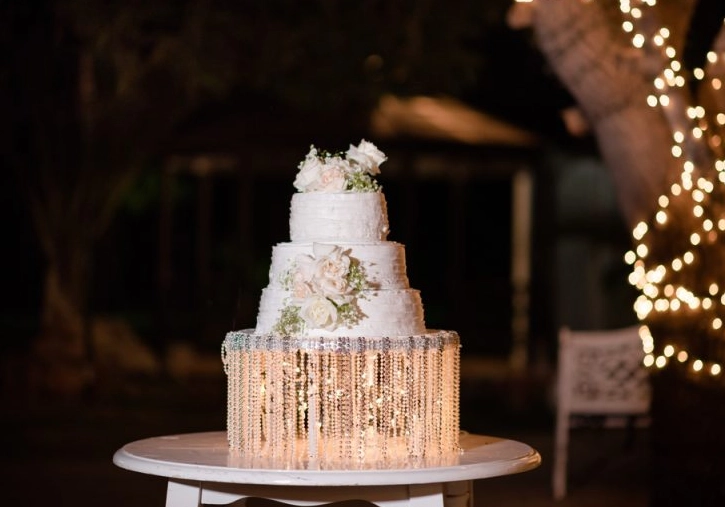
| Service Scenario | Recommended Tip Range | Why This Range? |
|---|---|---|
| Delivery & Setup by Bakery Staff (Most common) | $20 - $50 per person | Covers their time, fuel, and careful handling. For a complex setup with multiple tiers in a tricky location, lean toward the higher end. |
| Simple Pickup by You or a Coordinator | $0 (No tip expected) | No additional service was provided beyond boxing it up at the shop. |
| Extraordinary Service / Last-Minute Savior Move (e.g., fixing a smudge, adding a fresh flower last-second) | $50 - $100+ (flat) | This is for "wow" service that reduces your stress dramatically. A heartfelt thank-you note paired with cash is gold. |
| Custom Design Work (by the head baker/owner) | A thoughtful gift or online review | If the owner personally designed it, a tip can feel awkward. A premium bottle of wine, a glowing public review, or a referral is often more valued. |
Hand the cash directly to the staff member at setup, in a thank-you card. If you can’t be there, leave a clearly labeled envelope with your wedding planner or the venue coordinator. Don’t just Venmo the bakery later—the right person might not get it.
Pro-Tip from Experience: I once saw a delivery team arrive at a venue to find the designated cake table missing. They spent 30 minutes coordinating with venue staff, found a suitable table, and dressed it with a spare linen—all while the couple was taking photos, blissfully unaware. That’s a $50-per-person service moment, not just a drop-off.
Key Factors That Influence Your Tipping Decision
Four things should run through your mind when deciding.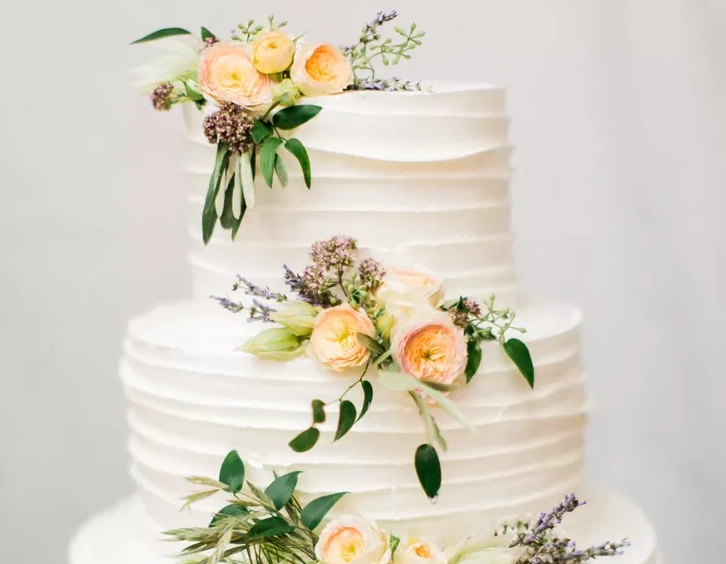
1. Type of Service Provider
Is it a large bakery with dedicated delivery drivers, or a solo home-based baker? Employees of a larger shop often have lower hourly wages with the expectation of tips. The solo artisan owner keeps the entire cake profit. Tipping the employee is more standard.
2. Complexity and Risk
A three-tier cake with delicate sugar flowers delivered downtown in August is a high-risk operation. A single-tier rustic cake picked up by your uncle is low-risk. More complexity and risk = stronger case for a tip.
3. What’s Already in the Contract
Scour your contract for the words "gratuity," "service charge," or "delivery fee." If a 20% service charge is already added, that’s likely distributed to staff, and an extra tip is a bonus. If it just says "Delivery: $75," that’s likely a flat fee to the business, not the driver.
4. The Owner vs. Employee Dilemma
This is the big one. Conventional wisdom says you don’t tip the business owner. I think that’s too rigid. If the owner personally delivers, sets up, and waits to ensure it’s perfect, a tip, while unexpected, will be remembered forever. It might feel less transactional to call it a "bonus" or pair it with a gift. But if you only interact with the owner during the design consult, a tip isn’t necessary.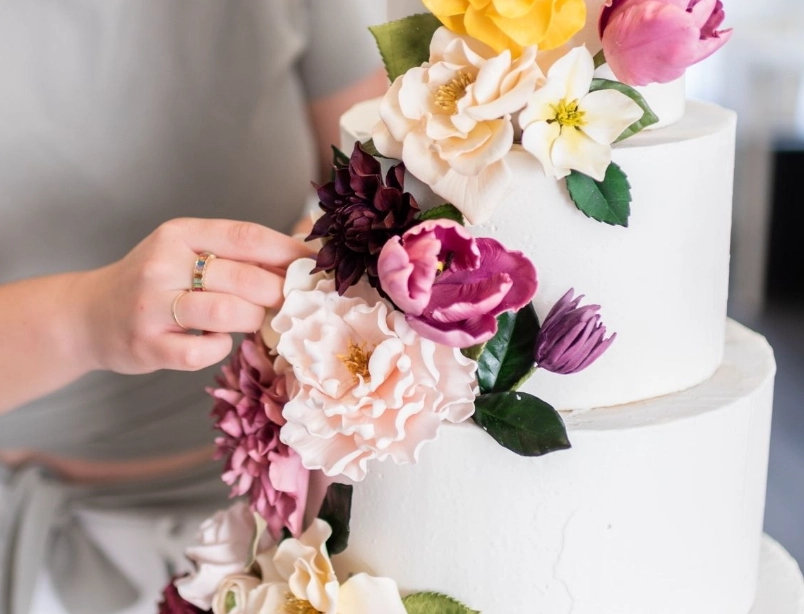
Common Scenarios: To Tip or Not to Tip?
Let’s play out some real weddings.
Scenario A: The Full-Service Bakery. "Sweet Magnolia" is a popular bakery. You worked with a designer, but a two-person team delivers and sets up. The contract had a $100 delivery fee. Verdict: Tip $20-$40 per person. The delivery fee covers their van and insurance; the tip is for their skill.
Scenario B: The Home-Based Artisan. "Cakes by Elena" is a one-woman show. Elena designed, baked, and will deliver your cake. She is the owner. Verdict: Tipping is not expected. However, if she handles a complex setup, a $50-$100 bonus or a generous gift is a stunningly kind gesture that transcends etiquette.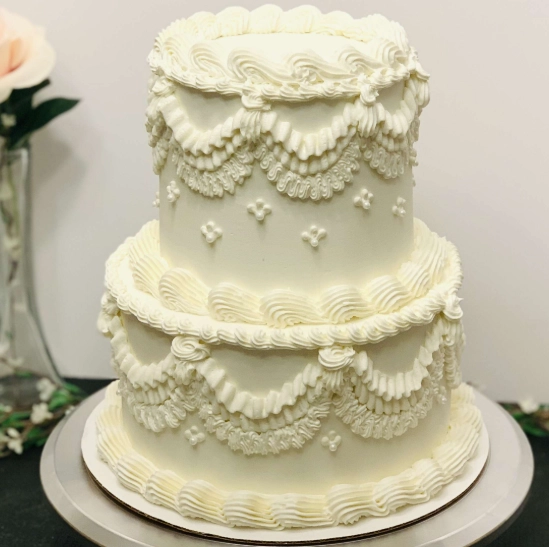
Scenario C: The Venue Preferred Vendor. Your hotel requires you to use their in-house bakery. The cake is included in a per-person package. Verdict: This is tricky. There’s likely no individual contract. Ask the catering manager discreetly if the setup staff is included in the service charge. If unsure, having $40 in cash for the person who actually wheels the cake out is a safe, appreciated move.
What About Service Fees and Contracts?
Always, always read the fine print. A growing trend, noted in industry surveys like those from The Knot, is the bundling of fees. Your invoice might look like this:
- Custom 3-Tier Cake: $850
- Delivery & Setup Fee: $150
- Service Charge (18%): $180
- Total: $1180
That 18% service charge? It’s not a tip (gratuity). It’s often a fee the business uses for operational costs. It might be shared with staff, but it’s not guaranteed. You need to ask: "Is the service charge distributed as gratuity to the delivery team?" If the answer is yes, an additional tip is optional. If the answer is no or vague, plan to tip the team directly.
Don’t be shy about asking this during the contract phase. A professional bakery will have a clear answer.
FAQs: Your Wedding Cake Tipping Questions Answered
At the end of the day, your wedding cake is a focal point. The people who get it to that table safely are providing a real service. Tipping isn’t about obligation; it’s about acknowledging a job well done on a day where everything needs to go right. Budget for it, plan for it, and you’ll never have that last-minute panic question again.




Leave a Comment