Baking is a science, but it shouldn't feel like a chemistry exam you're doomed to fail. I've been baking professionally for over a decade, and the difference between a gummy cake and a cloud-soft one often boils down to a handful of misunderstood rules. This guide isn't about vague advice. We're going deep on the specific, often-overlooked do's and don'ts that actually matter. Forget what you think you know about room temperature butter—let's get into the real mechanics of baking success.
Your Quick Baking Cheat Sheet
Fundamental Do's: The Non-Negotiables
These aren't just tips; they're the foundation. Skip one, and you're building on sand.
Do: Understand "Room Temperature" Correctly
Every recipe says it, but almost no one defines it correctly. Room temperature butter should be around 65-68°F (18-20°C). It should yield slightly to a gentle press but not be oily or shiny. Your finger should leave a shallow indent. Eggs should feel neutral to the touch, not cool. Why? Creaming butter and sugar traps air. Cold butter won't hold air; melted butter can't trap it. This single step defines your cake's texture. I warm cold eggs by placing them in a bowl of warm (not hot) tap water for 5-10 minutes.
Do: Weigh Your Ingredients with a Scale
I know, cups are convenient. But a cup of flour can weigh anywhere from 120 to 150 grams depending on how you scoop it. That's a 25% margin for error in a recipe that tolerates maybe a 5% error. Get a digital kitchen scale. It's the single biggest accuracy upgrade you can make. Flour, sugar, even liquids are more precise by weight. The King Arthur Baking Company, a trusted authority, lists all its recipes with weights for this exact reason.
Pro Insight: "Room temperature" for dairy like sour cream or yogurt is even more critical. Adding a cold dollop of sour cream to your cake batter can re-solidify tiny bits of butter, leading to a denser crumb. Plan ahead and take it out an hour before.
Do: Preheat Your Oven... For Real
That beep after 5 minutes is a lie. Most ovens need 20-30 minutes to reach and stabilize at the set temperature. An under-heated oven causes spreading, poor rise, and uneven baking. Use an inexpensive oven thermometer. You'll likely find your oven runs 25°F hot or cold. Adjust accordingly. This was the culprit behind my perpetually pale cookie bottoms for years.
Do: Read the Entire Recipe First
Sounds obvious. Nobody does it. You get to step 4 and realize you needed chilled dough for 2 hours. Now your schedule is ruined, and you rush the chilling step. Result? Butter leaks from your pastry, and you blame the recipe. Read it like a novel—start to finish—before you even touch a measuring cup.
Critical Don'ts: The Common Pitfalls
These are the silent killers of baked goods. You might not even know you're doing them.
Don't: Overmix Your Batter (Especially Muffins and Quick Breads)
Once you add flour to wet ingredients, gluten development begins. Mix just until the last streak of flour disappears. A few small lumps are fine. Overmixing develops tough gluten strands, leading to tunnels, toughness, and a peaked top instead of a domed one. For muffins, I use a folding motion with a rubber spatula, not a whisk or electric mixer.
Don't: Open the Oven Door During the First 75% of Bake Time
Peeking causes rapid temperature drops. Cakes and soufflés can collapse. Cookies spread. Use the oven light and window. Trust the timer you set based on your recipe reading. Only open for rotating pans or testing doneness in the final quarter of baking.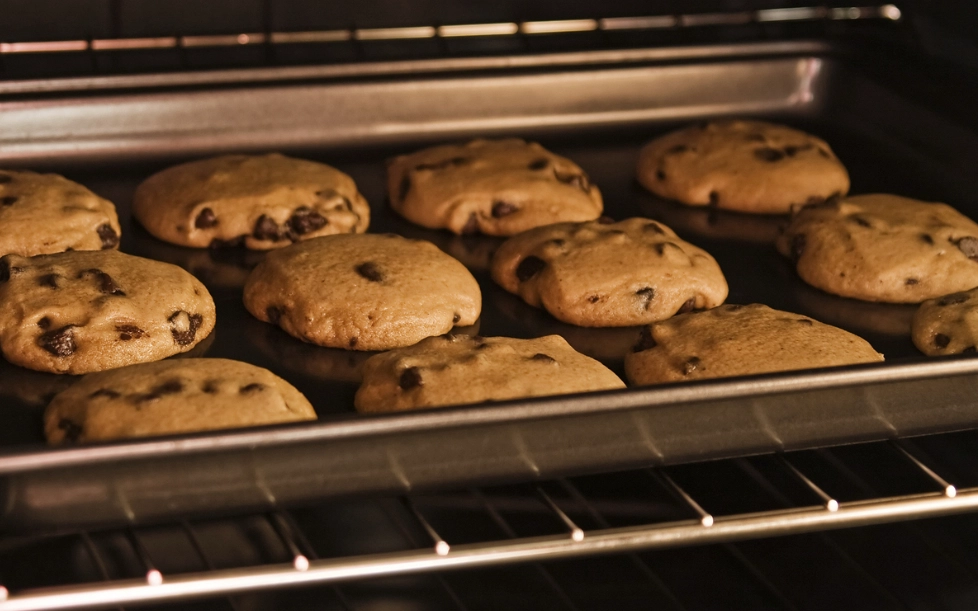
The Hidden Mistake: Don't blindly trust your baking pan's color. Dark, non-stick pans absorb more heat and can cause over-browning on the bottom. Shiny aluminum pans reflect heat. If a recipe was tested with a shiny pan and you use a dark one, reduce the oven temperature by 25°F. It makes a world of difference.
Don't: Substitute Ingredients Willy-Nilly
Baking powder is not baking soda. They have different chemical reactions. "Light" brown sugar has less molasses than "dark." Using oil instead of melted butter changes moisture content and structure. If you must substitute, understand the function first. Need a quick reference? Here's a cheat sheet for common swaps that might work, but always with a texture trade-off.
| If the recipe calls for... | You could try... | But be aware... |
|---|---|---|
| Buttermilk (1 cup) | 1 cup milk + 1 tbsp lemon juice/vinegar (let sit 5 min) | Acidity is key for leavening with baking soda. This works in a pinch. |
| Cake Flour (1 cup) | Scant 1 cup all-purpose flour + 2 tbsp cornstarch | It approximates the lower protein content for a tender crumb. |
| Granulated Sugar | An equal weight of coconut sugar or maple syrup | This adds moisture and changes flavor. The structure will be denser and chewier. |
| Eggs (as binder) | Flax "egg" (1 tbsp ground flax + 3 tbsp water) | This works for structure in dense items like brownies, but not for leavening in cakes. |
Don't: Ignore the Resting Time
Cookie dough often benefits from chilling overnight. It allows flour to hydrate fully and flavors to meld, resulting in better texture and taste. Pie dough needs to rest to relax the gluten, preventing shrinkage. Skipping rest is rushing the process, and baking punishes impatience.
Putting It All Together: A Scenario-Based Guide
Let's apply these rules to a real goal: baking a perfect, classic chocolate layer cake that's moist, tender, and doesn't dome.
The Goal: A flat-topped, deeply chocolatey 9-inch layer cake.
The Common Failure: A dry, domed cake with a tough crumb.
- Days Before: Read your chosen recipe from a reputable source (like Cook's Illustrated or a well-reviewed food blog). Note you need room temp eggs/butter and brewed coffee (common secret ingredient for enhancing chocolate flavor).
- Morning Of: Take out butter, eggs, sour cream. Measure all ingredients by weight using your scale. Prep your pans—grease, line with parchment, flour. This is your mise en place. It prevents frantic, error-prone measuring mid-recipe.
- Preheat: Turn on the oven 30 minutes before baking. Place your oven thermometer inside to verify 350°F.
- The Mix: Cream the properly softened butter and sugar for a full 3-5 minutes until light and fluffy. Add eggs one at a time. Alternate adding dry ingredients and wet (coffee/milk), starting and ending with dry. Mix on low speed, and stop the second the flour is incorporated. Use a spatula for a final fold.
- The Bake: Divide batter evenly between prepared pans. Tap pans on counter to release air bubbles. Place in the center of the oven. DO NOT OPEN THE DOOR for at least 25 minutes. Use the light to check. Bake until a skewer comes out with moist crumbs, not wet batter.
- The Cool: Let cakes cool in pans on a rack for 10 minutes. Then, run a knife around the edge and invert onto the rack to cool completely. Cooling in the pan traps steam and makes the cake soggy. Rushing to frost a warm cake is a recipe for a melted, sliding mess.
See how each do and don't interlocks? The scale ensures correct ratios, proper creaming creates structure, not overmixing keeps it tender, and oven management ensures even cooking.
Baking FAQ: Your Questions, Expert Answers
 Why is my pie crust tough and not flaky?
 Baking well isn't about magic. It's about controlling variables. Start by mastering these fundamental do's and don'ts. Get a scale, learn your oven's true personality, and respect the process. Your next batch of cookies, your next loaf of bread, your next birthday cake—they'll all carry the confidence of someone who understands the why behind the recipe. Now go preheat that oven.


Leave a Comment