Let's be honest. My first attempt at an original cheesecake recipe was a disaster. It looked sunken, had a giant crack running through the center, and the texture was more like scrambled eggs than the velvety dream I was after. That failure sent me down a rabbit hole of baking science, and after a decade of testing, tweaking, and (occasionally) weeping over cracked tops, I've nailed down what truly makes this dessert work. This isn't just another list of ingredients. It's a breakdown of the why behind every step, designed to give you the confidence to make a flawless classic New York cheesecake on your first serious try.
What's Inside This Guide
The Foundation: Why This Original Cheesecake Recipe Works
Most recipes get the ingredients roughly right but gloss over the technique. The magic of a great original cheesecake lies in managing two things: air and heat.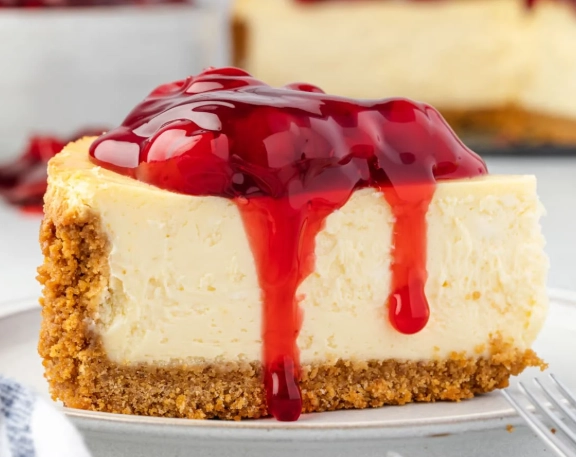
Too much air whipped into the batter leads to a puffy cake that rises dramatically in the oven, then collapses and cracks as it cools. That's the number one mistake I see. The goal is a dense, creamy, and smooth texture, not a soufflé. The second enemy is aggressive, direct heat. Cheesecake is a custard. It needs gentle, even warmth to set without curdling the eggs or causing that dreaded "leathery" top skin.
This recipe addresses both through methodical mixing and the water bath technique. We're not just baking; we're coaxing the perfect set.
Ingredients Breakdown: More Than Just a Shopping List
You can't build a masterpiece with subpar materials. Here’s what you need and, crucially, why each item is non-negotiable.
What is the Secret to a Perfect Cheesecake Crust?
It's simplicity and proper binding. Graham cracker crumbs, sugar, and melted butter. The common error? Using pre-crushed crumbs from a canister. They're too fine and dusty. Crush whole graham crackers yourself in a bag for a mix of textures that packs better. The butter should just coat the crumbs—they should hold together when pinched, not swim in grease.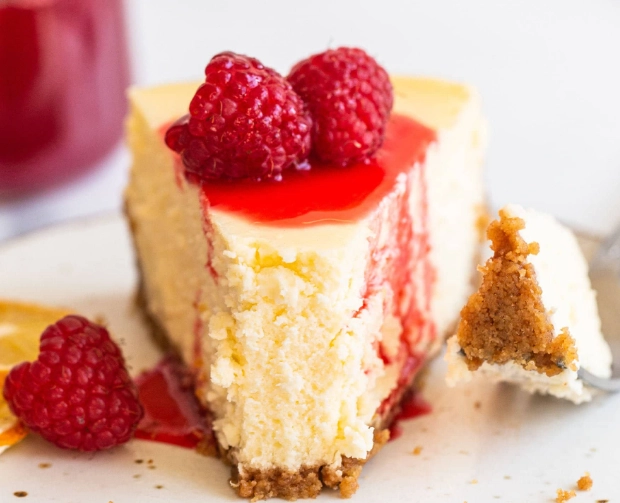
The Filling: The Holy Trinity of Creaminess
This is where brands can make a subtle difference.
| Ingredient | Role & Best Choice | What to Avoid |
|---|---|---|
| Cream Cheese | The star. Use full-fat, brick-style cream cheese (like Philadelphia). The tubs are softer and have stabilizers that can alter texture. | Low-fat or Neufchâtel. The higher water content ruins the rich, firm set. |
| Sour Cream | The tang & moisture regulator. Full-fat sour cream adds a subtle sharpness and extra creaminess. Some classic recipes use heavy cream, but sour cream gives a more distinctive flavor profile. | Light sour cream or yogurt. Again, water content is the enemy. |
| Eggs | The binder. Large eggs, room temperature. They provide structure. Adding them one at a time is critical to prevent over-beating. | Cold eggs straight from the fridge. They can cause the fat in the cream cheese to seize up, creating lumps. |
Vanilla extract and a bit of lemon zest are the classic flavor enhancers. Don't skip the zest—it brightens the entire cake without screaming "lemon."
How to Make the Original Cheesecake: Step-by-Step
Here’s the process, with the pitfalls called out so you can avoid them.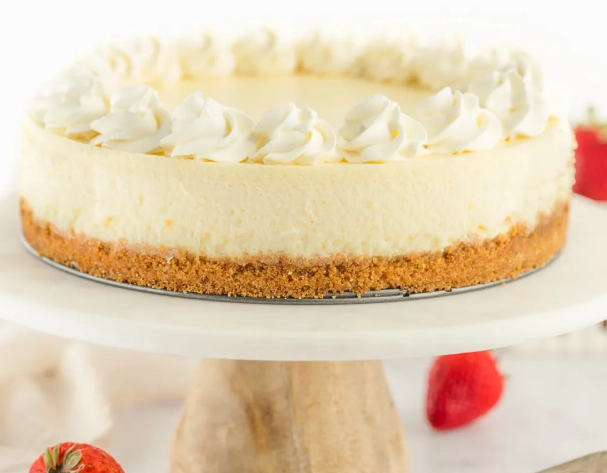
1. The Crust. Mix the crust ingredients and press firmly into the bottom of a 9-inch springform pan. Use a flat-bottomed cup to really compact it. Pre-bake at 325°F (160°C) for 10 minutes. This sets the crust so it doesn't get soggy. Let it cool while you make the filling.
2. The Filling (The Critical Phase). In a stand mixer with the paddle attachment (not the whisk!), beat the room-temperature cream cheese on medium-low until it's perfectly smooth and has no lumps. This could take 2-3 minutes. Scrape the bowl down thoroughly.
Now, add the sugar. Beat again on low just until combined. Scrape again.
Here's the subtle error most miss: Add the sour cream, vanilla, and zest next, before the eggs. Beating the eggs with the sugar and cream cheese for too long is what incorporates too much air. Mix these wet ingredients in on low until just blended.
Finally, the eggs. Crack them into a separate bowl. With the mixer on the lowest possible speed, add the eggs one at a time. Mix only until the yolk disappears into the batter before adding the next. The moment the last egg is incorporated, STOP MIXING. The batter should be glossy, smooth, and thick.
3. The Water Bath & Bake. Wrap the bottom and sides of your springform pan tightly with heavy-duty aluminum foil to prevent water seepage. Pour the batter over the cooled crust. Place the pan inside a large roasting pan. Pour hot water into the roasting pan until it comes about halfway up the sides of the springform.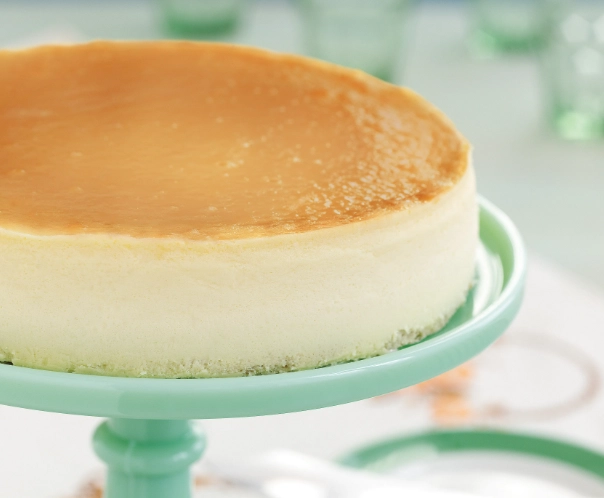
Bake at 325°F (160°C) for about 1 hour to 1 hour 15 minutes. The edge should be set, but the center (about a 3-inch circle) should still have a pronounced, gentle jiggle—like Jell-O. It will not look "done" in the traditional sense. This is correct. Turn off the oven, crack the door open with a wooden spoon, and let the cake cool inside for 1 hour. This gradual cooling is the ultimate crack prevention.
4. The Chill. Run a knife around the edge of the pan to release the cake, then let it cool completely on a rack. Refrigerate, uncovered, for at least 6 hours, preferably overnight. This final set is non-negotiable for the perfect texture.
Troubleshooting: Fixing Common Cheesecake Problems
- Cracked Top: Almost always from overmixing (too much air) or rapid temperature change. The water bath and slow oven cool-down are your best defenses. If it cracks, cover it with a sour cream topping or fresh fruit.
- Grainy Texture: Ingredients not at room temperature, or under-mixing the cream cheese at the start. Lumps of cold cream cheese never fully incorporate.
- Soggy Crust: Inadequate pre-baking, a leaky springform pan, or cutting the cake before it's fully chilled.
- Sunken Center: Underbaking. The center jiggle should be small and firm, not a wide, wavy wobble.
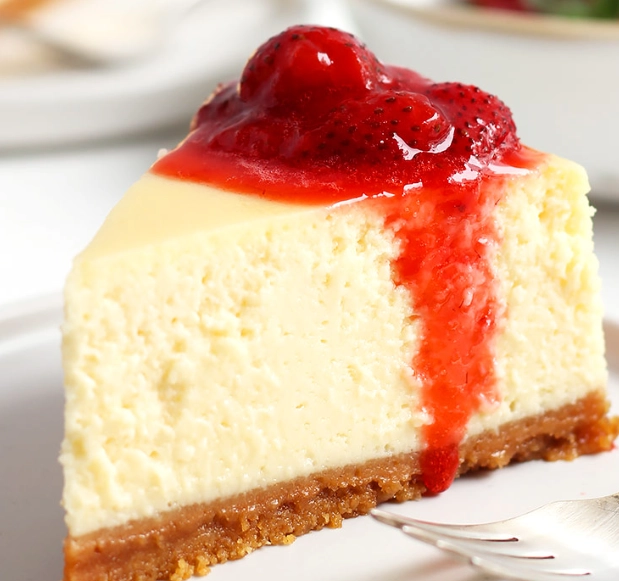
The No-Bake Cheesecake Recipe Alternative
Sometimes you need dessert without turning on the oven. A no-bake cheesecake recipe is a different beast—lighter, airier, and reliant on gelatin or whipped cream to set.
The base is similar (crushed biscuits and butter), pressed into a pan and chilled. The filling is softened cream cheese beaten with sugar, then folded into softly whipped heavy cream that's been stabilized with a bit of dissolved gelatin or sometimes lemon juice. It sets in the fridge. The texture is mousse-like, not dense. It's fantastic in summer, but it's not a substitute for the baked original—it's a delicious cousin.
My go-to ratio: 24 oz cream cheese, 1 cup powdered sugar, 2 tsp vanilla, 2 cups heavy cream whipped to soft peaks, 1 tbsp gelatin dissolved in 1/4 cup cold water then warmed. Fold together, pour over crust, chill 6+ hours.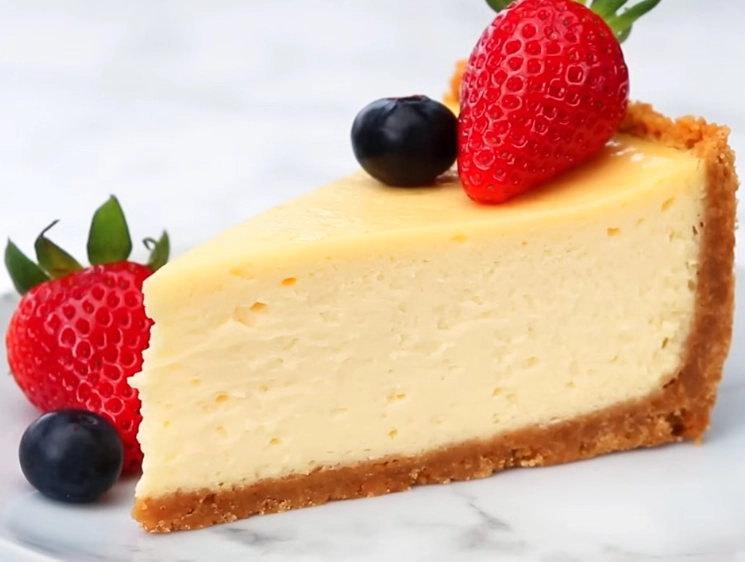

Leave a Comment