I pulled a cake from the oven last year, and it looked like a crater. Sunken in the middle, dense as a brick. Sound familiar? Baking fails happen to everyone, even after a decade in the kitchen. But most problems have simple fixes if you know where to look. This guide cuts through the fluff and gives you real solutions for common baking issues, from cakes to bread to cookies. Let's get your bakes back on track.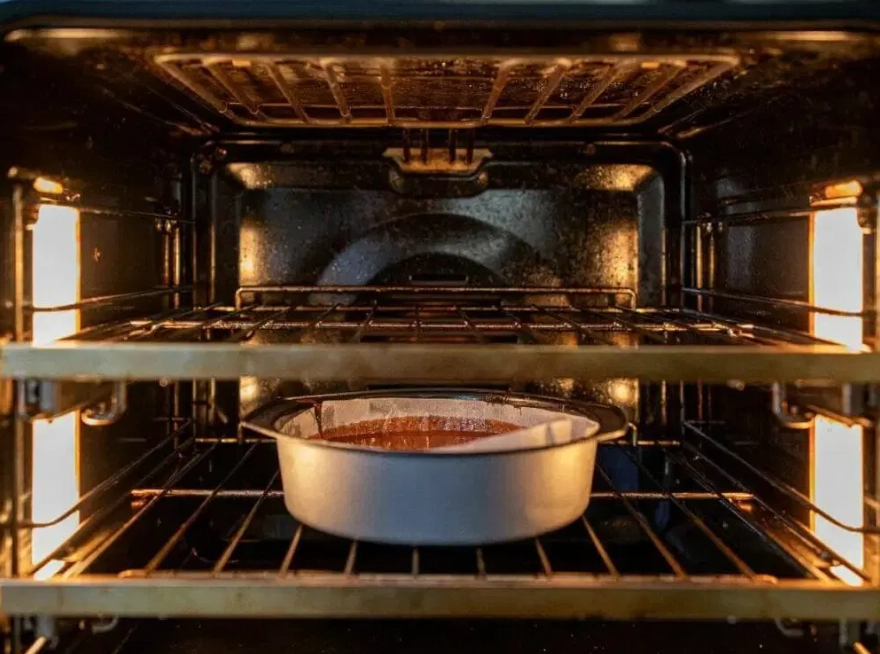
Jump to What You Need
The Big Three Baking Problems (And Exactly How to Fix Them)
These issues pop up all the time. I see them in forums, from friends, and in my own oven. Here's the breakdown.
Cake Sinking in the Middle: It's Not Just Overmixing
You follow the recipe, but the center collapses. Everyone blames overmixing, but that's only part of it. The real culprit is often oven temperature fluctuation. If you open the door too early, the sudden drop in heat causes the structure to fail. I learned this the hard way with a vanilla sponge cake.
Fix: Use an oven thermometer to check accuracy. Preheat for at least 20 minutes. Don't open the door until the last 10 minutes of baking. Also, ensure your leavening agents (baking powder, baking soda) are fresh. Old baking powder loses its punch. Test it by dropping a teaspoon in hot water—if it fizzes, it's good.
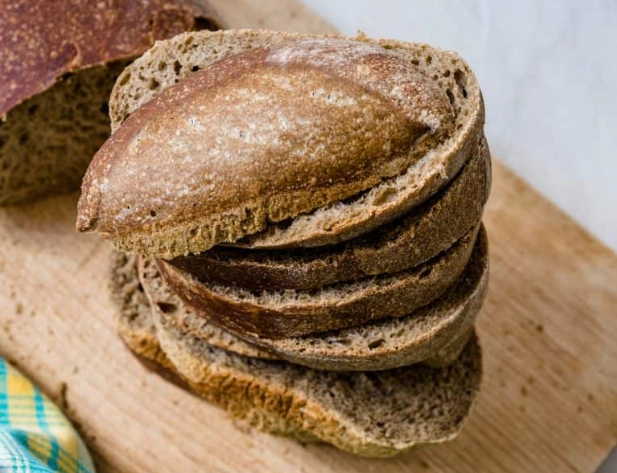
Bread Not Rising: Yeast Isn't Always the Villain
Dense, flat bread is a heartbreaker. Yes, dead yeast can cause it, but more often, it's the water temperature. Too hot, and you kill the yeast; too cold, and it sleeps. Aim for 105–110°F (40–43°C). Another overlooked factor: salt. Adding salt directly to yeast can inhibit growth. Mix it with the flour first.
I once made a sourdough that refused to rise. Turned out my kitchen was too cold. Now I proof dough in the oven with the light on for a steady warm spot.
Cookies Spreading Too Much: The Butter Temperature Secret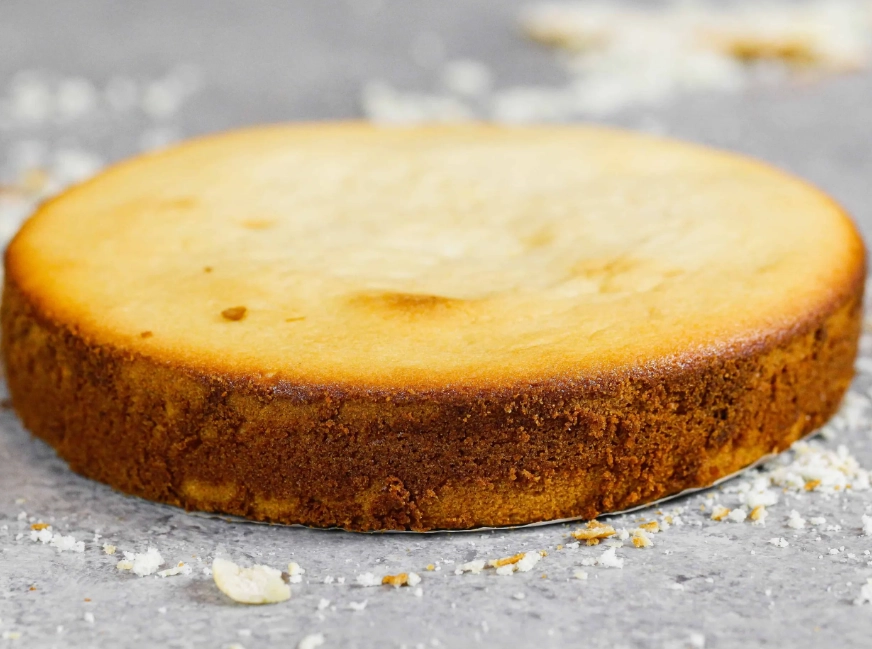
Cookies that turn into flat pancakes? Butter is usually too warm. Recipes say "room temperature," but that's vague. For most cookies, butter should be around 65°F (18°C)—cool to the touch but soft enough to indent with a finger. If it's melty, your cookies will spread.
Chill the dough for 30 minutes before baking. Also, check your baking sheet: dark sheets absorb more heat and can cause over-spreading. Use light-colored ones or line with parchment paper.
| Problem | Main Cause | Quick Solution |
|---|---|---|
| Cake sinks | Oven door opened early, old baking powder | Use oven thermometer, don't open door, test leavener |
| Bread dense | Wrong water temp, salt-yeast contact | Water at 105–110°F, mix salt with flour |
| Cookies spread | Butter too warm, hot baking sheet | Chill dough, use light-colored sheets |
How to Measure Ingredients Like a Pro Baker
Most home bakers measure with cups, and that's where errors creep in. Flour is the biggest offender. Scooping directly from the bag packs it down, leading to up to 20% more flour than needed. Your cake turns dry.
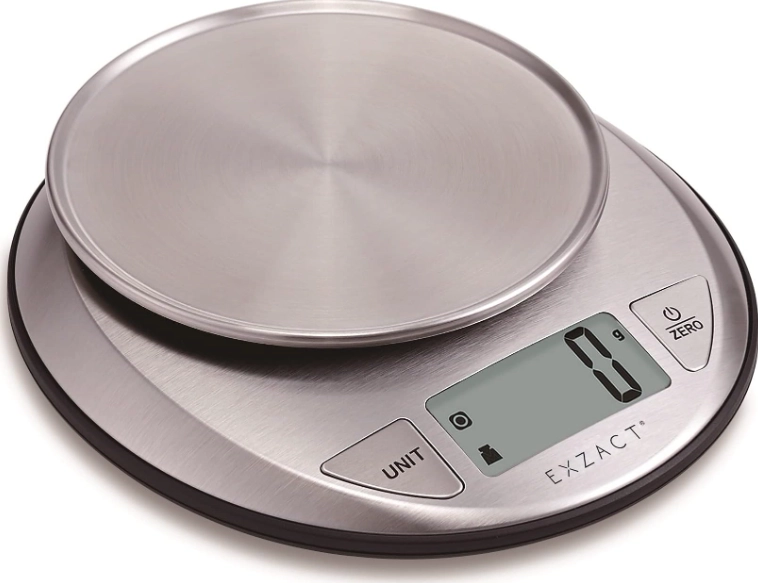
Invest in a digital kitchen scale. Weighing ingredients is precise and eliminates guesswork. For reference, 1 cup of all-purpose flour weighs about 120–125 grams, but it varies. The King Arthur Baking website has a great weight chart—I use it all the time.
Personal tip: I stopped using measuring cups for flour years ago. Switching to grams changed my baking consistency overnight. A scale costs under $20 and saves wasted ingredients.
Liquid measurements matter too. Use clear liquid measuring cups for wet ingredients, and check at eye level. Don't use dry cups for liquids—it's inaccurate.
Oven Temperatures and Baking Times: The Hidden Variables
Your oven lies. Most home ovens run hot or cold by 25°F or more. I calibrated mine last year and found it was 30°F too hot! No wonder my cookies burned.
Get an oven thermometer. Place it in the center and preheat. Adjust the temperature dial accordingly. For example, if it reads 375°F when set to 350°F, set it lower next time.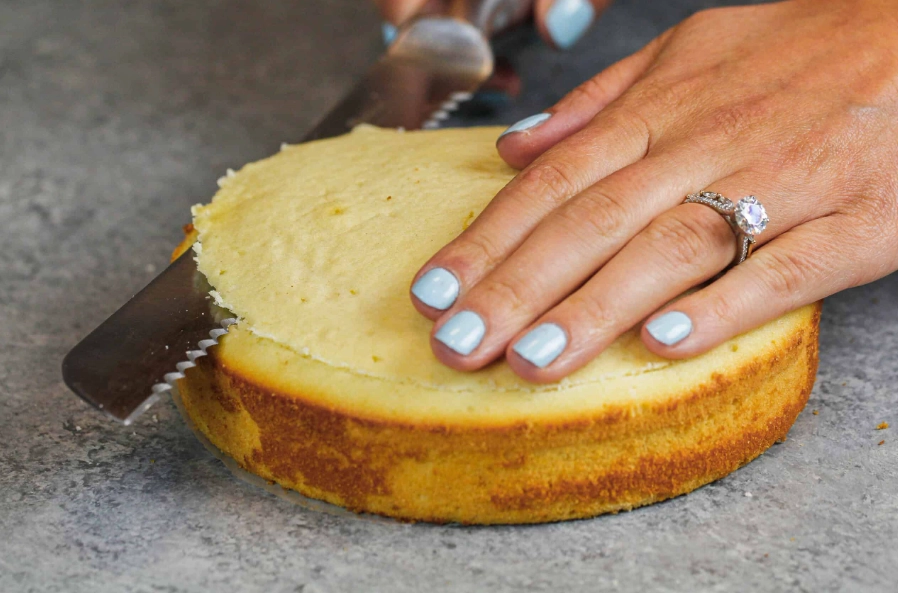
Baking times in recipes are guidelines. Ovens vary, so start checking 5–10 minutes before the suggested time. Look for visual cues: cakes should pull away from the sides, bread should sound hollow when tapped.
Another thing: rack position. Middle rack is best for even heat. Avoid placing pans too close to the walls.
A Real-Life Baking Rescue: My Chocolate Cake Disaster
Let me walk you through a fix. I was baking a layered chocolate cake for a friend's birthday. The recipe called for buttermilk, but I used regular milk with a vinegar substitute. The cake came out gummy and dense.
Here's what went wrong and how I saved it:
Mistake 1: The acid ratio was off. Buttermilk adds acidity that reacts with baking soda. My homemade substitute (1 cup milk + 1 tablespoon vinegar) wasn't balanced—the milk was too cold, so the reaction didn't kick in properly.
Fix: Warm the milk slightly before adding vinegar, and let it sit for 10 minutes to curdle. Or better, use real buttermilk.
Mistake 2: I overmixed the batter after adding flour. Gluten developed, making the cake tough.
Fix: Mix just until the flour disappears. A few lumps are fine.
Outcome: I re-baked with these changes, and the cake was moist and light. The birthday was saved, and I learned to respect acid-base chemistry in baking.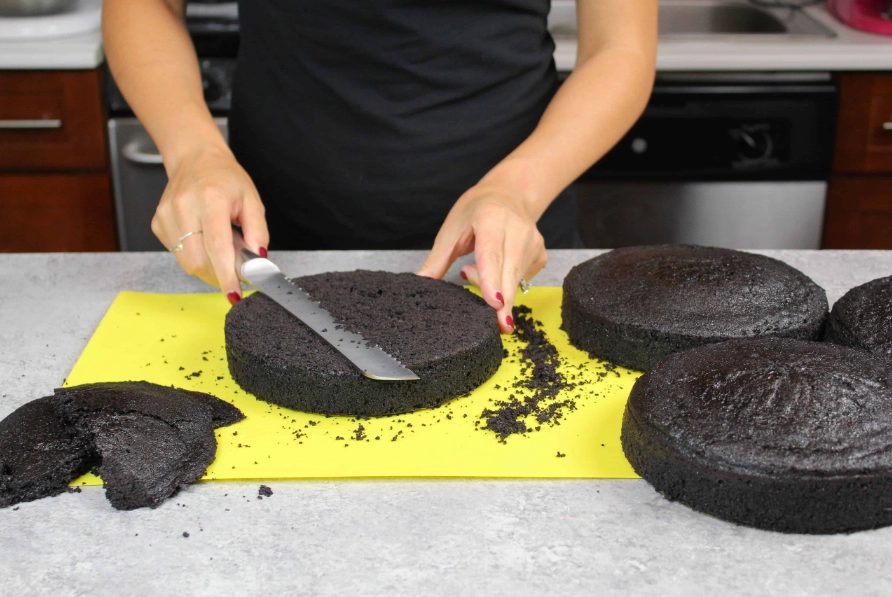
Frequently Asked Baking Questions
 Baking is part science, part art. Mistakes happen, but each one teaches you something. Start with accurate measurements, mind your oven, and don't rush the process. Remember, even pros have flops—I still burn cookies when I'm distracted. Keep experimenting, and soon you'll turn those problems into perfect bakes.

Leave a Comment