Quick Navigation
- The Classics: The Thanksgiving Pie Hall of Fame
- Getting Your Hands Dirty: The Real Talk on Pie Crust
- Beyond the Basics: Modern Twists and Dietary Tweaks
- The Practical Side: Choosing, Storing, and Serving
- Answers to Your Burning Pie Questions (FAQ)
- Pulling It All Together for a Stress-Free Thanksgiving
Let's be honest, the turkey gets all the glory, but for many of us, the real stars of the Thanksgiving show are the pies. The moment that flaky crust gives way to a spiced pumpkin filling or the sticky-sweet crunch of pecan… that's the holiday magic right there. But with so many options, how do you choose? Or maybe you're the one baking this year and you're staring down a recipe that feels more intimidating than your mother-in-law's questions.
Don't worry. I've been there. I've had pumpkin pie filling that refused to set, a pecan pie that turned into a sugary lava flow, and more than one crust that resembled a topographic map of the moon. Through trial, error, and a lot of tasting, I've figured some things out. This guide isn't about fancy, impossible techniques. It's about getting delicious, impressive Thanksgiving pies on your table without the stress.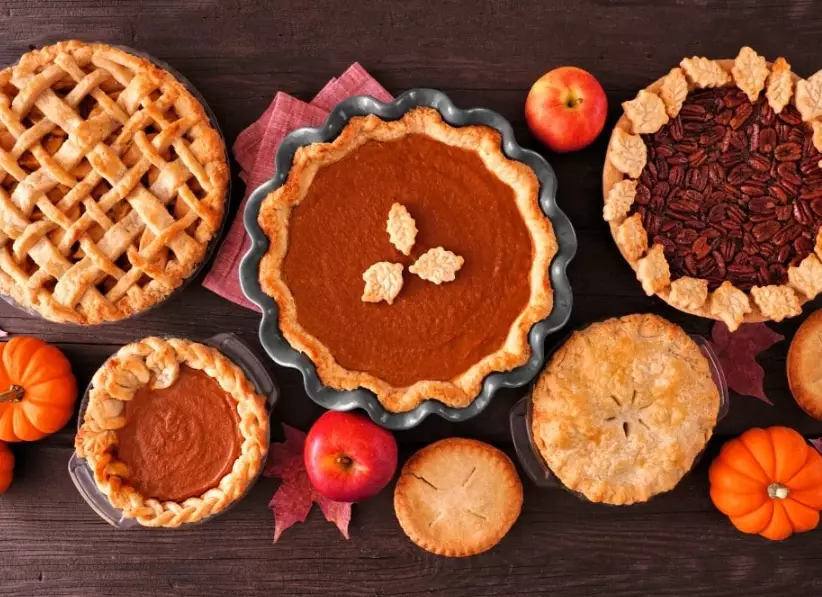
The Classics: The Thanksgiving Pie Hall of Fame
You can't go wrong with these. They're the pillars of the holiday, each with its own personality and fan club. Knowing what makes them tick is the first step to making (or choosing) a great one.
The Top Contenders
If Thanksgiving pies had a popularity contest, here's how they'd likely rank. This isn't scientific, just based on decades of family arguments and potluck observations.
- Pumpkin Pie: The undisputed heavyweight champion. Its success hinges on the custard—a blend of pumpkin puree, eggs, cream, and that iconic spice blend (cinnamon, ginger, nutmeg, cloves). The texture should be silky and firm, not jiggly or, worse, watery. A common mistake? Using the wrong pumpkin. You want plain canned pumpkin puree (like Libby's), not pumpkin pie filling, which is pre-sweetened and spiced. Trust me, starting from puree gives you control.
- Pecan Pie: The rich, decadent cousin. This one is all about the filling: a gooey, caramel-like syrup loaded with pecans. The classic version is very sweet, almost cloyingly so for some. That's why I often cut the corn syrup with a bit of maple syrup or brown sugar for deeper flavor. The nuts should be toasted first—it makes a world of difference, adding a nutty depth that raw pecans just don't have.
- Apple Pie: The all-American comfort choice. The debate here is endless: lattice top or solid? What apples to use? My take? Use a mix of apples. Tart Granny Smiths hold their shape, while sweeter varieties like Honeycrisp or Fuji break down into that saucy goodness. A bit of lemon juice and a pinch of cardamom in with the cinnamon can really make it sing. And please, let it cool almost completely before slicing, or you'll have apple soup in a crust.
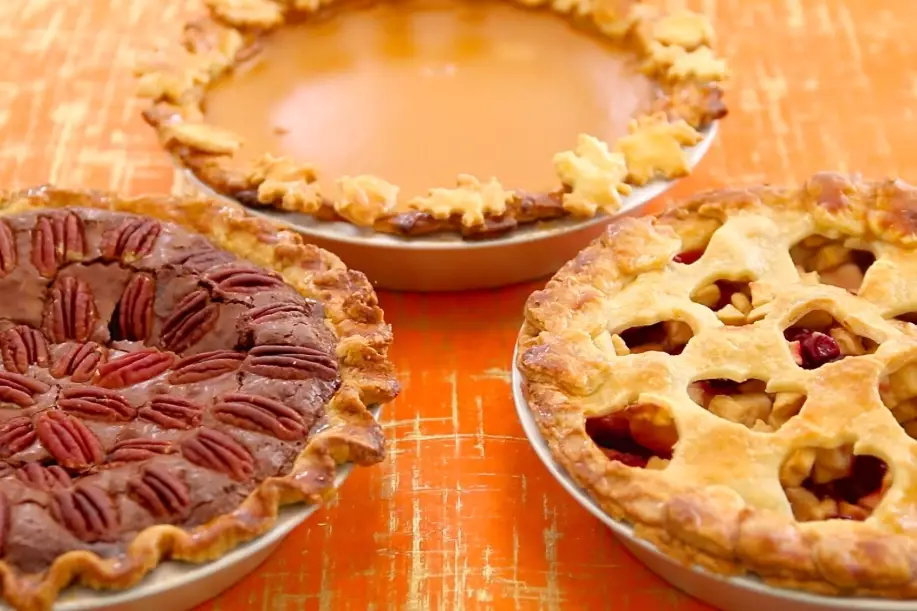
But what about the others? Sweet potato pie is a Southern gem that's often creamier and more complex than pumpkin, in my opinion. And let's not forget the humble but glorious cherry pie, or the sophisticated French silk. The point is, your Thanksgiving pie spread should have variety—something creamy, something fruity, something nutty.
Getting Your Hands Dirty: The Real Talk on Pie Crust
This is where most of the anxiety lives. Store-bought crusts are a perfectly fine shortcut, especially the frozen ones you roll out yourself. No judgment here. But if you want to try homemade, it's not as scary as it seems.
The key is keeping everything cold. I mean it. Cube your butter (or shortening, or a mix), and stick it in the freezer for 15 minutes. Use ice water. If your kitchen is warm, work quickly or even chill your bowl. The goal is little pockets of solid fat in the dough. When the pie bakes, those pockets melt and create steam, which is what gives you those beautiful, flaky layers.
Pro Tip I Learned the Hard Way: Don't overwork the dough. You're not kneading bread. Once the dough just starts to clump together when you squeeze it, stop. It will look shaggy and messy. That's good. Form it into a disc, wrap it, and chill it for at least an hour (or up to 2 days). This relaxes the gluten and re-solidifies the fat, making it much easier to roll out without shrinking.
Blind baking—pre-baking the crust before adding a wet filling—is essential for custard-based pies like pumpkin. To prevent the crust from puffing up or sliding down, line it with parchment paper and fill it with pie weights (dried beans or rice work perfectly). Bake it until it's just set and starting to dry out, but not browned. This creates a barrier so the liquid filling doesn't make the bottom crust soggy.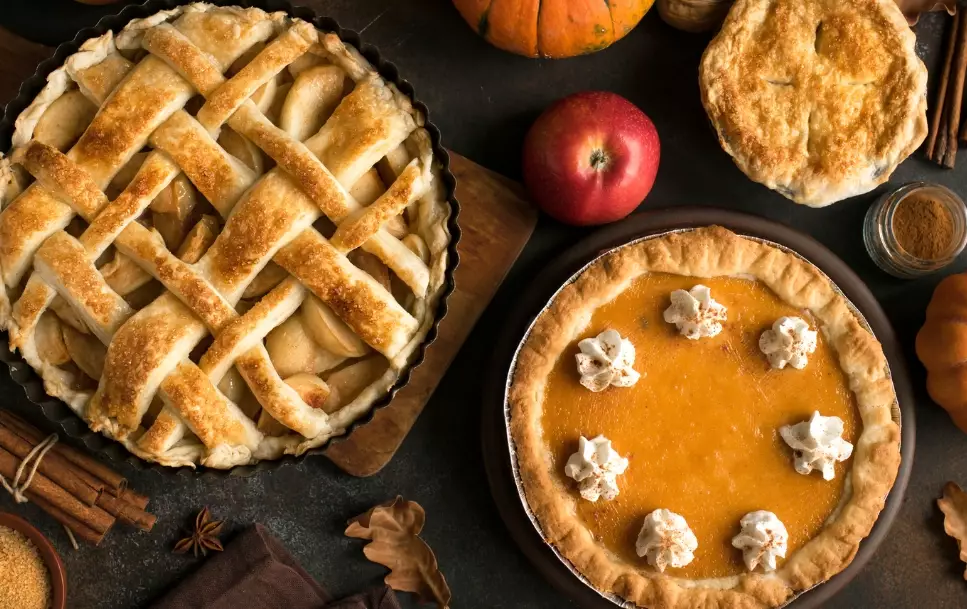
Beyond the Basics: Modern Twists and Dietary Tweaks
The classics are classic for a reason, but maybe you want to shake things up. Or maybe you need to accommodate guests with dietary restrictions. The world of Thanksgiving pies has expanded beautifully.
Flavor Adventures
Why not add a bourbon caramel drizzle to your pecan pie? Or swirl a ribbon of salted caramel into your apple pie filling? For pumpkin, try adding a tablespoon of bourbon or dark rum to the custard—it deepens the flavor incredibly. A gingersnap crust instead of a traditional one for a pumpkin or sweet potato pie adds a wonderful spicy crunch.
Dietary needs don't mean missing out. For a gluten-free crust, a blend of almond flour and oat flour works wonders and adds great flavor. For dairy-free, coconut milk or full-fat oat milk can replace cream in most custard fillings with excellent results. I made a vegan pumpkin pie using coconut milk and cornstarch as a binder last year, and it was so good my non-vegan brother-in-law ate two slices.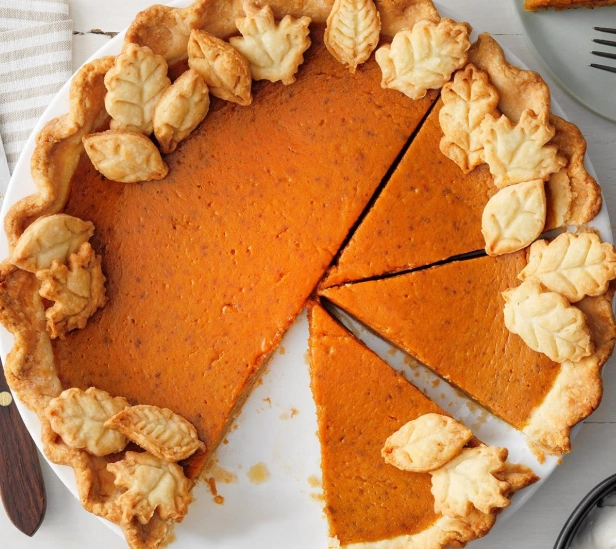
A Note on Substitutions: When swapping key ingredients, especially in custard pies, do a test batch if you can. Thickeners and liquid ratios can behave differently. A great resource for reliable, tested recipe formulas is the King Arthur Baking website. Their recipe development is meticulous, and they have fantastic guides on ingredient science.
The Practical Side: Choosing, Storing, and Serving
Not everyone bakes. Maybe you're ordering from a bakery or picking one up from the store. What should you look for?
A good fruit pie should feel substantial for its size, not light—that means plenty of filling. The crust, even if it's not homemade, should look evenly baked, not pale or burnt. For custard pies, avoid any with large cracks across the top (small hairline ones are fine), as it can indicate overbaking. Give it a gentle shake; it should have a slight, uniform jiggle in the center, not a wobbly wave.
Storage is crucial. Never store pies in the plastic clamshell they came in for more than a few hours. It traps steam and turns the crust to leather. For fruit pies, you can store them at room temperature, covered loosely with foil, for up to two days. Custard and cream pies must go in the fridge. Most Thanksgiving pies freeze surprisingly well. Wrap the whole pie or individual slices tightly in plastic wrap, then foil, and freeze for up to 3 months. Thaw in the fridge overnight.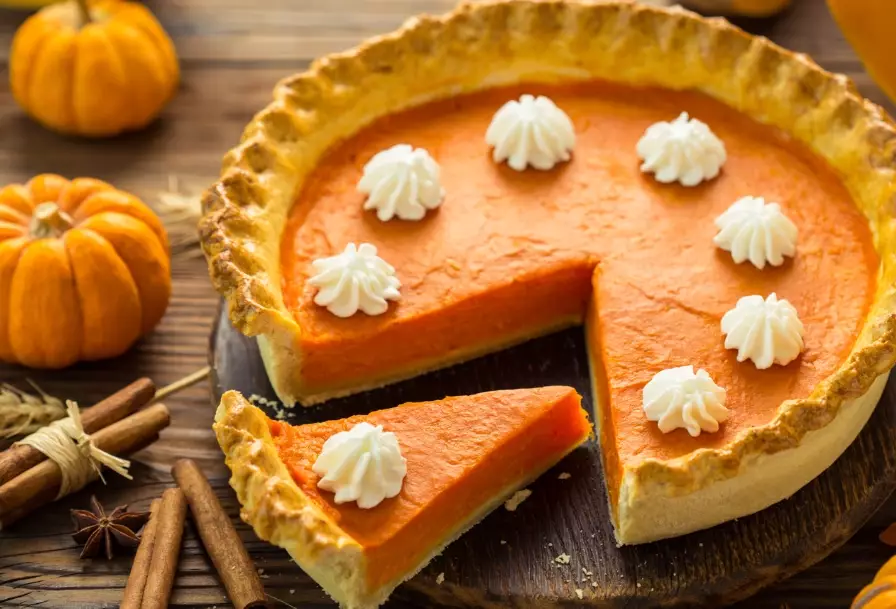
| Pie Type | Best Served | Room Temp Safe? | How to Reheat a Slice |
|---|---|---|---|
| Pumpkin / Sweet Potato | Chilled or Room Temp | No (contains eggs/dairy) | 10 mins in a 300°F (150°C) oven, or microwave for 15 secs. |
| Pecan | Room Temp or Slightly Warmed | Yes, for 1-2 days | 12 mins in a 300°F (150°C) oven to re-crisp crust. |
| Apple / Fruit | Warmed | Yes, for 2 days | 15 mins in a 325°F (165°C) oven (best method). |
| Cream Pies (e.g., French Silk) | Chilled | Never | Do not reheat. Serve cold. |
And what about leftovers? Pie for breakfast is a time-honored tradition. But you can also get creative: crumble leftover pie (crust and all) over vanilla ice cream. Blend a slice of pumpkin pie into a milkshake. Or make a next-day pie parfait with layers of crumbled pie and whipped cream.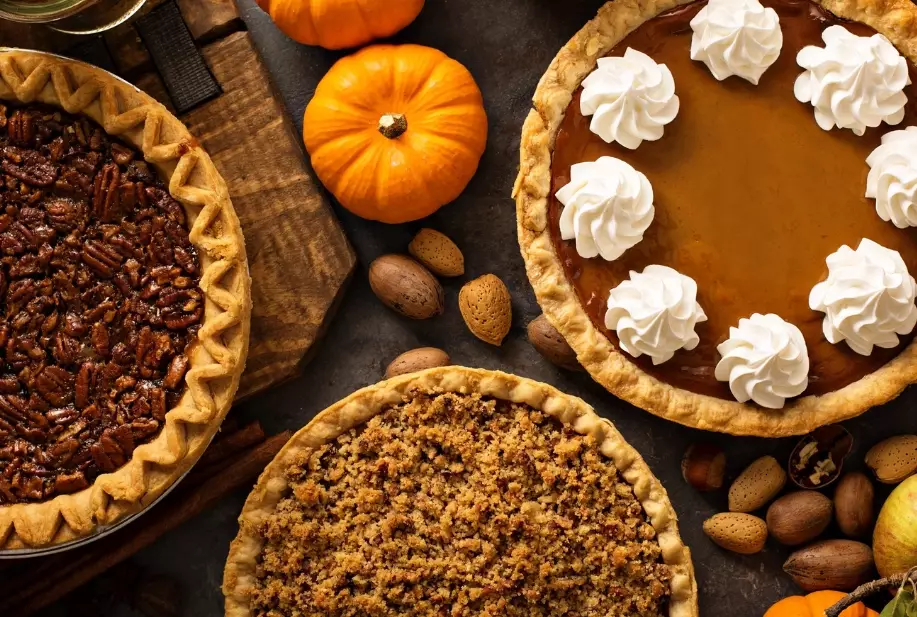
Answers to Your Burning Pie Questions (FAQ)
These are the questions I get asked every single November, the ones people are secretly Googling while their pie cools.
Can I make my Thanksgiving pies ahead of time?
Absolutely, and you should to save stress. Fruit pies are actually better made 1-2 days ahead; the flavors meld. Bake them completely, cool, and store at room temp. Unbaked fruit pies freeze beautifully for months. For custard pies like pumpkin, you have two great options: 1) Bake it completely 1-2 days ahead, cool, and refrigerate. 2) Make the filling and the crust separately up to 3 days ahead, keep the filling chilled and the crust disc wrapped in the fridge, then assemble and bake on the day. It takes 90 minutes start-to-finish on Thanksgiving morning, which is very doable.
My pie crust is tough. What did I do wrong?
You probably overworked the dough and developed too much gluten. Remember, mix until *just* combined. Also, using too much water or not enough fat can lead to toughness. Next time, try a recipe that uses a combination of butter (for flavor) and vegetable shortening or lard (for tenderness). The Serious Eats food science section has fantastic deep-dives into the chemistry of pie crust that can help you troubleshoot.
How do I prevent a soggy bottom crust?
The enemy of crisp crust is moisture. For fruit pies, toss your fruit with a thickener like tapioca flour or cornstarch to absorb juices. Sprinkling a thin layer of ground nuts or breadcrumbs on the unbaked bottom crust before adding filling can create a barrier. And for custard pies, blind baking is non-negotiable. Also, make sure your filling is hot when you pour it into a pre-baked crust for pumpkin pie—it starts the cooking process immediately.
What's the best way to transport pies?
This is a huge pain point. For a single pie, a cardboard bakery box is fine for a short trip. For longer trips or multiple pies, get a dedicated pie carrier—they have little grippers to hold the plate in place. In a pinch, place the pie plate on a non-slip shelf liner on a flat surface in your car (like the passenger footwell). Avoid the trunk if possible; sudden stops are a disaster. For cream pies, transport them in a cooler.
Pulling It All Together for a Stress-Free Thanksgiving
Look, the goal isn't perfection. The goal is a delicious, shared moment at the end of a big meal. Whether your pie is from a famous bakery, your grandmother's recipe card, or a last-minute supermarket run, it's going to be appreciated.
If you're baking, pick one recipe you're excited about and focus on nailing it. Don't try three new complicated Thanksgiving pies on the same day. Prep what you can ahead. And remember, even a slightly burnt edge or a cracked top tastes just fine with a mountain of whipped cream on it.
The history and tradition behind these desserts are part of what makes them special. For a fascinating look at how pumpkin pie evolved from early colonial times to the iconic dish it is today, the Smithsonian Magazine often publishes well-researched articles on American food history. It adds another layer of appreciation when you slice into it.



Leave a Comment