I used to think cinnamon rolls required hours of rising and a degree in baking science. Then I messed up a yeast batch so badly my dog wouldn't eat it. That's when I switched to no-yeast versions, and honestly, they're better for most home bakers. You get soft, gooey rolls in under an hour—no waiting, no fuss. Let me show you how.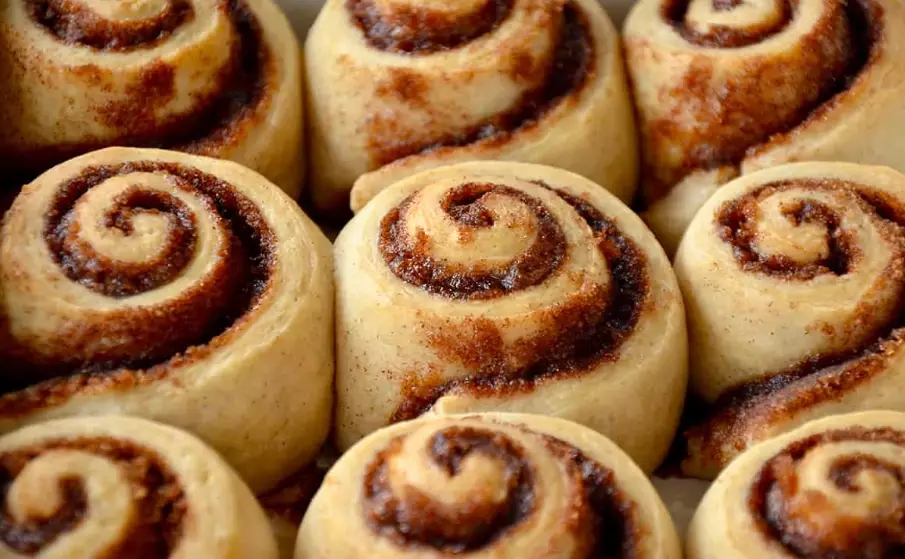
What You'll Find Inside
Why Go Yeast-Free for Cinnamon Rolls?
Time. That's the big one. Yeast recipes need 1-2 hours for rising, and if your kitchen's cold, forget it. No-yeast cinnamon rolls use baking powder and baking soda for lift, so they're ready in 30 minutes flat. Perfect for sudden cravings or lazy Sunday mornings.
Also, consistency. Yeast can be finicky—too hot, it dies; too cold, it sleeps. With no yeast, you control the outcome. I've made these with kids running around, and they still turn out. The texture? Light and tender if you do it right. Not dense like some fear.
One more thing: accessibility. Yeast isn't always in the pantry, especially now. According to baking trends reported by sources like King Arthur Baking, more people are exploring yeast-free options for convenience. It's a smart move.
Ingredients Breakdown: What Really Matters
Keep it simple. Here's what you need, and why each piece matters.
| Ingredient | Amount | Role & Tips |
|---|---|---|
| All-purpose flour | 2 cups | Use spoon-and-level method to measure. Too much flour = dry rolls. |
| Baking powder | 2 tsp | Freshness is key. Test it: mix with water; it should fizz. |
| Baking soda | 1/2 tsp | Helps browning. Don't skip. |
| Salt | 1/2 tsp | Balances sweetness. I use fine sea salt. |
| Milk (whole or 2%) | 3/4 cup | Warm it slightly—not hot, just lukewarm. Adds moisture. |
| Unsalted butter | 1/4 cup, melted | For dough and filling. Melted butter in dough keeps it tender. |
| Granulated sugar | 1/4 cup | In the dough. Not too much—the filling is sweet. |
| Brown sugar | 1/2 cup, packed | For filling. Dark brown gives deeper flavor. |
| Cinnamon | 2 tsp | Ground. Freshly opened jar for best aroma. |
| Vanilla extract | 1 tsp | In the filling. Real vanilla, not imitation. |
See? Nothing fancy. I've swapped milk for buttermilk once when I had it—added a nice tang. But stick to basics first.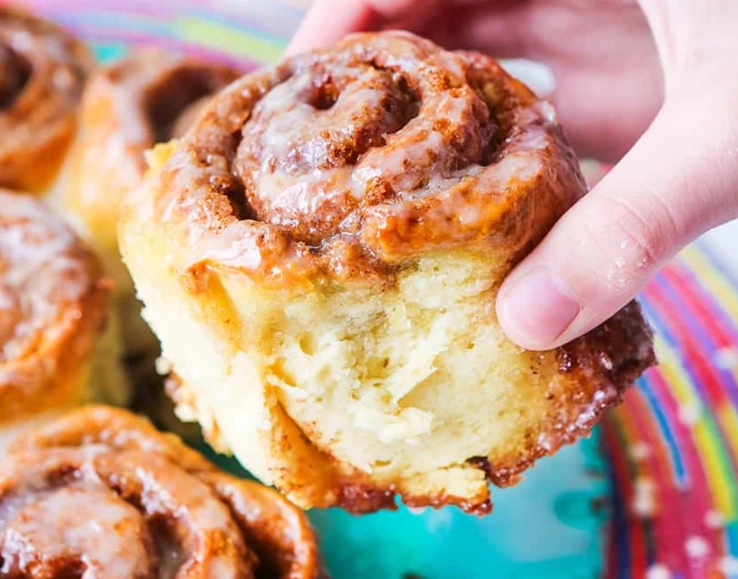
Step-by-Step: From Dough to Done
Follow this, and you'll nail it. I've broken it down so even my brother, who burns toast, can do it.
1. Mix the Dry Stuff
Whisk flour, baking powder, baking soda, salt, and sugar in a bowl. Use a fork or whisk—no need for a mixer. I do this right in the mixing bowl to save dishes.
2. Add Wet Ingredients
Pour in the warm milk and melted butter. Stir with a wooden spoon until just combined. Stop when no dry flour remains. The dough will be sticky and shaggy. That's good. Over-mixing is enemy number one here.
Pro move: Let the dough rest for 10 minutes. Cover it with a towel. This lets the flour hydrate and makes rolling easier without extra flour.
3. Make the Filling
While dough rests, mix softened butter (about 3 tablespoons), brown sugar, cinnamon, and vanilla. It should be spreadable, like paste. If it's too stiff, microwave for 5 seconds.
4. Roll and Fill
On a lightly floured surface, pat the dough into a rectangle. Don't use a rolling pin aggressively—gentle presses. Aim for 10x14 inches. Spread the filling evenly, leaving a half-inch border at one long edge.
Roll tightly from the other long edge. Use a bench scraper or knife to cut into 8-10 pieces. Dental floss works for clean cuts, but I just use a sharp knife.
5. Bake
Place rolls in a greased baking dish, touching each other. Bake at 375°F (190°C) for 18-22 minutes. They're done when golden and a toothpick comes out clean-ish. Don't over-bake—they firm up as they cool.
I glaze them with a simple mix of powdered sugar, milk, and vanilla while warm. Optional, but why not?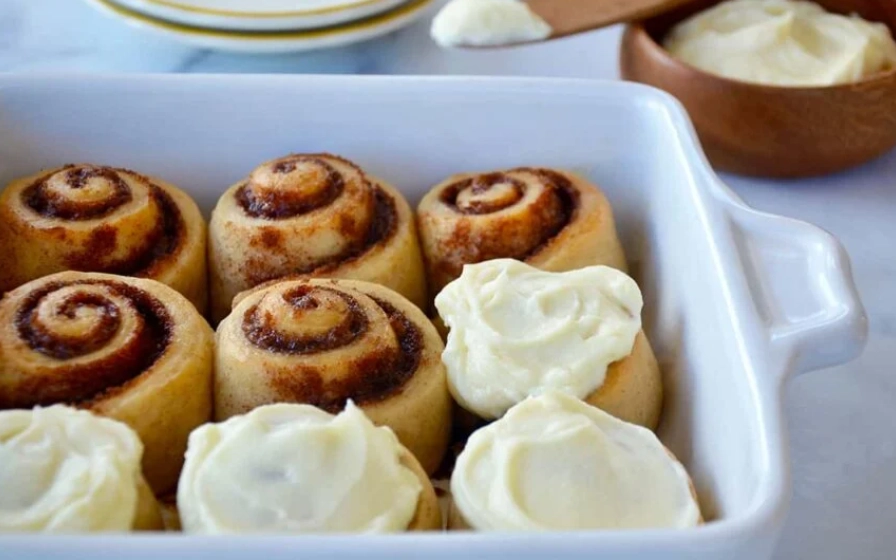
Pro Tips Most Recipes Don't Tell You
After making these dozens of times, here's what I've learned the hard way.
- Flour measurement is everything. Spoon flour into the measuring cup, then level. Scooping packs it down, adding up to 20% extra flour. Dry rolls guaranteed.
- Baking powder expiry. Check the date. Old baking powder won't lift. If unsure, do the fizz test: mix a teaspoon with hot water; it should bubble vigorously.
- Don't skip the rest. That 10-minute rest after mixing? It relaxes the gluten, making rolling easier without adding more flour. More flour means tougher rolls.
- Oven calibration. My oven runs hot, so I bake at 360°F. Use an oven thermometer. Over-baking is the second biggest mistake after over-mixing.
Watch out: If your rolls spread too much, the dough was too wet. Next time, add a tablespoon more flour. If they're dry, you over-measured flour or over-baked. It's a balance—practice once, and you'll get it.
I once added orange zest to the filling. Amazing. Experiment, but nail the basics first.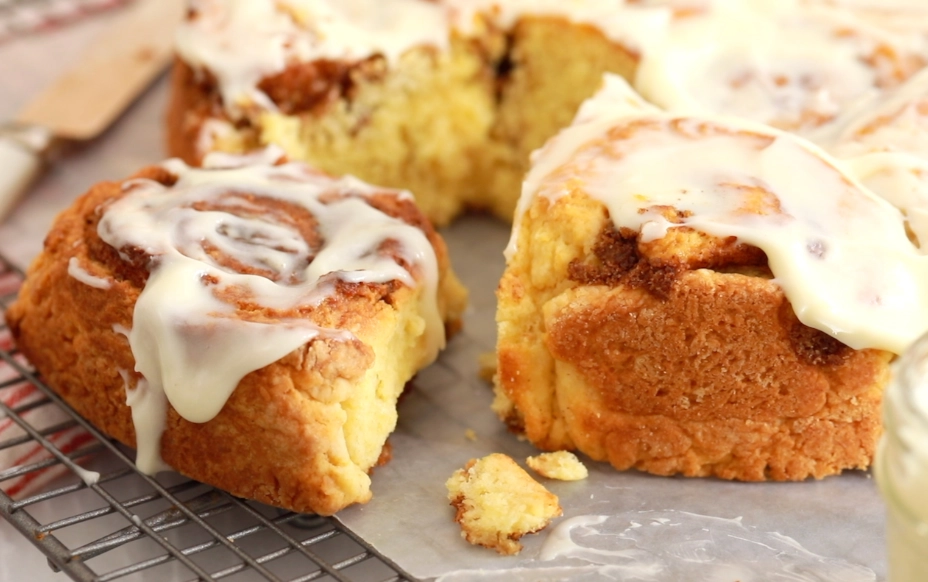
Your Questions, Answered
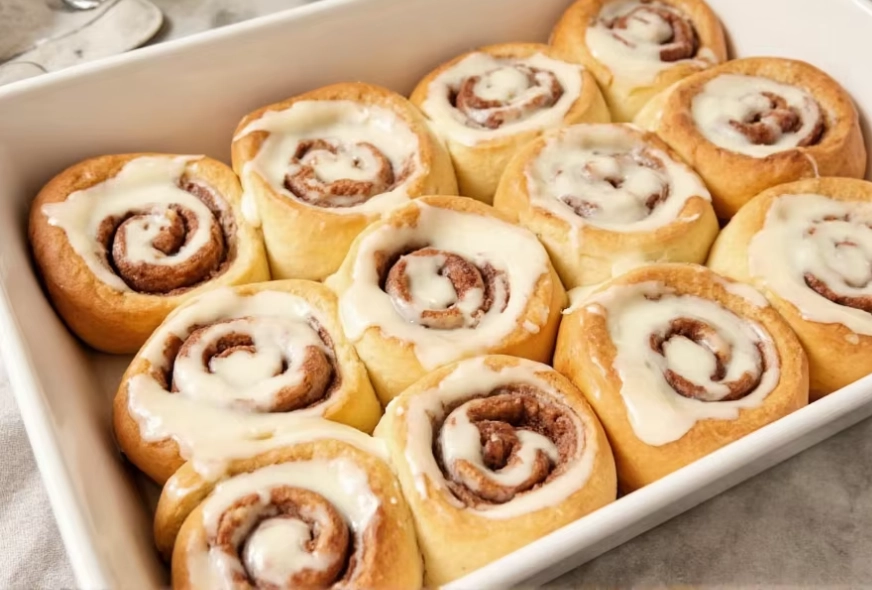 There you have it. No-yeast cinnamon rolls aren't a compromise—they're a smart shortcut. Try this recipe, tweak it to your taste, and enjoy the smell of cinnamon filling your kitchen in no time. Share your results, or keep them all to yourself. I won't judge.
Leave a Comment