In This Guide
- Getting Started: The Donut-Making Mindset & Essentials
- The Ultimate Yeast-Raised Homemade Donut Recipe
- Mastering the Cake Donut (The Quick Fix)
- The World of Toppings and Glazes
- Baked Donuts: A Healthier Homemade Donut Recipe?
- Your Donut Questions, Answered
- Troubleshooting & Pro Tips From My (Many) Mistakes
Let's be honest. The idea of making homemade donuts from scratch can feel a bit intimidating. I used to think you needed a deep fryer the size of a cauldron and some kind of mystical baker's intuition. I'd stare longingly at bakery displays, convinced those perfect, fluffy rings were forever out of my reach. Then, one snowy morning with a serious craving, I decided to give it a shot. What I discovered changed everything.
Making a homemade donut recipe is not only possible, it's surprisingly straightforward. And the payoff? Unbelievable. The smell alone is worth the effort. That warm, sweet, yeasty aroma filling your kitchen beats any scented candle. Then you bite into one—crisp on the outside, impossibly light and tender inside, still warm from the oil or oven. It's a different universe from the often-stale, overly sweet donuts you get in a box. You control the sugar, the flavors, the fillings. It becomes a treat, not just a snack.
This guide is for anyone who's ever looked at a donut and thought, "I wish I could make that." You can. We're going to walk through every single step, from choosing your flour to mastering the glaze. We'll tackle the two main families—yeast-raised (the classic, airy donuts) and cake donuts (the denser, quicker cousins)—and even look at baking as an alternative to frying. By the end, you'll have a foolproof homemade donut recipe in your back pocket and the confidence to make them whenever the mood strikes.
Getting Started: The Donut-Making Mindset & Essentials
Before we dive into mixing bowls, let's set the stage. Making donuts isn't hard, but it does require a bit of patience and the right tools. Don't worry, you don't need a professional kitchen.
My First Donut Disaster: I tried to rush the rising process once by putting the dough in an oven that was slightly too warm. I ended up with greasy, dense little hockey pucks. Patience is truly the secret ingredient you won't find in any recipe.
First, the equipment. You likely have most of this already:
- A heavy-bottomed pot or Dutch oven: For frying. This maintains a steady temperature better than a thin pot. A deep fryer is great but not necessary.
- Candy/Deep-fry thermometer: This is non-negotiable. Getting the oil temperature right is 90% of the battle for perfect fried donuts. Guessing will lead to greasy or burnt results.
- Donut cutter or two round cutters: A proper donut cutter is handy, but a large round cutter (or a wide-mouth glass) and a small bottle cap for the hole work perfectly.
- Stand mixer or strong arms: Yeast dough needs kneading. A stand mixer with a dough hook is a lifesaver, but you can absolutely do it by hand—just plan for a 10-15 minute arm workout.
- Wire racks: Essential for letting donuts cool and for glazing. They allow air to circulate all around.

Now, ingredients. The beauty of a basic homemade donut recipe is its simplicity:
- Flour: All-purpose flour is the standard and works great. For a slightly chewier texture, some bakers swap in a small amount of bread flour. The protein content matters for structure. For a deeper dive on flour types, resources from King Arthur Baking are incredibly reliable.
- Yeast (for raised donuts): Active dry yeast is the most common. Make sure it's not expired! Instant yeast works too and doesn't require "proofing" in liquid first.
- Milk & Eggs: They enrich the dough, adding flavor, color, and tenderness.
- Sugar, Butter, Salt: The flavor trio. Salt is crucial—it balances the sweetness and enhances all the other flavors.
- Oil for Frying: Use an oil with a high smoke point and neutral flavor. Canola, vegetable, or peanut oil are all excellent choices.
Yeast vs. Cake: Choosing Your Donut Destiny
This is your first big decision. What kind of donut are you in the mood for?
| Feature | Yeast-Raised Donuts | Cake Donuts |
|---|---|---|
| Texture | Light, airy, fluffy, chewy | Dense, tender, crumbly (like cake) |
| Leavening | Yeast (biological) | Baking powder/soda (chemical) |
| Time Required | Longer (1.5+ hrs for rising) | Shorter (mix and fry/bake) |
| Best For | Classic glazed, jelly-filled, boston cream | Old-fashioned, spiced, chocolate cake donuts |
| My Personal Take | Worth the wait for a special weekend treat. The texture is magical. | My go-to for a quick, satisfying craving. Less fuss, more immediate gratification. |
Still unsure?
If you love a project and that iconic, pillowy bite, go yeast. If you want donuts in under an hour with a more homey, comforting feel, cake donuts are your friend. Let's master both.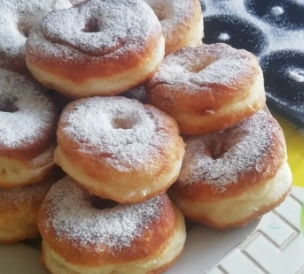
The Ultimate Yeast-Raised Homemade Donut Recipe
This is my tried-and-true base recipe. It's adaptable and forgiving. Follow these steps, and you'll be a donut hero.
Classic Yeast Donuts
Makes: About 12-14 donuts + holes
Prep: 25 mins + 1.5 hrs rising
Cook: 2-3 mins per batch
Ingredients
- 480g (4 cups) all-purpose flour, plus more for dusting
- 50g (1/4 cup) granulated sugar
- 1 tsp salt
- 7g (1 packet) active dry yeast
- 180ml (3/4 cup) warm whole milk (about 110°F/43°C)
- 2 large eggs, at room temperature
- 56g (4 tbsp) unsalted butter, softened
- 1 tsp pure vanilla extract
- Vegetable oil, for frying (about 2 quarts)
Step-by-Step Process
1. Wake Up the Yeast: In the bowl of your stand mixer, whisk the warm milk with a pinch of the sugar. Sprinkle the yeast over it. Let it sit for 5-10 minutes. It should get foamy. If it doesn't, your yeast is likely dead—start over with a fresh packet. This is called "proofing."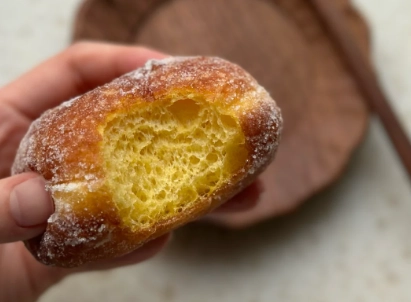
2. Make the Dough: Add the eggs, remaining sugar, butter, vanilla, and salt to the yeast mixture. Fit the mixer with the dough hook. Add 3 cups of flour and mix on low until a shaggy dough forms. Gradually add the remaining flour until the dough pulls away from the sides of the bowl. It should be soft and slightly sticky, but not wet. Knead on medium-low for 5-7 minutes until smooth and elastic. (To knead by hand: turn onto a floured surface and push, fold, and turn for 10-12 minutes.)
3. The First Rise: Place the dough in a lightly oiled bowl, turning to coat. Cover with plastic wrap or a damp kitchen towel. Let it rise in a warm, draft-free spot until doubled in size. This usually takes 1 to 1.5 hours. Don't rush it.
My favorite warm spot? An oven that's turned off but has the light on. It creates the perfect cozy environment for the yeast to do its thing.
4. Shape the Donuts: Punch down the risen dough to release air. Turn it out onto a lightly floured surface. Roll it out to about 1/2-inch thickness. Cut with your donut cutter. Gather the scraps, re-roll gently, and cut again. Place the cut donuts and holes on parchment-lined baking sheets, leaving space between them. Cover loosely and let them rise again (proof) for 30-45 minutes. They'll look puffy.
5. Fry to Perfection: This is the moment of truth. In your heavy pot, heat 3 inches of oil to 365°F-370°F (185°C-188°C). Use your thermometer! Carefully add 2-3 donuts at a time—don't crowd the pot. Fry for 60-90 seconds per side until deep golden brown. The donut holes fry even faster—about 45 seconds total. Drain on a wire rack set over a paper towel-lined sheet.
Oil Temperature is Key: If the oil is too cool, the donuts will absorb oil and become greasy. If it's too hot, they'll brown on the outside before cooking through. Adjust the heat as you go to maintain that 365-370°F range. Let the oil come back to temp between batches.
6. Cool and Finish: Let the donuts cool slightly on the rack before glazing or sugaring. They're best eaten the same day, ideally within a few hours.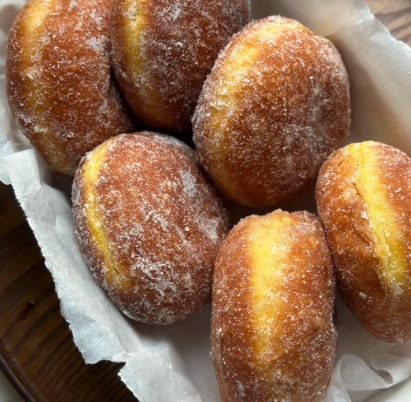
Mastering the Cake Donut (The Quick Fix)
No yeast, no long rise. This homemade donut recipe is for when you need a fix, stat.
Simple Cake Donut Recipe
- 360g (3 cups) all-purpose flour
- 150g (3/4 cup) granulated sugar
- 1 tbsp baking powder
- 1 tsp salt
- 1/2 tsp ground nutmeg (classic, but optional)
- 240ml (1 cup) buttermilk*
- 2 large eggs
- 56g (4 tbsp) butter, melted and cooled
- 1 tsp vanilla extract
*No buttermilk? Make a "soured milk" by adding 1 tbsp lemon juice or vinegar to 1 cup of regular milk. Let it sit for 5 minutes.
Method: Whisk dry ingredients. In another bowl, whisk wet ingredients. Gently fold wet into dry until just combined—do not overmix! The dough will be sticky. Turn onto a well-floured surface, pat (don't roll aggressively) to 1/2-inch thickness, and cut. Fry at 365°F for about 90 seconds per side. These are fantastic tossed in cinnamon sugar while still warm.
The World of Toppings and Glazes
This is where your homemade donuts become uniquely yours. The glaze sets, the sugar sticks, and magic happens.
The Classic Vanilla Glaze: Whisk 250g (2 cups) powdered sugar with 60ml (1/4 cup) milk or cream and 1 tsp vanilla until smooth. Dip the cooled donut tops in. For a chocolate glaze, add 2 tbsp cocoa powder. Too thick? Add a drop more milk. Too thin? More sugar.
Cinnamon Sugar: The ultimate easy finish. Mix 1 cup sugar with 1-2 tbsp cinnamon. Toss warm donuts in the mixture. The slight residual oil helps it cling perfectly.
Maple Bacon: For the adventurous. Use a maple syrup glaze (replace some milk in the vanilla glaze with real maple syrup) and sprinkle with finely chopped cooked bacon.
Simple Chocolate Icing: Melt 1 cup chocolate chips with 1/2 cup heavy cream (or 4 tbsp butter) in short bursts in the microwave, stirring until smooth. Dip and let set.
Honestly, sometimes I just dust them with powdered sugar. It's elegant and not overly sweet.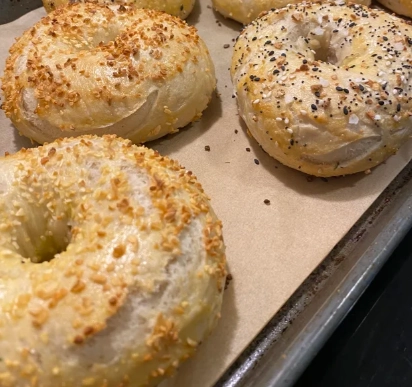
Baked Donuts: A Healthier Homemade Donut Recipe?
I know what you're thinking. A baked donut? Isn't that just a muffin in a ring shape? Well, yes and no. It's a different beast from a fried donut—it will never have that exact fried crust and airy interior. But if you're looking to cut down on oil or just want a simpler, less messy process, baked donuts are a fantastic option. They're more cake-like, tender, and perfect for a quick breakfast. You'll need a donut pan (a silicone one works great).
A basic baked donut recipe is similar to the cake donut batter above. You pipe or spoon the batter into greased donut pans and bake at 350°F (175°C) for 9-12 minutes. They're done when they spring back when touched. Let them cool in the pan for a few minutes before glazing.
Are they as good? In my opinion, no—they lack that transformative fried quality. But they are delicious in their own right, and my kids devour them. They're a great gateway into homemade donut making.
Your Donut Questions, Answered
I've gotten a lot of questions from friends and family since I started making these. Here are the big ones.
Troubleshooting & Pro Tips From My (Many) Mistakes
I've messed up enough times to have a list of what not to do.
- The Dough is Too Sticky to Handle: Don't just dump in more flour. Flour your hands and the work surface well. A bench scraper is a fantastic tool for handling sticky dough without adding too much extra flour, which can make the donuts tough.
- The Donuts Have a Raw Dough Line in the Middle: Your oil was too hot. The outside cooked too fast, sealing the inside before it had time to cook through. Lower the temp for the next batch.
- The Glaze is Soaking In and Making the Donut Soggy: You're glazing them while they're too hot. Let them cool completely on the rack first. The glaze should set on the surface.
- They Taste Greasy: The oil temperature was too low, or you're not letting them drain properly on the wire rack. A paper towel underneath the rack helps, but the rack is essential to let grease drip away from all sides.
One last tip?
Make the holes. They're the cook's treat, and they fry in seconds. Toss them in sugar and eat them immediately. It's the best part of the job.
So there you have it. A complete guide to your new favorite kitchen project. A homemade donut recipe isn't just a list of ingredients; it's a path to something warm, delicious, and deeply satisfying to make. It might seem like a lot of steps, but each one is simple. And the result—a platter of donuts you made yourself—feels like a genuine accomplishment. Clear a Saturday morning, put on some music, and give it a try. Your kitchen is about to smell amazing.

Leave a Comment