Let's be honest. The idea of making macarons at home is intimidating. You've seen the pictures of cracked shells, hollow interiors, and feet that spread like pancake batter. I was there too. My first batch was a complete disaster—stuck to the mat, no feet, a total mess. But after years of teaching baking classes, I've nailed down a method that works for beginners. The secret isn't just in the recipe; it's in understanding the why behind each step. This guide will walk you through a reliable French macaron recipe, but more importantly, it will explain the science and the feel of the process. You can make beautiful macarons on your first try. Really.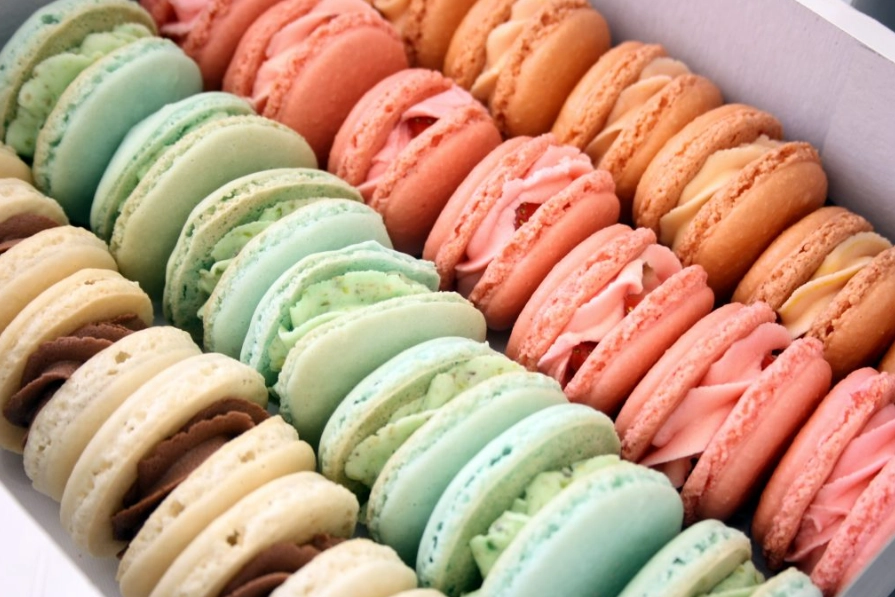
Your Macaron Roadmap
Gathering Your Arsenal: Ingredients & Equipment
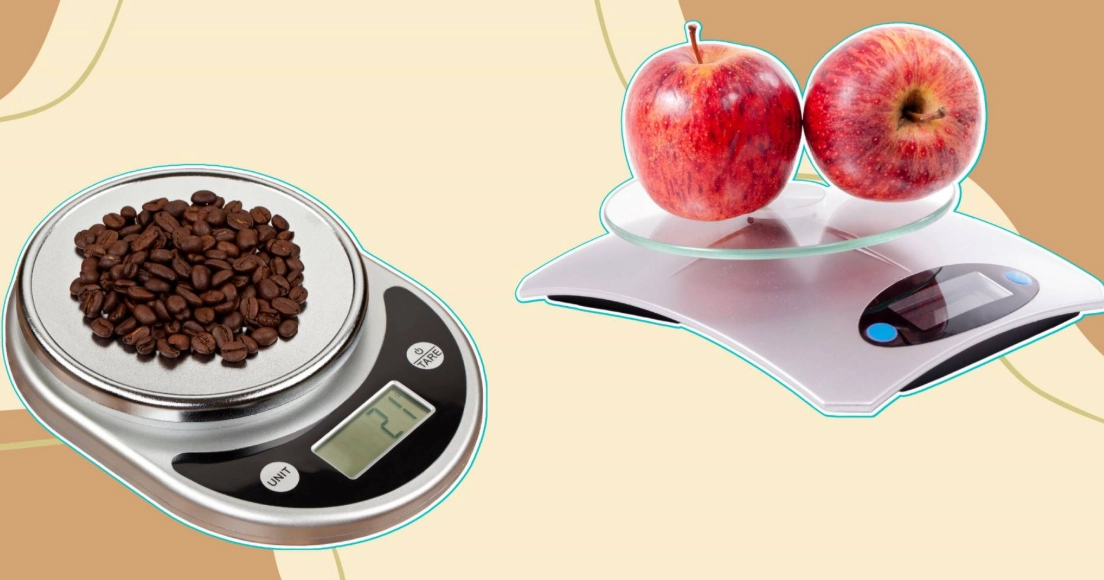
Precision is non-negotiable. Baking is a science, and macarons are the PhD final exam. Use a kitchen scale. Measuring cups are your enemy here—a few grams off can ruin everything.
| Ingredient | Weight | Why It Matters & Notes |
|---|---|---|
| Almond Flour | 100g | Use super-fine, blanched almond flour. Sift it TWICE with the powdered sugar to remove any lumps. Store-bought brands vary; I've had consistent luck with brands like Bob's Red Mill or Blue Diamond. |
| Powdered Sugar (Icing Sugar) | 100g | Just the regular kind. Don't use anything labeled "freeze-dried" or with added cornstarch (unless it's already in there, which it usually is). |
| Egg Whites | 75g (about 2-3 large eggs) | This is the biggest game-changer. Use aged egg whites. Separate your eggs 24-48 hours ahead, cover loosely, and leave them in the fridge. This dehydrates them slightly, creating a more stable meringue. Bring to room temperature before using. |
| Granulated Sugar | 50g | Regular white granulated sugar is perfect. |
| Food Coloring | Gel or powder | Avoid liquid food coloring. It adds extra moisture and can deflate your meringue. Gel coloring is your best bet. Add it to the meringue after soft peaks form. |
Equipment Checklist: Kitchen scale, fine-mesh sieve, stand mixer or hand mixer (stand mixer is easier), rubber spatula, piping bag fitted with a ½-inch round tip (like Wilton 1A or 2A), parchment paper or silicone baking mats, baking sheets.
The Crucial Prep Work (Don't Skip This!)
90% of macaron failures happen before you even turn on the mixer. Let's set you up for success.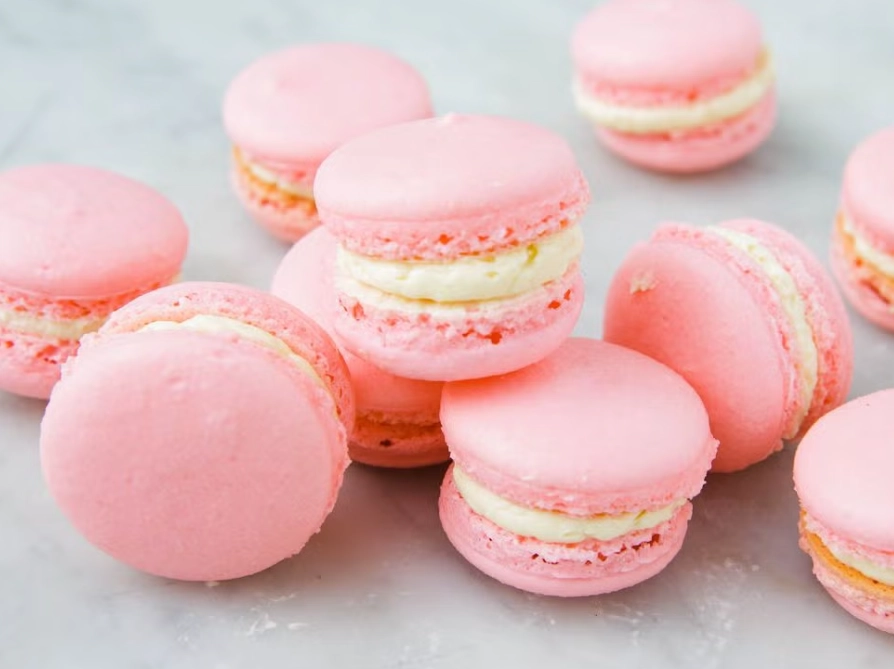
Sift, then sift again. Combine your 100g almond flour and 100g powdered sugar in a bowl. Push them through a fine-mesh sieve. Discard any large almond bits left in the sieve. Do this a second time. This ensures an ultra-fine, lump-free dry mix, which is essential for smooth tops.
Prepare your baking sheets. Line them with parchment paper or silicone mats. If using parchment, you can dab a little batter under each corner to stick it down. Have your piping bag ready, fitted with the tip.
Weigh everything in separate bowls. Your egg whites, granulated sugar, and sifted almond flour/powdered sugar mix should all be measured and ready to go. This "mise en place" prevents frantic mid-process measuring.
The Step-by-Step Process: From Meringue to Macaronage
1. Making the French Meringue
Place your room-temperature, aged egg whites (75g) in a very clean, grease-free bowl. Any trace of yolk or oil will prevent the whites from whipping properly.
Start whipping on medium speed until the whites are frothy and look like loose bubbles. Gradually add the 50g of granulated sugar, about a tablespoon at a time, while the mixer is running. Once all the sugar is in, increase the speed to medium-high.
Whip until you reach stiff, glossy peaks. This is critical. The meringue should stand straight up when you lift the beater. It should feel firm and not slip if you turn the bowl upside down (be brave, but maybe do this over the sink first!). Add your gel food coloring at the soft peak stage.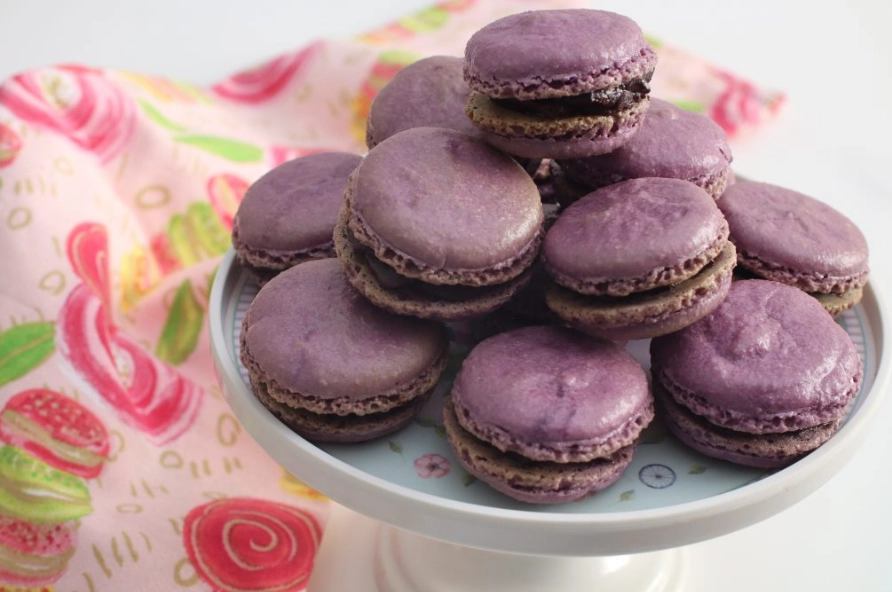
Common Meringue Mistake: Under-whipping leads to flat, spread-out macarons. Over-whipping makes the meringue grainy and dry, leading to hollow shells. Stop when it's just firm and glossy.
2. The Macaronage (The Folding Technique)
This is where the magic (or the tragedy) happens. Add all of your sifted dry ingredients to the meringue at once.
Using a flexible rubber spatula, start folding. The goal is to deflate the meringue just enough to combine everything into a lava-like consistency. Use a J-shaped folding motion: cut down through the center, scrape along the bottom, and fold up the sides while rotating the bowl.
After about 25-30 folds, start testing. Lift your spatula and let the batter drip back into the bowl. It should flow in a continuous, thick ribbon. When the ribbon settles back on itself, the "figure" it creates should slowly melt back into the surface after about 10-15 seconds. If it holds its shape forever, keep folding. If it's runny and spreads immediately, you've gone too far.
My personal rule? It's better to be slightly under-mixed than over-mixed. You can always do a few more folds, but you can't undo over-mixing.
3. Piping and Tapping
Fill your piping bag. Hold the bag perpendicular to the baking sheet, about half an inch above it. Pipe consistent rounds, about 1.5 inches in diameter. A steady, even pressure is key—don't swirl.
Once all are piped, firmly tap the baking sheet against your counter 3-4 times. This releases any large air bubbles that could cause cracks during baking. Use a toothpick to pop any visible bubbles on the surface.
Now, let them rest. This is the "drying" phase. Leave them out at room temperature until a skin forms on the surface. You should be able to lightly touch the top without any batter sticking to your finger. This can take 20-60 minutes depending on your kitchen's humidity. The skin is what forces the macaron to rise upwards during baking, creating the iconic "feet."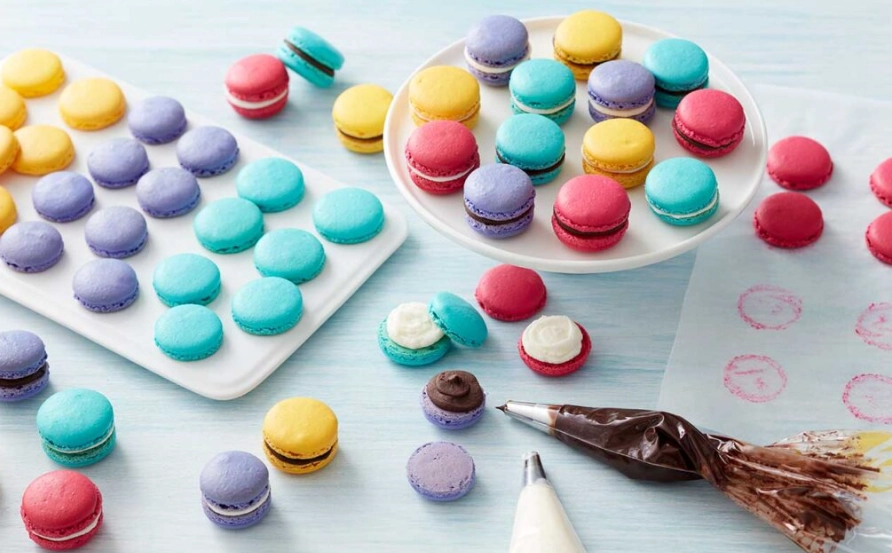
Baking, Cooling, and the Grand Finale: Assembly
While the shells rest, preheat your oven to 300°F (150°C). Not 325°, not 290°. 300°F. Oven thermometers are cheap and essential—your oven's dial is probably lying to you.
Bake one sheet at a time in the center rack for 15-18 minutes. They are done when they have developed feet, the tops are firm, and they don't wiggle when you gently nudge the top. Let them cool completely on the baking sheet before trying to remove them. They will release easily from parchment or a silicone mat when fully cooled.
For the Filling: Keep it simple for your first batch. A classic is American buttercream (butter, powdered sugar, vanilla, a pinch of salt) or a simple chocolate ganache (heat ½ cup heavy cream, pour over ½ cup chopped dark chocolate, let sit, then stir). Match the filling color to your shells for a professional look.
Pair similar-sized shells. Pipe or spread filling on the flat side of one shell, then sandwich with another. Press gently until the filling reaches the edges.
The Final Secret: Macarons taste best after maturation. Store them in an airtight container in the fridge for 24 hours. This allows the shells to absorb moisture from the filling, becoming chewy and flavorful throughout. This step transforms them from good to sublime.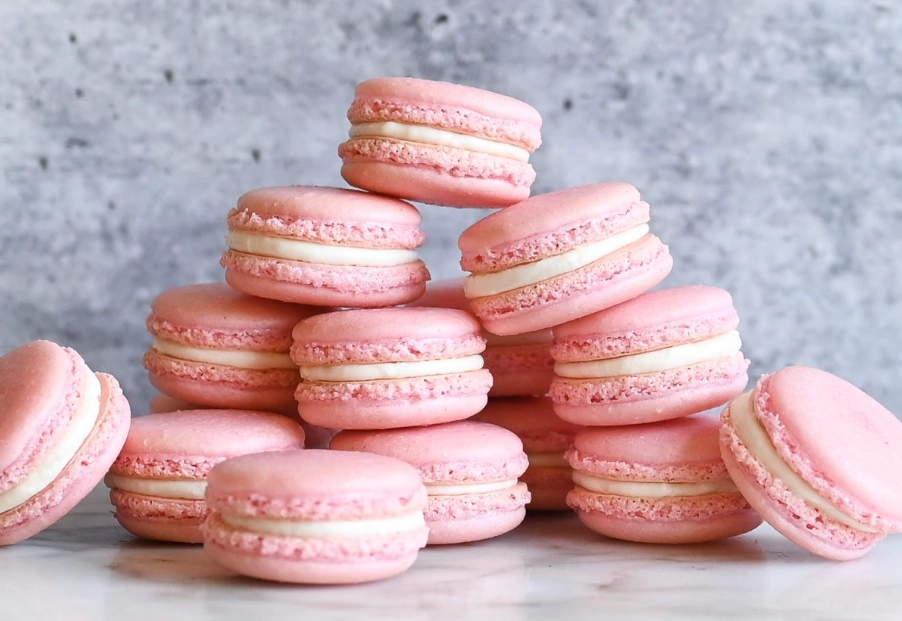
Pro Tips From a Decade of Mistakes
- Humidity is the enemy. Avoid making macarons on rainy, humid days if you can. The shells will take forever to dry and may not develop properly.
- Clean bowl trick. Wipe down your mixing bowl and whisk attachment with a paper towel dampened with white vinegar or lemon juice before adding egg whites to eliminate any hidden grease.
- The "under-the-bowl" test. If your meringue seems weak, place the mixing bowl over a pot of simmering water (double boiler) for 10-15 seconds while whisking gently. The gentle heat can help stabilize it. Don't let the eggs cook!
- Rotate your tray. If your oven has hot spots, rotate the baking sheet halfway through the baking time for even coloring.
Your Macaron Questions, Answered
 Can I use liquid egg whites from a carton?
Leave a Comment