Quick Baking Guide
So you're standing in your kitchen, looking at the oven, and thinking... what on earth can a beginner bake? I've been there. The first time I tried to bake, I attempted a fancy layer cake for a friend's birthday. It was a disaster. The layers were lopsided, the frosting was runy, and it tasted... well, let's just say it wasn't good. I almost gave up right then. But then I tried something simpler, and that's when everything clicked.
That's the secret, really. You don't start with the hard stuff. You start with recipes that are forgiving, that don't require fancy techniques or expensive equipment. Recipes that say "hey, it's okay if it's not perfect, it'll still taste amazing."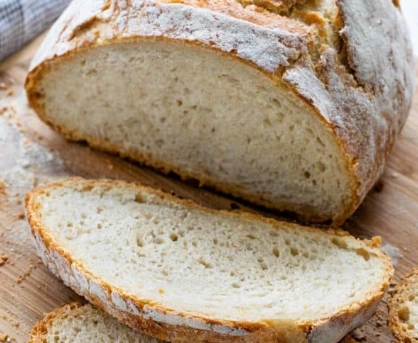
And guess what? There are tons of them.
This guide isn't about showing off complicated patisserie skills. It's about answering that core question: what can a beginner bake that will actually work, build confidence, and taste delicious? We're going to talk about real recipes, the tools you actually need (not the ones fancy blogs tell you you need), and how to sidestep the common pitfalls that trip everyone up at the start.
Why Baking is Actually Perfect for Beginners
People get scared of baking because they think it's like chemistry. And in a way, it is. But it's a friendly, forgiving kind of chemistry, especially when you pick the right recipes. Unlike cooking, where you often "eye-ball" things, baking gives you clear instructions. Follow them, and you'll likely get a great result. It's a roadmap.
My first real success was a batch of chocolate chip cookies. They were a little too brown on the bottom, but my family devoured them. That feeling—of creating something from basic ingredients that people genuinely enjoy—is addictive. It's what keeps you going.
You're not just making food. You're creating little edible projects. And when you're wondering what a beginner can bake, you're really asking for a project with a high chance of success and a big payoff in smiles (or satisfied munching sounds).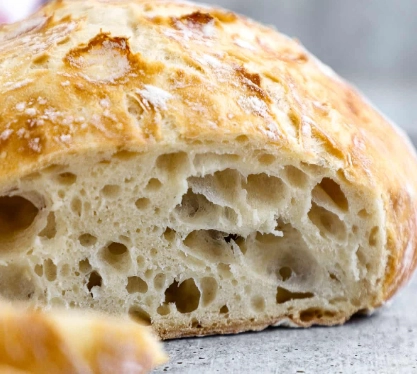
The Bare Minimum Gear You Actually Need
Don't get sucked into buying a kitchen's worth of gear. You can start with almost nothing. Seriously.
I baked my first loaf of bread in a mixing bowl I also used for salads (washed very well, of course) and a wooden spoon. Here's the real starter kit:
- A large mixing bowl: One is enough to start.
- Measuring cups and spoons: This is where the "chemistry" part matters. Be precise with these, especially in baking. The U.S. Department of Agriculture provides great resources on standard measurements if you're ever unsure about conversions.
- A whisk or a wooden spoon: For mixing. A fork can work in a pinch for some things.
- A baking sheet (cookie tray): The workhorse of the beginner baker.
- A loaf pan or a square baking pan (8x8 inch): Opens up the world of quick breads and brownies.
- Spatula: To scrape every last bit of batter out of the bowl. Wasting batter is a crime!
See? No stand mixer, no fancy pans, no blowtorch. You probably own most of this already. The one thing I'll add is an oven thermometer. Ovens lie. Mine runs about 15 degrees hot, and knowing that saved countless bakes. It's a cheap and game-changing tool.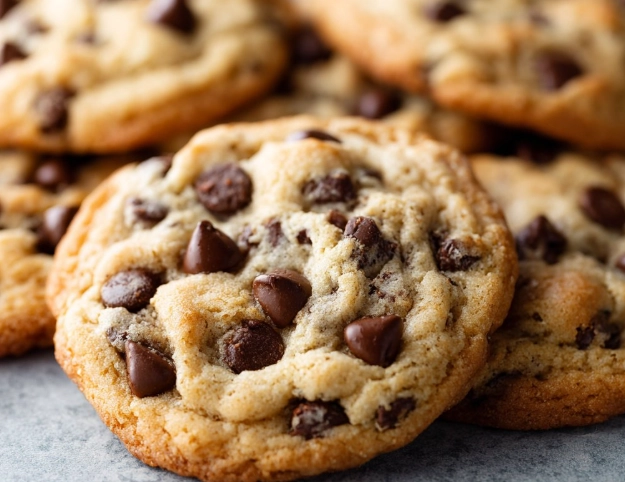
The Ultimate "What Can a Beginner Bake?" Recipe Ranking
Let's get to the good stuff. Here's a curated list, from "can't mess it up" to "ready for a slight challenge." I've ranked these based on forgiveness, ingredient simplicity, and the sheer joy factor.
| Recipe | Why It's Great for Beginners | Key Skill You'll Learn | The "Success is Almost Guaranteed" Tip |
|---|---|---|---|
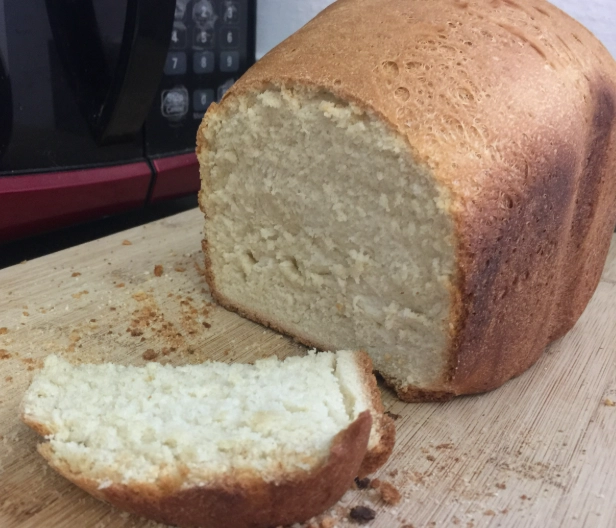
| No-Knead Bread | Only 4 ingredients (flour, water, salt, yeast). Time does the work for you. Looks incredibly impressive. | Patience, and handling a wet dough. | Use a digital thermometer to check it's done (205-210°F internally). |
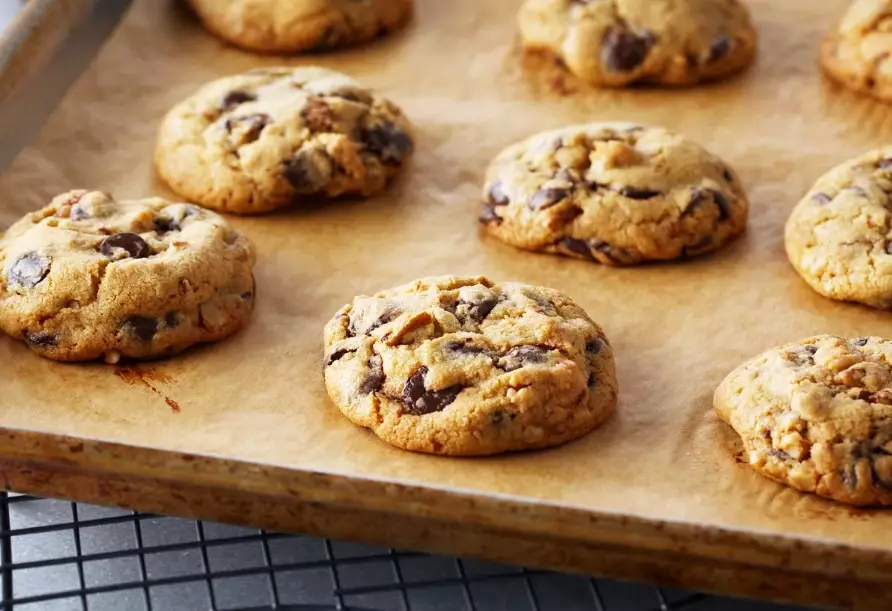
| Classic Chocolate Chip Cookies | Familiar, forgiving, and everyone loves them. Dough is hard to ruin. | Creaming butter & sugar, scooping dough. | Underbake them slightly—they continue to cook on the hot tray out of the oven. |
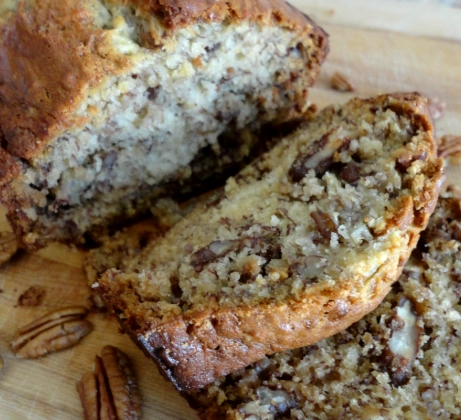
| Banana Bread | Uses up old bananas. Mixing is literally "stir until combined." Hard to make dry if bananas are ripe. | One-bowl mixing, baking in a loaf pan. | Mash the bananas until completely smooth for even moisture. |
| Brownies (from a mix, then from scratch) | Start with a box mix to understand the process. Then try a simple from-scratch recipe. The difference is night and day. | Following package vs. recipe instructions, learning when a batter is "just mixed." | For scratch brownies, don't overmix after adding flour. A few streaks are fine. |
| Muffins (Blueberry or Chocolate) | Another "mix until just combined" champion. Portioning is easy with an ice cream scoop. | The "muffin method" (wet + dry), avoiding overmixing. | Toss frozen blueberries in a little flour to prevent them from sinking. |
| Sheet Pan Pancakes or Cookie Bars | No individual scooping or flipping. Pour batter into a pan, bake, and cut into squares. Foolproof. | Even spreading in a pan, visual cues for doneness. | For cookie bars, press the dough firmly into the pan for even baking. |
That's just the top tier. When you're pondering what can a beginner bake, any item on that list is a fantastic starting point. They all have a wide "margin of error."
But maybe you want something specific. Let's break it down by category.
If You Want Something Savory
Beginner bakers often forget about the savory side. A simple beer bread (just self-rising flour, sugar, and beer—no yeast!) is shocking in its simplicity and delicious with soup. Cheese scones or drop biscuits are also fantastic. They come together in minutes and don't require rolling or cutting—just drop spoonfuls onto a tray.
If You Want Something Fancy (But Still Easy)
Try a fruit crisp or crumble. The "filling" is just chopped fruit with a little sugar. The topping is flour, oats, sugar, and butter rubbed together with your fingers until crumbly. Sprinkle it on, bake. It tastes like a pie without the stress of a crust. A pound cake is also deceptively simple. It's called pound cake because the traditional recipe is a pound each of flour, butter, sugar, and eggs. Simple ratios, simple mixing, stunningly good results.
If You Have 30 Minutes Total
Mug cakes. Seriously. They are the ultimate answer to "what can a beginner bake" in a time crunch. They mix in the mug you cook them in. They bake in the microwave in 90 seconds. Is it gourmet? No. Is it a warm, chocolatey, instant dessert that you made yourself? Absolutely. It's a confidence booster.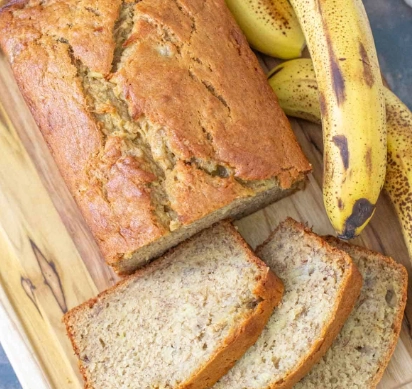
Moving from "Beginner" to "Confident"
Once you've got a few wins under your belt, you'll naturally start asking "what's next?" This is where you can gently stretch your skills without jumping off a cliff.
Here's a logical progression path:
- Master the "all-in-one-bowl" recipes (banana bread, muffins). Skill: Simple mixing.
- Try recipes that require "creaming" butter and sugar (cookies, some cakes). Skill: Using a mixer (or elbow grease) to incorporate air.
- Experiment with yeast (start with that no-knead bread, then try simple dinner rolls). Skill: Patience and temperature awareness.
- Make a pie with a store-bought crust. Focus on the filling first (like a pumpkin pie mix). Skill: Blind baking a crust (baking it empty with weights).
- Make your own pie crust from scratch. Skill: Cutting fat into flour, handling dough lightly.
Each step introduces one or two new concepts. It's manageable. It's how you learn what ingredients do. For example, why do we cream butter and sugar? It creates tiny air pockets that help the cookie rise. Understanding the "why" makes you a better baker. Websites like Serious Eats have fantastic deep-dive articles on the science of baking that are accessible once you have the basics down.
And what about failures? They will happen. I once used salt instead of sugar in a batch of shortbread. It was... memorable. The key is to figure out what went wrong. Was the oven too hot? Did I overmix? Was my baking powder old? Learning from a failed bake teaches you more than a perfect one ever could.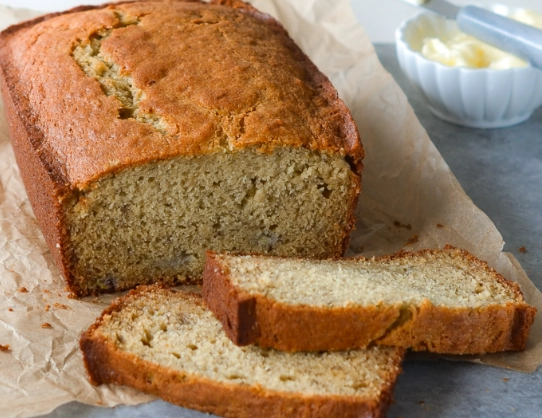
Your "What Can a Beginner Bake?" Questions, Answered
No. Full stop. A hand mixer is helpful for things like whipping cream or egg whites, but for most beginner recipes, a strong arm and a wooden spoon are perfect. I didn't get a stand mixer for years. Don't let the lack of one stop you.
This is usually one of three things: 1) Your butter was too warm/almost melted. Cream *softened* butter, not melted. 2) Your baking sheet was still warm from the last batch. Always use a cool sheet. 3) Your dough wasn't chilled. For many cookie recipes, chilling the dough for 30 minutes firms up the fat and prevents spread.
The crust color is a clue, but the best way is sound and feel. It should sound hollow when you tap the bottom. Even better, use that instant-read thermometer. For most breads, an internal temperature of 190-210°F (depending on the type) means it's done. This tip alone will prevent gummy, underbaked loaves.
Be very careful with substitutions as a beginner. They change the chemistry. Oil and butter behave differently. Whole wheat flour absorbs more liquid. For your first few attempts, follow the recipe exactly. Once you're comfortable, you can start experimenting in small ways. King Arthur Baking has an excellent, reliable guide to ingredient substitutions for when you're ready.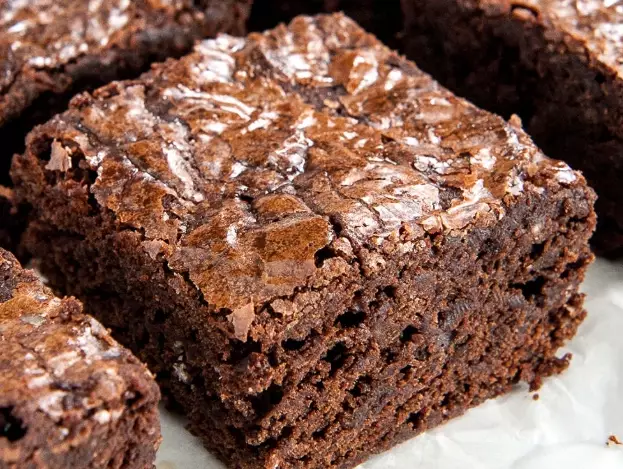
Overmixing. After you add flour to a cake batter, gluten starts to develop. Mix too much, and you get a tough, dense network. Mix just until the last streaks of flour disappear. It will feel wrong, like it's not mixed enough. Trust me, it is.
So, what's the final answer to what can a beginner bake?
You can bake anything that builds your confidence one step at a time.
Start with a simple, forgiving recipe from the list above. Read the recipe twice before you start. Measure carefully. Pay attention to the state of your ingredients (is the butter soft? Are the eggs room temp?). And most importantly, enjoy the process. The slight anxiety as you peer through the oven door. The amazing smell that fills your kitchen. The pride of pulling out something you made.
Baking is a journey. Your first bake might be lopsided, or a little too dark, or slightly under-salted. Who cares? You made it. And the next one will be better. Before you know it, you won't be asking "what can a beginner bake?" You'll be asking, "what delicious thing should I bake next?"
Leave a Comment