That first time you pull a pan from the oven, something changes. The smell hits you first—warm, sweet, and promising. Then you see it. Maybe it’s lopsided, maybe the top cracked a little. But you made it. From flour and eggs and butter, you created something real. That feeling, that's what hooks you. But standing in the kitchen, staring at a bag of flour, the question isn't just "what can I bake?" It's "what should I bake first that won't make me want to quit?" Let's skip the fancy stuff and get straight to the recipes that build confidence, not confusion.
Your Quick Start Guide
5 Foolproof Recipes to Start Your Baking Journey
Forget the intricate layer cakes and delicate pastries for now. We're starting with recipes that are forgiving. They have wide margins for error, use simple techniques, and deliver massive reward for minimal stress. I've taught enough classes to see the patterns—these are the ones where beginners consistently walk away beaming.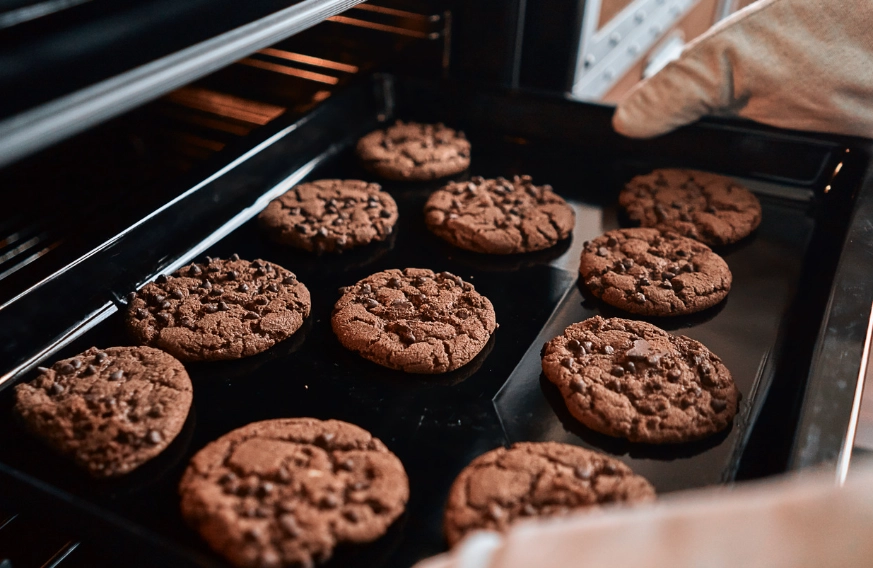
1. The No-Knead, No-Fuss Banana Bread
This is the ultimate gateway bake. Why? Overripe bananas are the star, and they bring so much moisture and natural sweetness that it's incredibly hard to make a dry loaf. You're essentially mixing wet and dry ingredients in two bowls, then combining them. No creaming butter and sugar, no fancy folding. The batter is thick and forgiving.
The secret most recipes don't tell you: Don't just mash the bananas into a puree. Leave some small chunks. During baking, those chunks caramelize into little pockets of intense banana flavor that will make your version taste better than any cafe's.
2. The One-Bowl Chocolate Chip Cookie
Everyone loves a good cookie, and starting here teaches you fundamental skills: how to cream butter and sugar (just until combined, not until fluffy and white—that's for cakes), how to incorporate flour without overmixing, and the importance of chilling dough. Yes, you must chill it. An hour in the fridge prevents the dreaded cookie puddle.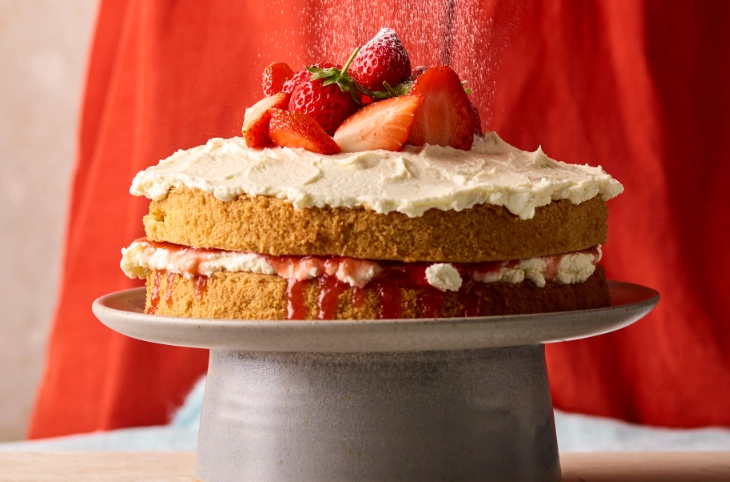
Use a mix of chocolate chips and chopped chocolate bars. The chips hold their shape, while the chopped pieces melt into pools. Texture is everything.
3. Simple Yogurt Muffins (Blueberry or Lemon Poppy Seed)
Muffins are just quick bread in a portable form. The "muffin method" is a core technique: mix dry ingredients, mix wet ingredients, combine them with as few strokes as possible. Lumps are good. Overmixing is the enemy—it develops gluten and makes muffins tough. Yogurt keeps them tender for days.
Toss frozen blueberries in a tablespoon of the measured flour before adding them to the batter. This little trick stops them from sinking to the bottom.
4. A Basic Shortbread or Press-In Tart Crust
This might seem advanced, but it's not. It's 3 ingredients: butter, sugar, flour. You rub them together with your fingers until they look like breadcrumbs, then press the mixture into a pan. It bakes into a sturdy, buttery crust. It teaches you the feel of a crumbly dough versus a wet batter. You can top it with lemon curd, fresh fruit, or even just sprinkle it with sugar.
The key is cold butter. If the dough feels greasy, you've warmed the butter too much. Pop the whole bowl in the fridge for 10 minutes.
5. A "Dump Cake" or Crisp
This is the ultimate in ease and a huge crowd-pleaser. For a fruit crisp, you chop some apples or peaches, toss with sugar and spice, and put it in a dish. Then you mix oats, flour, brown sugar, and cold butter into a crumbly topping and sprinkle it over. Bake until bubbly. There's no rolling, no shaping, no precision. It's rustic, homey, and teaches you how to make a streusel topping—a skill you'll use forever.
Essential Tools You Actually Need
You don't need a KitchenAid stand mixer (yet). You don't need a cabinet full of specialty pans. Start with these basics. I've seen brilliant bakes come out of apartments with just this kit.
- Digital Kitchen Scale: This is non-negotiable for me. A cup of flour can weigh anywhere from 120 to 150 grams depending on how you scoop it. That variance can ruin a recipe. Weighing ingredients (in grams) is the single biggest step toward consistency. A simple one costs about $20.
- Two Mixing Bowls (one large, one medium): Glass or stainless steel. Avoid very thin plastic.
- Whisk, Silicone Spatula, Wooden Spoon: The holy trinity of mixing. The spatula is for scraping every last bit of batter out—crucial for accuracy.
- Measuring Spoons & Cups (if you insist on not weighing): Use the "spoon and level" method for flour. Spoon it into the cup, then level it off with a knife. Never scoop directly from the bag.
- 8x4 or 9x5 Inch Loaf Pan & a Half-Sheet Baking Pan: These two pans will handle 80% of your beginner bakes. Get light-colored metal, not dark non-stick, which can over-brown bottoms.
- Parchment Paper: Not wax paper. Parchment is your insurance policy against sticking. Line your pans.
- Oven Thermometer: Your oven lies. Most are off by 25°F or more. A $7 thermometer tells you the truth so you can adjust the dial accordingly. This solves more baking mysteries than anything else.
The Beginner's Baking Mindset: Avoiding the Common Pitfalls
Baking is part science, part intuition. The science comes from following the recipe. The intuition comes from knowing what to look for. Here are the subtle mistakes I see every new baker make.
You're overmixing the moment the flour hits the liquid. For muffins, pancakes, quick breads—once you combine wet and dry, stir just until the last streak of flour disappears. A few lumps are fine. More stirring develops gluten and makes things tough.
You're not preheating long enough. Turn your oven on before you even take out your ingredients. It needs a good 20-30 minutes to reach a stable, even temperature. Putting batter into a lukewarm oven is a recipe for uneven rising.
You're opening the oven door to peek. I get it, the curiosity is killing you. But that rush of cold air can cause cakes to fall. Use the oven light and look through the window. Trust the timer for at least the first 2/3 of the bake time.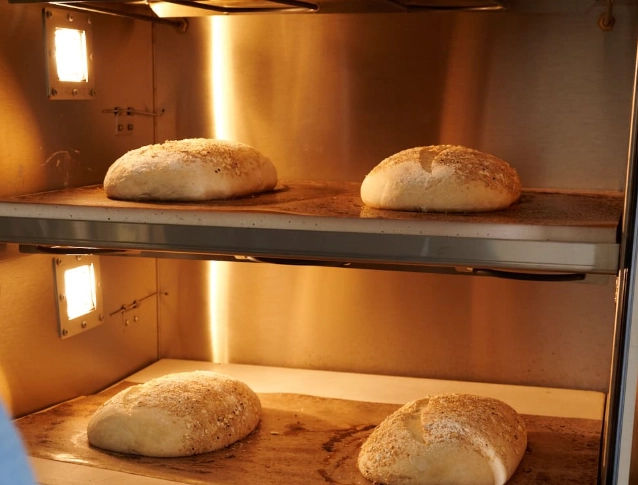
You're judging doneness by color alone. A golden brown top doesn't mean the center is cooked. Use the toothpick or skewer test. For banana bread, a few moist crumbs clinging to the toothpick is perfect. Clean means it might be overdone.
Where to Go After Your First Success
You've made banana bread. It was delicious. Now what? The path forward is about layering skills.
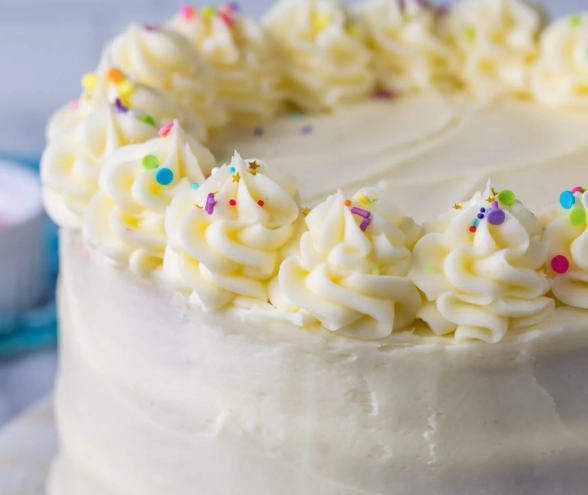
Level 1.5: Try a simple vanilla sheet cake or cupcakes. This reinforces the "creaming" method (beating butter and sugar until light) and introduces you to frosting. American buttercream is just butter, powdered sugar, and a splash of milk—hard to mess up.
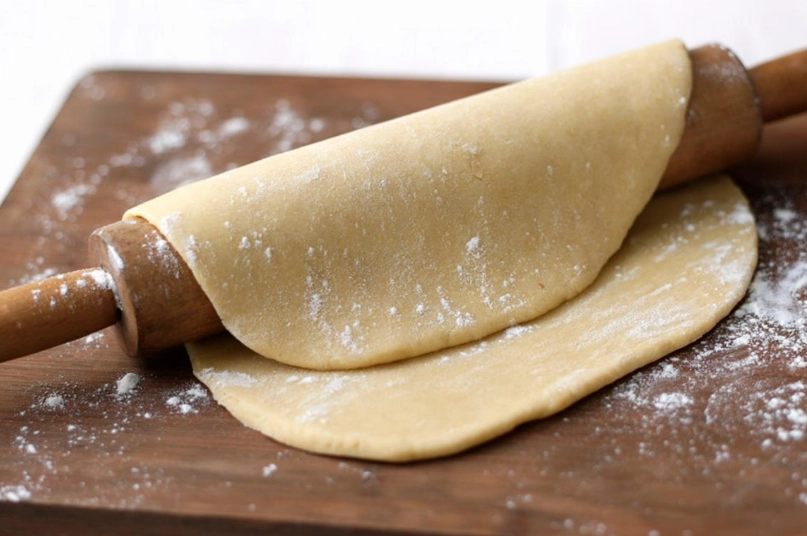
Level 2: Move to a simple pie with a rolled crust. This teaches you how to handle a more delicate dough, how to use a rolling pin, and the blind-baking technique for custard pies. It's a big step, but so satisfying.
Level 2.5: Attempt a basic enriched dough, like a simple white sandwich bread or dinner rolls. This introduces you to yeast, kneading, and the magic of fermentation. The smell of baking bread is a different kind of therapy.
Don't rush. Master the feel of each stage. Read books like Baking School by the King Arthur Baking Company team—it's like a textbook for home bakers that explains the "why" behind every step.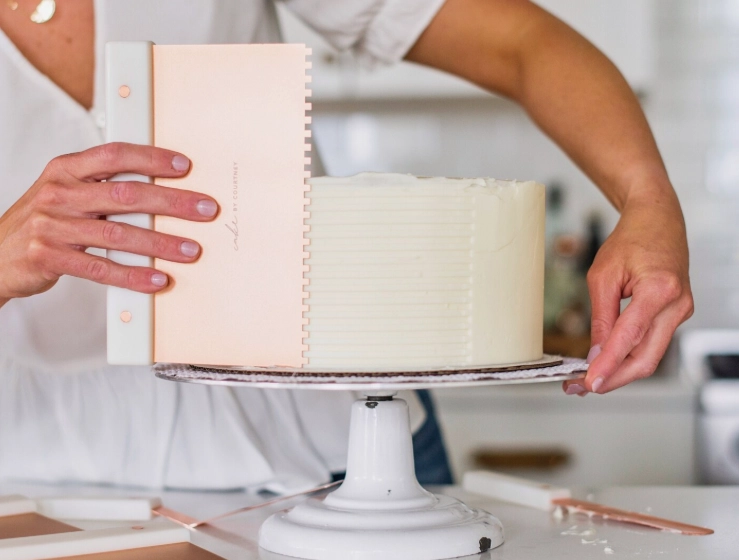
Your Baking Questions, Answered
Can I bake without a stand mixer?
My cookies always spread too thin. What am I doing wrong?
How do I know if my banana bread is done baking?
What's the one tool I should buy before anything else?
The best thing you can bake first isn't just a recipe. It's confidence. Start with the banana bread or the one-bowl cookies. Follow the steps, respect the oven thermometer, and pay attention to the textures. That first successful bake is a spark. It proves you can do this. From there, the whole delicious, flour-dusted world opens up. Now, go preheat your oven.


Leave a Comment