So you're standing in your kitchen, dough ready, and the question hits: should I bake or fry these doughnuts? After ten years of testing both methods (and eating more than my fair share), I can tell you there's no single "better" answer. It completely depends on what you're after. Are you chasing that classic, indulgent fairground taste? Or do you want a lighter, more weekday-friendly treat? This isn't just about following a recipe—it's about understanding the science and the trade-offs so you can make the right call for your craving, your health goals, and your kitchen setup.
What's Inside This Guide?
The Great Doughnut Debate: Bake or Fry?
Let's cut to the chase. Baking and frying are fundamentally different cooking processes, and they transform your dough in opposite ways.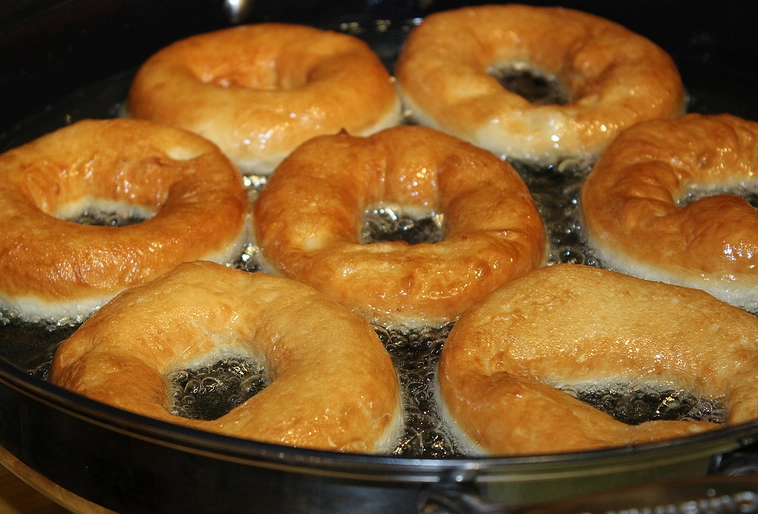
Frying is an immersion cooking method. The dough hits hot oil (around 365-375°F or 185-190°C), and the surface instantly sears, trapping steam inside. This steam expands, creating the airy, fluffy interior. Simultaneously, the famous Maillard reaction and some caramelization occur on the outside, giving fried doughnuts their distinctive golden-brown color, crisp exterior, and that deep, complex flavor you just can't replicate. The oil also becomes part of the food's structure.
Baking is a dry, convective heat. Hot air in your oven slowly sets the structure of the dough. Without the instant sear of oil, you rely entirely on your leavening agents (baking powder/soda, yeast) for rise. The result is more like a very soft, tender cake or bread. The exterior can be moist or slightly crusty, but it will never achieve that specific fried crispness unless you use tricks (more on that later).
| Aspect | Baked Doughnuts | Fried Doughnuts |
|---|---|---|
| Primary Cooking Medium | Hot, dry air | Hot oil (immersion) |
| Texture (Interior) | Cakey, tender, moist | Light, airy, fluffy |
| Texture (Exterior) | Soft or slightly crusty | Crisp, golden-brown shell |
| Flavor Profile | Milder, depends heavily on glaze/toppings | Rich, deep, with characteristic "fried" notes |
| Fat Absorption | Minimal (from batter/dough only) | Significant (can absorb 20-25% of its weight in oil) |
| Equipment Needed | Oven, doughnut pan (for ring shapes) | Heavy pot, thermometer, spider strainer, lots of oil |
| Cleanup & Safety | Easier, lower risk | Messier, involves handling large amounts of hot oil |
| Best For | Quick snacks, health-conscious treats, kids' lunches | Special occasions, authentic texture, indulgence |
Taste and Texture: The Ultimate Showdown
This is where the rubber meets the road. If you're dreaming of the doughnut from your childhood fair, a baked version will disappoint. That iconic flavor comes from the frying process itself—the interaction between proteins, sugars, and intense heat in oil. Food scientists call it the Maillard reaction, and it's the same magic that gives seared steak and toasted bread their flavor. A baked doughnut lacks this chemical symphony.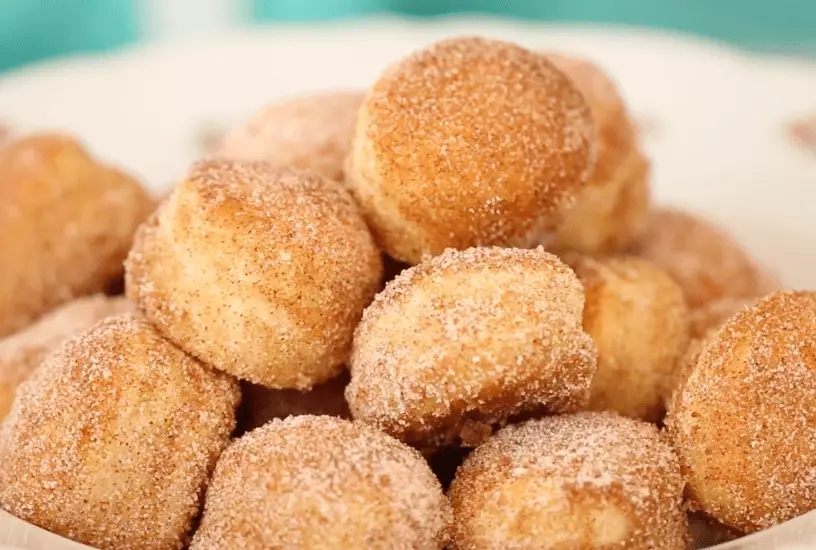
Texture is the other huge divider. A great yeast-raised fried doughnut has a tear-apart, feathery lightness inside with a delicate, shattering crispness outside. A baked yeast doughnut is denser, more like a very soft dinner roll. Cake doughnuts are closer—baked ones are moist and tender, fried ones are still richer and have that crisp contrast.
Here's a pro tip most recipes won't tell you: the single biggest mistake with baked doughnuts is overmixing the batter. You mix until *just* combined. Any more and you develop gluten, leading to a tough, bready texture instead of that delicate crumb. For fried doughnuts, the common pitfall is frying at the wrong temperature. Too low, and they become greasy sponges. Too high, and they brown outside while staying raw inside. A good thermometer is non-negotiable.
Health and Nutrition: Beyond Just Calories
Let's be real: a doughnut is a treat. But there are significant differences.
Baked doughnuts are almost always lower in calories and fat because they don't absorb cooking oil. You control the fat in the batter—you can use applesauce, yogurt, or less butter. This makes them a smarter choice if you're watching your intake or want a more frequent treat.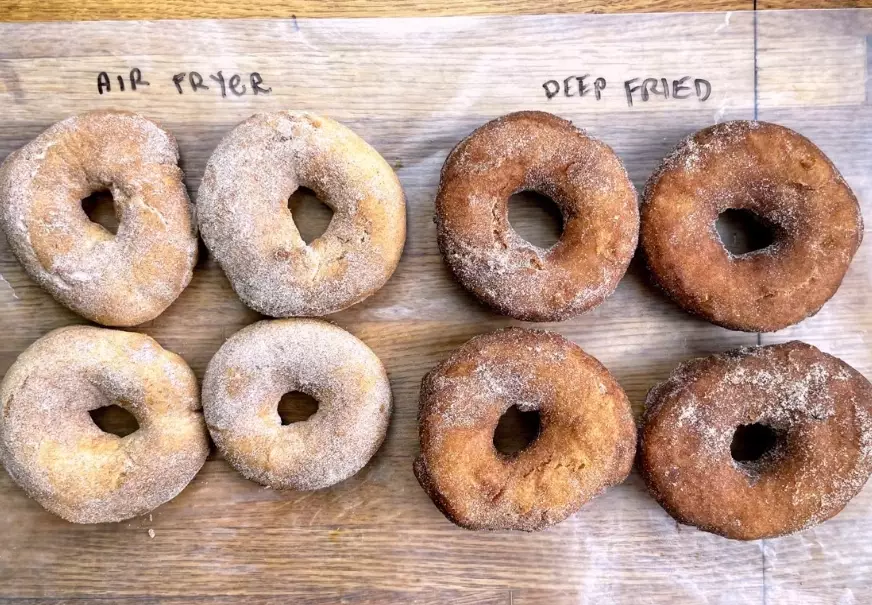
Fried doughnuts absorb oil. The type of oil matters a lot. Using a stable, high-smoke point oil like peanut, canola, or sunflower is better than unstable oils that break down into less healthy compounds. Some commercial doughnuts are fried in oils containing trans fats, which are terrible for heart health. At home, you can avoid this. The American Heart Association recommends limiting saturated fats, which are present in many frying oils and the dough itself.
But it's not just about fat grams. The high-heat frying process can create advanced glycation end-products (AGEs), which some research links to inflammation when consumed in excess. Baking generates fewer AGEs.
The Verdict: If your primary goal is a healthier, lower-fat treat you can feel good about eating more often, baking wins. If you're going for an occasional, authentic, indulgent experience and are mindful about oil quality and portion size, frying has its place. Neither is a "health food," but one is decidedly lighter.
How to Make Perfect Baked Doughnuts at Home
Baked doughnuts are your weeknight hero. They come together in under 30 minutes. You'll need a doughnut pan—the non-stick kind works best. Silicone pans can make the exterior too pale.
The Non-Negotiable Steps for Success
Don't overfill the pan. Fill each cavity only 2/3 to 3/4 full. If you overfill, you lose the hole and get muffin tops. Grease the pan well, even if it's non-stick. A quick spray of baking spray with flour is my go-to.
The baking time is short, usually 8-12 minutes at 350°F (175°C). They're done when they spring back lightly to the touch. Let them cool in the pan for 5 minutes, then transfer to a rack. Glaze or coat them while they're still slightly warm, not hot—this helps the topping stick.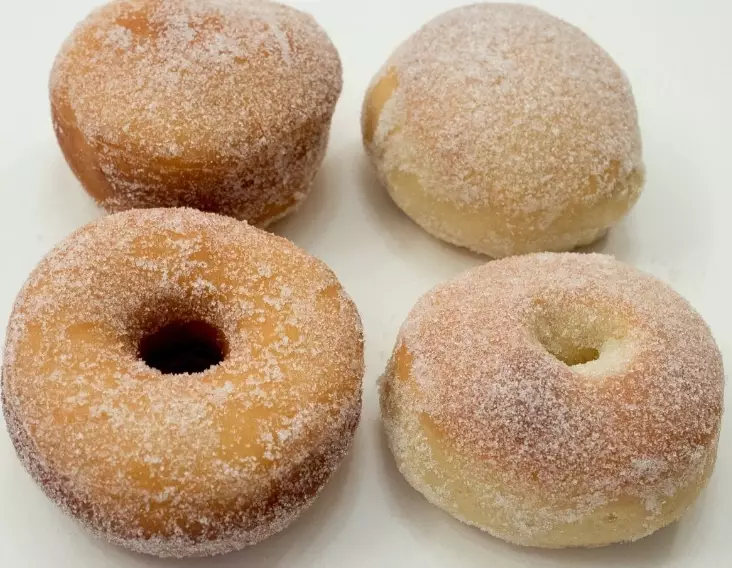
Faking the "Fried" Effect in the Oven
Want a crispier exterior on a baked doughnut? You can cheat. After baking and cooling, brush the doughnuts very lightly with melted butter and then give them a quick toast under the broiler for 30-60 seconds, watching like a hawk. Or, toss them in cinnamon-sugar while still warm—the residual moisture helps it cling and gives a pleasant texture.
How to Master Classic Fried Doughnuts
This is a weekend project. It's messier, but the reward is unmatched. You need a deep, heavy pot (Dutch oven is perfect), a clip-on candy/fry thermometer, a spider strainer or slotted spoon, and a wire rack set over a baking sheet.
The Oil Rules
Use a neutral, high-smoke point oil. I prefer peanut oil for its clean taste and high smoke point. You need enough to deep-fry—about 2 to 3 inches deep in your pot. Heat it slowly to 365-375°F (185-190°C). This temperature range is sacred. Test with a small piece of dough first; it should sizzle actively and brown in about 60 seconds.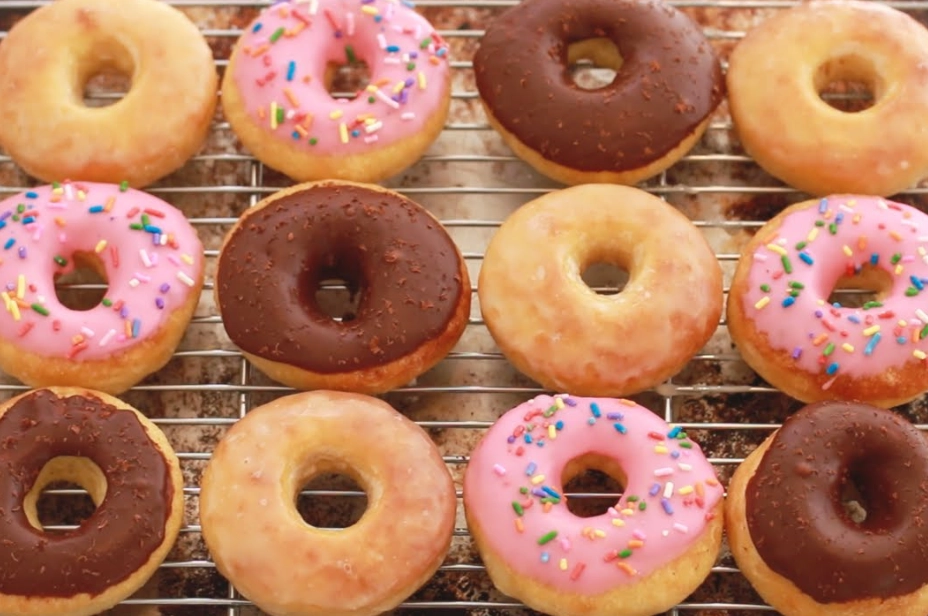
Frying Technique: What Most Guides Miss
Don't crowd the pot. Fry 2-3 doughnuts at a time. They need space to float and cook evenly. When you drop them in, they'll sink, then float. This is normal. Flip them once, about halfway through the cooking time (roughly 60 seconds per side for rings, longer for filled).
The most critical step happens after frying. Do not drain them on paper towels. This traps steam and makes the bottom soggy. Always drain fried doughnuts on a wire rack. This allows air to circulate all around, keeping the entire exterior crisp. Let them cool slightly before glazing.
What About Air Fryer Doughnuts?
The air fryer is essentially a powerful countertop convection oven. So, air fryer doughnuts are a subset of baked doughnuts. They won't taste fried. However, the intense, circulating air can create a slightly crisper exterior than a traditional oven, especially if you spritz them with a tiny bit of oil before cooking. They're fantastic for reheating day-old baked or even store-bought doughnuts, bringing back a bit of life. For from-scratch, they offer the convenience of a baked doughnut with a marginally better texture. But don't expect a true fried result.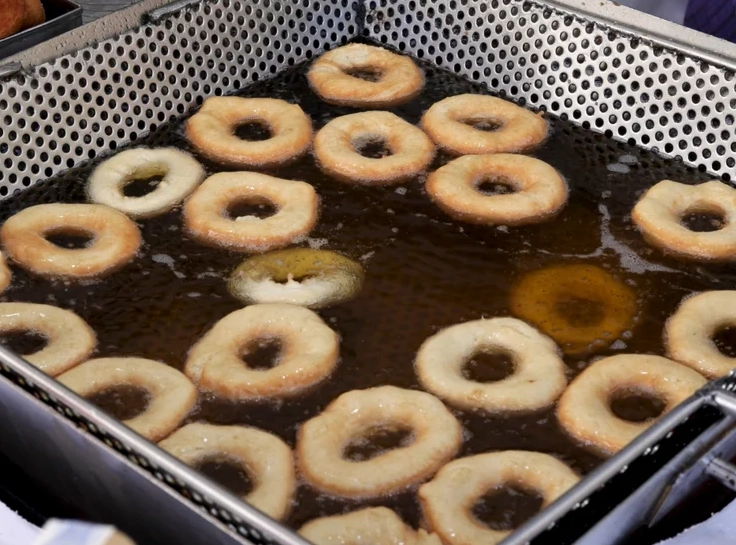
Your Doughnut Questions, Answered
Can I use the same dough recipe for both baking and frying?
Rarely, and it usually leads to compromise. Yeast dough for frying is often richer (more fat, sometimes more sugar) to withstand the oil and achieve maximum fluffiness. Baked yeast dough might be leaner. Cake doughnut batter is more interchangeable, but a batter formulated for baking often has more liquid (like milk or buttermilk) to prevent dryness in the oven. Using a fry recipe to bake can yield a dry, dense result. Always use a recipe designed for your chosen method.
My baked doughnuts always come out dense and gummy. What am I doing wrong?
Overmixing is the likely culprit. For cake-style baked doughnuts, mix the wet and dry ingredients until you just see no more dry flour streaks. A few small lumps are fine. Overmixing develops gluten, turning your tender cake into bread. Also, check your leavening agents. Baking powder loses potency after 6-12 months. If yours is old, your doughnuts won't rise properly and will be dense.
How do I prevent my homemade fried doughnuts from tasting greasy?
Greasy doughnuts mean your oil temperature was too low. The dough absorbs oil before the crust can seal. Ensure your oil is fully preheated to 365-375°F (185-190°C) before adding the first doughnut, and use a thermometer to monitor the temperature between batches. Adding too many doughnuts at once will cause a massive temperature drop. Let the oil recover to the correct temp before adding the next batch.
Is it cheaper to bake or fry doughnuts at home?
Baking is almost always cheaper per batch. The initial cost of a doughnut pan is low (under $15), and you use basic pantry ingredients. Frying requires a significant volume of oil (a quart or more), which can be reused but still adds cost. You also need more specialized equipment (thermometer, spider strainer, heavy pot). The ingredient cost for the dough itself is similar, but the oil pushes frying to a higher price point.
Can I make gluten-free or vegan doughnuts with both methods?
Absolutely, but success varies. Gluten-free doughs can be more delicate. Baking often provides more structural support for GF doughs, making it the more forgiving method for beginners. Vegan doughnuts (no eggs, dairy) work well both ways. For fried vegan doughnuts, ensure your frying oil is plant-based and not contaminated with animal fats. The binding in vegan batters (flax eggs, banana) can sometimes make frying trickier, as they may hold more oil. Baking is generally the safer bet for complex dietary adaptations.
So, is it better to bake or fry doughnuts? It's a personal equation. For a quick, lighter, and easier treat, bake them. For that irreplaceable, celebratory, crisp-and-fluffy classic experience, fry them. Knowing the why behind each method—the taste trade-offs, the health impacts, the techniques—lets you choose the right tool for the job. Sometimes, that means baking a batch on Wednesday and frying up something special on Saturday. The best method is the one that gets you the doughnut you actually want to eat.


Leave a Comment