What's Inside
- Before You Even Turn On the Oven: The Mindset & Toolkit
- The Building Blocks: Understanding Your Ingredients
- The Step-by-Step Process: Where Magic (and Science) Happen
- Top 5 Beginner Recipes to Build Confidence
- Troubleshooting: What Went Wrong (And How to Fix It Next Time)
- Answering Your Baking Questions (FAQ)
- Wrapping Up: Your First Bake Awaits
Let's be honest. The idea of baking at home can be equal parts exciting and terrifying. You see those perfect loaves of bread and beautifully frosted cakes online, and you think, "I want to do that." Then you remember the last time you tried and ended up with a brick disguised as banana bread. Yeah, I've been there too. My first "from-scratch" cookies spread into one giant, thin, burnt pancake on the sheet. Not a proud moment.
But here's the secret they don't always tell you: baking is more science than art, especially when you're starting. And science has rules. Follow them, and you unlock a world of delicious, satisfying creations right from your own kitchen. This isn't about becoming a pastry chef overnight. It's about gaining the confidence to bake a simple cake that rises, cookies that are chewy in the middle, and bread you're actually proud to slice.
These baking tips for beginners at home are the ones I wish someone had laid out for me. No fluff, no assumed knowledge. Just the practical, foundational stuff that makes the difference between frustration and that first, triumphant bite.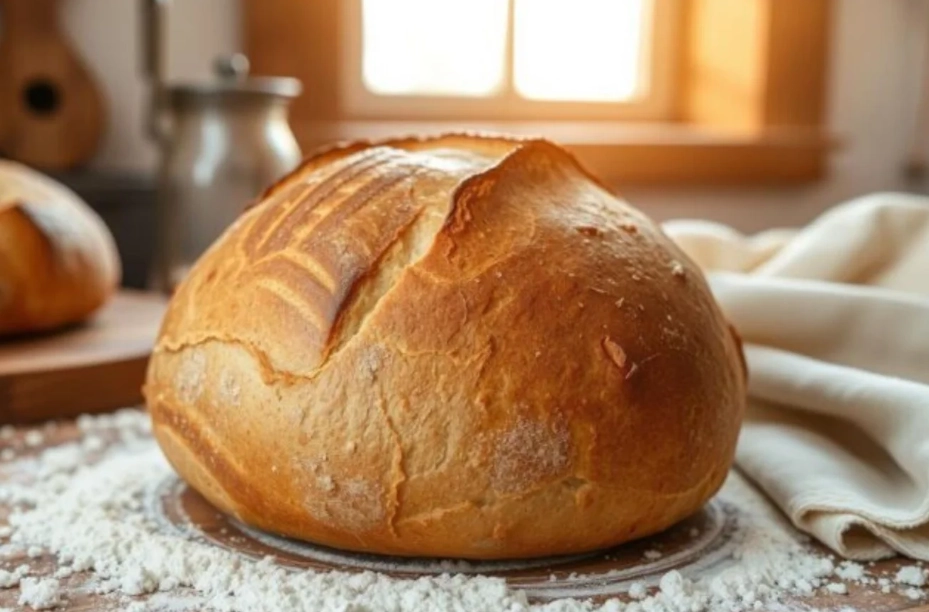
Before You Even Turn On the Oven: The Mindset & Toolkit
Jumping straight into a recipe is the number one rookie mistake. Trust me, I've done it. You get excited, skim the instructions, and start throwing things in a bowl. Chaos (and cleanup) ensues.
First, let's talk tools. You don't need a kitchen store's entire inventory. In fact, starting with too many gadgets can be overwhelming. Here’s a bare-bones, non-negotiable list for your first baking adventures at home.
| Tool | Why It's Essential | Beginner-Friendly Type |
|---|---|---|
| Digital Kitchen Scale | This is the single most important tool for consistent results. Flour packed into a cup can weigh 50% more than flour spooned in. A scale removes all guesswork. | Any basic model that measures in grams and ounces. Look for one with a tare function. |
| Set of Measuring Cups & Spoons | For liquids (like milk, oil) and small amounts of dry goods (baking soda, spices) where a scale is less critical. | Get a clear liquid measuring cup for wet ingredients and a nested set for dry/small amounts. |
| Mixing Bowls | You need space to combine ingredients properly. A small bowl is useless for folding flour into batter. | A set of 3 stainless steel or glass bowls in small, medium, and large. |
| Flexible Spatula (Rubber Spatula) | For scraping every last bit of batter out of the bowl (waste not!) and gently folding ingredients together. | One heat-resistant silicone spatula. |
| Whisk | For incorporating air, beating eggs, and ensuring dry ingredients are evenly mixed. | A medium-sized balloon whisk. |
| Baking Sheets & Pans | You can't bake without something to put the dough in. Quality matters—thin pans warp and cause uneven baking. | Start with one half-sheet pan (for cookies) and one 9-inch round cake pan or loaf pan. |
| Oven Thermometer | Your oven lies. Most home ovens are off by 25°F or more. This $10 tool will save countless baked goods. | A simple analog or digital one you hang on the rack. |
See? Not so bad. You probably own half of these already. Now, about that oven thermometer—it's not a suggestion. I baked for years wondering why my edges were always too brown before the center was done. Turns out my oven ran a solid 30 degrees hot. A thermometer fixed a dozen problems at once.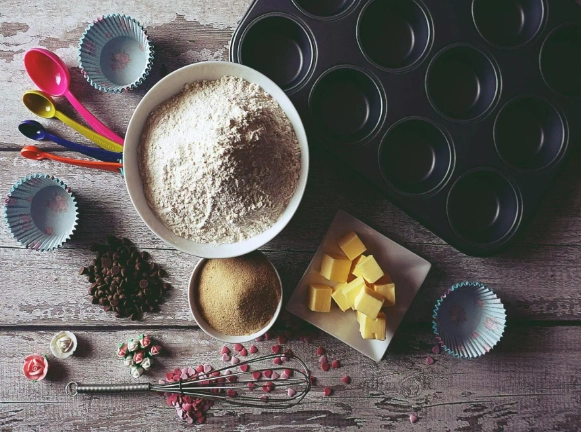
The Building Blocks: Understanding Your Ingredients
Flour isn't just flour. Butter isn't just butter. How you handle them changes everything. This is the core of reliable baking tips for beginners.
Flour: The Backbone
All-purpose flour is your go-to for most beginner recipes. But here's the kicker: how you measure it is crucial. The "scoop and sweep" method (dipping the cup into the bag) packs it down tight. You end up with way too much flour, leading to dry, tough baked goods.
Leaveners: Baking Powder vs. Baking Soda
They are not interchangeable. Baking soda needs an acid (like buttermilk, yogurt, lemon juice, brown sugar) to activate. Baking powder contains its own acid. Using the wrong one, or using an old one, means your cake won't rise. Check the expiration dates! If you're unsure about the science, the King Arthur Baking blog has a fantastic, clear breakdown that's worth a read.
Fats: Butter, Oil, and Temperature
Room temperature butter (about 65-70°F) is soft enough to hold air when beaten with sugar, which creates structure and lift. Cold butter straight from the fridge won't cream properly. Too warm, melted butter changes the texture entirely—great for some cookies, disastrous for a pound cake.
How do you know it's right? Press it with your finger. It should make an indent without sliding through or feeling cold and hard.
Eggs: The Binder
They should also be room temperature. Why? Cold eggs can re-solidify tiny bits of your creamed butter, breaking that lovely airy emulsion you just worked hard to create. To quickly bring eggs to room temp, place them in a bowl of warm (not hot) water for 5-10 minutes.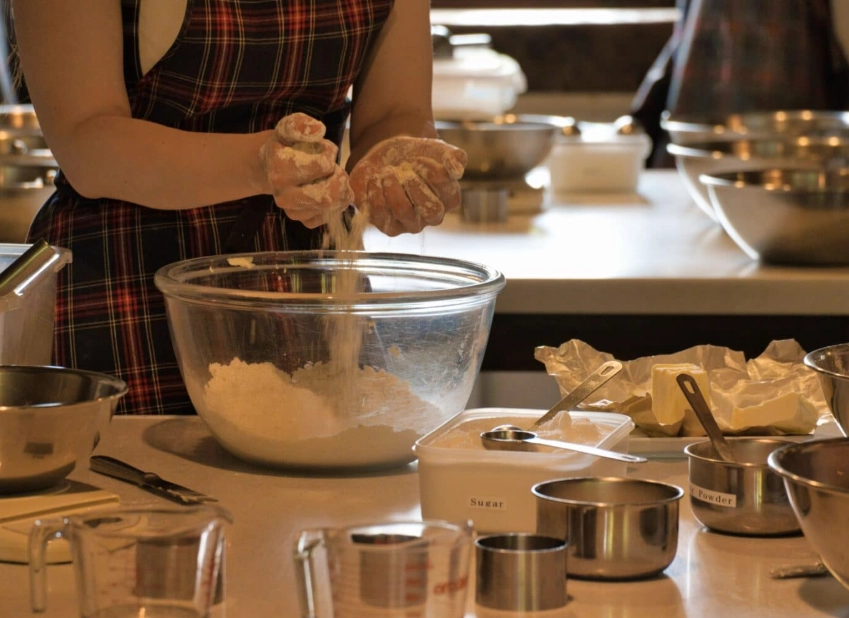
The Step-by-Step Process: Where Magic (and Science) Happen
Okay, you've got your tools and your ingredients are prepped. Now let's walk through the universal stages of a baking recipe. Following these steps in order is non-negotiable for successful home baking.
The Golden Rule: Mise en Place
It's a fancy French term that just means "everything in its place." Before you touch your mixer, measure out ALL your ingredients. Crack your eggs into a small bowl, melt your butter if needed, sift your dry ingredients together. This does two things: it ensures you don't forget anything (a tragic mistake), and it makes the actual mixing process calm and smooth, not a frantic scramble.
1. Read the Recipe. All of It. Twice.
I know, I know. It sounds obvious. But you need to understand the flow. Are you creaming butter and sugar? Are you folding whipped egg whites? How long does the dough need to chill? There should be no surprises halfway through. This is the most critical of all baking tips for beginners at home.
2. Mixing Methods: Don't Just Stir
"Creaming" means beating room-temperature butter and sugar together on medium-high speed until it becomes pale, fluffy, and almost white. This can take 3-5 minutes. Don't rush it. This step incorporates air, which is a primary leavener.
"Folding" is a gentle, deliberate motion used to combine delicate mixtures (like whipped cream or egg whites) into a heavier batter without deflating them. Use your spatula to cut down through the center, scrape along the bottom, and fold over the top. Turn the bowl slightly and repeat.
"Just until combined" for dry and wet ingredients means stop the second you no longer see dry streaks of flour. Overmixing develops gluten (the protein in flour), which is great for bread but makes cakes and muffins tough and chewy.
3. Oven Management: Your Final Hurdle
Preheat your oven fully. That means letting it reach the target temperature and stay there for at least 15-20 minutes. A properly preheated oven ensures even cooking from the start.
Use the middle rack unless specified otherwise. Rotate your pans halfway through the baking time if your oven has hot spots (most do).
Don't open the oven door constantly to peek! Every time you do, the temperature drops dramatically, which can cause cakes to fall. Use the oven light and look through the window.
4. The Doneness Test
The timer goes off, but is it done? Never rely on time alone.
- Cakes & Quick Breads: Insert a toothpick or thin skewer into the center. It should come out with a few moist crumbs clinging to it, not wet batter. The edges should also be pulling slightly away from the pan.
- Cookies: They often look underdone in the center when you take them out. They continue to cook ("carryover cooking") on the hot baking sheet. Let them cool on the sheet for 5-10 minutes before moving them.
Top 5 Beginner Recipes to Build Confidence
Start simple. Master a few foundational recipes, and you'll understand how other recipes work. Here’s my recommended progression for your first baking projects at home.
- No-Knead Artisan Bread. Sounds fancy, but it's incredibly simple. It teaches you about yeast, gluten development through time (not kneading), and the importance of steam for a crispy crust. The hands-on time is maybe 15 minutes total.
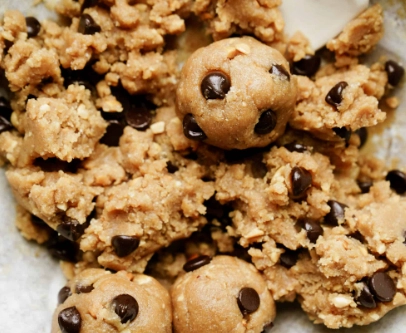
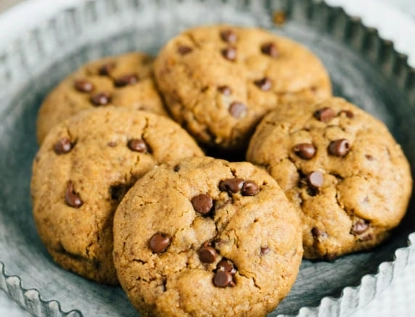
- Chocolate Chip Cookies. The classic. A perfect cookie teaches you about creaming, scooping dough consistently, and understanding doneness. Try a recipe that uses both baking soda and baking powder for the ideal chewy/crisp texture.
- Simple Vanilla Sheet Cake or Muffins. This is your introduction to cake chemistry. You'll practice the "muffin method" (combining wet and dry separately) or creaming. Frosting is optional—a dusting of powdered sugar works fine.
- Banana Bread. A great way to use up overripe fruit and learn about recipes that are very forgiving. It's hard to mess up banana bread, which is great for morale.
- Shortbread or Biscuits. These introduce you to working with cold butter to create flaky layers. It's a different technique than creaming, and it's satisfyingly tactile.
Troubleshooting: What Went Wrong (And How to Fix It Next Time)
Your cake is dense. Your cookies are flat. It happens to everyone. Let's diagnose it.
My cake/bread is dense and gummy.
Likely culprits: Too much liquid, not enough leavener, overmixing the batter (developing gluten), or opening the oven door too early causing a collapse. Check your measurements and mixing time.
My cookies spread into one giant pan-cookie.
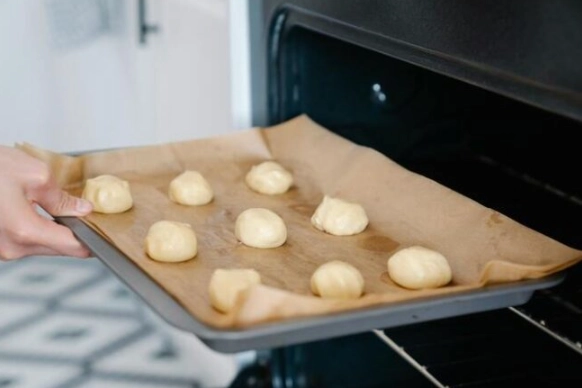
Butter was too warm or melted. Dough wasn't chilled (chilling solidifies the fat so it melts slowly in the oven). Try chilling your cookie dough for at least 30 minutes, or even overnight. Also, check your baking soda—if it's old, it won't provide lift.
My baked goods are dry.
Overbaking is the most common cause. Use those doneness tests! Also, too much flour (from incorrect measuring) is a prime suspect. Switch to weight-based measuring.
The bottom is burnt.
Your oven rack is too low, putting the pan too close to the heating element. Dark-colored pans also absorb more heat—reduce the oven temperature by 25°F if using dark pans. An oven thermometer, as recommended by the USDA's food safety guides, will confirm if your oven's temperature is accurate.
Answering Your Baking Questions (FAQ)
Q: Can I substitute oil for butter, or vice versa?
A: Not directly. They behave differently. Oil makes things moister and denser (think carrot cake). Butter adds flavor and, when creamed, air. Substituting can ruin texture. Only do it if the recipe offers it as an option.
Q: Why do my egg whites never get stiff peaks?
A: Any trace of fat (yolk, oil on your bowl or whisk) will prevent whites from whipping properly. Use a scrupulously clean glass or metal bowl (plastic can harbor fat). Ensure no yolk gets in. Start with room temperature whites.
Q: My frosting is runny/curdled. Help!
A: Buttercream can curdle if the butter is too cold or the ingredients are different temperatures. The fix is often simple: keep beating! Sometimes gently warming the bowl (with a hairdryer or over a pot of warm water) and continuing to whip will bring it back together. For more on the science of emulsions in frosting, Serious Eats has a great troubleshooting guide.
Q: Do I really need a stand mixer?
A: Absolutely not. A hand mixer is more than enough for 90% of home baking. For things like bread dough, you can mix with a wooden spoon and knead by hand—it's good therapy! A stand mixer is a luxury, not a necessity.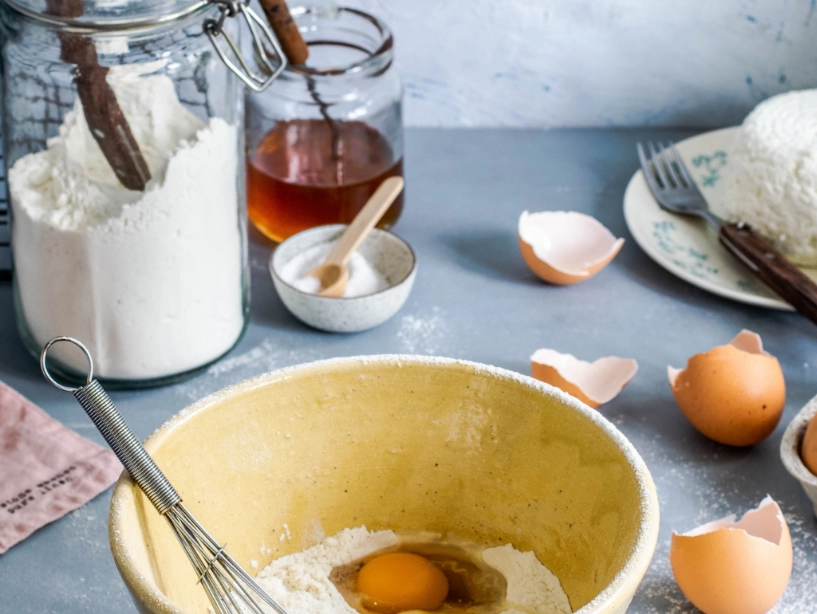
Wrapping Up: Your First Bake Awaits
Look, the goal isn't perfection. The goal is a homemade chocolate chip cookie that's better than the pre-made dough tube. It's a loaf of bread that fills your house with an incredible smell. It's the pride of saying, "I made this."
The best baking tips for beginners at home all boil down to this: slow down, pay attention to the details (measurements, temperatures, methods), and learn from every batch. Your first attempt might be just okay. Your second will be better. By the third, you'll have tweaked the recipe to your taste and it'll feel like yours.
So pick one of those five starter recipes. Get your ingredients to room temperature. Read the recipe twice. And just start. The worst that can happen is you get a funny story and some crumbs to feed the birds. The best that can happen is you discover a relaxing, rewarding hobby that ends with something delicious. That's a win in my book.
Now, go preheat that oven.
Leave a Comment