Quick Guide
- What Makes This Gingerbread Sugar Cookie Recipe Different?
- The Step-by-Step Process: Where Most Gingerbread Sugar Cookie Recipes Go Wrong
- Rolling, Cutting, and Baking: Achieving Cookie Perfection
- The Decoration Dilemma: Royal Icing vs. Buttercream vs. Glaze
- Answering Your Burning Gingerbread Sugar Cookie Questions
- Flavor Twists on the Classic Gingerbread Sugar Cookie Recipe
- The Final, Most Important Step: Storage and Gifting
Let's be honest. The internet is flooded with cookie recipes. You type in "gingerbread sugar cookie recipe" and you get a million hits, each one promising to be the best, the softest, the most flavorful. I've tried so many of them. Some spread into sad, flat puddles. Others were so tough you could probably use them as roof tiles. And don't get me started on the ones that tasted like nothing but molasses and regret.
After what felt like a hundred batches (my friends were very willing taste-testers), I finally nailed it. This isn't just a recipe I copied from somewhere. It's a Frankenstein's monster of techniques, ratios, and lessons learned from all those failures. It's the gingerbread sugar cookie recipe I wish I had when I started.
We're not just mixing dry and wet ingredients here. We're going to talk about why you do things. Why chilling is non-negotiable. Why the type of molasses makes or breaks the flavor. How to get those crisp edges and soft centers that make people ask for the recipe. And most importantly for the holidays, how to get them to hold sharp shapes for decorating.
What Makes This Gingerbread Sugar Cookie Recipe Different?
Most recipes fall into one of two camps: great flavor but terrible for cutting, or holds shape but tastes like cardboard. The holy grail is achieving both. The key is in the balance of fats, leaveners, and, surprisingly, the temperature of your ingredients.
This specific gingerbread sugar cookie recipe uses a combination of butter and a touch of vegetable shortening. I know, I know. Purists hate shortening. But hear me out. Butter gives incredible flavor, but it melts at a lower temperature, which can cause spreading. A small amount of shortening has a higher melting point, which helps the cookie hold the shape of your cutter. It's a trade-off for aesthetics, but we balance it with plenty of real butter so you still get that rich taste.
Another secret? Using both baking soda and a tiny bit of baking powder. The soda reacts with the molasses and brown sugar for lift and that classic crackly top, while the powder gives a little extra oomph to ensure a tender crumb. Too much of either, and you're in puffy or tough cookie territory.
The Non-Negotiable Ingredients (And What You Can't Skip)
Baking is science, and gingerbread is a finicky branch of that science. Substitutions can work, but some will lead you astray. Here’s the breakdown of your cast of characters.
All-purpose flour, spooned and leveled. Do not scoop directly from the bag—you'll pack in too much. For consistent results, the King Arthur Baking company's guides on flour measurement are a baker's bible.
| Ingredient | Role in the Recipe | Best Choice & Why | Potential Pitfall |
|---|---|---|---|
| Molasses | Provides deep color, moistness, and that signature spicy-sweet flavor base. | Unsulphured, light or dark molasses. Avoid blackstrap—it's too bitter and intense. I prefer dark molasses for a richer flavor. The USDA even has a page on sweeteners that touches on molasses types, which is handy for understanding the source. | Using blackstrap will make your cookies bitter and overpower the spices. |
| Spices (Ginger, Cinnamon, Cloves, Nutmeg) | Obvious, right? But freshness is everything. They provide the warm, aromatic heart of the cookie. | Freshly ground if possible, especially nutmeg. Pre-ground spices lose their potency. Check the bottle's date. The American Spice Trade Association has great info on spice shelf life, and it's shockingly short. | Using stale spices from three Christmases ago. Your cookies will taste flat and dusty. |
| Brown Sugar (Dark) | Adds moisture, chewiness, and a caramel-like flavor that complements the molasses. | Pack it firmly into your measuring cup. Dark brown sugar has more molasses content than light, which amplifies the flavor profile we're building. | Not packing it down leads to inaccurate measurement and less moist dough. |
| Butter & Shortening | Fats that tenderize, add flavor (butter), and control spread (shortening). | Unsalted butter, room temp but still cool. All-vegetable shortening. Room temp means you can make a slight indent with your finger, not melted or greasy. | Using melted butter or overly soft shortening guarantees a spread-out, greasy cookie. |
| Flour | The structure. Too little, it spreads. Too much, it's tough. | Scooping flour adds up to an extra 1/4 cup unintentionally, leading to dry, dense dough. |
See? Every ingredient has a job. Mess with the team, and the final product suffers.
The Step-by-Step Process: Where Most Gingerbread Sugar Cookie Recipes Go Wrong
Okay, you've got your ingredients lined up. Now the real work begins. This isn't a "dump and stir" situation. The order of operations matters.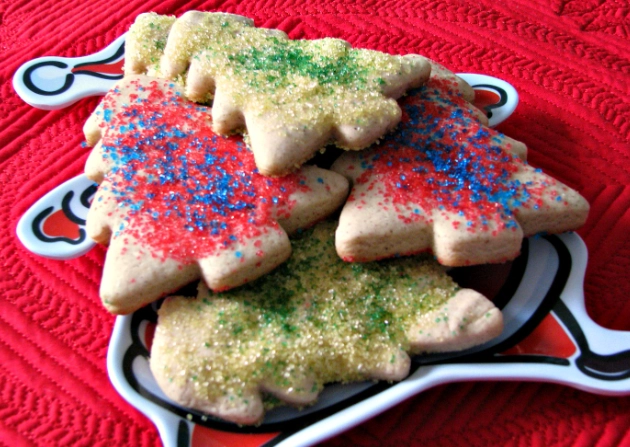
Creaming is Key (But Don't Overdo It)
Start with your room-temperature butter and shortening in a big bowl. Beat them together for about a minute until they're just combined and smooth. Then add the sugars. Now, here's the thing. You want to cream them until the mixture is light and fluffy, about 2-3 minutes on medium speed. This incorporates air, which helps with lift.
But stop the machine and scrape down the bowl.
I can't tell you how many times I've seen half the butter-sugar mixture stuck to the sides, never getting incorporated. Then add the egg, molasses, and vanilla. Mix until just combined—another 60 seconds max. It might look a bit curdled or separated. That's fine. The flour will bring it all together.
The Dry Team Assembly
In a separate bowl, whisk together all your dry ingredients: flour, spices, baking soda, baking powder, and salt. Whisking is crucial. It evenly distributes the baking soda so you don't get a bitter bite in one cookie and a flat one in another.
Now, with your mixer on low, gradually add the dry ingredients to the wet. Mix until you no longer see dry flour streaks. The dough will be thick and might even crumble a bit. That's good. Use your hands to press it together into a ball or two flat discs.
The Chill. The Mandatory, Cannot-Skip, Absolute Chill.
Wrap your dough discs tightly in plastic wrap. You need to chill them for at least 2 hours, but honestly, overnight is magic. This does several things:
- Solidifies the fat: When cold butter hits the hot oven, it creates steam pockets, leading to a better texture and less spread.
- Hydrates the flour: This relaxes the gluten, making the dough easier to roll out without springing back and resulting in a more tender cookie.
- Deepens the flavor: The spices have time to meld and permeate the dough.
I know you're excited. I know you want cookies now. But trust me, waiting is what separates good cookies from great ones.
Rolling, Cutting, and Baking: Achieving Cookie Perfection
Day two (or a few patient hours later). Preheat your oven to 350°F (175°C). Line your baking sheets with parchment paper. Silpats are great too, but parchment is my go-to for easy cleanup.
Take one disc of dough out of the fridge. Let it sit on the counter for 5-10 minutes—just enough to take the rock-hard edge off. Lightly flour your surface and rolling pin. Roll to about 1/4-inch thickness. Thinner cookies will be crispier, thicker ones will be softer and chewier. I like 1/4-inch as the perfect middle ground.
Dip your cookie cutters in flour before each cut. Press down firmly and cleanly. To transfer the shapes to the baking sheet, I find a thin metal spatula works best. Leave about an inch between cookies.
Bake for 8-11 minutes. The timing is everything. They're done when the edges are just set and very slightly darkening, and the centers look puffed and dry. They will not look browned all over. If they do, they're overbaked and will be hard when cool.
They will look underdone. This is correct.
Let them cool on the baking sheet for 5 minutes—they'll finish setting up there. Then transfer to a wire rack to cool completely before you even think about decorating. A warm cookie will melt any icing into a sad, sticky mess.
The Decoration Dilemma: Royal Icing vs. Buttercream vs. Glaze
So you have a batch of beautiful, perfectly spiced gingerbread sugar cookies. Now what? The decoration is where personality shines. But which icing is best? It depends on your goal.
| Icing Type | Best For | Pros | Cons | My Personal Take |
|---|---|---|---|---|
| Royal Icing | Sharp lines, "flood" work, intricate designs, packaging (it dries rock hard). | Dries completely hard, smooth finish, professional look, great for detailed piping. | Taste is just sweet (can flavor with extracts), requires precision, uses raw egg whites or meringue powder. | For gifts or show-stoppers, it's unbeatable. But it's fussy. The FDA has guidelines on handling egg whites safely if you go the fresh route, which is a must-read. |
| Buttercream Frosting | A homemade, rustic look, superior flavor, easy for kids to help. | Delicious, soft, easy to make and color, no special skills needed. | Stays soft, can smear, not good for stacking or mailing. | This is what I use 90% of the time. It tastes amazing with the spices. Who cares if it's not perfect? |
| Simple Powdered Sugar Glaze | A quick, shiny finish, a less sweet option, easy drizzling. | 3-ingredient simple (milk, sugar, extract), sets enough for gentle handling, less cloyingly sweet. | Doesn't hold detailed shapes, can be runny if not thick enough. | My "I need to decorate 5 dozen cookies in an hour" savior. Add a drop of lemon extract to cut the sweetness—it's fantastic. |
For a beginner, I'd start with a simple glaze or a stiff buttercream. Royal icing has a learning curve that can be frustrating. The goal is to have fun, not create an art-induced headache.
Answering Your Burning Gingerbread Sugar Cookie Questions

Flavor Twists on the Classic Gingerbread Sugar Cookie Recipe
Once you've mastered the base, play around! Here are some of my favorite variations that always get rave reviews.
- Orange Zest: Add the zest of one large orange to the butter during creaming. The citrus brightens all the warm spices beautifully.
- Maple Glaze: Swap the vanilla in a simple glaze for pure maple extract. Drizzle over the cookies. It's a next-level autumn flavor.
- Black Pepper & Cardamom: Sounds weird, but trust me. Add 1/4 tsp of freshly ground black pepper and 1/2 tsp ground cardamom to the dry spices. It adds a sophisticated, warm kick.
- Chocolate Dipped: Dip half of a cooled cookie in melted, tempered dark chocolate. Let set. The bitterness of dark chocolate is perfect with the sweet spice.
The Final, Most Important Step: Storage and Gifting
You've worked hard. Don't ruin them now. Store completely cooled, decorated cookies in a single layer in an airtight container at room temperature. Layer with parchment paper if stacking. They'll stay fresh and soft for up to a week.
For gifting, royal icing cookies are your friend as they travel well. Tuck them into cellophane bags or a sturdy tin with layers of parchment. A buttercream-frosted cookie is a gift of love best handed directly to someone you'll see soon.
So there you have it. Not just a list of ingredients and steps, but the why, the how, and the what-if that turns a simple search for a gingerbread sugar cookie recipe into a guaranteed success. It's the culmination of all my mistakes and triumphs. Now go preheat your oven, and get your molasses ready. Your best batch of gingerbread sugar cookies is waiting.
Leave a Comment