What You’ll Find in This Guide
- The Three Big Enemies of Your Baked Goods
- The Bread Dilemma: Counter, Fridge, or Freezer?
- Cookies: Soft vs. Crispy - A Storage Civil War
- Cakes & Muffins: The Moisture Tightrope
- Pastries & Delicate Baked Goods
- Your Quick-Reference Storage Cheat Sheet
- Answering Your Burning Questions on How to Store Baked Goods
- A Few Parting Thoughts (From Someone Who's Messed It Up)
Let's be honest. There's nothing more disappointing than baking a beautiful loaf of sourdough or a batch of perfect cookies, only to find them stale or soggy a day later. It feels like a personal insult, doesn't it? All that effort, gone. I've been there more times than I care to admit. I used to think throwing bread in the fridge was the smart move. Turns out, I was doing it all wrong and basically speeding up the staling process. Who knew?
Figuring out how to store baked goods properly isn't just about tidying up your kitchen counter. It's a little bit of food science and a whole lot of common sense, aimed at one simple goal: keeping what you made delicious for as long as possible. This isn't about fancy tricks, but understanding why baked goods go bad in the first place. Once you get that, the "how" makes a lot more sense.
So, whether you're a weekend baker or someone who just wants their store-bought baguette to survive until Tuesday, this guide is for you. We'll break it down by type, talk about the enemies (moisture, air, and temperature), and give you clear, actionable steps. No fluff, just stuff that works.
The Three Big Enemies of Your Baked Goods
Before we get into the specifics of storing your baked goods, let's quickly talk about what we're fighting against. Knowing the enemy makes winning the battle easier.
Staling (Not Drying Out): This is the big one. We call it "going stale," but it's not simply moisture escaping. It's actually a process where the starch molecules in your baking recrystallize. This happens fastest at refrigerator temperatures (around 40°F / 4°C). That's right – your fridge is often the worst place for bread! Freezing, however, pauses this process almost completely.
Moisture Loss & Gain: This is the straight-up drying out or, conversely, getting soggy. Cookies lose their crunch, bread gets hard, or a crisp crust turns leathery. It's all about humidity control.
Mold: The obvious spoiler. Mold loves warmth, moisture, and oxygen. The key to preventing it is often managing one of those factors, usually by freezing for long-term storage.
Got it? The goal of any good storage method is to outsmart these processes. Now, let's get practical.
The Bread Dilemma: Counter, Fridge, or Freezer?
Bread is probably the most debated item. The best method depends entirely on how quickly you'll eat it.
For Eating Within 1-3 Days: The Countertop (Done Right)
If you'll finish the loaf in a couple of days, the counter is king. But don't just leave it in the plastic bag it came in from the store. That traps moisture from the still-warm bread and creates a perfect mold incubator.
What you should do:
- Let the bread cool completely after baking. No exceptions. Trapped steam is a killer.
- Store it in a bread box or a loosely closed paper bag. These allow just enough air circulation to prevent sogginess but not so much that it dries out instantly.
- If you must use plastic, make sure the bread is 100% cool and poke a few small holes in the bag for a tiny bit of breathability. I'm not a huge fan of this method, but it's better than a sealed tomb.
- Cut side down. Always place the loaf with the cut side facing down on a cutting board or inside its bag. This creates a seal that slows moisture loss from the most exposed part.
Honestly, a good bread box is a game-changer. It creates its own little microclimate. Mine is an ugly, ceramic thing from a thrift store, but it works miracles.
For Longer Than 3 Days: The Freezer is Your Friend
Forget the fridge for long-term baked goods storage of bread. The freezer is the only way to go. Staling is paused at freezing temperatures.
- Slice it first: If you have a whole loaf, slice it before freezing. This lets you take out just what you need.
- Double-wrap: First, wrap tightly in plastic wrap or beeswax wrap, squeezing out air. Then, place in a heavy-duty freezer bag or wrap in aluminum foil. This double layer prevents freezer burn (which is just freezer-induced dehydration).
- Label it: Write what it is and the date. Trust me, you'll forget in a month.
- Thawing: Take out slices as needed and let them thaw at room temperature for 30 minutes, or pop them straight into a toaster or oven for a revived, fresh-baked feel.
I freeze almost all my bread now. It means I can bake a big batch, save most of it, and always have good bread on hand without waste. It's a simple habit that cuts down on food waste massively.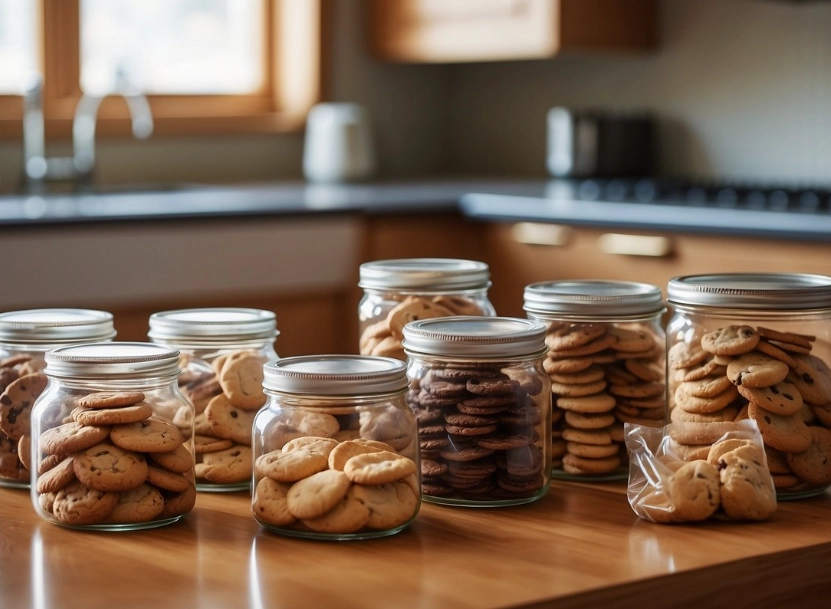
Cookies: Soft vs. Crispy - A Storage Civil War
Cookies fall into two camps, and storing them together is a recipe for disaster. A soft cookie will make a crisp cookie soggy, and a crisp cookie will try to steal moisture from a soft one. They need separate homes.
| Cookie Type | Goal | Best Storage Method | Biggest Mistake |
|---|---|---|---|
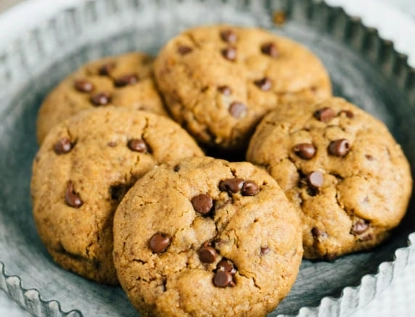
| Soft & Chewy (Chocolate chip, oatmeal raisin) |
Retain moisture | At room temp in an airtight container with a piece of bread or a terra cotta brown sugar saver. The bread/stones act as a humidity buffer. | Leaving them in an open jar. They'll dry out and turn into hockey pucks in a day. |
| Crisp & Snappy (Biscotti, shortbread, ginger snaps) |
Keep dry | At room temp in a container with loose coverage (like a cookie tin with a not-perfect seal) or a paper bag. They need a tiny bit of air flow. | Sealing them in an airtight plastic tub. They'll lose their signature snap and become unpleasantly chewy. |
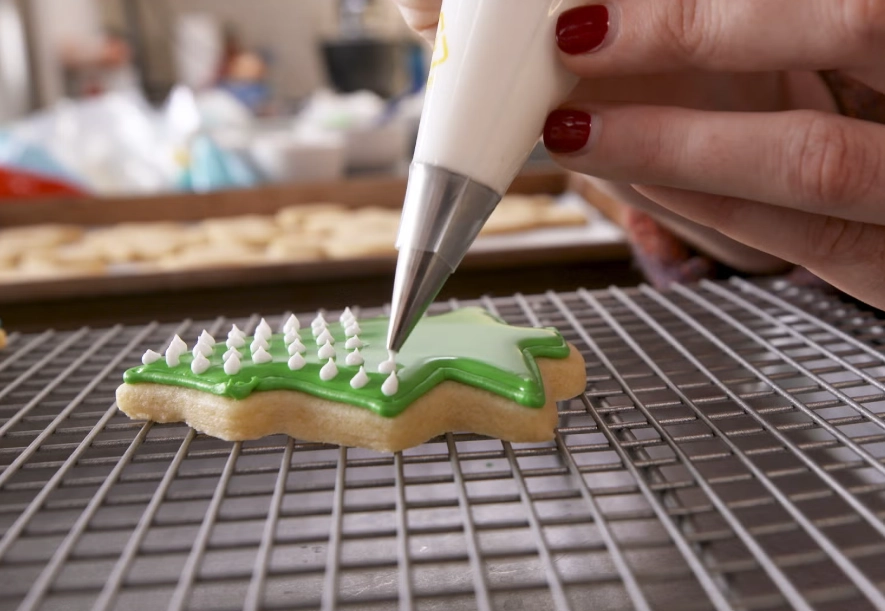
| Iced or Frosted Cookies | Prevent smushing & melting | Single layer in an airtight container, with parchment paper between layers if stacking is unavoidable. Let icing set completely first! | Stacking them while the icing is still soft. You'll create a monster cookie-mass. |
For long-term storage of baked goods like cookies, the freezer is again your best bet. Freeze them in a single layer on a baking sheet until solid, then transfer to a freezer bag or container. They thaw quickly at room temperature.
Cakes & Muffins: The Moisture Tightrope
These are all about preserving tenderness. The main rule: cool completely before any attempt at storage. Icing a warm cake is a disaster waiting to happen.
Unfrosted Cakes, Pound Cakes, & Muffins
Once cool, wrap tightly in plastic wrap. For extra security, I then wrap them in aluminum foil or place the plastic-wrapped cake in an airtight container or cake carrier. Room temperature is fine for a few days for most butter-based cakes.
Frosted Cakes & Cheesecakes
This is trickier. A cake carrier is the ideal tool here. If you don't have one, you can try the "toothpick and tent" method: stick a few toothpicks into the top of the cake around the edges and gently draze plastic wrap over them, creating a tent so the wrap doesn't touch the frosting. For cheesecakes and anything with perishable dairy, the refrigerator is non-negotiable.
Most cakes freeze exceptionally well. Wrap the unfrosted cake layers tightly in plastic, then foil, and freeze. Thaw, still wrapped, at room temperature to prevent condensation from forming on the cake itself. Frost once fully thawed.
Pastries & Delicate Baked Goods
Croissants, danishes, puff pastry items – these are the divas of the baked goods world. Their flaky, layered structure is their glory and their vulnerability.
- Day-of: Eat them day-of. Seriously, they are best within hours. Keep them in a paper bag at room temperature if you must wait.
- Next Day: To recrisp, place in a 300°F (150°C) oven for 5-8 minutes. This works wonders. Don't microwave them – you'll get a sad, steamed, soggy mess.
- Long-Term: Freeze as soon as possible after they cool. Reheat frozen pastries in a medium oven straight from the freezer.
Your Quick-Reference Storage Cheat Sheet
Here's a quick-glance guide. Remember, "room temperature" means a cool, dry spot, not next to the stove or in direct sunlight.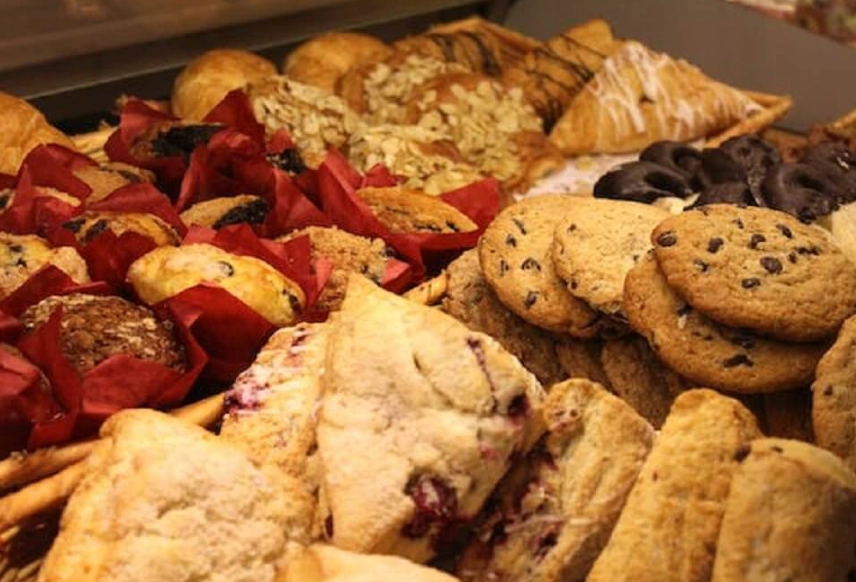
BREAD (Sliced/Whole): 1-3 days: Bread box/paper bag on counter. Longer: Freeze, pre-sliced & double-wrapped.
COOKIES (Soft): Airtight container with a bread slice. COOKIES (Crisp): Cookie tin/paper bag.
CAKES (Unfrosted): Plastic wrap + container at room temp. CAKES (Frosted/Cheesecake): Cake carrier or tented, in the fridge.
MUFFINS & SCONES: Cool completely, airtight container at room temp for 2 days, then freeze.
PASTRIES (Croissants): Paper bag for a few hours, otherwise freeze and reheat in oven.
Answering Your Burning Questions on How to Store Baked Goods
Let's tackle some specific, common headaches. You've probably searched for these.
Likely because it's stored while still warm, or the bag is sealed too tightly. Warmth + moisture + no air flow = mold party. Always cool completely and use a breathable option like a paper bag for short-term storage.
Generally, no. As we saw with cookies, they have different moisture needs. A moist banana bread will make crackers soft. Store like with like.
For airtight needs (cakes, soft cookies), plastic or glass with a good seal is fine. For bread, a wooden or ceramic bread box is ideal for its moisture-wicking properties. Metal tins are great for crisp cookies. Avoid storing anything acidic (like a lemon loaf) in reactive metal for long.
For best quality: Bread (3-6 months), Cakes (2-3 months), Cookies (2-3 months), Pastries (1-2 months). They'll be safe longer, but flavor and texture degrade. Use heavy-duty freezer bags to minimize this.
For most low-moisture, high-sugar/fat items (butter cakes, cookies, bread), 2-3 days at cool room temperature is perfectly safe. Items with fresh dairy, custards, meat, or lots of fresh fruit should be refrigerated. When in doubt, the USDA Food Safety guidelines are the ultimate resource for safety questions. For instance, they clearly recommend refrigerating cream- or custard-filled pastries.
A Few Parting Thoughts (From Someone Who's Messed It Up)
Learning how to store baked goods effectively has saved me money, time, and heartache. It turns baking from a frantic "we must eat all this now" activity into a manageable part of life. The biggest lessons I've learned the hard way?
Cooling is not optional. Patience here fixes 50% of storage problems.
Your freezer is not just for peas. It's a bakery's best friend for storing baked goods you want to enjoy later.
Good containers are worth the investment. A simple cake carrier and a decent bread box make a visible difference.
Finally, don't overcomplicate it. Match the method to the timeline and the texture you want to preserve. Listen to what the food is telling you. Is it dry? It needs a moisture barrier. Is it soggy? It needs air. Start with that logic, and you'll nail it every time.
Now go forth, bake without fear, and know that your delicious creations can have a long and tasty life.

Leave a Comment