My first attempt at gluten-free baking was a brick. Literally. A dense, crumbly, vaguely banana-scented brick that even the dog eyed with suspicion. I followed a complicated recipe with six different flours, and it was a total waste. That's when I decided there had to be a simpler way. If you're tired of expensive, disappointing mixes or recipes that read like a chemistry thesis, you're in the right place. Simple gluten-free baking isn't about mimicking wheat perfectly; it's about creating delicious, reliable food you'll actually want to eat.
Let's ditch the fear and get straight to the good stuff.
What's in this guide?
Forget Wheat, Embrace Texture
Here's the non-consensus view most recipe sites won't tell you: Stop trying to 100% replicate wheat flour. You'll drive yourself crazy. Gluten is a magical protein that gives elasticity and chew. Without it, we're working with different materials. The goal isn't a perfect clone, but a fantastic final product that stands on its own merits—moist, tender, and flavorful.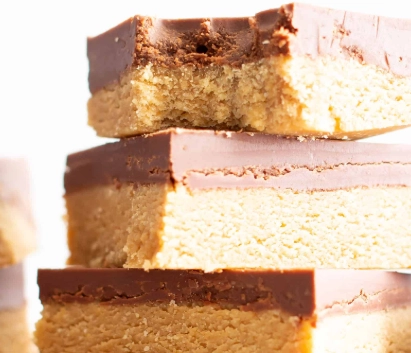
Simple baking leans into what gluten-free flours do well. They make beautifully tender cakes, crumbly shortbread, and dense, satisfying quick breads. We're playing to their strengths, not fighting their nature.
A quick note on celiac disease: If you bake for someone with celiac, cross-contamination is a serious health risk. Always use certified gluten-free oats and ingredients, and thoroughly clean all surfaces and utensils. The Celiac Disease Foundation is a vital resource for safe practices.
Essential Gluten-Free Baking Ingredients You Need
You don't need a pantry full of exotic flours. For simple baking, focus on these core players. Think of them as your toolkit.
| Ingredient | Role It Plays | Simple Swap Tip |
|---|---|---|
| Rice Flour (Brown or White) | The workhorse. Provides structure and a neutral flavor. | Use fine-ground for a less gritty texture. |
| Potato Starch (NOT Potato Flour) | The lightener. Adds moisture and a soft, fluffy crumb. | Crucial difference! Starch is light powder; flour is dense. Use starch. |
| Tapioca Starch/Flour | The binder. Adds chew and helps with browning. | Great for making things a bit "stretchy," like pizza crust. |
| Xanthan Gum or Psyllium Husk | The glue. Replaces gluten's binding power. | Start with 1/4 tsp per cup of flour blend. More isn't better. |
| Eggs | The ultimate binder and leavener. Provides structure. | For egg-free, a "flax egg" (1 tbsp ground flax + 3 tbsp water) works in most simple recipes. |
See? Not so scary. With just these, you can make almost anything.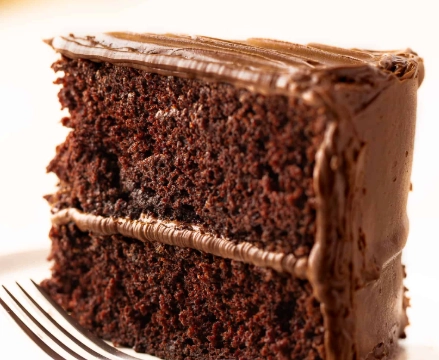
Make This All-Purpose Flour Blend (It's Cheap & Easy)
Store-bought blends are convenient, but making your own costs half as much and lets you control the quality. This is my daily driver blend. I mix a big batch and keep it in a jar.
Simple Gluten-Free All-Purpose Flour Blend
Makes about 6 cups. Whisk everything together in a large bowl until it's completely uniform. No clumps. Store in an airtight container at room temperature.
- 3 cups (360g) white rice flour (fine grind if possible)
- 1 cup (120g) brown rice flour
- 2 cups (300g) potato starch
- 1 cup (120g) tapioca starch
- 4 teaspoons xanthan gum
This blend works for 90% of my simple baking. For the recipes below, I'll note if you can use a store-bought 1:1 blend, but this homemade one always gives me better results.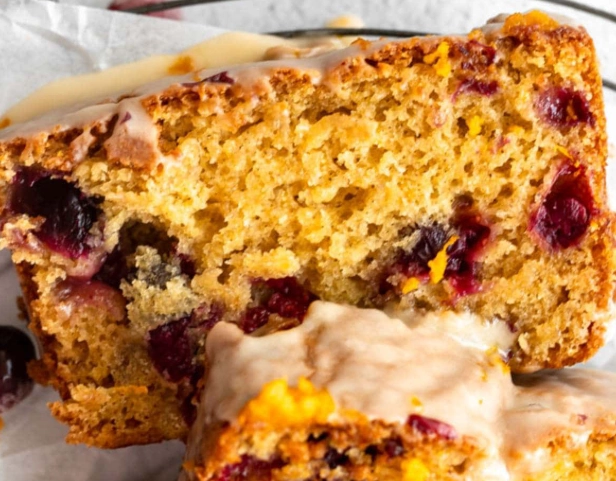
How to Make a Simple Gluten-Free Vanilla Cake
This is the recipe that restored my faith. It's a one-bowl, no-mixer-needed cake that's impossibly moist. The secret? A bit of oil and yogurt.
One-Bowl Vanilla Cake
Prep: 10 mins | Bake: 25-30 mins | Serves: 9
Ingredients:
- 2 cups (280g) gluten-free all-purpose flour blend (like the one above)
- 1 cup (200g) granulated sugar
- 2 tsp baking powder
- 1/2 tsp baking soda
- 1/2 tsp salt
- 2 large eggs, at room temperature
- 1/2 cup (120ml) neutral oil (like avocado or light olive oil)
- 1 cup (240ml) plain yogurt or dairy-free alternative
- 2 tsp vanilla extract
- 1/4 cup (60ml) milk (any kind), only if needed
Method:
- Preheat your oven to 350°F (175°C). Grease an 8x8 inch square pan.
- In a large bowl, whisk the dry ingredients: flour, sugar, baking powder, baking soda, salt.
- Make a well in the center. Add the wet ingredients: eggs, oil, yogurt, vanilla.
- Whisk from the center outwards, just until the batter is smooth. No overmixing. If it looks too thick (like cookie dough), add the milk a tablespoon at a time until it's a thick but pourable batter.
- Pour into the pan, smooth the top, and bake for 25-30 minutes. It's done when a toothpick comes out clean and the top springs back when touched.
- Let it cool completely in the pan. This is key—gluten-free cakes are fragile when hot.
See? Simple. The yogurt gives it tang and incredible moisture. Frost it with a simple buttercream or just dust with powdered sugar.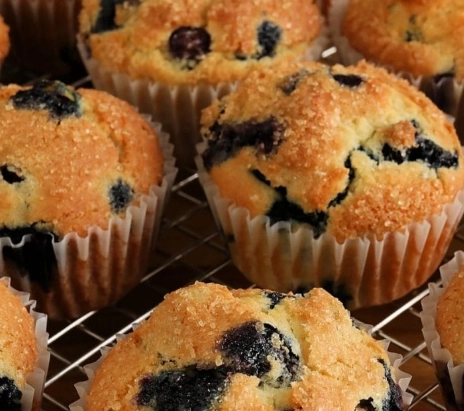
Foolproof Gluten-Free Chocolate Chip Cookies
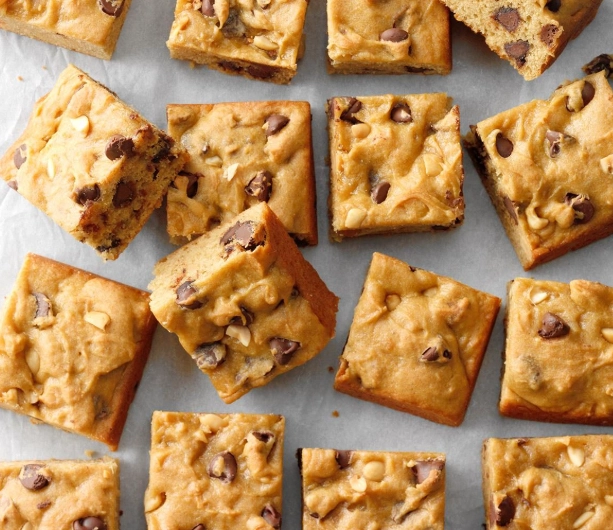
Most gluten-free cookie recipes are either cakey or spread into one giant mess. This one, adapted from countless tests, gives you that perfect chewy-crisp edge and soft center. The brown sugar is non-negotiable.
The trick: Chill the dough. For at least an hour, but overnight is best. This prevents overspreading and lets the flavors deepen.
Use chopped chocolate bars instead of chips. They melt into better pools and don't have stabilizers that can sometimes interact weirdly with gluten-free dough.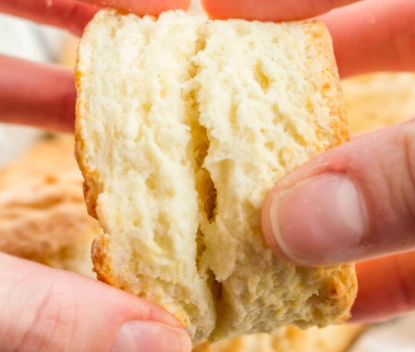
Easy Gluten-Free Banana Bread (No Xanthan Gum)
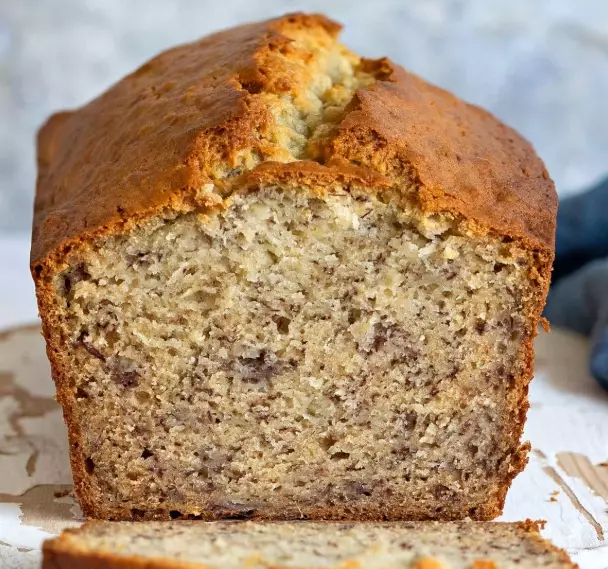
Want proof you can bake simply without weird binders? This banana bread uses the natural starch in the bananas and oats to hold itself together. It's dense, moist, and perfect for breakfast.
You'll need certified gluten-free oat flour. Just grind rolled oats in a blender until fine.
Mash 3 very ripe bananas. Mix with 2 eggs, 1/3 cup melted coconut oil, and 1/2 cup maple syrup. In another bowl, combine 2 cups oat flour, 1 tsp baking soda, 1 tsp cinnamon, and 1/2 tsp salt. Fold wet into dry, pour into a loaf pan, and bake at 350°F for 50-60 minutes. Let it cool completely before slicing—it will be gummy if cut warm.
3 Simple Mistakes That Ruin Gluten-Free Bakes
After a decade of testing, I see these same errors over and over.
1. Overmixing the Batter
Without gluten to worry about, people think they can mix endlessly. Wrong. Overmixing beats too much air into the batter, which then collapses in the oven, leaving a dense, gummy texture. Mix just until the last streak of flour disappears. Then stop.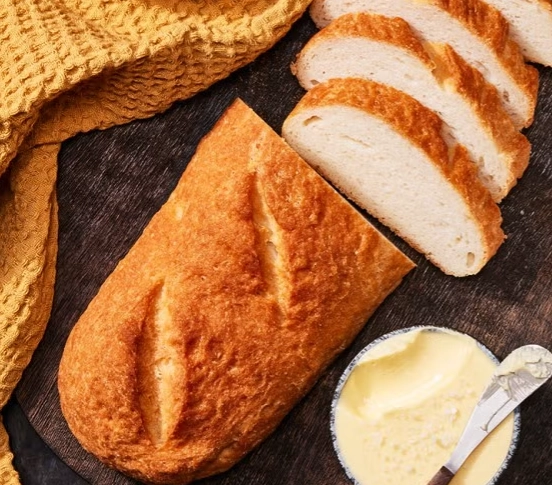
2. Baking by Time, Not Look
Gluten-free goods often need less time than the recipe says. Ovens vary. Start checking 5-10 minutes early. The top should be golden and spring back, and a toothpick should come out with a few moist crumbs, not wet batter.
3. Skipping the Rest Time
This is the biggest one. Gluten-free breads, cakes, and muffins are essentially a starch gel when hot. Cutting into them releases steam and causes collapse. Let them cool completely in the pan. I know it's hard, but walk away. The texture improves dramatically as it cools.
Your Gluten-Free Baking Questions, Answered
The bottom line? Simple gluten-free baking is totally within your reach. Start with one recipe—maybe that vanilla cake. Use a scale if you can (it's more accurate), but don't stress. Embrace the different, delicious results. You're not making a wheat-based product. You're making something new, and honestly, often better.
Now go preheat that oven.

Leave a Comment