If you think a vegan flourless chocolate cake has to be dense, dry, or lacking that rich chocolate punch, I'm here to change your mind. After baking this cake for over a decade—and yes, failing a few times early on—I've nailed a recipe that's moist, decadent, and surprisingly simple. It's gluten-free, eggless, and dairy-free, but no one will guess it's vegan. Let's dive right in.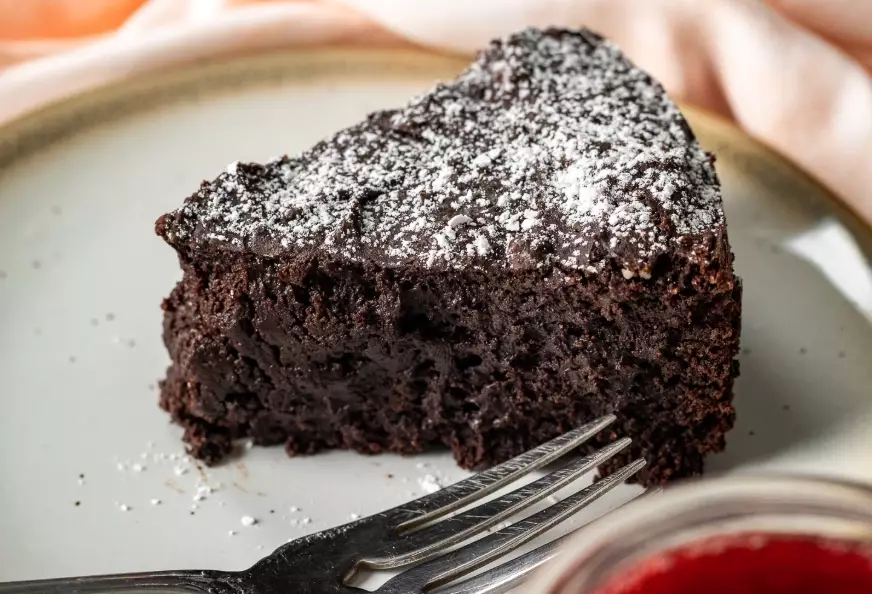
What You'll Find Inside
- Why This Cake is a Must-Try for Every Baker
- Gathering Your Ingredients: Quality Matters
- The Step-by-Step Process: From Bowl to Oven
- The Top 3 Mistakes That Ruin Vegan Flourless Cakes
- FAQ: Solving Your Baking Dilemmas
- How to Store and Serve for Maximum Enjoyment
- Nutritional Insights: Is It Actually Healthy?
Why This Vegan Flourless Chocolate Cake is a Game-Changer
Most flourless cakes rely on eggs for structure, but here, we use aquafaba—the liquid from canned chickpeas—to create that airy texture. It's a trick I picked up after a disastrous attempt with flax eggs that left my cake gummy. The Vegan Society highlights aquafaba as a versatile egg substitute, and it works wonders here. This cake caters to multiple diets: gluten-free, vegan, and even nut-free if you skip almond flour. But the real win? It's intensely chocolatey without being overly sweet. I've served it to die-hard chocolate lovers who had no idea it was vegan.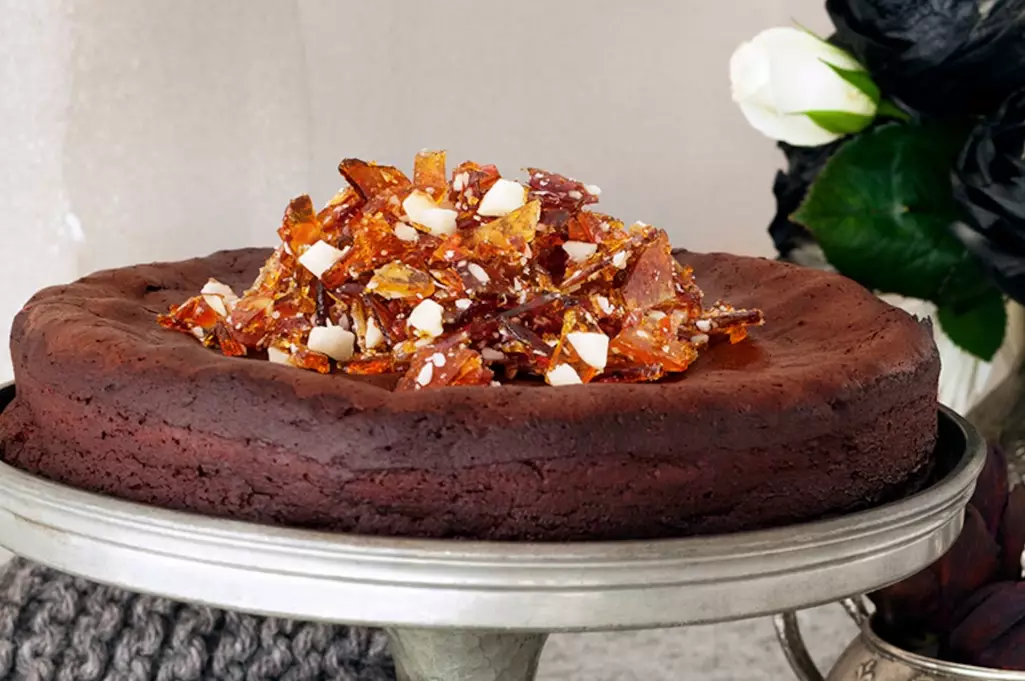
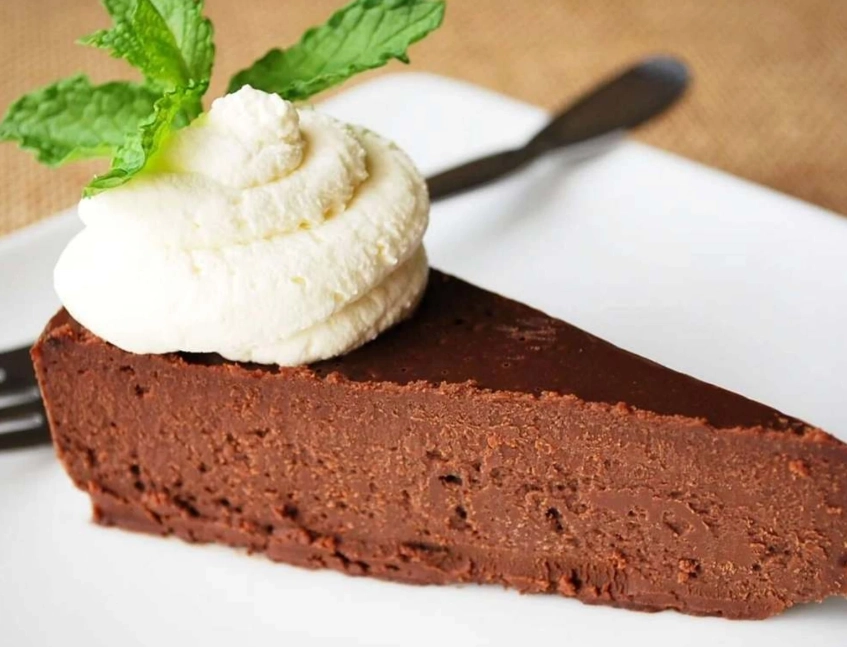
Personal take: I used to avoid vegan desserts because they often tasted "healthy" in a bad way. This cake breaks that stereotype—it's indulgent, with a fudgy center and crackly top that rivals any traditional flourless chocolate cake.
Gathering Your Ingredients: Why Quality Makes All the Difference
Skimp on ingredients, and your cake will taste like it. Here’s what you need, with specifics I've learned matter most.
| Ingredient | Why It's Important | Best Brands or Notes |
|---|---|---|
| Dark Chocolate (70% cocoa) | Provides richness and structure; lower cocoa content can make the cake too sweet and soft. | I prefer Valrhona or Green & Black's organic. Avoid chocolate with dairy additives. |
| Aquafaba (chickpea brine) | Acts as an egg white replacer; whips into stiff peaks for lift. | Use unsalted canned chickpeas (like Eden Foods). Don't drain it—save the beans for another recipe. |
| Coconut Oil or Vegan Butter | Adds moisture and helps set the cake; coconut oil gives a slight tropical note, while vegan butter is more neutral. | Miyoko's Creamery vegan butter works well. If using coconut oil, opt for refined to avoid coconut flavor. |
| Cocoa Powder | Enhances chocolate depth; Dutch-processed is smoother. | Rodelle or Ghirardelli Dutch-process cocoa. Don't use natural cocoa unless you adjust acidity. |
| Sweetener | Granulated sugar or coconut sugar; sugar helps with texture beyond just sweetness. | Organic cane sugar is my go-to. Avoid liquid sweeteners like maple syrup—they make the cake soggy. |
| Leavening Agent | Baking powder for a slight rise, but too much can cause cracking. | 1/2 teaspoon is enough; more is not better here. |
One nuance: the chocolate quality is non-negotiable. I once used cheap baking chocolate, and the cake had a waxy aftertaste. Spend a bit more on good chocolate—it's the star.
The Step-by-Step Process: How to Make the Perfect Cake Without Flour or Eggs
This isn't a dump-and-stir recipe. Precision matters, but it's still easy. Follow these steps, and you'll avoid the pitfalls I faced early on.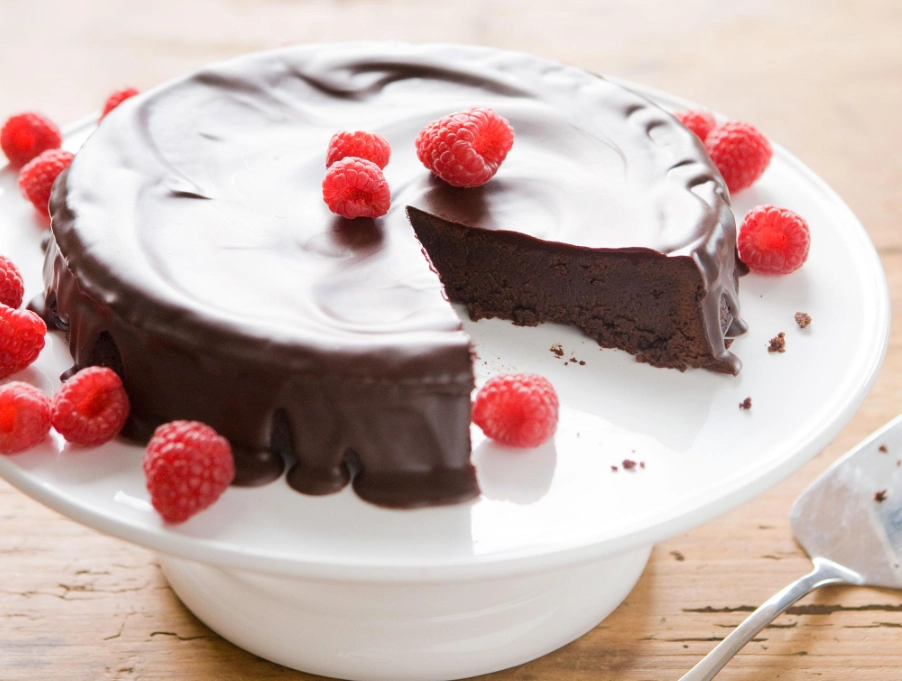
Melting the Chocolate and Fat: The Foundation
Chop 200g of dark chocolate into small pieces. In a heatproof bowl, combine it with 1/2 cup of coconut oil or vegan butter. Melt over a double boiler, stirring gently until smooth. Never microwave it—uneven heating can seize the chocolate. Let it cool to room temperature. If it's too hot, it'll cook the other ingredients.
Whipping the Aquafaba: The Secret to Airiness
Drain a 15-ounce can of chickpeas; you need about 3/4 cup of aquafaba. Use a stand mixer or hand mixer to whip it on high speed. Add 1/4 teaspoon of cream of tartar if you have it—it stabilizes the foam. Whip until stiff peaks form, about 5-7 minutes. It should look like meringue. Under-whipping is a common error; if it's runny, your cake will be dense.
Mixing and Baking: Bringing It All Together
In a separate bowl, sift together 1/2 cup cocoa powder, 1/2 teaspoon baking powder, and a pinch of salt. Add 3/4 cup granulated sugar. Fold this into the cooled chocolate mixture until just combined. Then, gently fold in the whipped aquafaba in three additions. Don't overmix—you want to keep as much air as possible. Pour into an 8-inch springform pan lined with parchment paper. Bake at 350°F (175°C) for 25-30 minutes. The center should be set but still slightly jiggly. Overbaking leads to dryness; I learned this the hard way when my timer was off by 5 minutes.
Cool completely in the pan before removing. This cake firms up as it cools, so patience is key.
The Top 3 Mistakes That Ruin Vegan Flourless Cakes (And How to Fix Them)
Based on my experience and feedback from baking workshops, these errors pop up often but are rarely discussed in generic recipes.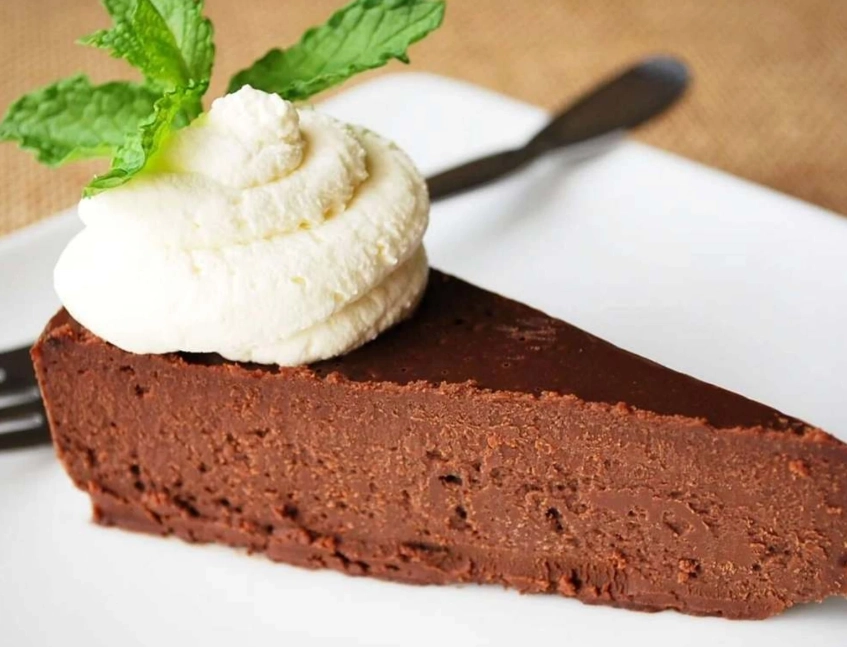
Mistake 1: Using warm aquafaba. If the aquafaba is at room temperature or warmer, it won't whip properly. Chill it in the fridge for an hour before using. I've seen bakers skip this, and their cake turns out flat.
Mistake 2: Overmixing the batter. Once you add the aquafaba, fold gently with a spatula. Vigorous stirring deflates the foam, resulting in a brick-like texture. It's tempting to mix until smooth, but stop when no white streaks remain.
Mistake 3: Skipping the cooling step. Cutting the cake warm causes it to crumble. Let it cool for at least 2 hours. For best results, refrigerate overnight—the flavor deepens, and the texture becomes fudgier.
FAQ: Solving Your Baking Dilemmas
 How can I make this cake sugar-free for a diabetic diet?
How to Store and Serve for Maximum Enjoyment
This cake tastes better the next day. The flavors meld, and the texture becomes more fudgy. For serving, dust with cocoa powder or powdered sugar. A dollop of coconut whipped cream adds a nice contrast—I like the So Delicious brand because it's not too sweet. If you're feeling fancy, drizzle with a raspberry coulis; the tartness cuts through the richness.
For gatherings, I often make it in advance and refrigerate. Bring it to room temperature for an hour before serving. Avoid leaving it out in warm weather—the coconut oil can soften too much.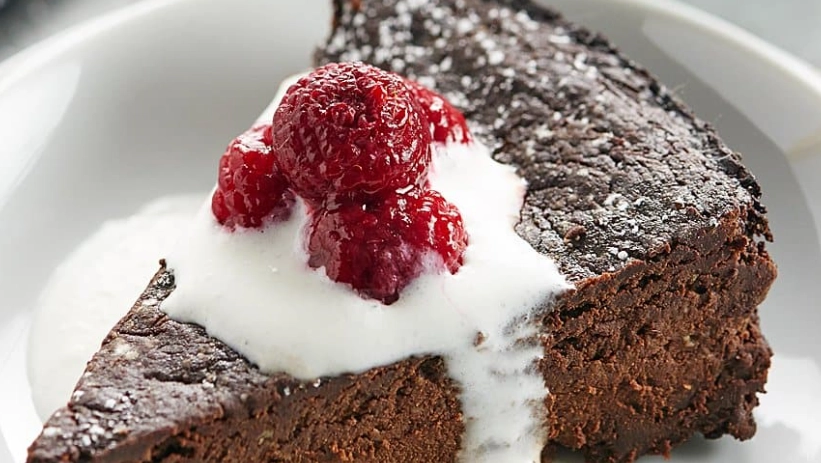
Nutritional Insights: Is It Actually Healthy?
Let's be real: this is a dessert, not a health food. But compared to traditional flourless chocolate cake, it has perks. A slice (1/12 of the cake) roughly contains: 250 calories, 15g fat (mostly from coconut oil, which has medium-chain triglycerides), 25g carbs, and 3g protein. It's gluten-free and vegan, so it suits dietary restrictions. The dark chocolate provides antioxidants, but don't overdo it—moderation is key. I view it as a treat that happens to be inclusive.
For more on plant-based nutrition, resources like the Harvard T.H. Chan School of Public Health offer insights into balanced vegan diets, but always consult a professional for personalized advice.
Final thought: baking this cake taught me that vegan desserts don't have to compromise on flavor. With quality ingredients and attention to detail, you can create something that delights everyone, regardless of diet. Give it a try—and don't be afraid to mess up. My first attempt was a disaster, but that's how I learned what not to do.



Leave a Comment