No, red velvet cake is not just chocolate cake with red food coloring. If you think that, you're missing the whole point—and probably baking a subpar cake. I learned this the hard way when I first tried to impress my friends with a homemade red velvet cake. I grabbed a chocolate cake recipe, dumped in a bottle of red dye, and ended up with a bitter, oddly textured mess that nobody wanted seconds of. The real difference lies in the ingredients, chemistry, and history that make red velvet a unique classic.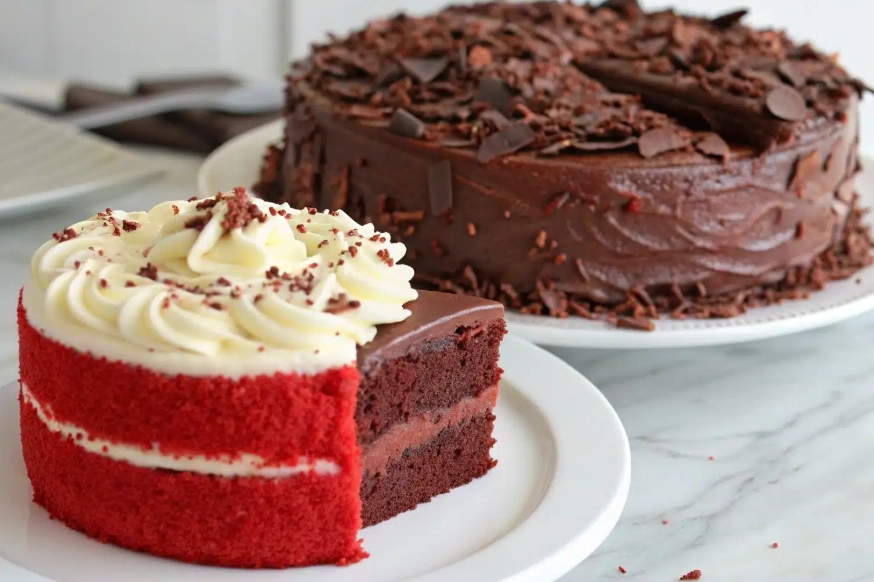
Here's What You'll Learn
Where Red Velvet Cake Really Comes From
Let's clear up a myth right away. Red velvet cake didn't start as a marketing gimmick. Its origins trace back to the Victorian era, when cakes were called "velvet" to describe their fine, soft crumb. The red color? Originally, it came from a chemical reaction between natural cocoa powder (which contains anthocyanins) and acidic ingredients like buttermilk and vinegar. This reaction produced a reddish-brown hue—think of how red cabbage turns blue with baking soda. It wasn't until the mid-20th century, with companies like Adams Extract promoting red food coloring, that the cake became vibrantly red. So, calling it just a red chocolate cake ignores a century of culinary evolution.
I once visited a bakery in New Orleans that still makes red velvet the old-fashioned way, with no artificial coloring. The cake had a subtle rust color and a tangy depth that made me realize how much we've lost with modern shortcuts.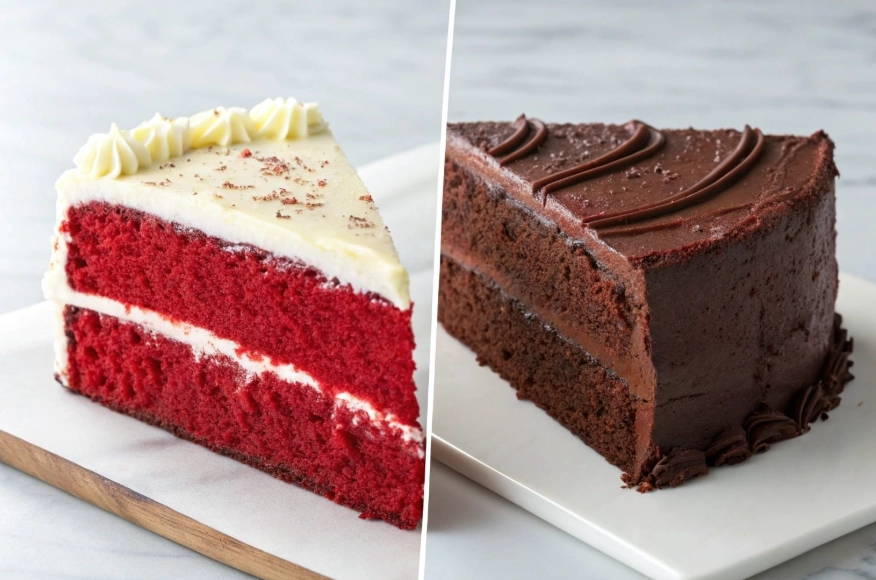
The Ingredients That Set Red Velvet Apart
Here's the core of the debate. At a glance, red velvet and chocolate cake share cocoa, flour, sugar, and eggs. But the devil is in the details. Red velvet cake relies on a specific balance of acidic ingredients to create its signature flavor and texture.
| Ingredient | Red Velvet Cake | Chocolate Cake |
|---|---|---|
| Cocoa Powder | Small amount (1-2 tbsp), often natural cocoa for acidity | Larger amount (1/2 cup or more), Dutch-process or regular |
| Buttermilk | Essential—adds tang and tenderizes | Optional, often replaced with milk or water |
| Vinegar | Usually 1 tsp white vinegar, boosts acidity | Rarely used |
| Red Food Coloring | Common today, but not traditional | Never used |
| Frosting | Cream cheese frosting standard | Buttercream, ganache, or whipped cream |
Buttermilk is the star here. It reacts with baking soda to create lift, and its acidity enhances the cocoa flavor without overwhelming sweetness. Chocolate cake, on the other hand, focuses on rich chocolate taste, often using more cocoa or melted chocolate, and tends to be sweeter. A friend of mine, a pastry chef, puts it bluntly: "If your red velvet tastes like chocolate cake, you've used too much cocoa."
The Role of Cocoa in Red Velvet Cake
Many recipes get this wrong. Red velvet cake uses a tablespoon or two of natural cocoa powder, not Dutch-processed. Why? Natural cocoa is acidic, which plays nice with buttermilk and vinegar. Dutch-processed cocoa is neutralized, so it won't give you that subtle tang. I've seen home bakers swap in dark cocoa powder for a deeper color, but it mutes the flavor profile—stick to the basics.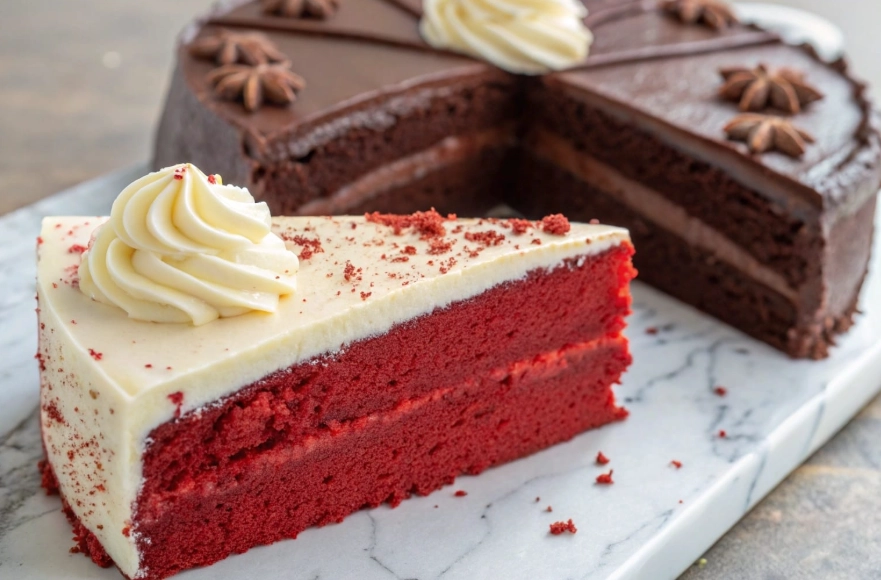
How to Bake Red Velvet Cake: A Step-by-Step Guide
Let's get practical. Baking red velvet cake isn't hard, but it requires attention to detail. Here's a method I've refined after a few disasters.
Step 1: Prep your ingredients. Have everything at room temperature. Cold buttermilk or eggs can break the emulsion. I learned this when my cake came out dense—took me weeks to figure out it was the fridge-cold buttermilk.
Step 2: Mix dry and wet separately. Whisk flour, cocoa, baking soda, and salt in one bowl. In another, cream butter and sugar until fluffy, then add eggs one at a time. This isn't like chocolate cake where you might dump everything together; red velvet needs that creaming step for a light crumb.
Step 3: Combine with care. Alternate adding dry ingredients and buttermilk to the butter mixture. Start and end with dry ingredients. Then, stir in vinegar and red coloring if using. Don't overmix! Once the flour is incorporated, stop. Overmixing develops gluten, and you'll end up with a tough cake.
Step 4: Bake and test. Pour into greased pans and bake at 350°F (175°C) for 25-30 minutes. Use a toothpick test—it should come out with a few moist crumbs. Red velvet cakes bake faster than chocolate cakes because of the acidity, so keep an eye out.
Step 5: Frost with cream cheese frosting. Let cakes cool completely. Whip up a frosting with cream cheese, butter, powdered sugar, and a dash of vanilla. The tanginess cuts through the cake's richness perfectly. I've tried using buttercream, and it just tastes wrong—too sweet, misses the balance.
Pro tip: If you're avoiding food coloring, use beet juice. Steam and puree a small beet, add it to the wet ingredients. It gives a natural red tint and a slight earthy sweetness, though the color won't be as vibrant. Some bakeries in Portland swear by this method.
Common Red Velvet Cake Mistakes (And How to Avoid Them)
Even experienced bakers slip up with red velvet. Here are pitfalls I've seen—and made myself.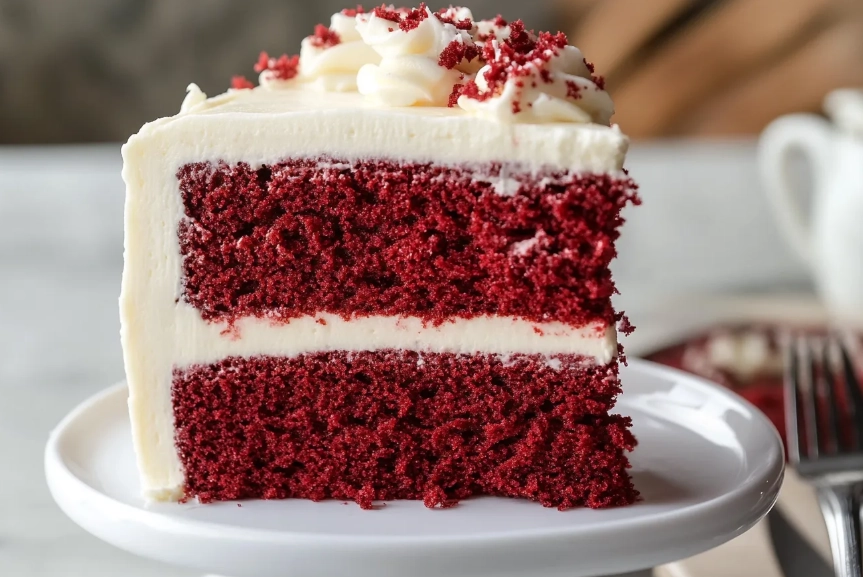
Using too much cocoa. It's tempting to add more for a chocolatey kick, but that turns it into chocolate cake. Stick to 2 tablespoons max. I once doubled the cocoa, and the cake lost its velvety texture, becoming crumbly and dry.
Skipping buttermilk. Buttermilk is non-negotiable. If you don't have it, make a substitute with milk and lemon juice (1 cup milk + 1 tbsp lemon juice, let sit 5 minutes). But real buttermilk works better—its thickness adds moisture. A reader told me she used yogurt instead, and the cake was too dense.
Overbaking. Red velvet cakes dry out easily. Because of the buttermilk and vinegar, they continue cooking slightly out of the oven. Pull them out when the edges just start pulling away from the pan. My first attempt was overbaked by 5 minutes, and it tasted like cardboard.
Ignoring the frosting. Cream cheese frosting isn't just a topping; it's part of the flavor experience. Don't use store-bought frosting—it's too sweet and lacks tang. Make it fresh, and don't overbeat, or it becomes runny.
Your Red Velvet Cake Questions Answered
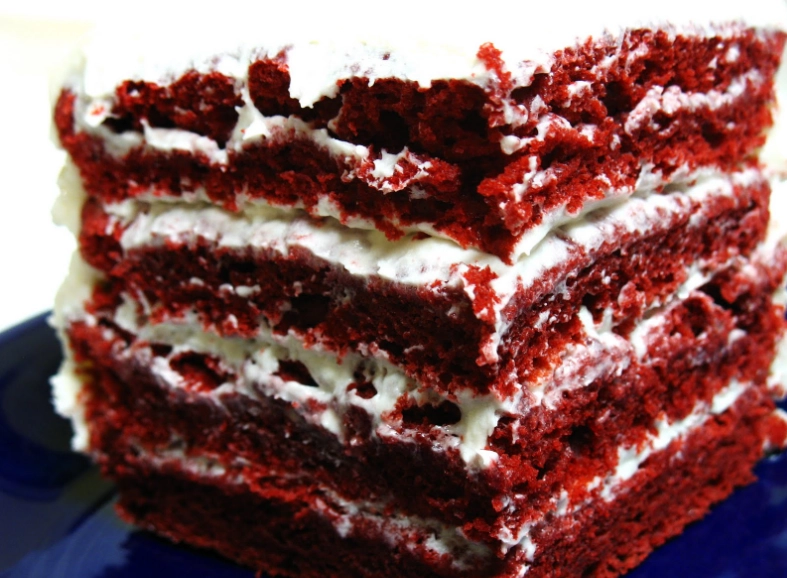 So, next time someone asks if red velvet cake is just chocolate cake but red, you can confidently say no. It's a distinct recipe with its own chemistry, history, and flavor profile. Whether you're baking for a holiday or just craving something special, understanding these differences will elevate your cake from good to unforgettable. Give it a try—skip the food coloring, embrace the buttermilk, and taste the real red velvet.

Leave a Comment