Making a cake that looks professional isn't about having a pastry degree. It's about nailing a few key techniques that separate home bakers from pros. I've been baking for over a decade, and trust me, the difference often comes down to details most tutorials skip. Let's dive in.
Quick Navigation
The Foundation: Preparing Your Cake for Decoration
Before you even touch frosting, your cake needs to be ready. I've seen so many bakers rush this and end up with a lopsided mess. It's like building a house on sand.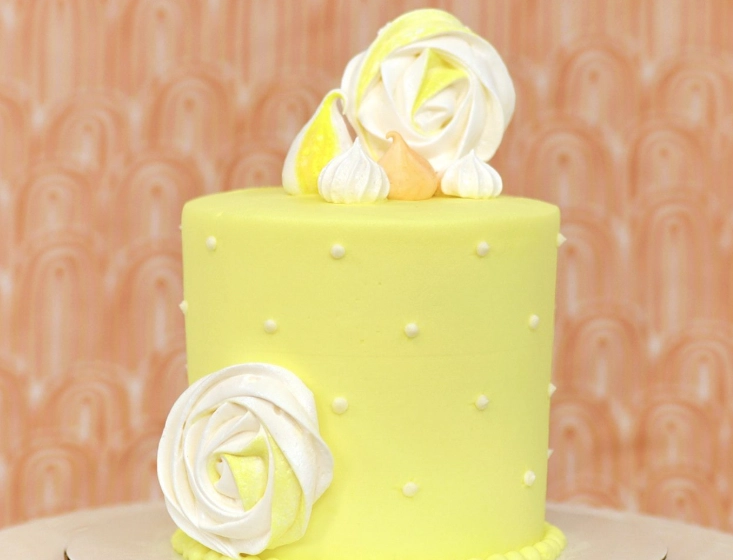
Start by cooling your cakes completely. Warm layers melt frosting and cause sliding. I let mine sit on a wire rack for at least two hours, sometimes overnight in the fridge.
Leveling and Trimming
Use a serrated knife or a cake leveler to trim the dome off each layer. A flat surface is non-negotiable. Don't just eyeball it—place the cake on a turntable and rotate while cutting. This ensures evenness.
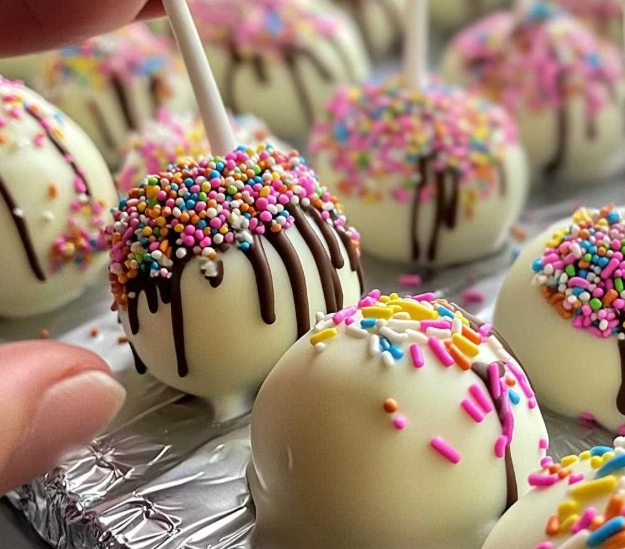
Save the trimmings. They're perfect for cake pops or tasting tests.
Crumb Coating
Apply a thin layer of frosting all over the cake. This seals in crumbs. Use an offset spatula and don't worry about perfection. Chill the cake for 15-20 minutes until the coat is firm. This step is crucial; skip it, and you'll have crumbs ruining your final layer.
From my experience, a crumb coat also helps the cake absorb less moisture from the frosting, keeping it stable.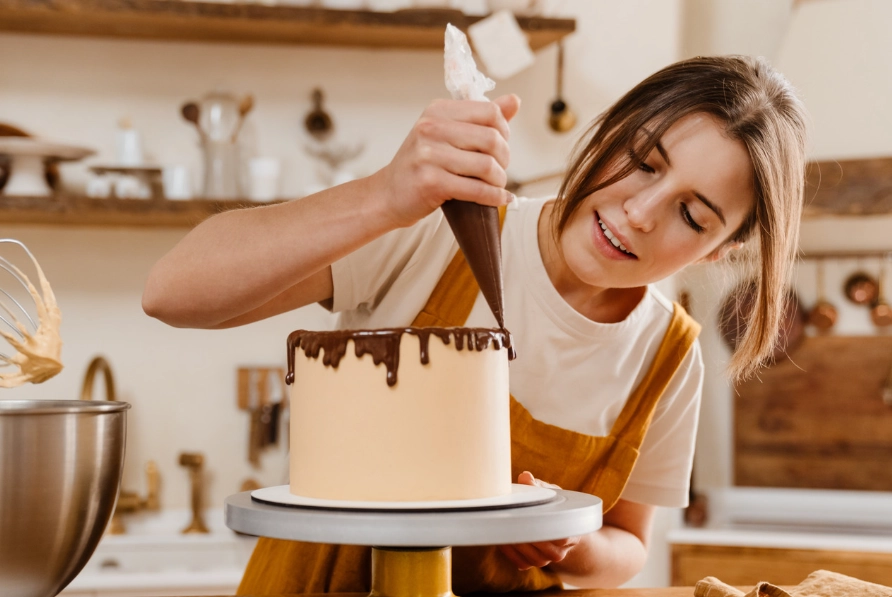
Essential Tools for Professional Results
You don't need a kitchen full of gadgets, but these tools are worth every penny. I made the mistake of using cheap alternatives early on, and it showed.
- Offset Spatula: The angled blade gives you control without dragging your knuckles. I prefer a 4.5-inch one for most cakes. A smaller one is great for details.
- Turntable: A rotating stand lets you smooth frosting evenly from all angles. Without it, you'll have uneven sides. Get one with a non-slip base; I've had cakes slide off wobbly ones.
- Bench Scraper: For achieving that sleek, smooth finish on buttercream. Metal ones work best. Plastic can flex and create waves.
- Piping Bags and Tips: Start with a basic set like Wilton's 12-piece. Reusable bags are eco-friendly, but disposable ones are easier for beginners.
- Cake Boards and Drums: Use a board slightly larger than your cake for support. A drum adds height and makes handling easier.
Investing in a good turntable reduced my decorating time by half and improved the look dramatically. I use the Ateco model—it's sturdy and smooth.
Mastering Frosting and Icing Techniques
Frosting is where the magic happens. Get this right, and your cake will shine. But there's a subtle mistake few talk about: frosting consistency. Too stiff, and it tears the cake; too soft, and it slides off.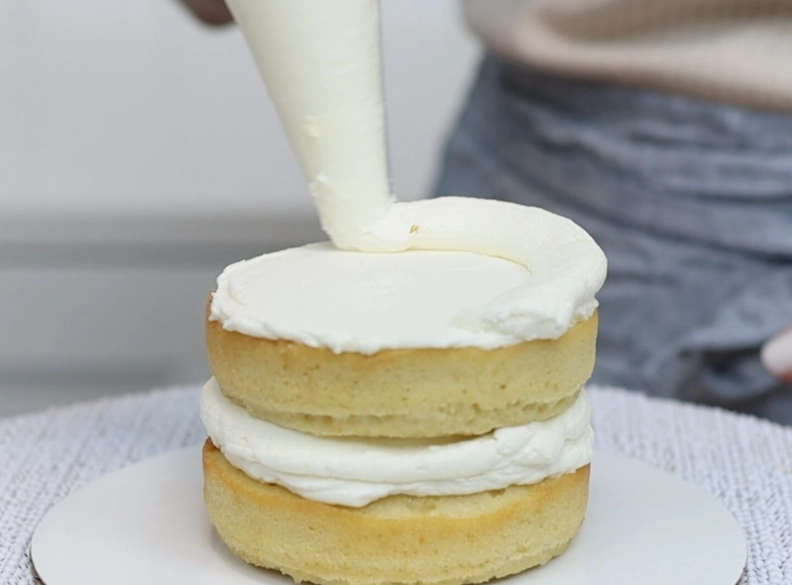
Smooth Buttercream Finish
Use a bench scraper held at a 45-degree angle against the cake on the turntable. Spin slowly, applying gentle pressure. Dip the scraper in hot water between passes for an extra smooth finish. The heat melts the buttercream slightly, filling in gaps.
Chill the cake for 10 minutes after the first smooth, then repeat. This double-chill method locks in the shape.
Working with Fondant
Knead fondant until pliable—about 5 minutes. Roll it out on a surface dusted with powdered sugar, not cornstarch, to avoid drying. Aim for 1/8-inch thickness. Drape over the cake and smooth with fondant smoothers from the top down.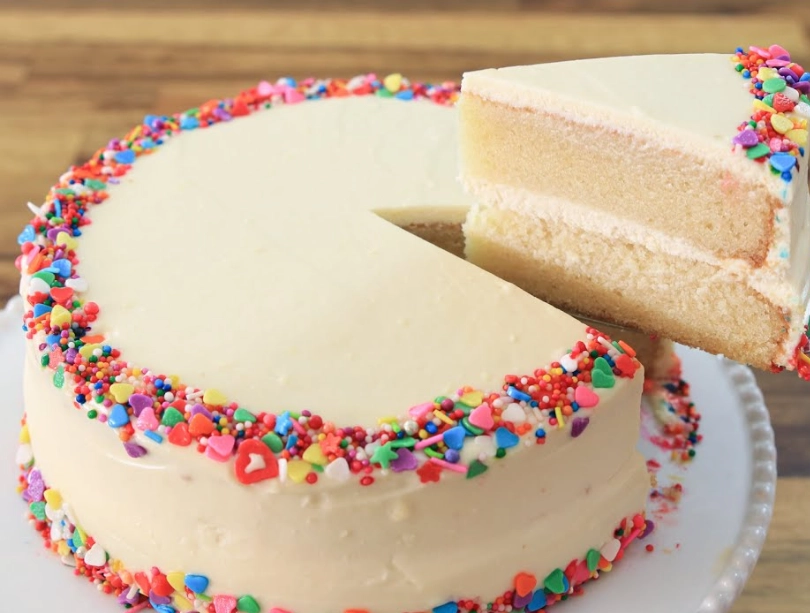
A common error is rolling fondant too thin, which causes tearing. If it tears, patch it with a small piece and blend with a smoother.
Fondant can taste bland, so I often brush the cake with simple syrup before applying to add moisture and flavor.
Advanced Decorating: Piping and Finishing Touches
Once the base is smooth, add details that wow. But less is often more. A cluttered design looks amateurish.
Basic Piping Techniques
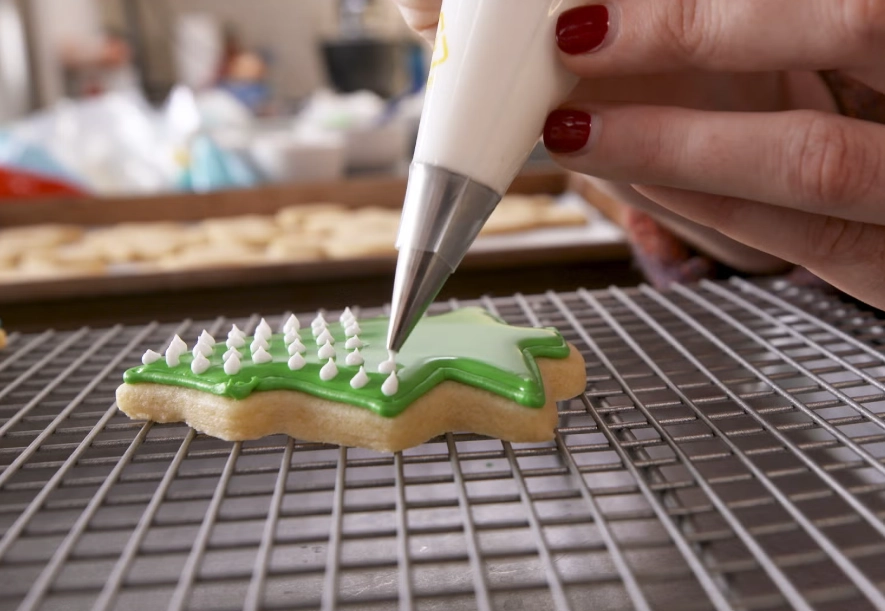
Practice with a star tip for borders or a round tip for writing. Consistency in pressure is key. I practiced on parchment paper before moving to cakes. Fill the piping bag only halfway to avoid hand fatigue.
For a professional touch, use a French tip for rosettes or a leaf tip for greenery. These add dimension without overwhelming.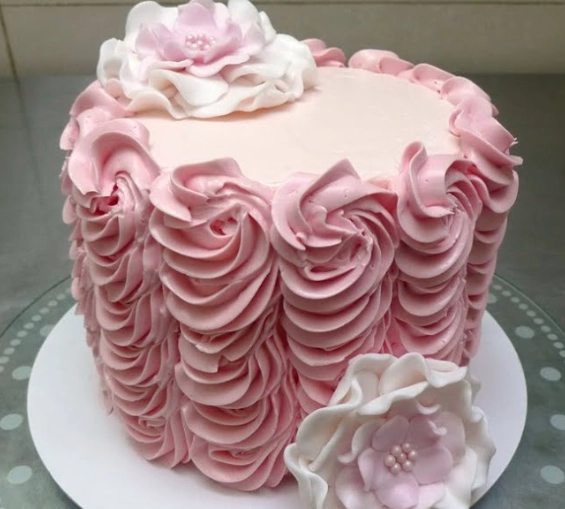
Adding Edible Decorations
Use edible flowers, gold leaf, or chocolate shards. Source edible flowers from reputable suppliers—some store-bought ones are sprayed with pesticides. Gold leaf is delicate; apply it with tweezers and a soft brush.
Chocolate shards are easy: melt chocolate, spread thinly on parchment, let set slightly, then break into pieces. They add a modern, elegant touch.
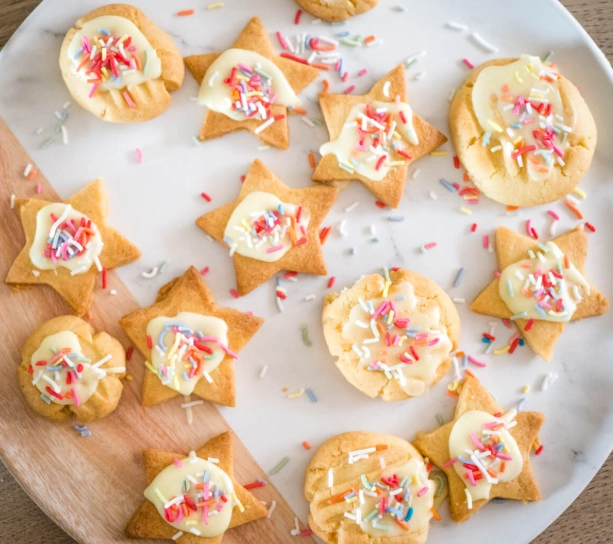
I once over-decorated a cake with sprinkles, and it looked messy. Now, I stick to one or two focal points.
Common Cake Decorating Mistakes and How to Fix Them
Here’s a table of frequent errors I've encountered in my baking classes. These are based on real struggles, not just textbook advice.
| Mistake | Why It Happens | How to Avoid |
|---|---|---|
| Uneven frosting | Not using a turntable or rushing the process | Use a turntable and take your time to smooth evenly. Chill between layers. |
| Crumbly layers | Overbaking or frosting warm cakes | Ensure cakes are fully cooled and handle gently. Use a syrup soak for moisture. |
| Fondant tearing | Rolling too thin or not kneading enough | Knead fondant properly and roll to an even thickness. Patch tears with extra fondant. |
| Soggy cake | Using too much syrup or filling | Apply fillings sparingly and let layers set. Use stable fillings like buttercream. |
| Air bubbles in frosting | Overmixing buttercream or applying too quickly | Mix frosting on low speed and let it sit to release bubbles. Smooth with a hot spatula. |
One subtle mistake: using buttercream that's too warm. If your kitchen is hot, chill the frosting briefly before decorating. Warm buttercream slides off and loses shape. I learned this the hard way during a summer bake sale—my cakes looked melted.
Another tip: avoid over-handling fondant. The heat from your hands can make it sticky. Wear food-safe gloves if needed.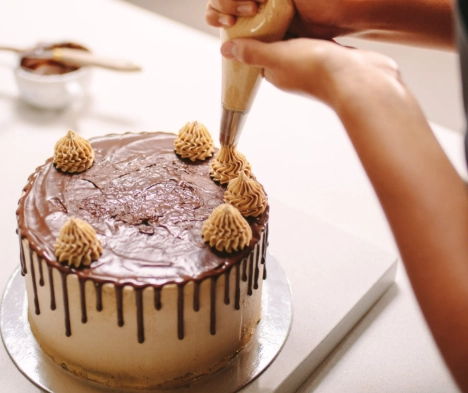
Leave a Comment