Let's be honest. You've probably tried a few baked cheesecake recipes. Some turned out okay. Others cracked right down the middle, or had a texture closer to rubbery omelet than creamy dream. I've been there. My first attempt looked like the surface of the moon. But after a decade of tweaking, testing, and (yes) failing, I landed on a formula that works every single time. This isn't just another recipe; it's the one you'll bookmark and use for life. It delivers a cheesecake with a velvety, dense-yet-light texture, a rich but balanced flavor, and a flawless, crack-free top. Forget the anxiety. This is the best baked cheesecake recipe ever because it focuses on the why behind every step, not just the what.
Your Cheesecake Roadmap
Why This Recipe Actually Works (The Science Bit)
Most recipes just give you a list. I want you to understand the blueprint. The goal is a set custard that's smooth, not eggy, with a slight tang. The main enemies are overmixing (which incorporates too much air and causes cracking) and overbaking (which causes dryness and cracking).
This recipe wins because:
- Full-fat is non-negotiable. Low-fat cream cheese has stabilizers and more water, which messes with the chemistry. You need the fat content for structure and mouthfeel. Brands like Philadelphia or store-brand full-fat blocks work perfectly.
- Room temperature everything. This is the single most overlooked step. Cold cream cheese will never blend smoothly, leading to a lumpy batter. Cold eggs can shock the batter and cause curdling. Take everything out 2-3 hours before you start.
- Low and slow baking with a water bath. The water bath (or bain-marie) creates a humid oven environment. This gentle, even heat is what prevents the top from drying out and cracking. It's not optional for a classic New York-style texture.
- Minimal mixing. We mix just enough to combine. Once the eggs go in, we treat the batter like a fragile custard, not cake batter.
Ingredients: The Non-Negotiables & Why They Matter
Here's exactly what you need for a perfect 9-inch cheesecake. Deviate at your own risk.
| Ingredient | Quantity | Specifics & Role |
|---|---|---|
| Cream Cheese | 32 oz (four 8-oz blocks) | Full-fat, brick-style only. This is the star. The fat provides richness and the structure for a dense, creamy cake. Do not use tub or spreadable cream cheese. |
| Granulated Sugar | 1 cup (200g) | Sweetens and tenderizes. We use less than some overly sweet recipes to let the cheese flavor shine. |
| Sour Cream | 1 cup (240ml) | The magic ingredient for tang and extra creaminess. It also adds moisture, helping prevent a dry texture. Full-fat preferred. |
| Eggs | 4 large | Room temperature. They are the binder that sets the custard. Adding them one at a time prevents the batter from becoming too aerated. |
| Vanilla Extract | 2 tsp | Use real vanilla. It rounds out the flavor. A tiny pinch of salt (1/4 tsp) is also essential here to balance sweetness. |
| Graham Cracker Crumbs | 2 cups (200g) | For the crust. Mix with 1/2 cup melted unsalted butter and 2 tbsp sugar. Press firmly—a loose crust will crumble. |
See how simple the list is? No flour, no cornstarch (which can give a starchy taste), no lemon juice (the sour cream provides enough tang). Purity is key.
The Foolproof Step-by-Step Recipe
Follow this sequence like a ritual. Precision matters.
1. Prep Work (The Most Important Hour)
Take out cream cheese, eggs, and sour cream. Let them sit on the counter. Preheat your oven to 325°F (160°C). Wrap the outside of a 9-inch springform pan tightly with heavy-duty aluminum foil. This is your water bath armor. Make the crust by mixing crumbs, melted butter, and sugar, then press firmly into the bottom of the pan. Pre-bake for 10 minutes, then let it cool on a rack. Reduce oven to 300°F (150°C).
2. Making the Filling (The Gentle Art)
In a large bowl, beat the room-temperature cream cheese alone for 1 minute until just smooth. Scrape the bowl. Add sugar, beat for another 30 seconds until combined. Scrape again.
Here's where most go wrong: they add the sour cream and vanilla and whip it. Don't. Add them and mix on low until just incorporated.
Now, with the mixer on low, add eggs one at a time. Mix only until the yolk disappears into the batter before adding the next. After the last egg, stop the mixer. The batter should be smooth, glossy, and thick, with no visible streaks.
3. Baking in the Water Bath
Pour the batter over the cooled crust. Place the foil-wrapped springform pan into a large roasting pan. Place it in the oven, then carefully pour hot water into the roasting pan until it comes halfway up the sides of the springform.
Bake at 300°F for 1 hour and 30 minutes to 1 hour 45 minutes. The cake is done when the edges are set but the center—about a 4-inch diameter circle—still has a pronounced, gentle jiggle, like Jell-O. It should not look liquid. Turn off the oven, crack the door open with a wooden spoon, and let the cake cool inside for 1 hour. This gradual cooling is your second crack-prevention insurance.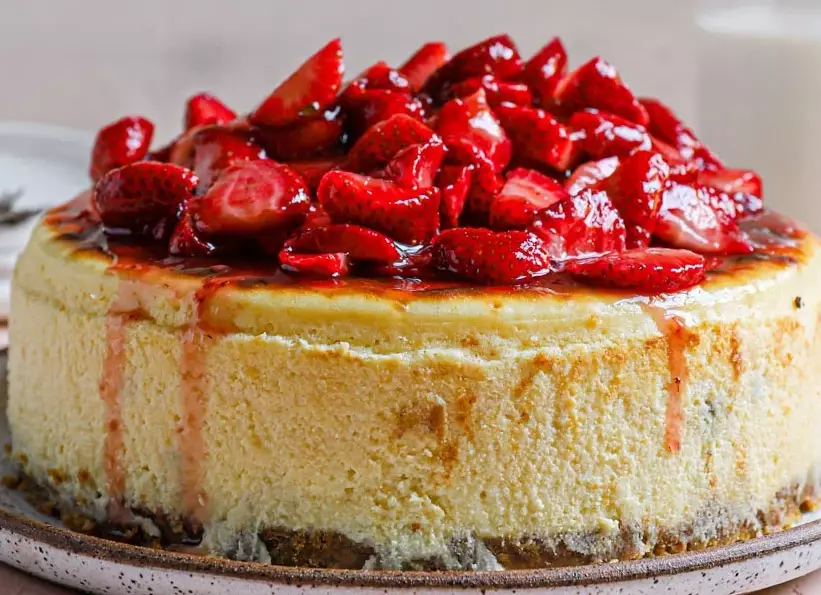
Expert Techniques Most Recipes Don't Tell You
After teaching this recipe for years, I've seen the same subtle mistakes.
- The Scrape-Down Ritual: Scrape the bowl and paddle attachment three times: after initially beating the cream cheese, after adding the sugar, and after adding the sour cream. Hidden lumps live at the bottom.
- Water Bath 2.0: Instead of struggling to carry a pan full of water, place the roasting pan in the oven first, then place the springform inside, then pour the hot water. Much safer.
- The "No-Leak" Foil Wrap: Use two large sheets of foil, crossing them to form a + shape. Place the springform in the center and fold the foil up the sides. This is more reliable than one piece.
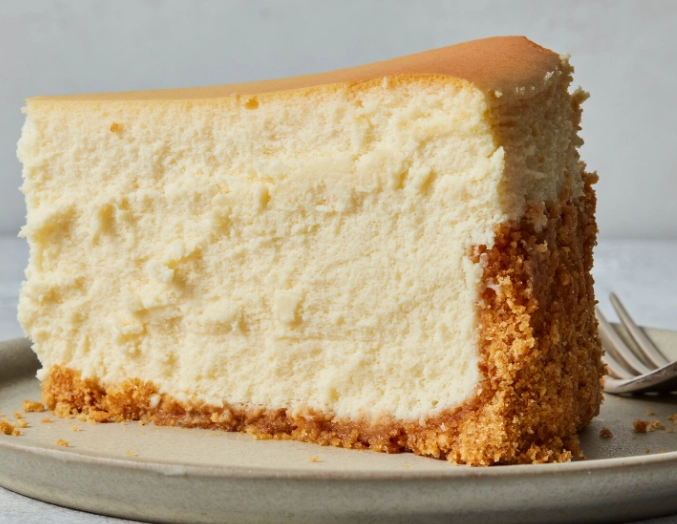
- Chilling is Mandatory: After its oven cool-down, run a knife around the edge to release it (prevents sinking), then chill uncovered in the fridge for at least 8 hours, preferably 24. The flavor and texture mature and set completely. Cutting it early is a tragedy.
Baking Times, Doneness, and Troubleshooting
Ovens vary. Here's how to read your cake's signals.
| Issue | Likely Cause | How to Fix It Next Time |
|---|---|---|
| Large crack across the top | Overmixing (too much air), overbaking, or cooling too quickly. | Mix less after adding eggs. Rely on the jiggle test. Always cool in the turned-off oven. |
| Sunken center | Underbaking, or not running a knife to release it before chilling. | Bake until only the center jiggles. Always run a thin knife around the edge after the oven cool-down. |
| Grainy or lumpy texture | Ingredients not at room temp, or insufficient mixing of cream cheese at the start. | Plan ahead for warming ingredients. Beat cream cheese thoroughly until completely smooth before adding anything else. |
| Soggy crust | Leaky foil during water bath, or not pre-baking the crust. | Use the double-foil method. Always pre-bake the crust for 10 minutes to set it. |
For different pan sizes: An 8-inch pan will need about 15-20 minutes more baking time. For mini cheesecakes in a muffin tin (without a water bath), bake at 300°F for 18-22 minutes until set.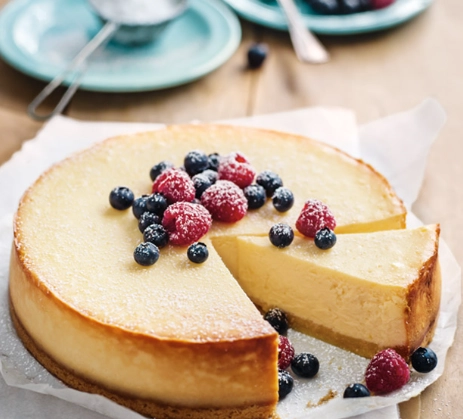
Your Top Cheesecake Questions, Answered
There you have it. A recipe built on understanding, not just instructions. It demands a bit of patience and attention to detail, but the reward is a cheesecake that will make people think you bought it from a professional bakery. The creamy, rich slice with that slight tang and buttery crust is worth every minute. Now go preheat your oven and take that cream cheese out.
Leave a Comment