You follow a recipe to the letter. You measure perfectly. Yet your cake is dense, your cookies spread into a single giant blob, or your bread has the texture of a brick. Sound familiar? I've been there. After over a decade of professional baking and teaching, I can tell you the missing ingredient isn't more love—it's a basic understanding of the science at play. Baking isn't an art you're born with; it's a delicious, edible form of chemistry and physics. Every successful loaf, flaky pastry, or risen cake is a direct result of predictable reactions between ingredients under controlled conditions. Let's strip away the mystery and look at what's really happening in your oven.
What You'll Learn Inside
Why Baking is More Science Than Art
Cooking allows for improvisation. A pinch more of this, a splash less of that. Baking is a precision game. It's a series of chemical reactions that must occur in a specific sequence and within a narrow window of conditions to succeed. The primary goal? To transform a loose, often unappetizing mixture of powders and liquids into a structured, flavorful, and textured product. This transformation is governed by rules.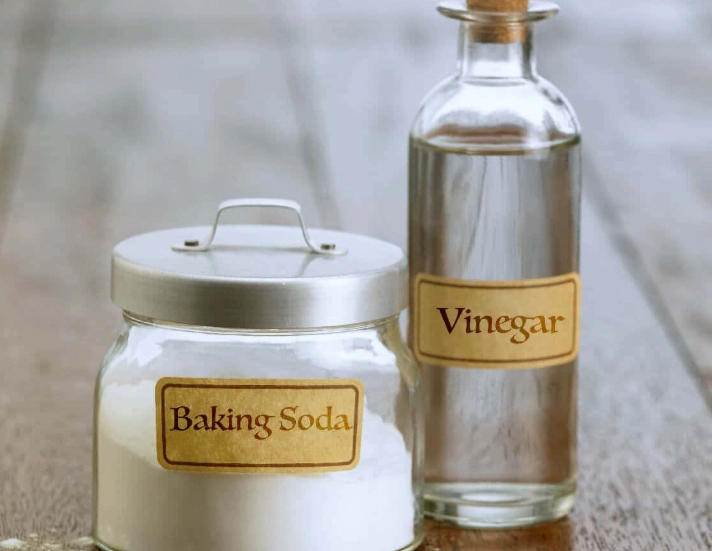
Think of a recipe as an experiment protocol. The ingredients are your chemicals. Your mixing method is the procedure to combine them. Your oven provides the energy (heat) to initiate and drive the reactions. Deviating from the protocol—substituting a key reactant, altering the procedure, or changing the energy input—will change the final product, sometimes disastrously. This isn't to say creativity is dead. Once you understand the rules, you can start to bend them intelligently, which is where the true artistry begins.
The Big Picture: At its heart, baking is about creating and stabilizing a structure. For bread, it's a gluten network inflated by gas. For cakes, it's a tender protein matrix supported by starch and held up by millions of tiny air bubbles. For cookies, it's a balance between spread and set. Science tells us how to control each one.
The Core Ingredients: A Scientific Breakdown
Let's treat your pantry like a lab shelf. Here’s what each common ingredient is really doing.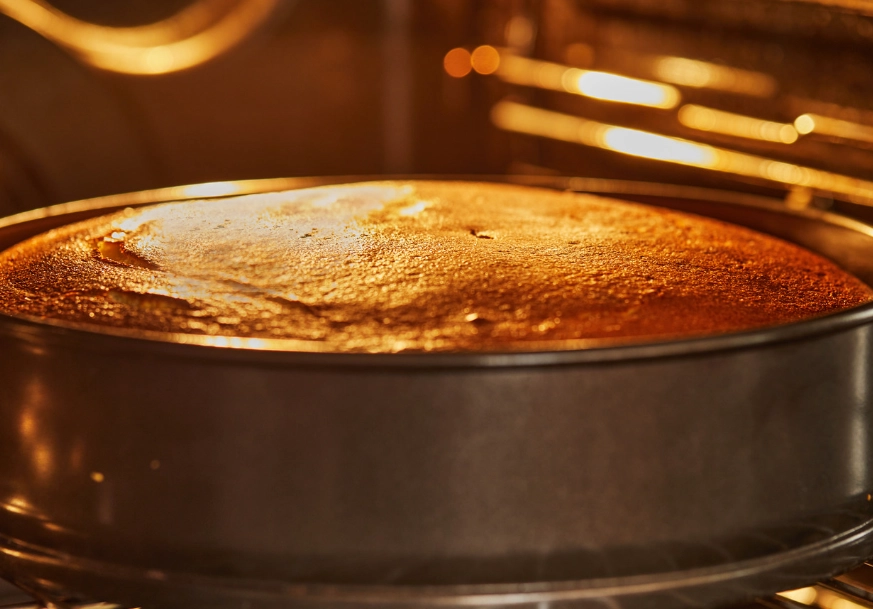
Flour: The Structural Engineer
Flour isn't just a filler. Its proteins, gliadin and glutenin, combine with water to form gluten. Gluten is an elastic network—think of it as the steel rebar in your baked good's concrete. More mixing or kneading develops more gluten, leading to a chewier structure (ideal for bagels, bread). Less gluten development yields tenderness (ideal for cakes, pastries). This is why cake flour (lower protein) and bread flour (higher protein) exist. Using the wrong one is a common, silent mistake.
Leavening Agents: The Architects of Air
These are your gas producers. They create the bubbles that make baked goods light and airy.
- Yeast: A living microorganism. It eats sugars and produces carbon dioxide (CO2) gas and alcohol. The gas gets trapped in the gluten network, causing it to inflate like a balloon. Temperature is critical: too cold, it sleeps; too hot, it dies.
- Baking Soda (Sodium Bicarbonate): A base. It requires an acid (like buttermilk, yogurt, brown sugar, honey) to react. The reaction produces CO2 gas immediately upon mixing with moisture. This is why batters with baking soda must go into the oven quickly.
- Baking Powder: Baking soda + a dry acid (like cream of tartar) + a stabilizer (like cornstarch). It's double-acting: some gas is released upon mixing with liquid, and more is released when heated, giving you a longer rise window.
Fats & Sugars: The Texture Modifiers
Butter, oil, and sugar do more than add flavor.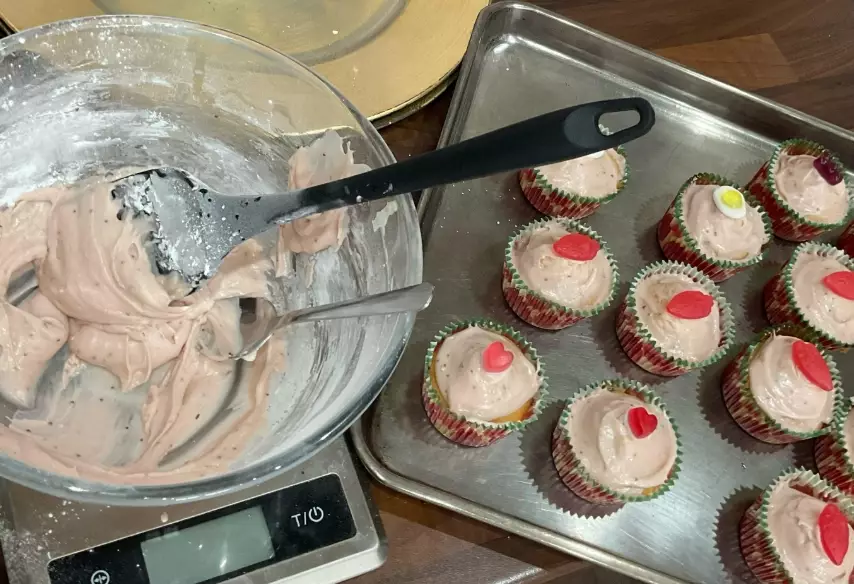
Fat coats flour proteins, physically preventing them from forming long gluten strands (shortening them, hence the term "shortening"). This is what makes pie crusts and biscuits flaky and tender. In creaming (beating butter and sugar), you're trapping tiny air cells in the fat, which will later expand during baking.
Sugar is hygroscopic—it loves water. It competes with flour and gluten for moisture, which also tenderizes. It raises the temperature at which egg proteins set and starches gelatinize, allowing cakes and cookies to spread and rise more before solidifying. Too little sugar, and your cake sets too early, becoming domed and dense.
| Ingredient | Primary Scientific Role | What Happens If It's Off? |
|---|---|---|
| Flour (Protein) | Forms gluten structure | High protein in cake = tough. Low protein in bread = poor rise. |
| Water/Milk | Hydrates proteins, activates gluten & starch | Too little = dry, crumbly. Too much = dense, gummy. |
| Eggs | Provide structure (proteins coagulate), emulsify, add moisture | Overbeaten whites can deflate. Undercooked = runny, unsafe. |
| Butter (Solid Fat) | Traps air, shortens gluten, provides steam | Too warm = flat, greasy baked goods. Too cold = poor incorporation. |
| Baking Soda | Needs acid to produce CO2 gas | Used without acid = soapy, metallic taste, poor rise. |
The Heat Transformation: From Batter to Bliss
The oven is your reactor. Heat doesn't just cook; it triggers a cascade of final, irreversible changes.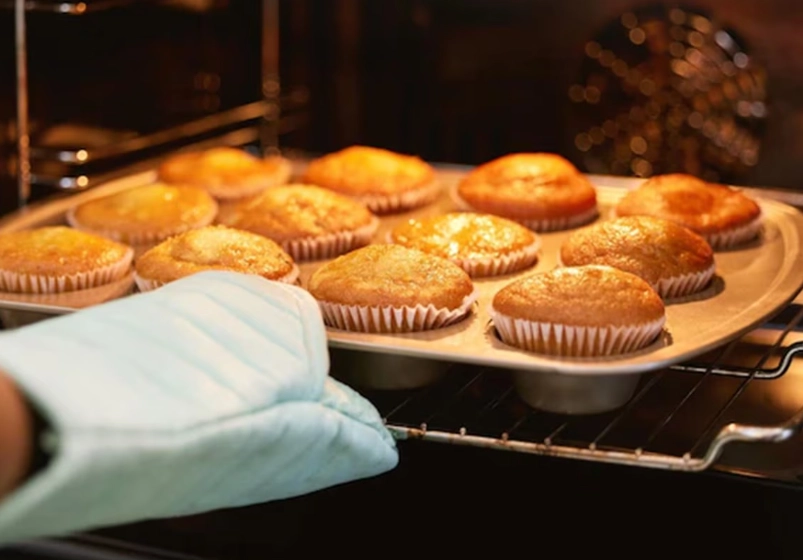
1. Expansion: Gases (air, CO2, steam from water/butter) expand. The batter or dough rises.
2. Protein Coagulation: Egg and gluten proteins unwind and bond together into a solid network, setting the structure. This starts around 140°F (60°C).
3. Starch Gelatinization: Starch granules in the flour absorb water, swell, and burst, releasing molecules that thicken and set the structure. This happens around 150-180°F (65-80°C).
4. The Maillard Reaction & Caramelization: Above 300°F (150°C), sugars and proteins undergo the Maillard Reaction—the complex process that creates golden-brown color and rich, toasty, nutty flavors (the smell of baking bread). Caramelization (sugars breaking down) adds further color and flavor.
Open the oven door too early, and the sudden drop in temperature can collapse the delicate, half-set structure. That's why the "don't peek" rule exists for a good reason.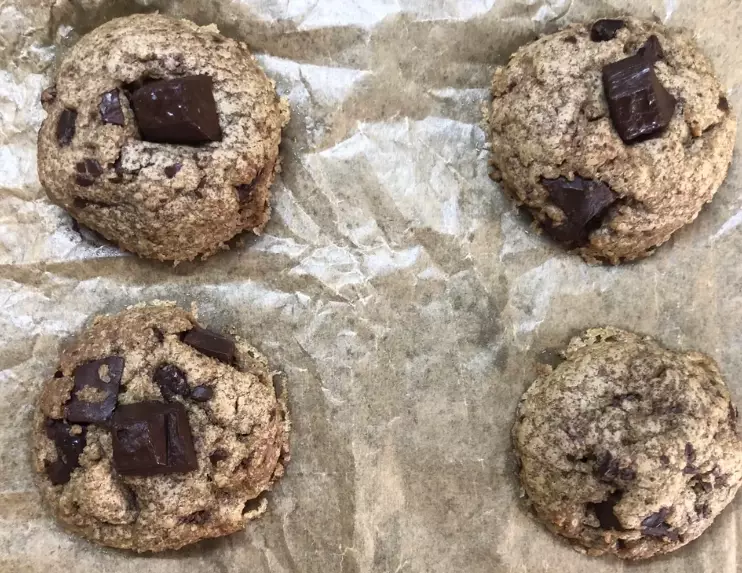
Applying the Science in Your Home Kitchen: A Case Study
Let's diagnose a common failure with our new science glasses: The Sad, Sunken Cake.
The Scene: You bake a beautiful, tall chocolate cake. You pull it out of the oven, and 10 minutes later, the center has collapsed into a crater.
The Usual Suspects (The Science):
- Undermixed? Unlikely. More common is overmixing after adding flour. This develops too much gluten, creating a tough network that can't expand properly. When the gas pressure builds and then escapes, the structure collapses.
- Too much leavener? Very possible. Excess baking powder/soda creates huge, unstable bubbles that rise too fast and pop before the protein/starch structure is strong enough to hold them. The cake inflates like a bubble and then deflates.
- Undercooked? Bingo. This is the big one. If the center hasn't reached a high enough temperature for proteins and starches to fully set, it's still a wet, weak batter. The edges set, the center keeps rising, and then gravity wins. The weak center can't support the weight.
- Oven temp too high? Also possible. The outside sets and browns too quickly, forming a crust that traps steam inside. The inside then "steams" rather than bakes, creating a gummy, weak texture that sinks.
The Fix: Use an oven thermometer to verify temperature. Don't just rely on time—test for doneness with a skewer that comes out clean. Measure leavening agents precisely. Mix dry and wet ingredients only until just combined.
Your Baking Problems, Solved by Science
My chocolate chip cookies always spread flat and thin. What's the science behind that, and how do I fix it?
Why do recipes specify "room temperature" eggs and dairy, and does it really matter?
My bread never gets those big, irregular holes inside like artisan loaves. What am I missing?
Can I substitute baking powder for baking soda, or vice versa?
The goal isn't to turn your kitchen into a lab where you need a chemistry degree. It's to give you the framework to understand the "why" behind the instructions. When you know that sugar competes for water, or that gluten develops with agitation, you stop following recipes blindly and start baking with intention. You troubleshoot failures logically. You see a recipe that uses buttermilk and baking soda and think, "Ah, that's for acid-activated lift and tenderness," rather than just following steps. That's the real power of understanding the science of baking—it turns frustration into delicious, predictable success.

Leave a Comment