Quick Navigation
Let's be real. I've messed up more cheesecakes than I care to admit. We're talking sunken middles, cracks you could lose a coin in, and crusts that were more like sweetened sand than a sturdy base. The quest for that flawless, creamy, crack-free slice can feel like a baking holy grail. Everyone promises a perfect cheesecake recipe, but so many leave out the tiny, crucial details that make all the difference between good and legendary.
I remember my first attempt. Followed a famous recipe to the letter, I thought. Came out of the oven looking proud, then watched in horror as a giant canyon split it right down the middle as it cooled. Heartbreaking. That failure sent me down a rabbit hole of food science, old baker's notes, and countless batches (my friends were very happy taste-testers). What I found wasn't one magic trick, but a series of small, non-negotiable steps.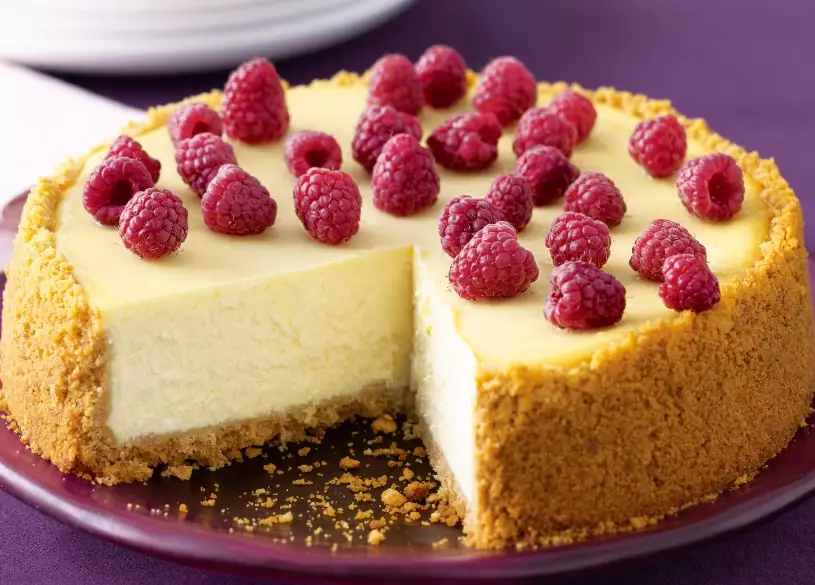
This guide is the culmination of all that. It's not just a list of ingredients and steps. It's the why behind every action. Because understanding the "why" is what turns you from a recipe follower into a confident baker who can troubleshoot on the fly. Whether you're a newbie terrified of the water bath or a seasoned baker chasing that elusive silkiness, this is your blueprint.
Why Most Cheesecake Recipes Fail (And How This One Won't)
It usually boils down to three big enemies: overmixing, temperature shock, and impatience. Overmixing incorporates too much air, which expands and contracts during baking, leading to cracks. Pulling a hot cheesecake into a cold kitchen is like asking it to have a panic attack. And cutting into it before it's fully set? That's a recipe for a goopy, sad mess.
This recipe is built around defeating those enemies. It uses a moderate amount of eggs (too many cause excessive rising and falling), emphasizes room-temperature ingredients for a smooth, lump-free batter, and has a cooling protocol that's more gradual than a lazy Sunday.
The Non-Negotiable Ingredients for Perfection
You can't build a masterpiece with subpar materials. Cheesecake is deceptively simple, ingredient-wise, so the quality of each one shouts loud and clear in the final product.
| Ingredient | Why It Matters & What to Buy | Common Pitfall to Avoid |
|---|---|---|
| Cream Cheese | This is the star. Use full-fat, brick-style cream cheese only. The spreadable kind in tubs has stabilizers and more water, which will ruin your texture. I'm a loyalist to Philadelphia brand for consistency, but any full-fat brick works. For resources on dairy quality, the U.S. Dairy Export Council has great info on dairy standards. | Using cold cream cheese. It will never blend smoothly, leading to a lumpy batter no matter how long you mix. |
| Sour Cream | Full-fat sour cream adds tang, moisture, and a velvety richness. Some perfect cheesecake recipe variations use heavy cream, but sour cream gives a more complex flavor profile I prefer. | Using light or fat-free sour cream. The extra water and gums can make the filling weep or have a gummy texture. |
| Eggs | Large eggs, at room temperature. They are the main structure-builder. Cold eggs can re-solidify bits of cream cheese, causing lumps. | Over-beating the eggs. Whisk them just until uniform before adding. Beating in too much air is a crack culprit. |
| Graham Cracker Crumbs | For the classic crust. You can buy pre-crumbed or crush whole crackers. The flavor is key. | Not toasting the crumbs with the butter and sugar first. Toasting in the oven for 10 minutes deepens the flavor immensely. |
| Granulated & Brown Sugar | White sugar sweetens the filling, a bit of brown sugar in the crust adds a caramel note that's just wonderful. | Using only white sugar in the crust. You miss out on a layer of flavor. |
| Butter | Unsalted, for the crust. Salted butter can make the crust too salty since we add a pinch of salt separately. | Melting the butter to a liquid. Just soften it. Liquid butter makes the crust greasy and hard. |
See? Nothing crazy. But the choice of each ingredient steers the outcome. Speaking of dairy, for the science behind why full-fat works best, the California Dairy Press Room has some accessible articles on fat content and baking chemistry.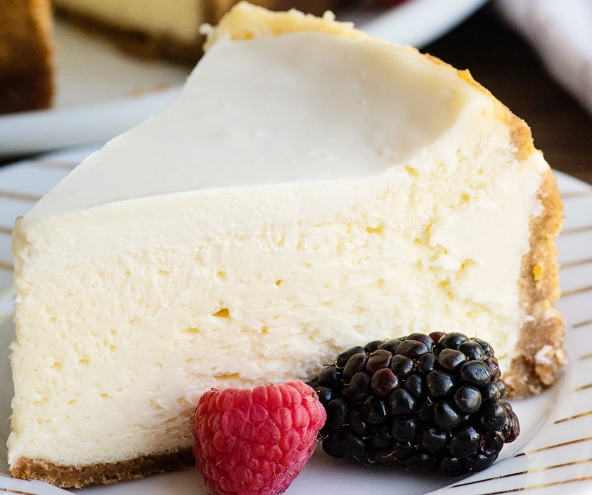
The Step-by-Step Blueprint to a Flawless Cheesecake
Here we go. Read this whole section before you even turn on your oven. Mise en place is everything.
Part 1: The Foundation – Building an Unshakeable Crust
A soggy bottom is the tragedy of many a good cheesecake. We're not having that.
First, don't just mix crumbs and butter. Combine the graham cracker crumbs, that bit of brown sugar, a pinch of salt, and the softened butter in a bowl. Use your fingers or a fork. It should look like wet sand and hold together when you pinch it. Dump it into a 9-inch springform pan (not a regular cake pan, this is non-negotiable).
Now, use a flat-bottomed glass or measuring cup to press the crumbs firmly and evenly across the bottom and about halfway up the sides. Don't just press down, use a twisting motion to really compact it. This is what prevents crumbling when you slice. Bake this crust alone for 10 minutes at 325°F (163°C). This pre-baking sets the crust and creates a barrier against the wet filling. Let it cool on a rack while you make the filling. Do not add filling to a hot crust.
Part 2: The Heart – Crafting the Silky Filling
This is where the zen happens. All ingredients must be at true room temperature. Leave them out for at least 2 hours, maybe 3 for the cream cheese.
Beat the cream cheese alone in a large bowl. Use a paddle attachment if you have a stand mixer, medium-low speed. Beat it for a good 2-3 minutes until it's completely smooth, creamy, and has no lumps whatsoever. Scrape down the bowl and beater thoroughly.
Now add the sugar. Beat again on medium-low until just combined and smooth, another minute. Scrape again. You're seeing a pattern here? Scraping is critical.
Add the sour cream, vanilla, and that optional tablespoon of cornstarch if you're using it. Mix on low until blended. Scrape.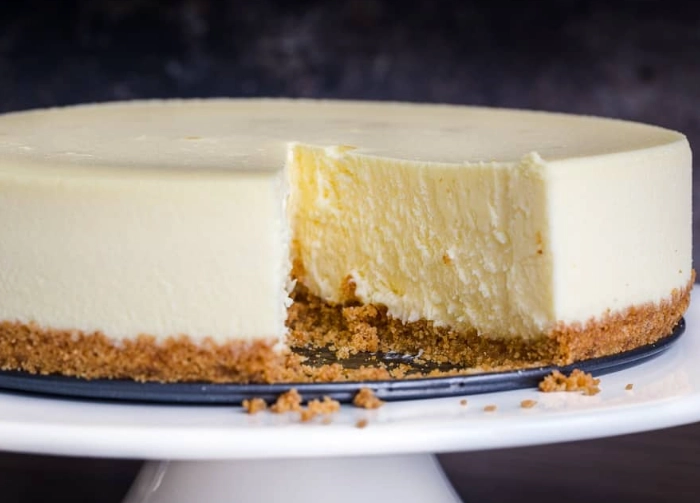
Now the eggs. This is the most delicate part. Add them one at a time, with the mixer on the lowest possible speed. Mix just until the yolk disappears into the batter before adding the next one. After the last egg is in, mix for maybe 30 more seconds and STOP. The batter should be smooth, glossy, and thick. Overmixing now incorporates air and over-develops the eggs' protein, leading to a puffy, crack-prone cake.
Part 3: The Bake – Low, Slow, and Protected
The infamous water bath (bain-marie). It's not optional for this perfect cheesecake recipe. It creates a gentle, humid environment that cooks the cheesecake evenly without drying out the edges or shocking the center, which prevents cracks.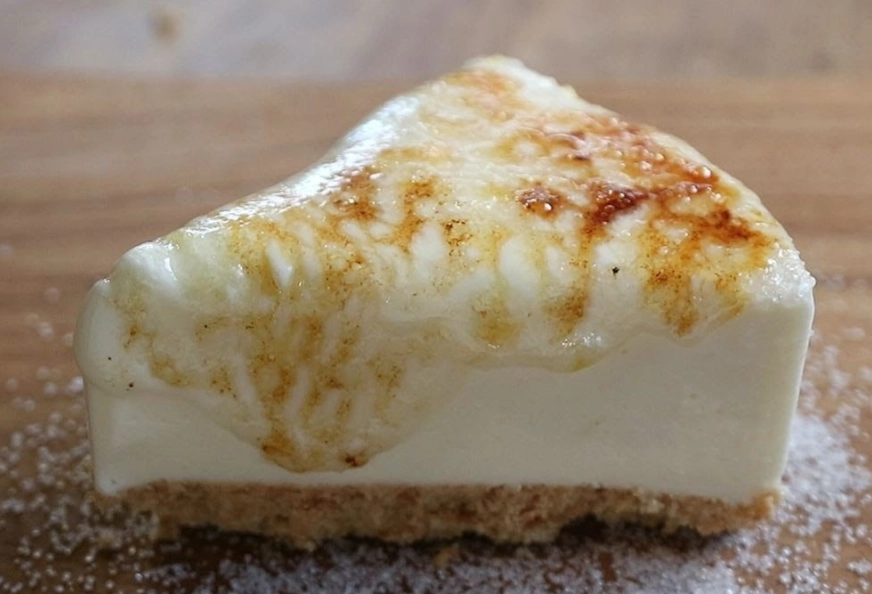
Wrap the outside of your springform pan in a double layer of heavy-duty aluminum foil. This is to prevent water seeping in. Place the foil-wrapped pan in a large roasting pan. Pour your filling into the cooled crust. Smooth the top.
Place the roasting pan on your oven rack, then pour hot (not boiling) water into the roasting pan until it comes about halfway up the sides of the springform. Carefully slide the rack in.
Bake at 325°F (163°C) for about 1 hour to 1 hour 15 minutes. The cheesecake is done when the edges are set but the center—about a 3-inch circle—still has a pronounced, gentle jiggle, like Jell-O. It will look underdone. This is correct. The residual heat will cook it through as it cools.
Turn off the oven. Crack the oven door open with a wooden spoon. Leave the cheesecake in this cooling oven for 1 hour. This gradual temperature drop is the final, critical crack-prevention step.
Part 4: The Chill – The Ultimate Test of Patience
Remove the cheesecake from the water bath, take off the foil, and run a thin knife around the edge of the pan to loosen it (this prevents it from sticking and cracking as it contracts). Let it cool completely on a wire rack at room temperature, another 2-3 hours.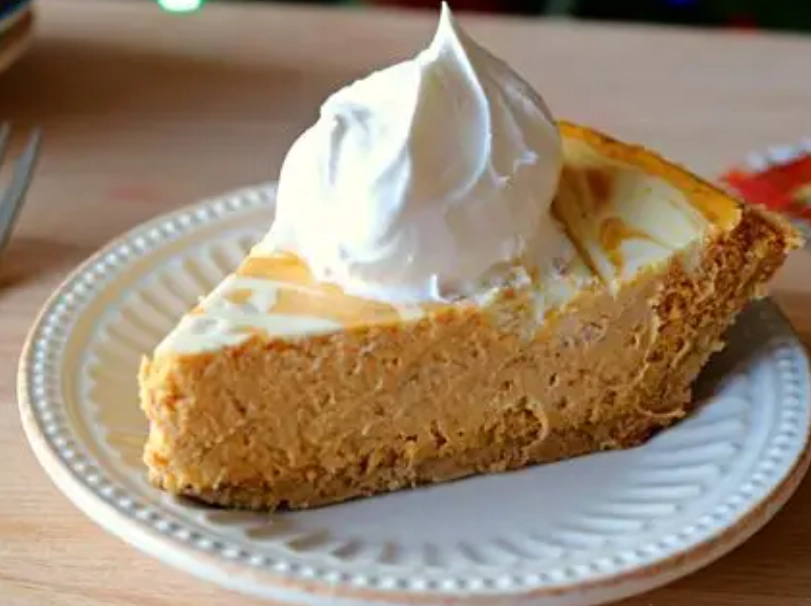
Then, and only then, cover it and refrigerate it for at least 12 hours, ideally 24. I know. It's agony. But this prolonged chill allows the flavors to meld and the texture to firm up into that iconic, sliceable creaminess. Cutting into a cheesecake that hasn't fully set is the number one reason for disappointment.
Your Cheesecake Troubleshooting Handbook
Even with the best perfect cheesecake recipe, things can go sideways. Here's how to diagnose and fix (or prevent next time).
Why did my cheesecake crack?
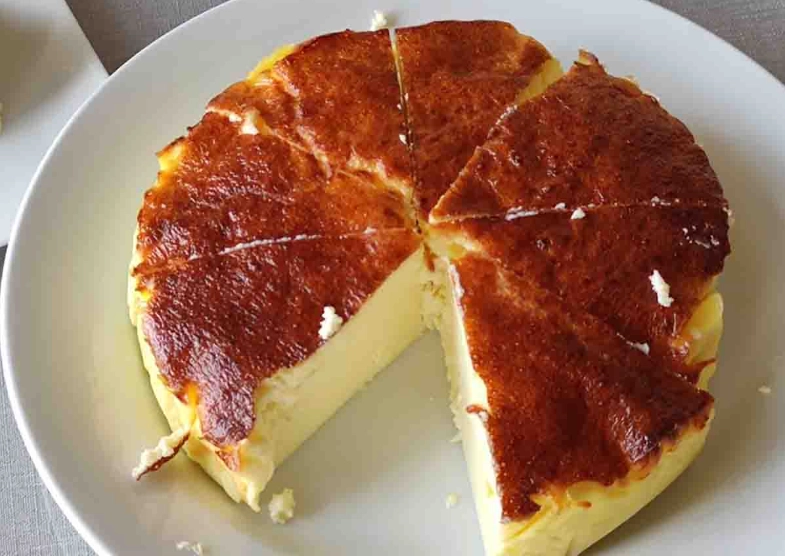
Top Causes: 1) Overmixed batter (too much air). 2) Oven temperature too high. 3) Cooled too quickly (skipped the in-oven cool-down). 4) Overbaked (no jiggle left in the center).
The Fix for Next Time: Follow the mixing and cooling steps religiously. Use an oven thermometer to ensure accurate temperature. If it cracks anyway, don't sweat it—cover it with a sour cream topping (mix 1.5 cups sour cream with 3 tbsp sugar and 1 tsp vanilla, spread on warm cake, bake 10 more minutes) or a pile of fresh berries. It'll still taste incredible.
My crust is soggy. What happened?
The foil wrap likely failed and water leaked in during the water bath. Use heavy-duty foil and double-wrap securely. Also, ensure you pre-baked the crust and let it cool completely before adding filling.
The center is still runny after chilling overnight.
It was severely underbaked. The center jiggle should be small and subtle, not a wave. Next time, bake a bit longer until only a small circle jiggles. Sadly, there's no fix for this batch but to scoop and serve it as a delicious pudding-like dessert.
The top is browned more than I'd like.
Your oven runs hot, or the rack was too high. Use that oven thermometer. Next time, you can tent the top with foil for the last 20-30 minutes of baking.
Beyond the Classic: Flavor Variations That Actually Work
Once you've mastered the base, the world is your oyster. But add-ins must be handled carefully to not upset the delicate balance.
Chocolate Swirl: Melt 4 oz of semi-sweet chocolate and cool slightly. Dollop over the filled pan and use a knife to swirl. Don't over-swirl or you'll deflate the batter.
Lemon Burst: Add the zest of 2-3 lemons to the sugar and rub it together with your fingers to release the oils before adding to the cream cheese. Add 2 tbsp of fresh lemon juice with the sour cream.
Berry Ripple: Puree 1 cup of strained berries (raspberries, strawberries) with a tablespoon of sugar. Dollop and swirl like the chocolate.
Pumpkin Spice (for fall): Replace 1 cup of the sour cream with 1 cup of pure pumpkin puree (not pie filling) and add 1.5 tsp of pumpkin pie spice with the vanilla.
Serving and Storing Your Masterpiece
To get those pristine, restaurant-style slices, use a thin-bladed knife dipped in hot water and wiped dry between each cut. It slices through the dense filling like butter.
Cheesecake keeps beautifully. In the fridge, covered tightly, it's at its peak for 5 days. You can also freeze it whole or in slices for up to 2 months. Wrap tightly in plastic wrap, then foil. Thaw overnight in the fridge.
So, is this truly a perfect cheesecake recipe? In my book, yes, because it gives you control and understanding. It prioritizes technique over mystery. It accounts for the variables that home bakers face. It might seem detailed, but that's what separates a good result from a perfect one. Now go preheat your oven, and pull that cream cheese out of the fridge. Your perfect slice awaits.
Leave a Comment