Let's cut straight to the chase. The answer to whether making pie crust from scratch is worth it isn't a simple yes or no. It's a solid "sometimes." For a special occasion apple pie where flakiness is the star? Absolutely. For a Tuesday night chicken pot pie after a long workday? Probably not. I've been baking pies for over a decade, and my stance has evolved from a purist's "always homemade" to a more practical, nuanced view. The real question you should ask is: "Is it worth it for me, right now, for this specific pie?" This guide will give you the framework to answer that question yourself, stripping away the romance and focusing on the tangible pros, cons, and secrets most recipes won't tell you.
What's Inside This Guide
The Real Cost Breakdown: Time, Money & Sanity
Everyone talks about "love" as an ingredient. Let's talk about the real ones: minutes and dollars.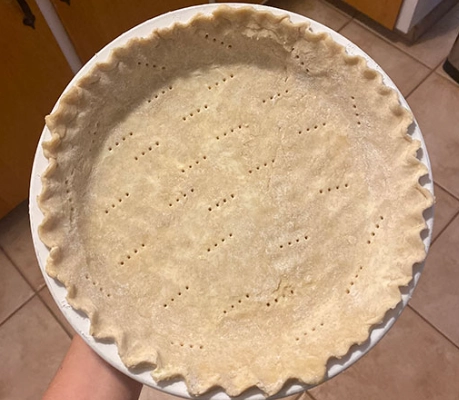
The Money Factor
On pure ingredient cost, homemade usually wins. A basic crust is flour, fat (butter, lard, shortening), salt, and water. But the price gap isn't as wide as you might think, especially if you value your time.
| Cost Component | Homemade Double Crust | Store-Bought Double Crust (2 rolls or shells) |
|---|---|---|
| Ingredient/Material Cost | ~$2.50 - $4.00 (High-quality butter and organic flour raise this.) | ~$4.00 - $6.50 (National brand like Pillsbury or frozen deep-dish shells) |
| Active Time Investment | 15-25 minutes (mixing, rolling, chilling if done right). Can be 45+ minutes for a novice. | 5 minutes (unrolling or placing in pie plate). |
| Total Time (with chilling) | 1.5 to 4+ hours (Most recipes require at least 1 hour of chilling time for the dough to relax). | 5 minutes to thaw if frozen. |
| Equipment Needed | Mixing bowl, pastry cutter/fork, rolling pin, surface space, plastic wrap. | None beyond a pie plate. |
| Cleanup Effort | Flour everywhere, sticky bowls, a rolling pin to wash. | Maybe a wrapper to throw away. |
See that "Total Time" row? That's the killer. Homemade pie crust isn't a 20-minute project. It's a 20-minute active project that demands a 1-2 hour pause in your kitchen schedule. Forgot to chill it? Your crust will shrink and be tough. This scheduling friction is the number one reason people abandon scratch crusts.
My Personal Rule: If I don't have a clear 3-hour window where I can be in and out of the kitchen, I opt for a high-quality store-bought option. Fighting the clock guarantees stress and often, a subpar crust.
When Homemade Pie Crust Is Undeniably Better
Let's talk about the wins. There are specific scenarios where homemade isn't just slightly better—it's transformative.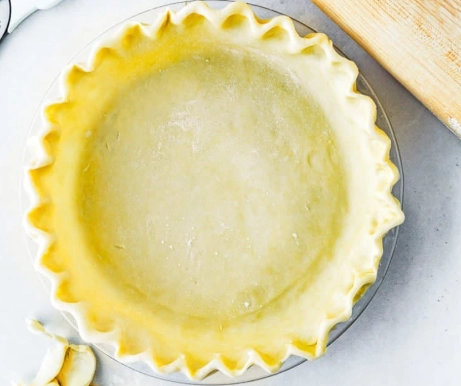
Flavor and Texture Control: You pick the fat. All-butter crusts have incredible flavor but are less flaky. A butter-shortening blend gives you both flavor and flakiness. Lard (from a good source) makes the flakiest, most tender crust imaginable, with a savory note perfect for meat pies. A pre-made crust can't compete on this nuance.
The Ingredient Black Box: Read the label on a typical refrigerated crust. You'll often find hydrogenated oils (trans fats), preservatives like DATEM, and a list of unpronounceable ingredients for shelf stability. If you care about clean eating, this alone makes homemade worthwhile.
Customization for Special Diets: Need a gluten-free, vegan, or whole wheat crust? The store-bought options are limited, expensive, and often disappointing. At home, you can tailor everything. My favorite "secret" crust uses a 50/50 blend of all-purpose and rye flour for a nutty, complex flavor that elevates a simple pumpkin pie.
The Pride and Ritual: This is intangible but real. Serving a pie you made completely from scratch, especially for a holiday or gift, creates a different kind of connection. The process itself can be meditative. The smell of flour and butter, the rhythmic rolling—it's kitchen therapy if you have the time for it.
The Strong Case for Store-Bought Crust
Now, let's defend the convenience option, because sometimes it's the smarter choice.
Consistency: Pre-made crusts are engineered to work. They roll out without cracking, don't require chilling, and bake up predictably. For a beginner terrified of a soggy bottom or tough crust, this safety net is valuable.
The Time-Crunch Savior: Weeknight dinner needs a pot pie? Company is arriving in an hour and you want a quick quiche? This is where store-bought shines. It turns pie-making from a project into a quick assembly job. The pie will still be delicious and welcomed.
Not All Are Created Equal: The frozen deep-dish shells you find in the freezer aisle are often superior to the refrigerated dough rolls. They're typically par-baked, which helps avoid a soggy bottom, and have a simpler ingredient list. Trader Joe's frozen pie crust gets high marks from many bakers, myself included, for a decent flavor and texture in a pinch.
Here's my non-consensus take: using a store-bought crust allows you to focus your energy on the filling. A fantastic homemade caramel or a perfectly spiced apple mixture in a decent store-bought shell will beat a mediocre filling in a perfect homemade crust any day.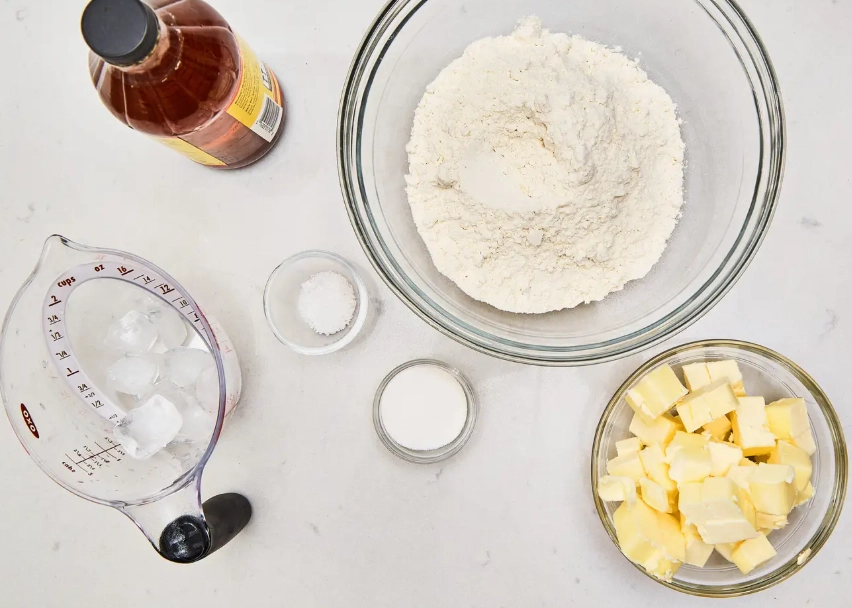
Expert Secrets for Flawless Homemade Crust (And Common Pitfalls)
If you do go homemade, here's the advice that took me years to learn, often through failure.
The Three Silent Killers of a Good Crust
Most recipes warn about over-mixing. Few mention these:
- Warm Ingredients/Warm Kitchen: Your fat must be cold. I cube my butter and stick it back in the freezer for 10 minutes before using. If your kitchen is hot, work fast or chill your bowl and flour.
- Using the Wrong Flour: Don't use bread flour (too much gluten). Cake flour is too tender. Stick with all-purpose. For a more tender crust, swap out 2-3 tablespoons of AP flour with cornstarch.
- Ignoring the Dough's Temperature: After mixing, the dough should look shaggy and feel cool. If it's greasy or warm, it's already warning you it will be tough.
The "Why Is My Crust Tough?" Checklist
If your crust is hard, you likely did one of these:
- Used hot water or melted butter.
- Kneaded the dough like bread dough (you should just press it together).
- Added too much water. Add it tablespoon by tablespoon until the dough just holds together.
- Skipped the chilling step. This is non-negotiable.
My #1 Pro Tip for Flakiness: Use a mix of fat sizes. Leave some butter pieces the size of peas, some the size of almonds. When the crust bakes, these different-sized pockets of steam create distinct, flaky layers. Uniform pea-sized pieces, as many recipes instruct, give a more uniform, less dramatic flake.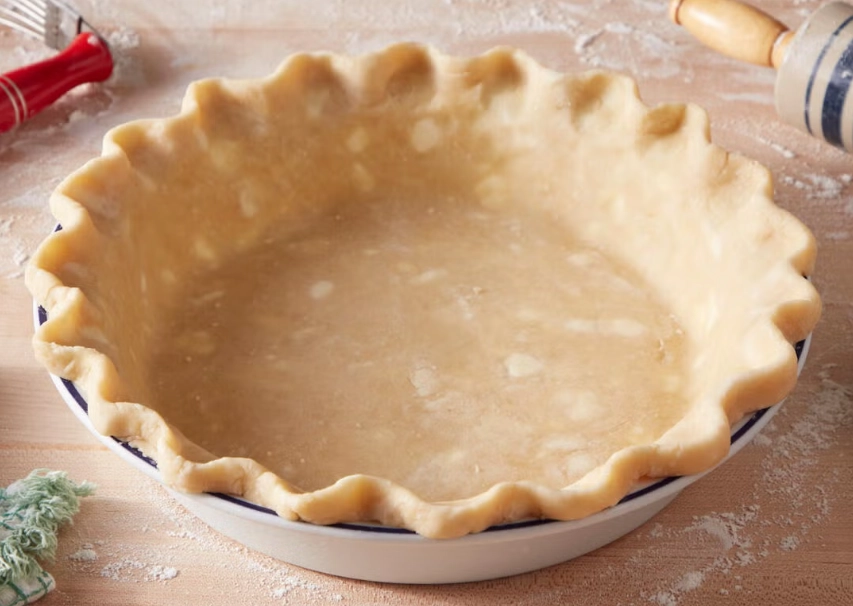
Your Quick Decision Guide: Which Crust to Choose
Still unsure? Run through this list.
Choose HOMEMADE if:
- It's a holiday or special occasion (Thanksgiving, a birthday).
- You are making a fruit pie where the crust is a main feature (like a lattice-top berry pie).
- You or your guests have specific dietary needs (gluten-free, vegan, no preservatives).
- You have a relaxed 3+ hour window and want the baking experience.
- You are using a high-quality, flavorful fat you're excited about (European-style butter, leaf lard).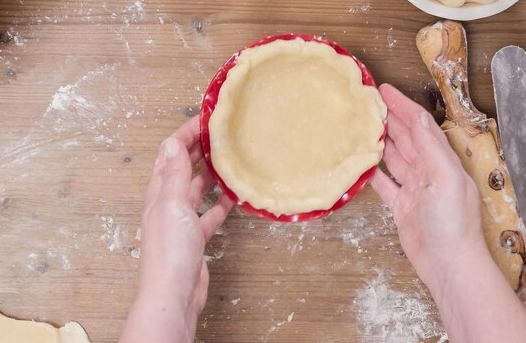
Choose STORE-BOUGHT if:
- It's a weeknight meal.
- The filling is the star (a rich chocolate cream pie, a custard pie).
- You are short on time or energy.
- You are a baking novice and want a guaranteed result.
- You're making a double-crusted pie where the bottom crust will be soaked in gravy or juicy filling (the texture difference matters less here).
Honestly, I keep both in my house. A box of frozen shells in the freezer for emergencies, and flour and butter in the pantry for when the mood strikes.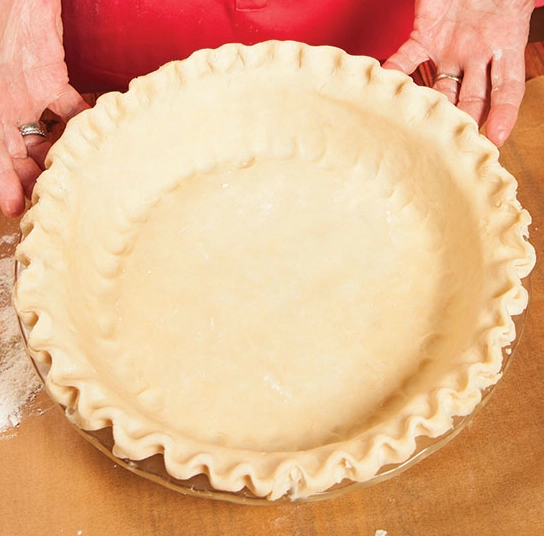
Your Pie Crust Questions, Honestly Answered
So, is it worth making pie crust from scratch? It's worth knowing how and worth choosing to when the situation is right. Don't let baking purists guilt you, and don't let convenience win every time. Armed with the real costs, benefits, and techniques, you can now make the choice that's right for your pie, your schedule, and your sanity. Happy baking.

Leave a Comment