Quick Guide to Allergy Friendly Baking
- The Absolute Foundation: Understanding Your Ingredients
- Your Allergy Friendly Baking Pantry: A Practical Shopping List
- Mastering the Swaps: A Handy Reference Guide
- Essential Tools That Actually Make a Difference
- Let's Bake Something: A Can't-Fail, Top 3 Recipe Starting Point
- Navigating Common Pitfalls & Questions (The FAQ You Actually Need)
- The Joy in the Journey
Let's be honest. The first time you tried to bake something without wheat, dairy, or eggs, it was probably a disaster. I remember my first batch of gluten-free, dairy-free cookies. They spread into one giant, sad, crumbly puddle on the tray. They tasted like sweetened cardboard. It was beyond disappointing. But that's the thing about allergy friendly baking – it's a learning curve, not a dead end. It forces you to understand why ingredients work the way they do. Once you crack the code, you open up a world of safe, delicious treats for yourself, your kids, or anyone at your table with dietary restrictions. And honestly? Some of these creations end up being even better than the original.
This isn't about deprivation. It's about creative, inclusive cooking. Whether you're dealing with celiac disease, a dairy intolerance, an egg allergy, or a combination, your baking days are far from over. They're just getting a fascinating upgrade.
Why is this guide different? I've spent years in the kitchen, through trial and a lot of error, figuring this out. We're going beyond simple substitution lists. We're digging into the why and the how, so you can adapt almost any recipe with confidence, not just follow one. That's the real goal of mastering allergy friendly baking.
The Absolute Foundation: Understanding Your Ingredients
Traditional baking relies on a few key players for structure, moisture, and rise. When you remove one, you have to replace its function, not just its flavor. This is the single most important concept. Think of it like building a house. If you take out the bricks (gluten), you need a new framework (like xanthan gum or psyllium husk).
The Big Four: Gluten, Dairy, Eggs, and Nuts
Most allergy friendly baking focuses on replacing these core ingredients. Let's break them down one by one.
Gluten is the protein in wheat, barley, and rye. It's the magical net that gives bread its chew and cakes their structure. Without it, baked goods can be crumbly and dense. The key isn't finding one "best" gluten-free flour, but learning to use blends. A good blend mimics the protein and starch balance of wheat flour. My personal go-to is a mix of brown rice flour (for structure), tapioca starch (for chew and browning), and potato starch (for moisture). Store-bought blends like Bob's Red Mill 1-to-1 are fantastic time-savers, but their compositions vary, so results can too.
Dairy (milk, butter, buttermilk, yogurt) provides fat, moisture, and flavor. Butter, in particular, contributes to that irresistible tender crumb. For milk, any unsweetened plant-based milk works—almond, oat, soy, rice. For buttermilk, add a tablespoon of lemon juice or vinegar to your plant milk and let it sit for 5 minutes. It works perfectly.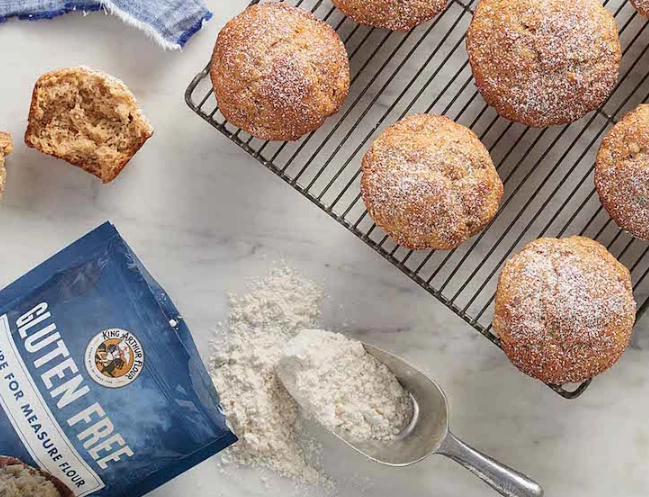
Butter is trickier.
Vegan butters have come a long way. Brands like Miyoko's Creamery or Earth Balance Buttery Sticks bake very well. For a simpler, whole-food option, refined coconut oil (it has no coconut taste) is a great 1:1 swap for melted butter or in crusts. For cookies, sometimes a blend of half coconut oil and half plant-based butter gives the best flavor and texture. Don't just use olive oil in a cake—the flavor will dominate.
Eggs are the multitaskers: they bind, leaven, and add moisture. The right substitute depends on the egg's job in your recipe. For binding in cookies or brownies, a "flax egg" (1 tbsp ground flaxseed mixed with 3 tbsp warm water, left to gel for 5 mins) is my favorite. It adds a nutty flavor that works well with chocolate or spices. For lift in cakes, carbonated water or a commercial egg replacer like Bob's Red Mill works better. For richness, a quarter cup of plain applesauce or mashed banana works, but it will add sweetness and flavor.
The best egg substitute? It doesn't exist. You need to pick the right tool for the job.
Nuts are often an easy omission, but watch out for nut flours (like almond flour) and oils. Sunflower seed butter can replace peanut butter in cookies, but be warned—it can turn baked goods green due to a reaction with baking soda! It's safe to eat, just looks odd. Using sunflower seed butter with baking powder instead solves this quirky little problem.
Your Allergy Friendly Baking Pantry: A Practical Shopping List
You don't need to buy everything at once. Start with a few essentials and build from there. Here’s what I always have on hand, categorized by function.
| Ingredient Category | Specific Items | Primary Use & Notes |
|---|---|---|
| Flours & Starches | Brown Rice Flour, Oat Flour (certified GF), Tapioca Starch, Potato Starch, Almond Flour* (if nut-free isn't needed) | Create custom blends. Oat flour adds heartiness, starches add lightness. |
| Binders & Stabilizers | Xanthan Gum, Psyllium Husk Powder, Ground Flaxseed, Chia Seeds | Replace gluten's "glue." Start with 1/4 tsp xanthan gum per cup of GF flour for cakes, 1/2 tsp for bread. |
| Liquid Fats | Refined Coconut Oil, Light Olive Oil, Avocado Oil | For muffins, quick breads, and dairy-free sautés. Refined coconut oil is flavorless. |
| Solid Fats | Vegan Butter Sticks, Coconut Butter | For pie crusts, cookies, and anywhere creaming butter and sugar is required. |
| Liquids | Unsweetened Almond Milk, Oat Milk, Canned Coconut Milk (full-fat) | Oat milk is creamier for béchamel; coconut milk is rich for curds and custards. |
| Sweeteners | Pure Maple Syrup, Coconut Sugar, White & Brown Sugar** | **Most sugar is processed vegan and gluten-free, but check for additives if highly sensitive. |
A note on sourcing: I've found that buying flours and starches from bulk bins or online retailers specializing in allergy friendly foods (like Nuts.com, which despite the name, has extensive nut-free sections) can be more economical than small grocery store bags. Always, always check labels every time you buy. Manufacturing practices change. The FDA's guidelines on food allergen labeling mandate clear disclosure of the top 9 allergens, which is a huge help.
Cross-Contamination is the Silent Saboteur. That bag of oats might be inherently gluten-free, but if it's processed in a facility that also processes wheat, it's a no-go for someone with celiac disease. Look for certifications like "Certified Gluten-Free" or statements like "Processed in a dedicated nut-free facility." This is non-negotiable for severe allergies. Organizations like FARE (Food Allergy Research & Education) have excellent resources on safe food practices.
Mastering the Swaps: A Handy Reference Guide
Okay, you have a favorite recipe. How do you actually change it? This table tackles the most common substitutions. Remember, baking is a science, so start with these ratios before experimenting.
| Original Ingredient | Allergy Friendly Substitute | Ratio & Best Used For | Watch Out For |
|---|---|---|---|
| 1 cup All-Purpose Wheat Flour | 1 cup certified gluten-free all-purpose flour blend + ¼ - ½ tsp Xanthan Gum (if blend doesn't contain it) | Cakes, cookies, muffins. Use a blend labeled "1-to-1" or "measure-for-measure." | Don't just sub rice flour alone. The texture will be gritty and dense. |
| 1 cup Buttermilk | 1 cup plant milk + 1 Tbsp lemon juice or vinegar. Let sit 5 min. | Pancakes, biscuits, cakes. Creates the needed acidity. | Use unsweetened, unflavored plant milk. |
| 1 Egg (for binding) | 1 "Flax Egg" (1 Tbsp ground flax + 3 Tbsp water) | Brownies, dense cookies, meatballs/veggie burgers. | Adds a slight nutty, whole-grain flavor. Not for fluffy cakes. |
| 1 Egg (for leavening) | ¼ cup carbonated water or plain seltzer | Pancakes, waffles, some cakes. Adds immediate airiness. | Use fresh, fizzy water. Mix gently. |
| 1 cup Butter (melted) | 1 cup refined coconut oil or neutral-flavored oil | Quick breads, muffins, crusts. | Solidifies when cold. Not ideal for frosting. |
| 1 cup Butter (creamed) | 1 cup solid, stick-form vegan butter | Cookies, cake, frosting. Essential for creaming method. | Some brands have higher water content. I find Earth Balance sticks most reliable. |
| Peanut Butter | Sunflower Seed Butter or Soy Nut Butter | Cookies, sauces, smoothies. | Sunflower seed butter + baking soda = green cookies! Use baking powder. |
See? It's a puzzle, but the pieces do fit. The best approach to allergy friendly baking is to find a few "base" recipes that are proven to work and master them first. A simple vegan chocolate chip cookie, a one-bowl banana bread, a basic muffin. Get comfortable with those textures and flavors before you try to convert your grandmother's legendary sourdough.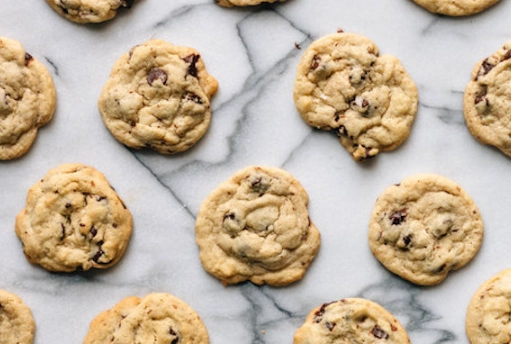
Essential Tools That Actually Make a Difference
You don't need a fancy kitchen, but a few tools are game-changers for consistency.
- Digital Kitchen Scale: This is my number one tip. Gluten-free flours have different densities. A cup of rice flour can weigh significantly more than a cup of tapioca starch. Measuring by weight (grams) ensures your flour blend ratio is perfect every time. It eliminates one major variable.
- Silpat or Parchment Paper: Allergy friendly doughs and batters are often stickier. Lining your trays is mandatory, not optional.
- Good Mixing Bowls and a Flexible Spatula: You'll be scraping bowls thoroughly. These batters are precious—don't leave any behind.
- An Oven Thermometer: Ovens lie. If yours runs hot, those delicate egg-free cupcakes can dry out in minutes. A $10 thermometer tells you the truth.
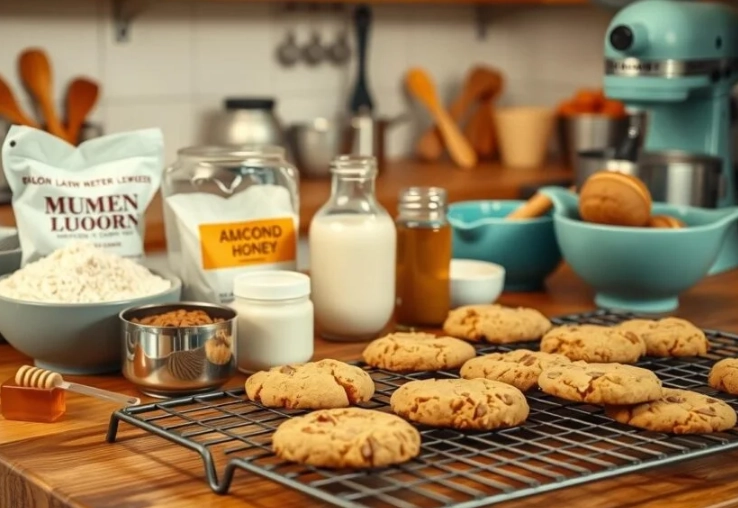
- Cooling Racks: Letting baked goods cool completely on a rack is crucial. They continue to set as they cool. Cutting into gluten-free bread while it's warm is a recipe for a gummy, collapsed loaf. The patience is hard, but necessary.
Let's Bake Something: A Can't-Fail, Top 3 Recipe Starting Point
Here are three foundational recipes that have never let me down. They're designed for allergies from the ground up.
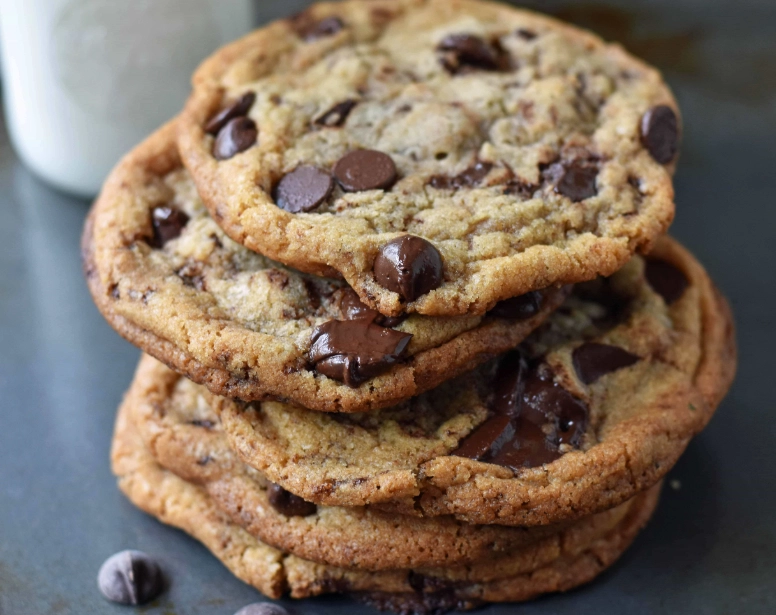
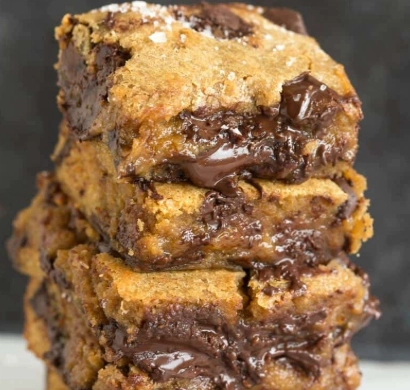
One-Bowl Dairy-Free Chocolate Chip Cookies
These are chewy, soft, and foolproof. They use melted vegan butter, so no creaming is needed. The key is chilling the dough for at least 30 minutes so they don't spread too much. Use Enjoy Life chocolate chips to keep them top-8 allergen-free.
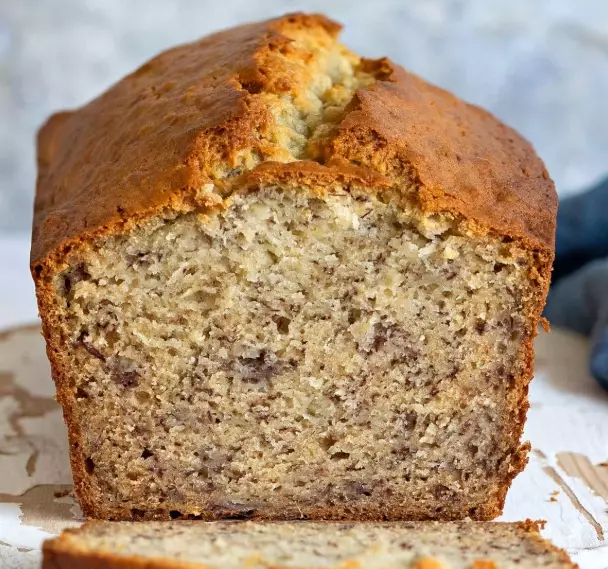
The Ultimate Gluten-Free & Vegan Banana Bread
Banana bread is forgiving. This one uses a simple GF flour blend, mashed banana as the egg replacer and sweetener, and oil for moisture. I add a handful of walnuts if nuts are okay, or dairy-free chocolate chips if not. It's moist for days.
Easy "Buttermilk" Pancakes (Gluten-Free, Dairy-Free, Egg-Free)
Breakfast victory. Use a GF flour blend, the plant-milk-buttermilk trick, and a touch of extra baking powder for lift. A tablespoon of maple syrup in the batter helps them brown beautifully. Cook them on a medium-low griddle—they need a bit more time to set through than traditional pancakes.
Pro Tip for Breads & Cakes: When baking gluten-free goods, don't rely solely on the toothpick test. The center might look wet but still be cooking. Instead, gently press the center—if it springs back, it's done. Also, let them cool in the pan for 10-15 minutes before transferring to a rack. They're more fragile when hot.
Navigating Common Pitfalls & Questions (The FAQ You Actually Need)
The Joy in the Journey
Look, some batches will fail. You'll have a brick of banana bread or cookies that turn into hockey pucks. It happens to everyone. The important thing is to figure out why. Was the baking powder old? Did you forget the binder? Was the oven too hot?
Allergy friendly baking teaches you to be a more mindful, intuitive baker. It connects you to the process in a way that just following a standard recipe doesn't. When you finally nail that fluffy, egg-free cupcake or that crisp, buttery (but dairy-free) pie crust, the triumph is real. You're not just making food. You're creating safety, comfort, and inclusion—one delicious treat at a time.
So start simple. Master one swap. Celebrate the small wins. Your kitchen is about to become a place of delicious, safe creativity. Now, go preheat that oven.

Leave a Comment