Your Baking Companion: Quick Links
Let's be honest. You've probably clicked on a beautiful picture of a chocolate cake, followed the baking recipes to the letter, and ended up with something... well, let's just say it looked more like a pancake that had a bad day. I've been there. My first loaf of bread could have been used as a doorstop. It happens to everyone.
But here's the thing – baking doesn't have to be a high-stakes science experiment. It can be this incredibly satisfying, almost therapeutic process that fills your house with smells that beat any fancy candle. This isn't about becoming a pastry chef overnight. It's about understanding the why behind the what, so you can make those classic baking recipes work for you, in your kitchen, with your oven (which, let's face it, probably runs a bit hot or cold).
We're going to ditch the intimidation and talk real talk about flour, butter, and why your cookies sometimes spread into one giant cookie-sheet blob.
Think of this as your friendly, slightly flour-dusted neighbor handing you a notebook of all the best tips, tricks, and failsafe recipes. No jargon, just results.
Baking 101: The Stuff They Don't Always Tell You
Before we dive into the actual baking recipes, we need to lay the groundwork. Skipping this is like trying to build a house without a foundation – it might look okay for a bit, but it's going to collapse.
Your Kitchen Toolbox (The Essentials, Not the Fancy Gadgets)
You don't need a kitchen supply store. Really. Start with these:
- A good digital scale. I know, I know. Cups are easier. But flour compacts. A cup of flour can weigh wildly different amounts depending on how you scoop it. Baking is chemistry, and chemistry needs precision. A $20 scale changed my baking game more than any other tool. Weigh your ingredients (especially flour) in grams. Trust me on this.
- Two mixing bowls. One for dry, one for wet. It matters.
- A flexible silicone spatula. For scraping every last bit of batter. No waste!
- A set of measuring spoons and cups (for when you absolutely must use volume).
- An oven thermometer. Your oven lies. Mine said 350°F but was actually 375°F. No wonder my cookies burned on the bottom! This $7 gadget solves the mystery.
- Parchment paper. Not wax paper. Parchment. Your cleanup crew.
See? Not a single "as seen on TV" unitasker in the bunch.
Ingredient Lowdown: Why Quality (and Temperature) Counts
You can't make a silk purse from a sow's ear, as they say. The same goes for baked goods.
Butter: Most classic baking recipes call for unsalted butter. This lets you control the salt level. And temperature is KING. "Room temperature" butter should be cool to the touch but leave a slight indentation when you press it. Too warm and your cookies will spread; too cold and your cake will be dense. If a recipe says "cold butter," it means straight-from-the-fridge cold, usually for flaky pastries or pie crusts.
Flour: All-purpose flour is your workhorse. But know that protein content varies by brand. King Arthur Flour, for example, has a higher protein content (~11.7%) than some generic brands (~10%). More protein generally means more gluten, which means more structure (good for bread, potentially tough for cakes). For most beginner baking recipes, just pick a reliable national brand and stick with it for consistency. If you want to geek out, the U.S. Wheat Associates site has deep dives on wheat types.
Leaveners: Baking powder vs. baking soda. They are NOT interchangeable. Baking soda needs an acid (like buttermilk, yogurt, brown sugar, cocoa) to activate. Baking powder has its own acid built in. Check the expiration date! An old canister is a recipe for flat cakes.
Eggs: Size matters. Large eggs are the standard in U.S. baking recipes. If you use extra-large, you're adding more liquid and fat, which can throw off the balance.
My biggest early fail? I once substituted oil for melted butter in a muffin recipe because I was out of butter. The texture was greasy and weird. Lesson learned: fats behave differently. Stick to the script until you understand the rules, then you can break them.
Can't-Go-Wrong Classic Baking Recipes to Master First
Forget the fancy, five-tiered creations. Let's start with the pillars. Mastering these gives you the skills and confidence for 90% of other things.
The Ultimate Chocolate Chip Cookie
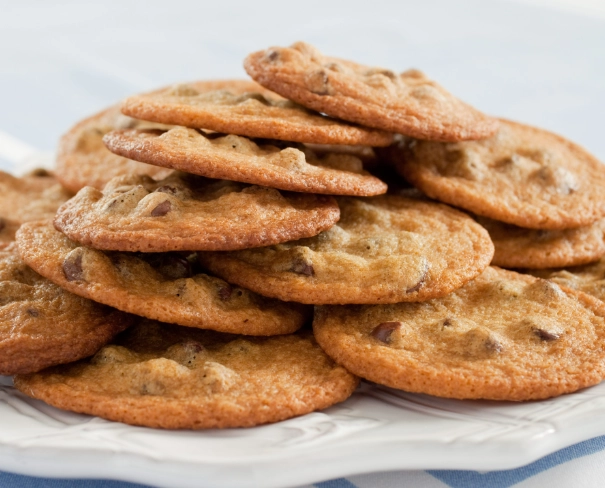
This is the holy grail, right? Everyone has an opinion. Crispy edges, chewy center, lots of chocolate. The secret often isn't in the ingredients list, but in the technique.
- Brown your butter. Just melt it in a pan until it turns golden brown and smells nutty. Let it cool slightly before using. This adds a deep, toffee-like flavor that is unreal.
- Use a mix of chocolate. Don't just use chips. Chop up a good chocolate bar for varied pockets of meltiness.
- Chill the dough. I know, the wait is torture. But chilling the dough for at least 24 hours (yes, 24!) allows the flour to fully hydrate and the flavors to meld. It prevents overspreading and gives you a thicker, more flavorful cookie. This tip alone will elevate your baking recipes from good to "please give me the recipe."
Bake them until the edges are set and golden but the centers still look slightly underdone. They'll set up as they cool.
A Simple, Buttery Pound Cake
If you can make a good pound cake, you understand creaming (beating butter and sugar together until light and fluffy). This is a fundamental technique for countless cakes and cookies.
The key here is patience during the creaming stage. Beat the room-temperature butter and sugar for a full 5-7 minutes with an electric mixer. It should become noticeably paler and fluffy. This incorporates air, which is part of your leavening. Then add your eggs one at a time, fully incorporating each. Scrape down the bowl often. Finally, alternate adding your dry ingredients and any liquid (like milk), starting and ending with the dry. This prevents the batter from curdling and ensures even mixing.
No-Knead Crusty Bread
Bread baking scares people. Active yeast! Kneading! It's a whole thing. Enter the no-knead method. This is one of the most forgiving baking recipes ever. It requires more time than effort.
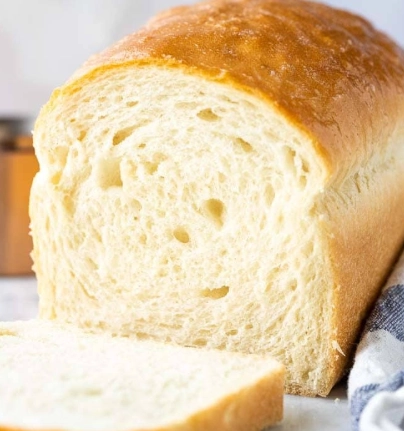
You mix flour, water, salt, and a tiny bit of yeast in a bowl. It will look like a shaggy, wet mess. You cover it and walk away for 12-18 hours. The long, slow fermentation does all the work, developing incredible flavor and gluten structure. Then you shape it loosely, let it rise again, and bake it in a preheated Dutch oven. The steam trapped inside creates a professional-level, crackly crust. Seriously, it's magic. For a deep dive on the science, King Arthur Baking's guide is my go-to resource.
It teaches you about dough texture and fermentation without the stress of traditional kneading. Once you nail this, sourdough feels less like a distant dream.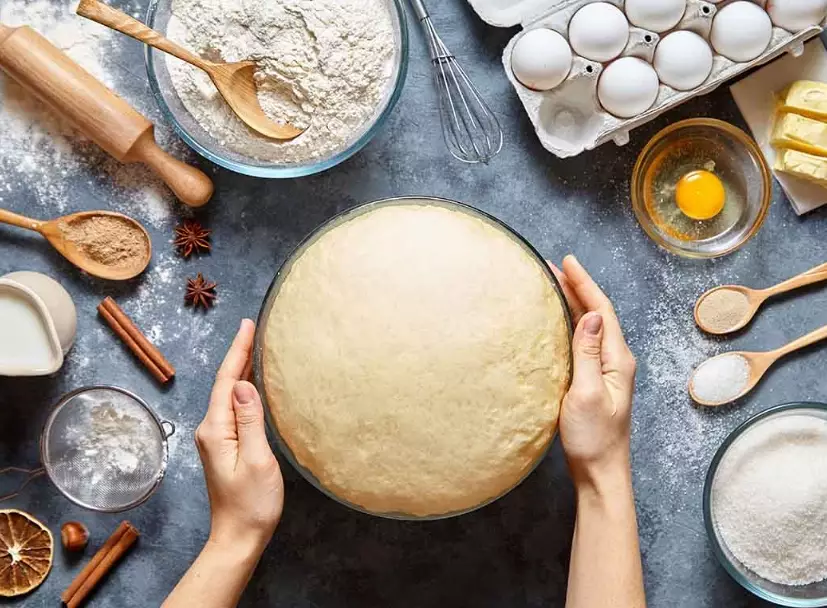
Solving Your Top Baking Mysteries (The FAQ Section)
These are the questions I get asked all the time, or that I desperately searched for when I started.
| If You're Out Of... | You Can Try... | Notes & Cautions |
|---|---|---|
| Buttermilk | 1 cup milk + 1 Tbsp lemon juice or vinegar. Let sit 5 mins. | Works great for the acid reaction in pancakes, cakes. |
| Cake Flour | For 1 cup, take 1 cup AP flour, remove 2 Tbsp, and add 2 Tbsp cornstarch. Sift. | This mimics the lower protein content for tender cakes. |
| Brown Sugar | 1 cup white sugar + 1-2 Tbsp molasses. Mix well. | You control how light or dark your "brown" sugar is. |
| Egg (as binder) | 1 Tbsp ground flaxseed + 3 Tbsp water (per egg). Let gel. | Works in dense items like brownies, not great for airy cakes. |
See? It's not magic, it's just knowing the levers to pull.
Leveling Up: From Beginner Baker to Confident Creator
Once you've got the classics down, you start to see patterns. You can tweak. This is where it gets really fun.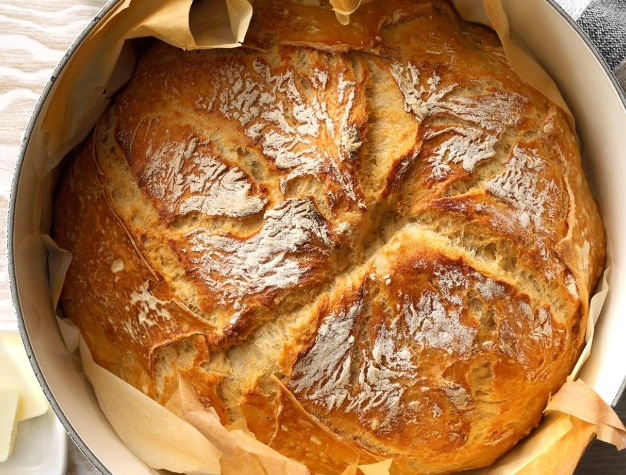
Understanding Flavor Pairings
Don't just follow baking recipes – start adapting them. Lemon and poppy seed. Chocolate and orange. Apple and cinnamon (obviously). Salt and caramel. Think about adding a pinch of espresso powder to chocolate recipes to deepen the flavor, or a sprinkle of flaky sea salt on top of caramel brownies. Herbs can be amazing in sweets – think rosemary shortbread or basil-infused strawberry sorbet.
The Sourdough Frontier
If no-knead bread was your gateway drug, sourdough is the next adventure. It's a commitment – you're keeping a living starter (flour and water) alive. It can be finicky. I've killed a starter or two by forgetting it in the back of the fridge. But the flavor? There's no comparison to commercial yeast bread.
It teaches you to bake by feel and observation, not just by the clock. Is the dough bubbly and doubled? Does it pass the "windowpane test"? The community is huge and supportive. The Perfect Loaf is an incredible resource with meticulous guides. It's not just a recipe, it's a process. And the satisfaction of slicing into a loaf you nurtured from a jar of goo is unbeatable.
My personal sourdough journey involved a lot of dense, gummy loaves before I got the hang of proper fermentation. It was frustrating, but each slightly-better loaf felt like a victory. Don't get discouraged if your first few aren't Instagram-worthy. Taste is what matters.
Seasonal and Special Diet Baking
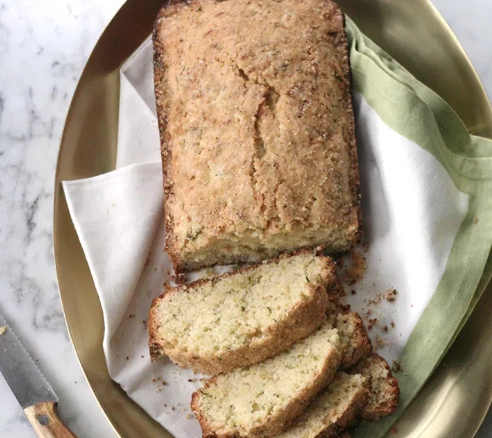
The best baking recipes often come from constraints. Got a glut of summer zucchini? Zucchini bread and chocolate zucchini cake are lifesavers. Need gluten-free or dairy-free options? It's a whole new world of ingredient science. I find that gluten-free blends from brands like Bob's Red Mill or King Arthur are the most reliable starting points, rather than trying to mix your own starches and flours from scratch. For dairy-free, plant-based butters have come a long way, but always check if they are suitable for baking (some have higher water content).
Wrapping It Up (Without Actually Saying "In Conclusion")
So there you have it. A roadmap that starts with weighing your flour and ends with you confidently tweaking a recipe because you know what each ingredient is doing there.
Baking is a skill, not a talent. You learn by doing, and yes, by failing sometimes. That hockey-puck biscuit? A lesson in not overworking dough. That soupy cake batter? A reminder to check your baking powder's date.
Start with one simple recipe. Master it. Understand it. Then move to the next. Your collection of go-to baking recipes will grow, and so will your confidence. Before you know it, you'll be the one people ask for the recipe.
Now go preheat your oven (with that thermometer inside!). Pick a recipe. And get baking.
The only real mistake is not trying.

Leave a Comment