Quick Guide
Let's be honest. We've all been there. You search for a double chocolate chip cookie recipe, pick one that looks good, and end up with something that's either cakey, dry, flat as a pancake, or just... meh. Not fudgy. Not chewy. Not that deep, rich chocolate experience you were dreaming of.
I burned through a lot of butter and chocolate on this. More than I'd like to admit. Some batches spread too much. Others tasted more like brownie bites than cookies. It was frustrating.
But after all that testing, tweaking, and a few genuine baking disasters, I finally nailed it. This isn't just a recipe. It's the one I make every single time now. It's the double chocolate chip cookie recipe that gives you a crisp edge, a chewy, almost brownie-like center, and pockets of molten chocolate in every bite. And the best part? It's surprisingly straightforward.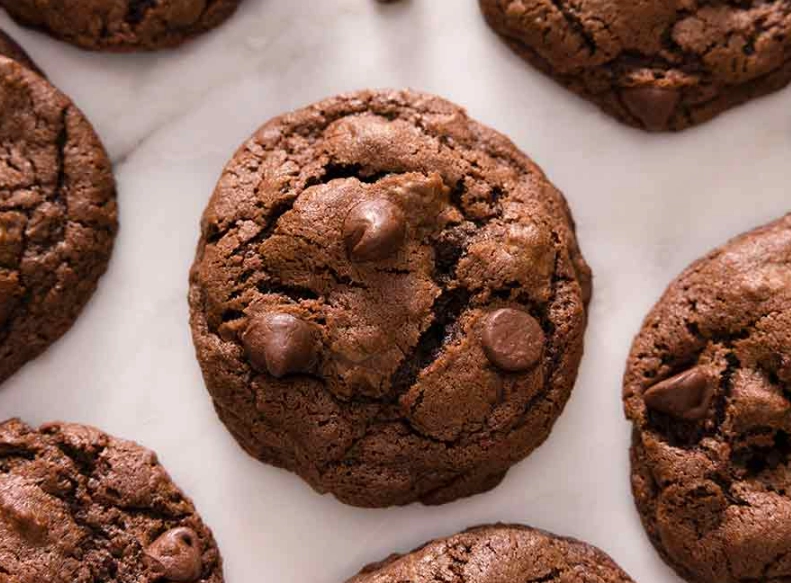
What makes this guide different? We're not just listing ingredients. We're diving into the why. Why this type of cocoa? Why chill the dough? Why that specific sugar ratio? Understanding the science is what turns a good baker into a great one, and it's what guarantees your cookies turn out perfect, every single time.
The Core Philosophy: Building Flavor and Texture
Most recipes just tell you what to do. I want to tell you what you're building. A great double chocolate chip cookie is an engineering feat of flavor and texture. You need depth from the cocoa, richness from the chocolate chunks, sweetness that's balanced, not overwhelming, and a texture that holds together without being tough.
Too much flour? Cakey. Wrong cocoa? Bitter or bland. Wrong butter temperature? A puddle. We'll tackle all of it.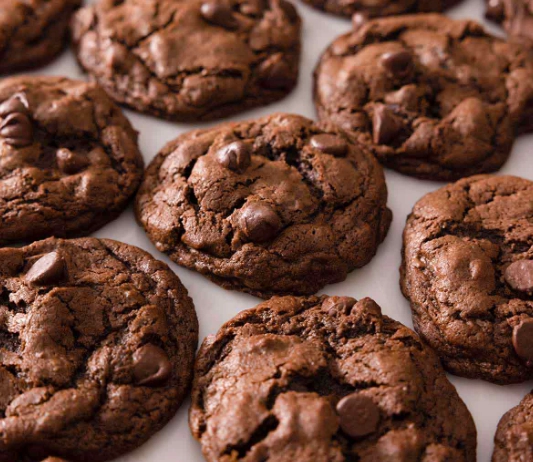
Ingredient Deep Dive: Why Each One Matters
This is where the magic starts. Substituting willy-nilly is the fastest path to cookie disappointment. Let's break down your shopping list.
The Non-Negotiables
Flour: All-purpose is your friend. I've tried bread flour (more gluten, chewier but denser) and cake flour (softer, but too delicate). All-purpose is the Goldilocks zone. For consistent measuring, I strongly recommend using a kitchen scale. The King Arthur Baking Ingredient Weight Chart is my bible for this. If you must use cups, fluff your flour, spoon it in, and level it off. Don't scoop!
Butter: Unsalted. Always. You control the salt. It needs to be at cool room temperature. What does that mean? You should be able to press your finger into it and leave an indent, but it shouldn't be shiny, greasy, or melted at all. Melted butter will cause excessive spread. Cold butter won't cream properly. This one detail trips up more people than anything else.
Sugars: The dynamic duo. Granulated white sugar promotes spread and crispness. Light brown sugar (pack it firmly into the cup!) adds moisture, chew, and that lovely caramel/molasses note. Using only white sugar makes a crisp, flat cookie. Only brown sugar makes a soft, puffy one. The blend is key for our ideal texture.
Eggs: One large egg plus one extra yolk. The extra yolk adds fat and richness, making the center more tender and fudgy. The white provides structure. Use them at room temperature to blend seamlessly into the creamed butter and sugar.
Chocolate & Cocoa: The Heart of the Matter
This is the make-or-break for your double chocolate chip cookie recipe. You are using chocolate in two forms, and both need to be good.
Cocoa Powder: Not all cocoas are created equal. You have two main types:
- Natural Unsweetened Cocoa: Acidic, fruity, classic "chocolate" flavor. It reacts with baking soda for lift.
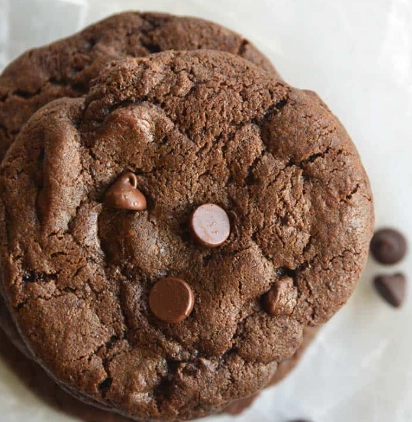
- Dutch-Process Cocoa: Treated with an alkali to neutralize acidity. It's darker, richer, smoother, and less bitter. It doesn't react with baking soda alone.
For this recipe, I'm a Dutch-process evangelist. The flavor is deeper, more sophisticated, and it gives that iconic dark color. Brands like Droste or Cacao Barry Extra Brute are fantastic. If you only have natural cocoa, you can use it, but the flavor profile will be brighter and more tart.
Chocolate for Chips/Chunks: Please, for the love of all that is good, don't use waxy chocolate chips from the baking aisle. They're designed not to melt. We want melting. Buy a good-quality bar of semi-sweet or bittersweet chocolate (between 60-70% cacao works great) and chop it roughly with a knife. You'll get irregular shards and chunks that create glorious pools of chocolate. The difference is night and day. I like Ghirardelli or Lindt bars for a balance of quality and accessibility.
See? Already we're thinking differently.
The Supporting Cast: Leaveners, Salt, Vanilla
Baking Soda: Our main leavener. It needs an acid to activate. Since we're likely using Dutch-process cocoa (less acidic), we ensure reactivity by using brown sugar (slightly acidic from molasses). Don't substitute baking powder here; it works differently and can leave a metallic taste.
Salt: Coarse kosher salt (like Diamond Crystal) or fine sea salt. Salt is a flavor enhancer, not just a seasoning. It makes the chocolate taste more chocolatey. If you only have fine table salt, use a tiny bit less.
Vanilla Extract: Pure, not imitation. It rounds out the flavors. A splash doesn't make things taste like vanilla; it makes the chocolate sing.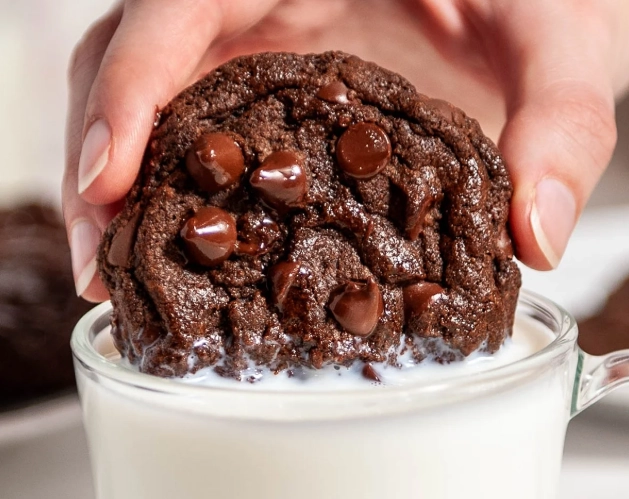
The Master Double Chocolate Chip Cookie Recipe
Yield: About 16-18 substantial cookies
Prep: 20 minutes
Chill: At least 2 hours (or up to 72!)
Bake: 12-14 minutes per batch
Ingredients:
- 1 ¼ cups (160g) all-purpose flour
- ¾ cup (75g) Dutch-process cocoa powder (sifted if lumpy)
- 1 teaspoon baking soda
- ¾ teaspoon coarse kosher salt
- 1 cup (2 sticks / 225g) unsalted butter, cool room temperature
- ¾ cup (150g) granulated sugar
- ¾ cup (165g) packed light brown sugar
- 1 large egg + 1 large egg yolk, room temperature
- 2 teaspoons pure vanilla extract
- 8 ounces (225g) semi-sweet or bittersweet chocolate, chopped into chunks
- Flaky sea salt for sprinkling (optional, but highly recommended)
Step-by-Step: The Method Behind the Magic
1. Whisk the Dry: In a medium bowl, whisk together the flour, sifted cocoa powder, baking soda, and salt. Whisk it really well. This is your chance to evenly distribute the leavener and salt so you don't get bitter bites. Set it aside.
2. Cream Butter & Sugars: In a large bowl, use a hand mixer or stand mixer with the paddle attachment to beat the butter and both sugars together. Start on low to avoid a sugar cloud, then increase to medium-high. Beat for a full 2-3 minutes. You're not just mixing; you're incorporating air and dissolving the sugar into the butter. It should become noticeably lighter in color and fluffy.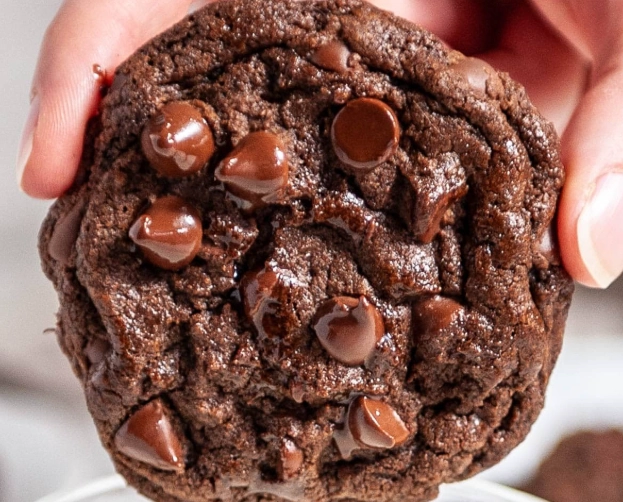
3. Add Eggs & Vanilla: Scrape down the bowl. Add the whole egg and beat on medium until fully combined. Scrape again. Add the egg yolk and vanilla, and beat until smooth.
4. Combine Wet & Dry: With the mixer on low, gradually add the dry ingredients. Mix just until the last bits of flour disappear. A few streaks are okay—you'll finish it by hand. Overmixing at this stage develops gluten and leads to tough cookies.
5. The Chocolate Fold: Dump in your gorgeous chopped chocolate chunks. Use a sturdy spatula to fold them in by hand until evenly distributed. The dough will be thick and glorious.
6. The Crucial Chill: Cover the bowl with plastic wrap or transfer the dough to an airtight container. Refrigerate for at least 2 hours, ideally overnight. I know, I know. It's hard. But this is non-negotiable. Chilling solidifies the butter, so the cookies don't spread into a thin puddle in the oven. It also allows the flour to fully hydrate and the flavors to deepen. The dough will taste better tomorrow. Trust me.
7. Bake: When ready to bake, preheat your oven to 350°F (175°C). Line baking sheets with parchment paper (silpats are great too). Scoop the dough using a #40 cookie scoop (about 2 tablespoons) or weigh 50g portions. Roll into balls and place them at least 3 inches apart on the sheet—they will spread. If you want, press a couple of extra chocolate chunks on top for bakery-style looks.
Bake for 12-14 minutes. The cookies will look puffed and soft in the middle. They will look underdone. This is correct. The edges should be set. They will continue to cook and set on the hot baking sheet.
8. The Finishing Touch: As soon as you pull them out, if you're using it, gently sprinkle a tiny pinch of flaky sea salt (like Maldon) over each cookie. It's transformative.
9. Cool: Let the cookies cool on the baking sheet for 10 minutes. They need this time to firm up enough to move. Then, transfer them to a wire rack to cool completely... or just eat one warm, because you've earned it.
That's it. The core double chocolate chip cookie recipe that works.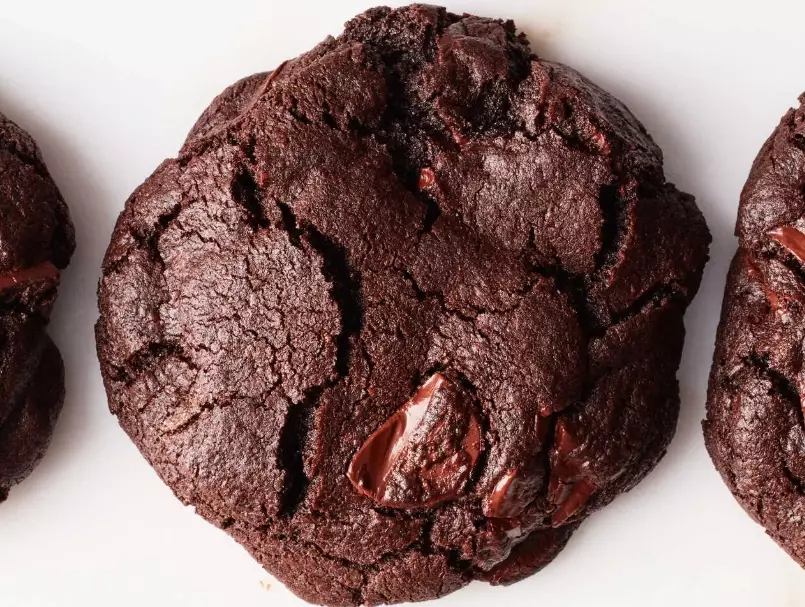
Advanced Techniques & Customizations
Once you've mastered the base, the world is your oyster. Or your cookie jar.
Texture Tweaks: Chewy vs. Cakey vs. Crisp
Want to adjust the final outcome? Small changes have big effects.
| Desired Texture | How to Achieve It | Science Behind It |
|---|---|---|
| Chewier, Denser | Use 1 whole egg (no extra yolk). Replace 2 tbsp granulated sugar with 2 tbsp more brown sugar. Under-bake by 1 minute. | More moisture from the egg white and molasses, less fat from missing yolk. |
| More Cakey, Puffier | Use 2 whole eggs. Add 2 extra tbsp of flour. Bake at 375°F (190°C). | More protein/structure from extra egg white and flour sets the shape faster. |
| Crispier Edges, Thinner | Use melted (and cooled) butter. Use all granulated sugar. Reduce flour by 2 tbsp. Don't chill dough. | Melted butter spreads immediately. No brown sugar reduces chew. |
| Ultra Fudgy, Brownie-like | Add 1-2 oz of finely chopped chocolate to the warm butter to melt before creaming. Use an extra yolk (as in main recipe). | Melted chocolate in the batter adds fat and sets firmly when cool. |
Flavor Variations
- Sea Salt & Caramel: Press a small Rolo candy or a few caramel bits into the dough ball before baking.
- Mint Chocolate: Add ½ teaspoon of peppermint extract with the vanilla. Use dark chocolate chunks.
- Orange Zest: Add the finely grated zest of one large orange to the butter during creaming. Bright and amazing.
- Espresso: Dissolve 1-2 teaspoons of instant espresso powder in the vanilla extract before adding. It won't taste like coffee, just deeper chocolate.
- Peanut Butter Swirl: After scooping, gently press a small dollop (½ tsp) of peanut butter into the top of each dough ball and swirl lightly with a knife.
Troubleshooting: Fixing Common Cookie Catastrophes
Even with a great recipe, things can go sideways. Here’s how to diagnose and fix.
Problem: My cookies spread into one giant, flat mess.
Causes & Fixes: Butter was too warm/melted. Dough wasn't chilled. Baking sheet was warm when you put dough on it. Too much sugar or not enough flour (measuring error). Oven temperature too low. Next time: Ensure butter is just cool room temp. Chill dough thoroughly. Always use cool, lined pans. Check oven temp with a thermometer.
Problem: My cookies are dry and cakey.
You likely over-measured the flour (scooping from the bag packs it in) or over-mixed the dough after adding the flour. Baking them too long can also do it. Weigh your flour. Mix just until combined.
Problem: They taste bitter.
Could be your cocoa (some natural cocoas are very acidic/bitter). Could be over-baking—burnt cocoa is bitter. Could be your baking soda wasn't fresh or wasn't evenly distributed. Whisk your dry ingredients thoroughly and check your cocoa type.
Problem: They're too soft/fall apart.
Under-baking is the usual suspect. They need that 10-minute cool on the sheet to set. Also, ensure you're using a large enough egg (if eggs are small, structure suffers).
Storing, Freezing, and Gifting
These cookies keep beautifully in an airtight container at room temperature for up to 5 days. A piece of bread in the container can help keep them soft (the cookies steal moisture from the bread).
To freeze dough: Scoop balls onto a parchment-lined sheet, freeze solid, then transfer to a freezer bag. Bake from frozen, adding 1-2 minutes to the bake time. Having frozen cookie dough balls on hand is a life pro-tip.
To freeze baked cookies: Let them cool completely, then layer with parchment in an airtight container. Thaw at room temperature.
Frequently Asked Questions (The Stuff You Actually Search)
Final Thought: Baking is part science, part art. This double chocolate chip cookie recipe is your reliable blueprint. Once you're comfortable with it, start playing. Add a little more salt. Try a different chocolate percentage. Brown your butter for a nutty twist (let it re-solidify to cool room temp before using!). Make it yours. The best cookie is the one that makes you smile when you eat it.
Now go preheat your oven. Your perfect batch of double chocolate chip cookies is waiting.

Leave a Comment