Quick Guide to Baking Success
- The Foundation: It All Starts Before You Turn On the Oven
- The Tools That Actually Matter (Forget the Unitaskers)
- Core Techniques: Where the Magic Happens
- Baking and Finishing: The Home Stretch
- Solving the Most Common Baking Disasters
- Leveling Up: Advanced Baking Tips from Professional Bakers
- Your Baking Questions, Answered by Pros
- Putting It All Together: A Pro's Mindset
You know that feeling. You follow a recipe to the letter, but your cake is dense, your cookies spread into one giant blob, and your bread could double as a doorstop. I've been there. I spent years wondering what magic professional bakers had that I didn't. Turns out, it's not magic. It's a bunch of small, non-negotiable habits and pieces of knowledge that completely transform results.
After talking to and learning from several career bakers (and burning my fair share of batches), I've compiled the core principles they all swear by. These aren't just random baking tips from professional bakers; they're the foundational rules that separate home runs from kitchen disasters.
The Foundation: It All Starts Before You Turn On the Oven
Most baking failures happen before the mixing even begins. Pros are meticulous about setup. This is the single biggest difference in approach.
Ingredient Temperature is Not a Suggestion
This one drove me crazy until I understood the science. Recipes scream "room temperature eggs and butter!" for a reason. Cold butter doesn't cream properly with sugar, which means less air gets trapped, leading to flat, dense cakes. Cold eggs can cause your beautifully creamed butter and sugar to "break" and look curdled.
And flour? Please, for the love of all things good, don't scoop directly from the bag with your measuring cup. You'll pack in way too much. The King Arthur Baking Company's weight chart is my bible. A cup of flour can vary by 20 grams or more depending on how you scoop it. That's enough to ruin a recipe. Which brings me to my next point.
Weigh Your Ingredients. Seriously.
I resisted this for so long. Cups seemed fine. Then I bought a $20 digital scale. My baking consistency improved overnight. A professional kitchen runs on grams and ounces because it's precise. Flour, sugar, even liquids are more accurate by weight. This is perhaps the most critical of all baking tips from professional bakers for achieving reliable results. It eliminates so much guesswork.
Know Your Flour's Personality
All-purpose flour is not created equal. The protein content (which becomes gluten) varies by brand. Brands like King Arthur have a higher protein content (~11.7%) than some generic store brands (~10%). More protein means more structure, which is great for bread, but can make a pastry tough.
| Flour Type | Best Used For | Protein Content | Pro Tip |
|---|---|---|---|
| Cake Flour | Delicate cakes, tender pastries | Low (8-9%) | Creates a fine, soft crumb. Don't substitute 1:1 for AP flour. |
| All-Purpose Flour | Cookies, muffins, quick breads, some cakes | Medium (10-12%) | Check your brand's spec sheet online for exact protein. |
| Bread Flour | Yeast breads, bagels, pizza dough | High (12-14%) | Necessary for strong gluten networks and chewy texture. |
| 00 Flour | Neapolitan pizza, fresh pasta | Varies, often medium-high | Finely milled for smooth, elastic doughs. |
I learned this the hard way making pizza. My dough was always too weak. Switched to a proper bread flour and boom—perfect stretch.
The Tools That Actually Matter (Forget the Unitaskers)
You don't need a kitchen full of gadgets. You need a few quality tools. A pro's toolkit is surprisingly simple.
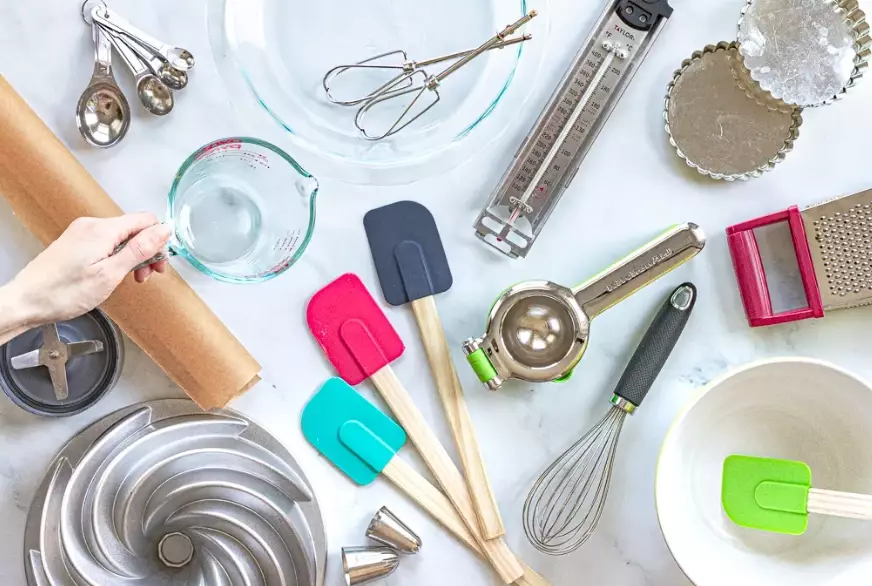
A good digital scale, as mentioned. A set of metal bowls in various sizes. A bench scraper—this is the most underrated tool. It cleans your counter in seconds, divides dough neatly, and even helps lift and fold delicate pastry. A flexible silicone spatula that gets every bit of batter out of the bowl. And an oven thermometer.
A stand mixer is nice, but not essential for everything. Hand mixers work fine for cakes. For bread, your hands are often the best tool to feel the dough's development.
Core Techniques: Where the Magic Happens
This is the heart of professional skill. It's not about fancy recipes; it's about mastering a few fundamental actions.
The Art of Mixing (It's Not All High Speed)
Overmixing is the enemy of tenderness. Once you add flour to wet ingredients, gluten starts to develop. Mix just until the last streak of flour disappears. For muffins and quick breads, a few lumps are perfectly fine—they'll bake out. I used to beat batter into submission, thinking I was being thorough. I was just building gluten tunnels, resulting in tough, peaked muffins.
For creaming butter and sugar, though, go to town. A pro baker once told me, "Cream it until it's almost white and fluffy. Longer than you think." This incorporates air, which is your leavening agent in many cakes.
Understanding Gluten: Friend and Foe
Gluten gives bread its chew and structure. You want to develop it fully through kneading or folding. For pie crusts and biscuits, you want minimal gluten development, which is why you use a light touch and keep things cold. Rubbing cold butter into flour creates little pockets. When they melt in the oven, they create steam and flaky layers. If your butter warms up and fully incorporates, you lose that. I make my pie dough in the summer with a bowl of ice water next to me to cool my hands.
The Silent Ingredient: Resting Time
This might be the most overlooked of all baking tips from professional bakers. Doughs and batters often need to rest.
- Cookie dough: Chilling for at least 24 hours (yes, 24!) allows the flour to fully hydrate and the flavors to meld. It reduces spreading and deepens the taste. Try it with chocolate chip cookies—the difference is shocking.
- Pie dough: Must rest in the fridge for an hour after mixing to relax the gluten and re-solidify the fat. Otherwise, it shrinks dramatically in the oven.
- Batters: Letting cake batter sit for 20 minutes after mixing allows the leavening agents to start working and bubbles to stabilize, leading to a more even rise.
Patience is a legitimate baking ingredient.
Baking and Finishing: The Home Stretch
Oven Positioning and the Power of Rotation
Not all oven racks are equal. The middle rack is usually the sweet spot for even heat. Bottom rack? The bottom of your item will cook faster. Top rack? The top browns quicker. For things like cookies on two sheets, rotate the sheets top-to-bottom and front-to-back halfway through baking. It ensures even browning.
And don't crowd the oven. Air needs to circulate. If you put too many trays in, you're just creating a steam bath that will make everything soggy.
The Doneness Tests You Can Trust
The timer is a guide, not a command. Ovens vary. Learn the visual and tactile cues.
- Cakes & Quick Breads: A toothpick or skewer inserted into the center should come out with a few moist crumbs clinging to it, not wet batter. The edges should also pull slightly away from the pan.
- Breads: The most reliable test is internal temperature. For most yeast breads, you want 190–210°F. An instant-read thermometer is your best friend here. Also, the bottom should sound hollow when tapped.
- Cookies: They often look underdone in the center when you pull them out. They continue to cook ("carryover cooking") on the hot sheet. Let them cool on the sheet for 5-10 minutes to set before moving them.
Solving the Most Common Baking Disasters
Let's troubleshoot. Here’s what the pros say about fixing (or better yet, preventing) classic fails.
Dense, Gummy Cake: Overmixing after adding flour. Underbaking. Old baking powder/soda. Check your leaveners by dropping a bit in vinegar (it should fizz violently).
Cookies That Spread Too Much: Dough too warm. Butter was too soft or melted. Not enough flour (did you scoop it?). Try chilling the dough balls solid before baking.
Bread That Didn't Rise: Yeast might be dead (proof it in warm water with a pinch of sugar—it should foam). Water too hot (should be warm to the touch, about 105–110°F, not hot). Or, the dough was over-kneaded and the gluten strands tore.
Soggy Bottom Pie Crust: Bake on a preheated baking sheet or pizza stone. Use a glass or dull metal pie dish, not a shiny one, as it conducts heat better. Blind bake (pre-bake) the crust for wet fillings.
Leveling Up: Advanced Baking Tips from Professional Bakers
Once you've got the basics down, these finer points make things restaurant-quality.
Bloom Your Cocoa and Spices: For chocolate cakes or spice cookies, mix the cocoa powder or ground spices with the recipe's hot water, coffee, or melted butter first. It "blooms" the flavor, making it deeper and more complex. It's a night-and-day difference.
Brown Your Butter: For cookies, cakes, and frostings. Melt butter in a saucepan and cook it until the milk solids turn golden brown and smell nutty. Let it cool and re-solidify before using. It adds an incredible, irreplaceable depth of flavor.
Make Your Own Buttermilk: Don't have buttermilk? Add 1 tablespoon of white vinegar or lemon juice to 1 cup of milk. Let it sit for 10 minutes. It curdles slightly and provides the same acidity that reacts with baking soda for a good rise.
The Final Touch - Salt: A tiny pinch of flaky sea salt on top of chocolate chip cookies or brownies right when they come out of the oven. It doesn't make them salty; it makes the sweet flavors pop. Trust me.
Your Baking Questions, Answered by Pros
Putting It All Together: A Pro's Mindset
The ultimate takeaway from all these baking tips from professional bakers isn't a specific trick. It's an approach. It's about respecting the process, understanding the "why" behind the instructions, and being meticulous with the fundamentals. They treat baking as a science that requires precision, and an art that requires feel.
Start with one thing. Maybe this week, you'll weigh your flour. Next week, you'll focus on not overmixing your muffin batter. The week after, you'll finally buy that oven thermometer.
Small steps. Consistent practice. That's how the pros got there, and it's how you will too. Your kitchen disasters will become fewer and farther between, replaced by the incredible satisfaction of pulling something perfect out of your own oven. Honestly, that feeling never gets old.
Now go preheat your oven (and check the temperature with a thermometer!).



Leave a Comment