Let's be honest. The idea of making donuts at home can feel intimidating. Visions of complicated yeast doughs, messy deep fryers, and special equipment like donut cutters pop into your head. I get it. I used to think the same way until a rainy Saturday morning with a serious craving forced me to experiment. What I discovered changed my baking game completely: making truly delicious, fluffy homemade donuts is shockingly simple. You don't need a stand mixer, a deep fryer, or a pastry degree. You just need one straightforward recipe and about 45 minutes of your time.
This recipe is built for real people in real kitchens. It uses ingredients you likely have right now, skips the fussy yeast proofing, and delivers a donut so good it'll ruin store-bought ones for you. We're talking about a warm, tender-crumbed, golden-brown treat you can customize a hundred different ways.
What You'll Find in This Guide
Why Bother Making Donuts at Home?
Beyond the undeniable bragging rights, there are solid reasons to whip up a batch yourself.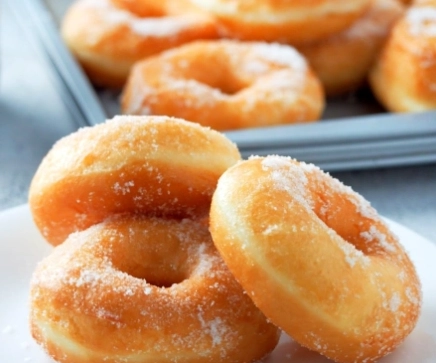
You control everything. That means no weird preservatives, no excessive sugar levels you didn't choose, and you can use the quality of ingredients you prefer. I like using King Arthur all-purpose flour for consistent results.
It's incredibly cheap. A batch of a dozen donuts costs a fraction of what you'd pay at a boutique bakery. We're talking pennies per donut.
The flavor and texture are unmatched when fresh. A donut that's 10 minutes out of the oil and still slightly warm is a spiritual experience. The exterior has a delicate crispness that gives way to a cloud-like interior. That's something a box on a shelf can never replicate.
It's a genuinely fun activity. Kids love helping cut shapes (we'll get to how to do it without a cutter) and choosing toppings. It turns a regular morning into a mini event.
The Ingredients: Simple Pantry Staples
Here's the beautiful part. Check your cupboard. You probably have 90% of this right now.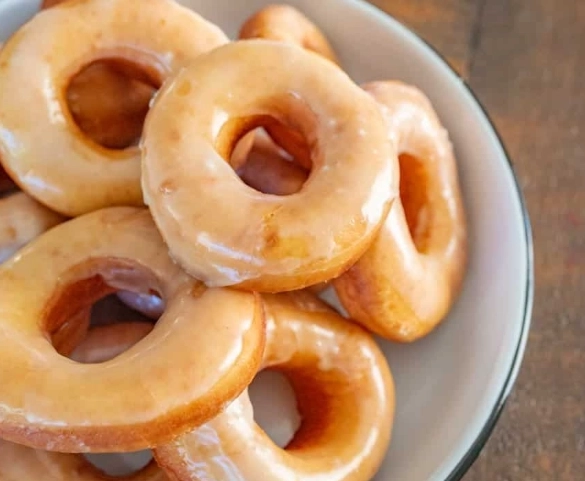
| Ingredient | Quantity | Why It's Here & Notes |
|---|---|---|
| All-purpose flour | 2 ½ cups (312g) | The backbone. Don't pack it into the cup; spoon it in and level it off for accuracy. |
| Granulated sugar | ⅓ cup (67g) | Sweetens the dough. Not too much, as the glaze will add more. |
| Baking powder | 1 tbsp (yes, a full tablespoon) | This is our leavening agent instead of yeast. It's the key to the quick rise and fluffy texture. Make sure it's fresh. |
| Salt | 1 tsp | Essential for balancing flavor. Don't skip it. |
| Milk | 1 cup (240ml) | Whole milk is ideal for richness, but 2% works. Slightly warm it. |
| Large egg | 1 | Binds the dough and adds structure. |
| Unsalted butter, melted | 3 tbsp (42g) | For tenderness and flavor. Let it cool slightly before adding. |
| Vanilla extract | 1 tsp | Pure extract makes a difference here. |
| Vegetable oil (for frying) | 6-8 cups | Use a neutral oil with a high smoke point like canola, peanut, or vegetable oil. |
No buttermilk? No problem. This recipe uses regular milk for maximum accessibility. If you want a slight tang, add 1 tablespoon of white vinegar or lemon juice to the milk, let it sit for 5 minutes to "sour," then use it as directed.
How to Make Easy Homemade Donuts: A Step-by-Step Guide
This is where the magic happens, and it's more about technique than complexity.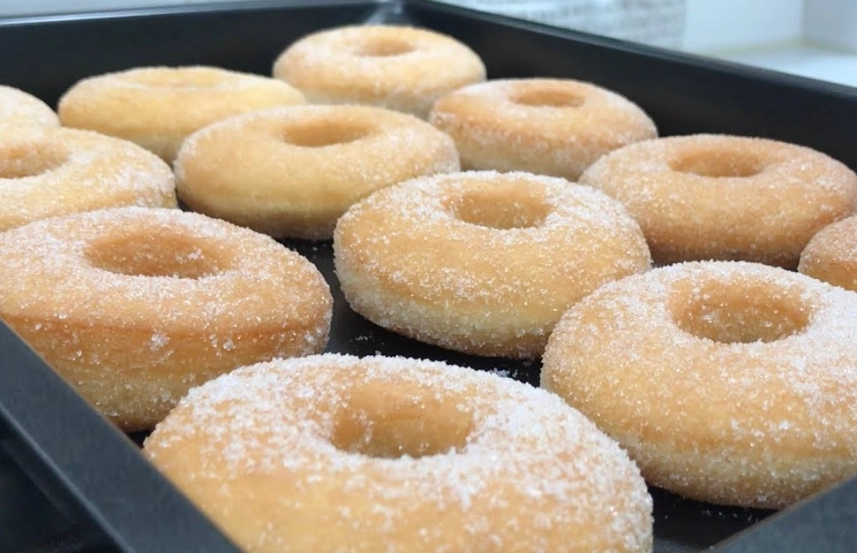
1. Making the Dough (No Mixer Needed)
In a large bowl, whisk together the flour, sugar, baking powder, and salt. In another bowl or a large measuring jug, whisk the warm milk, egg, melted butter, and vanilla until smooth.
Now, pour the wet ingredients into the dry. Use a sturdy spatula or a wooden spoon to mix. It will look shaggy and messy at first. Keep mixing until it just comes together into a soft, sticky ball. Stop the moment there are no more dry flour patches. Overmixing is the enemy of tenderness.
Flour your work surface and your hands generously. Turn the dough out and knead it gently for about 30 seconds to 1 minute—just enough to form a smooth ball. It will be soft and a bit tacky, and that's perfect. If it's sticking to your hands like glue, add a tiny bit more flour, but resist the urge to add too much. A sticky dough makes a lighter donut.
2. Cutting the Shapes (Get Creative)
You don't own a donut cutter. Neither do I. Here's how we roll.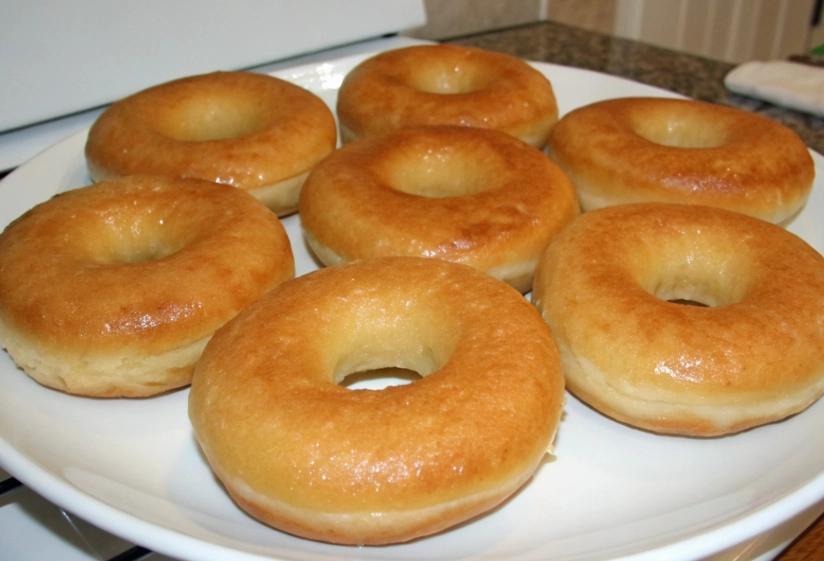
Pat or gently roll the dough to about ½-inch thickness. For classic rings, use a wide-mouth glass or a round cookie cutter (about 3 inches across) to cut circles. Then, use a bottle cap or a small shot glass to cut out the center hole. Re-roll the scraps once to make more.
For donut holes, just ball up the small center pieces you just cut out! No waste.
Place the cut donuts and holes on a lightly floured baking sheet or parchment paper.
3. Frying to Golden Perfection
This is the step that scares people, but it's simple with a few rules.
- Use a heavy-bottomed pot (like a Dutch oven) and fill it with about 2 inches of oil. A candy/deep-fry thermometer is your best friend here. Heat the oil to 365°F (185°C). This temperature is crucial. Too low, and the donuts soak up oil and become greasy. Too high, and they brown outside before cooking inside.
- Gently slide 2-3 donuts into the hot oil. Don't crowd the pot. They should float and sizzle gently.
- Fry for about 60-90 seconds per side, until they're a deep, golden brown. Use chopsticks or a slotted spoon to flip them.
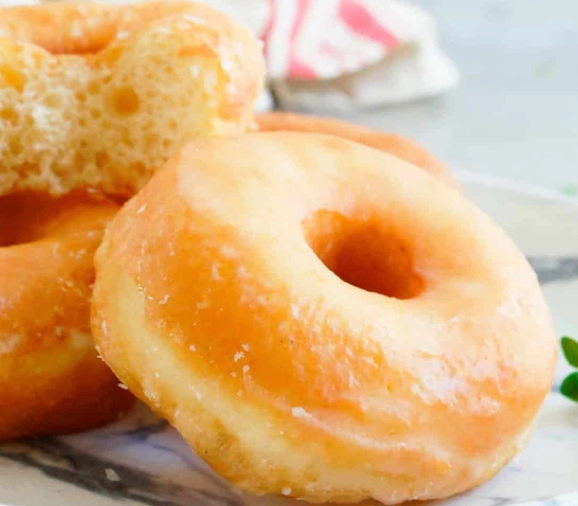
- Transfer the fried donuts to a wire rack set over a baking sheet. This lets excess oil drip off and keeps the bottom from getting soggy. Do not put them on paper towels, as the steam gets trapped and makes them soggy. This is a pro tip most recipes miss.
Glazing and Decorating: The Fun Part
Let the donuts cool for a few minutes on the rack before glazing. If you glaze them while piping hot, the icing will just slide off.
Classic Vanilla Glaze: Whisk together 2 cups of powdered sugar, ¼ cup of milk, and 1 tsp of vanilla extract until smooth. Dip the top of each warm donut into the glaze, let the excess drip off, and return to the rack. The glaze will set in minutes.
Chocolate Ganache: Heat ½ cup of heavy cream until steaming, pour over 1 cup of chocolate chips, let sit for 2 minutes, then whisk until smooth. Dip and enjoy.
Cinnamon Sugar: While the donuts are still hot from the oil, toss them in a bowl of cinnamon sugar (1 cup sugar + 1 tbsp cinnamon). This creates that classic, crackly coating.
The One Big Mistake Everyone Makes (And How to Avoid It)
After making hundreds of batches, I've seen one error more than any other: letting the dough get too warm.
Here's the thing. Baking powder starts activating the moment it gets wet and warm. If your kitchen is hot, or you handle the dough too much, or your milk/butter is too hot, the dough can start to rise prematurely. By the time you get to cutting and frying, the leavening power is spent, and you get dense, sad donuts.
The fix? Keep things cool. Use milk that's just warm to the touch, not hot. Melted butter should be cooled. Work relatively quickly once the wet and dry ingredients are combined. If your kitchen is very warm, pop the dough in the fridge for 10-15 minutes after kneading. This little pause makes a world of difference in achieving that perfect, airy lift.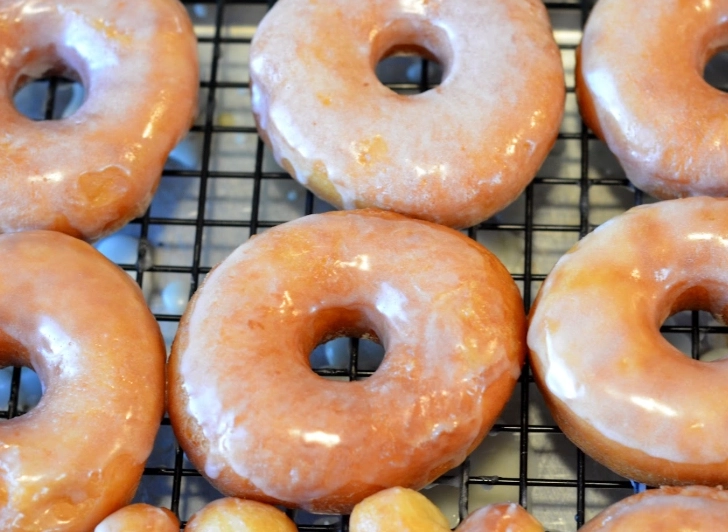
Your Homemade Donut Questions, Answered
Can I make these donuts without a deep fryer?
Absolutely. A heavy pot on the stove is actually better than many home deep fryers because it holds temperature more steadily. Just use a thermometer. For a truly no-fry option, you can bake them at 375°F (190°C) for 8-10 minutes, but the texture will be more like a muffin or cake pop—still tasty, but not a true fried donut.
My dough is super sticky and hard to handle. Did I mess up?
Probably not. A soft, sticky dough is what you want for tenderness. The trick is to flour your hands and the work surface well before handling it. Don't incorporate more flour into the dough itself than absolutely necessary to prevent sticking. A bench scraper is a great tool to help lift and turn a sticky dough.
How do I store homemade donuts, and how long do they last?
They are best eaten the day they're made, ideally within a few hours. Store them in a single layer (not stacked) in a paper bag or loosely covered on a plate at room temperature. Avoid airtight containers, as they trap moisture and make the glaze melt and the donuts soggy. You can freeze unglazed donuts for up to 2 months in a freezer bag. Thaw and warm slightly before glazing.
The oil temperature keeps dropping when I add donuts. What should I do?
This is normal. Don't add too many at once. Add 2-3 donuts, let the temperature recover to around 360°F, then adjust your burner to maintain it. Let the oil come back to 365°F before adding the next batch. Patience here ensures even cooking and less oil absorption.
Can I make the dough ahead of time?
With this baking powder-based recipe, it's best to mix, cut, and fry in one session. For a yeasted dough, you can do an overnight rise in the fridge. But for our quick donuts, the convenience is in the speed—mix and fry in under an hour.
Leave a Comment