Let's be honest. Your first few attempts at gluten-free baking were probably disappointing. A brick-like loaf of bread. Cookies that spread into a single, crispy sheet. A cake so dense you could use it as a doorstop. I've been there. I tossed more failed batches than I care to admit before I realized the problem wasn't me—it was treating gluten-free flour like a simple 1:1 swap. Gluten-free baking is a different science, and it all starts with understanding your ingredients. This isn't about deprivation; it's about building flavor and texture from the ground up with a new set of tools.
What's Inside This Guide
Why Gluten-Free Baking Is a Different Game
Wheat flour is brilliant. Gluten, the protein network formed when wheat flour meets water, provides elasticity, traps gas for rise, and gives structure. Take that away, and you have a pile of starch and protein particles with no plan. Your job as a gluten-free baker is to become the architect. You'll use a combination of flours (each with unique properties) and binders (to mimic gluten's glue) to create that structure manually. According to the Celiac Disease Foundation, getting this right is crucial not just for taste, but for ensuring safe, enjoyable food for those with medical needs. It's a puzzle, but once you know the pieces, it's incredibly satisfying.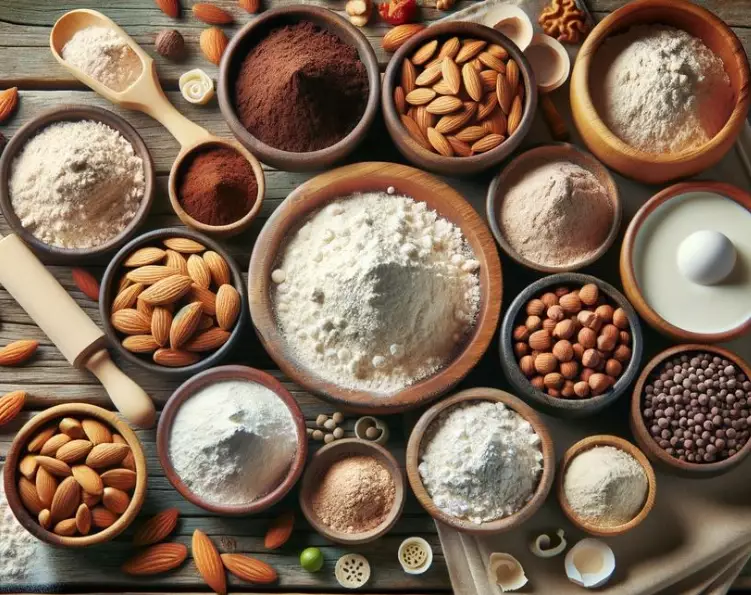
The Gluten-Free Flour Deep Dive
Forget "gluten-free flour" as a single item. Think of your pantry as a team of specialists. You need some for structure, some for tenderness, some for flavor, and some for browning.
Here’s the breakdown of the major players:
| Flour | Best Quality | Role in a Blend | Watch Out For |
|---|---|---|---|
| Brown Rice Flour | Neutral flavor, good structure | The workhorse. Provides a sturdy, wheat-like base. | Can be gritty if not finely ground. I prefer superfine. |
| White Rice Flour | Lighter texture than brown rice | Lightens up blends, less earthy taste. | Very starchy on its own, needs a binder. |
| Almond Flour | Moist, rich, nutty flavor | Adds fat, moisture, and protein. Great in cakes, cookies. | High in fat, spoils faster. Not a direct substitute for blends. |
| Oat Flour (Certified GF) | Sweet, wholesome flavor, helps binding | Adds chew and helps hold things together. | Must be certified gluten-free. Can make baked goods dense if overused. |
| Buckwheat Flour | Strong, earthy, robust flavor | Adds depth and color. Excellent in pancakes, bread. | Flavor is polarizing. Start with a small percentage in a blend. |
| Cassava Flour | Very neutral, similar to wheat in texture | Can be used as a primary flour in some recipes. | Absorbs a TON of liquid. You must adjust recipes significantly. |
| Cornstarch / Tapioca Starch / Potato Starch | Light, powdery, great for browning | The "starches." Provide lightness, crispness, and help with browning. | Pure starch. Using them alone leads to gummy, strange textures. |
My personal non-consensus take? Don't sleep on sorghum flour. It's my secret weapon. It has a mild, sweet flavor almost like wheat, a fine texture, and good nutritional profile. It makes a fantastic base flour, yet many beginners overlook it for the more common rice flours.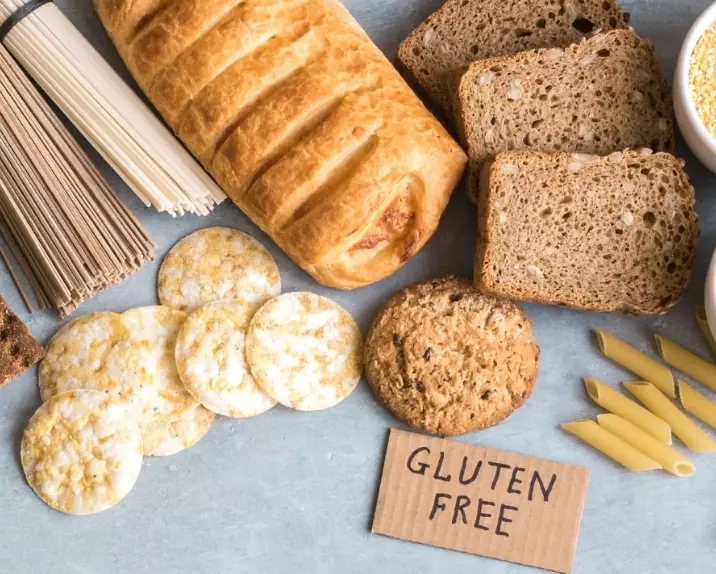
Binders & Gums: The Gluten Replacers
This is where most recipes fail. Without a binder, your flours and starches have nothing holding them together. Crumble city.
Xanthan Gum and Guar Gum
The modern standards. Xanthan gum is derived from fermented sugar, guar gum from a bean. They both hold water and create a sticky, elastic network. Xanthan gum is stronger and more common in baking. A little goes a long way—usually 1/4 to 1/2 teaspoon per cup of flour. The mistake? Doubling the amount because you think "more is better." Too much xanthan gum creates a gummy, slimy texture, especially in things like pancakes. It's awful.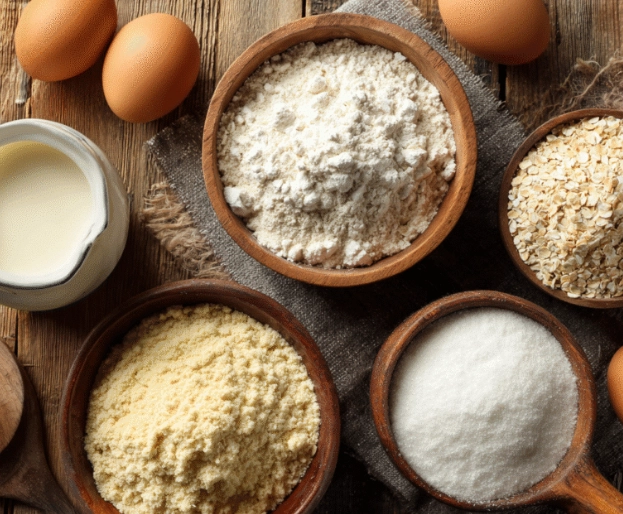
Psyllium Husk Powder
This is the game-changer for bread. When mixed with water, it forms a gel with incredible elasticity and stretch, mimicking gluten better than anything else. It gives gluten-free bread that coveted chewy, airy crumb. Use the powdered form (not whole husks) and let your dough rest to allow it to fully hydrate. It's a whole-foods alternative I often prefer.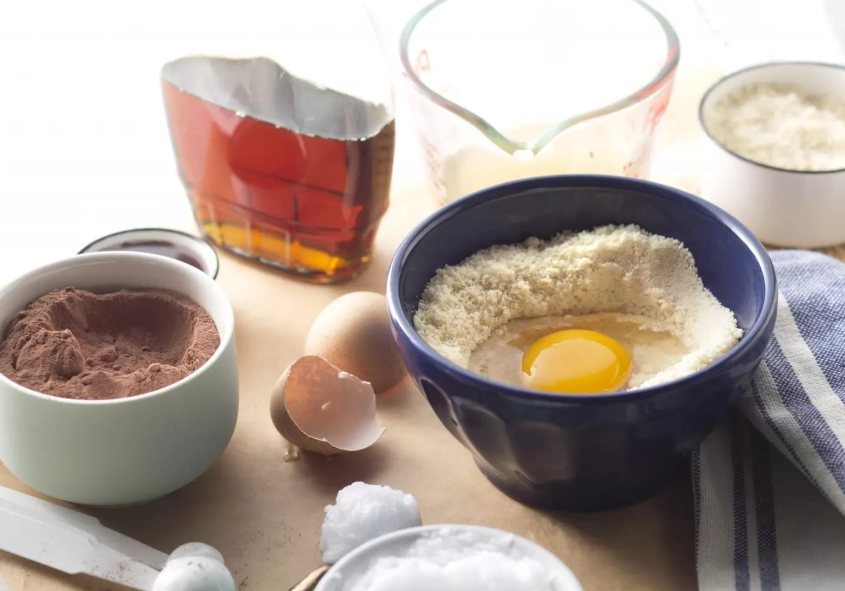
Other Options: Chia Seeds, Flaxseeds, Eggs
Ground chia or flax seeds mixed with water create a gel (a "chia egg" or "flax egg") that works well as a binder in denser items like muffins or cookies. Eggs, of course, are phenomenal natural binders and leaveners. Many classic gluten-free recipes rely heavily on eggs for structure.
Other Key Players You Can't Ignore
It's not just flour and gum.
Leaveners (Baking Powder/Soda): Gluten-free batters are often heavier, so they need a reliable lift. Ensure your baking powder is fresh. A common trick is to use a slightly higher amount than in wheat-based recipes, or to combine baking soda with an acid (like vinegar, lemon juice, or buttermilk) for an extra boost.
Fats & Liquids: Gluten-free flours can suck up moisture differently. Doughs often need more hydration. Don't be afraid to add an extra tablespoon or two of milk or water if your dough looks dry and crumbly. Fats like butter or oil add tenderness and slow staling.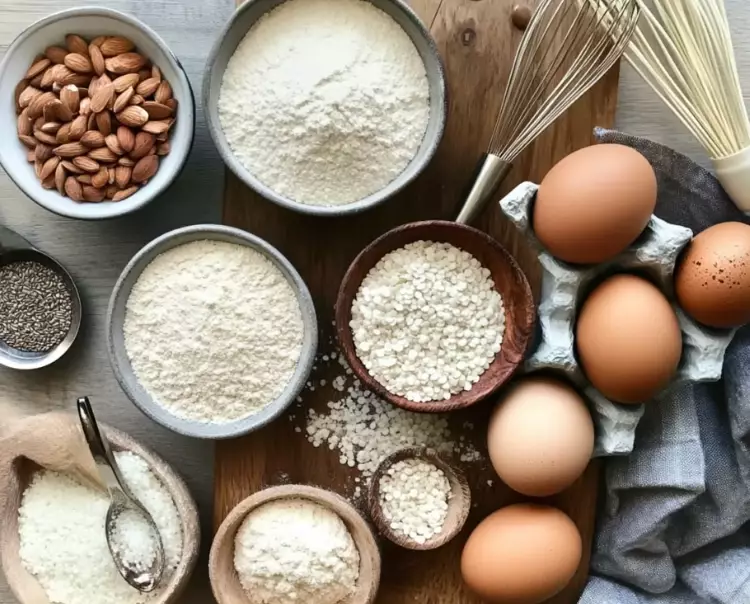
Resting Time: This is the most overlooked step. After mixing your batter or dough, let it sit for 30 minutes. This allows the flours to fully absorb the liquid and the gums to start their work. The difference in consistency and final texture is night and day.
Building Your Own All-Purpose Blend
Store-bought blends (like King Arthur Measure for Measure or Bob's Red Mill 1-to-1) are convenient and great for beginners. But making your own is cheaper, lets you control the flavor, and is oddly empowering.
Here's a reliable, versatile all-purpose gluten-free flour blend you can make in bulk. It mimics the protein and starch balance of all-purpose wheat flour:
- 300g Brown Rice Flour (or sorghum flour for a smoother taste)
- 300g White Rice Flour
- 200g Tapioca Starch
- 200g Cornstarch or Potato Starch
To use it: Add 1 teaspoon of xanthan gum per 160g (about 1 cup + 2 tbsp) of this blend for cookies and cakes. For bread, use 1.5-2 teaspoons per 160g.
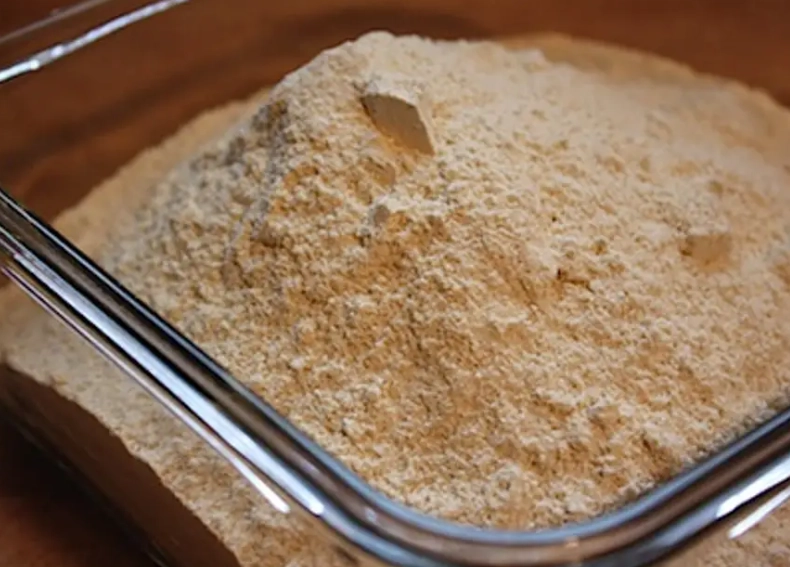
Whisk it all together in a large bowl, then store it in an airtight container. It will keep for months in a cool, dark place. I have a giant jar of this in my pantry at all times.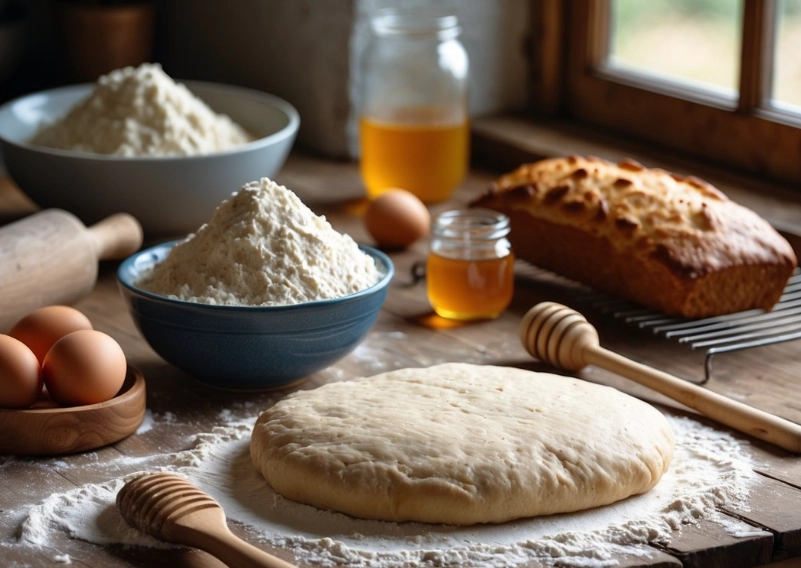
3 Costly Mistakes (And How to Fix Them)
Based on a decade of errors (mostly my own), here are the big ones.
Mistake 1: Using a Single Flour. Baking with just almond flour or just rice flour. Result? Dense, crumbly, or greasy messes. Fix: Always use a blend. Mimic the balance of a wheat flour by combining a protein/flour (rice, sorghum, oat) with a starch (tapioca, cornstarch).
Mistake 2: Skipping the Binder. "I don't have xanthan gum, I'll just leave it out." This is the #1 reason recipes fail. Fix: If you're out of xanthan gum, you must substitute. For every 1 tsp xanthan gum, you can try 2 tsp psyllium husk powder (let the dough rest) or 1 tbsp ground chia/flax mixed with 3 tbsp water.
Mistake 3: Not Weighing Ingredients. Gluten-free flours have different densities. A "cup" of almond flour weighs half as much as a "cup" of rice flour. Volumetric measuring introduces huge error. Fix: Buy a $20 digital kitchen scale. It's the single best investment for consistent gluten-free baking. Trust me.



Leave a Comment