What's Inside This Guide
- What Makes Sourdough Different? It's All in the Starter
- The Science-Backed Health Benefits of Sourdough Bread
- Sourdough vs. Commercial Yeast Bread: A Side-by-Side Look
- How to Get the Most Out of Sourdough's Benefits
- Common Questions About Sourdough Bread Benefits
- The Bottom Line: Is Sourdough Worth It?
Okay, let's talk about sourdough. It's everywhere now, right? From your local artisan bakery to the supermarket shelf, everyone seems to be shouting about sourdough bread benefits. I jumped on the bandwagon a few years back, partly because it tasted so much better than the squishy, packaged loaves I grew up with. But I'll be honest, at first I thought the health stuff was maybe just marketing—a clever way to charge seven bucks for a loaf of bread.
Then I started digging. And baking my own (with mixed results—more on that disaster later). Turns out, there's some genuinely interesting science behind why this ancient way of making bread might actually be a better choice for a lot of us. It's not a magic bullet, don't get me wrong. Eating a whole loaf in one sitting is still… a lot of bread. But the process, that long, slow fermentation with a wild yeast starter, does some pretty cool things.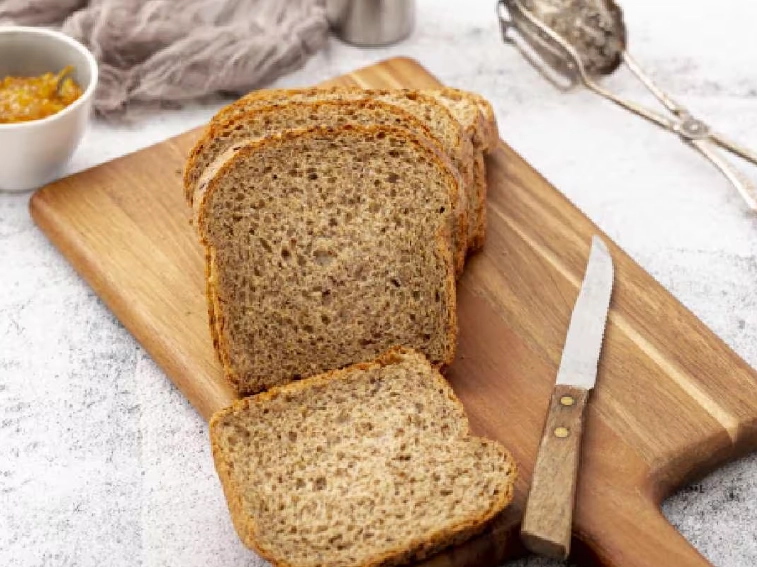
So, what's the big deal? The core benefits of sourdough bread stem from fermentation. This natural process, driven by wild yeast and lactic acid bacteria, pre-digests some of the flour, making nutrients more available and creating compounds that are easier on your gut and blood sugar compared to bread made with commercial baker's yeast in a hurry.
Let's break it down.
What Makes Sourdough Different? It's All in the Starter
First, you gotta understand what you're even eating. Sourdough isn't a type of flour; it's a process. Instead of using a packet of isolated commercial yeast, bakers use a "starter"—a living culture of wild yeast and lactic acid bacteria (mostly Lactobacillus) captured from the air and nurtured with flour and water. This starter is what ferments the dough.
This fermentation can take anywhere from 6 to 24 hours or even longer. That time is key. While the yeast produces gases to make the bread rise, the bacteria are busy producing lactic and acetic acids. These acids give sourdough its characteristic tangy flavor, but they also lower the bread's pH, acting as a natural preservative and setting the stage for many of its health perks.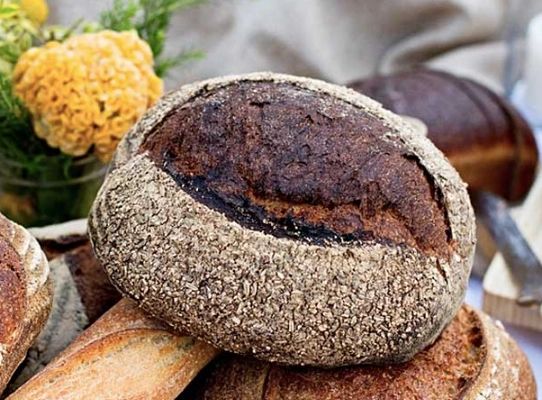
My first attempt at a starter? I named it "Bubba." Bubba smelled like nail polish remover for a week and then died. I learned the hard way that consistency (daily feeding!) is more important than a cute name. A healthy starter should smell fruity and yeasty, not like a chemical accident.
The Science-Backed Health Benefits of Sourdough Bread
Now for the good stuff. Why might swapping your usual slice for a sourdough one be a smart move? Here’s where the research and real-world experience point.
Easier on Your Digestion (Even for Some Gluten-Sensitive Folks)
This is the benefit people talk about the most. The long fermentation gives the microorganisms time to partially break down (or "predigest") the complex starches and proteins in the flour. One major area of interest is gluten.
Gluten is a group of proteins that gives bread its chewy structure. For people with celiac disease, sourdough is absolutely not safe—it still contains gluten and is not a substitute for a strict gluten-free diet. However, for some individuals with non-celiac gluten sensitivity or who just find regular bread makes them feel bloated and heavy, sourdough can be a game-changer.
The lactic acid bacteria and the extended fermentation process appear to break down some of the gluten proteins and other hard-to-digest compounds called FODMAPs (fermentable oligosaccharides, disaccharides, monosaccharides, and polyols). A study published in the journal Clinical Gastroenterology and Hepatology found that some individuals with self-reported gluten sensitivity could tolerate properly fermented sourdough bread made from specific wheat varieties. The bacteria are basically doing some of the digestive work for you before the bread even hits your stomach.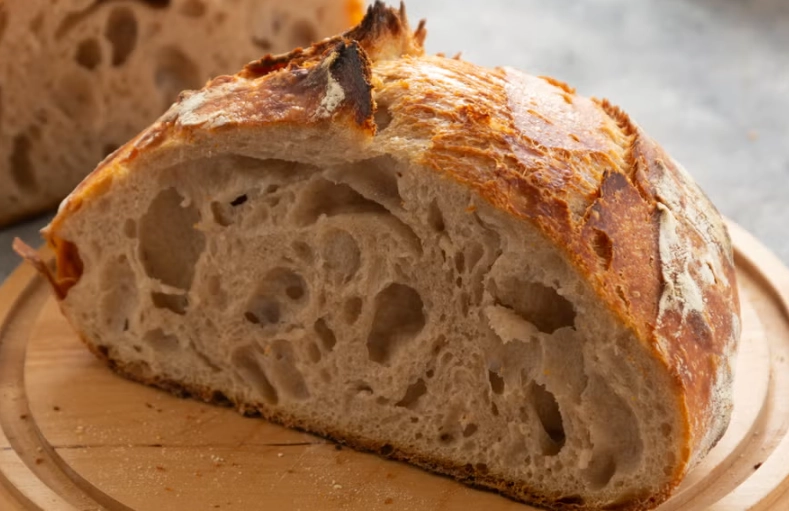
A Better Friend to Your Blood Sugar
Here's a surprising one: sourdough often has a lower glycemic index (GI) than other types of white or even whole wheat bread. The GI measures how quickly a food causes your blood sugar to spike.
The acids produced during fermentation (lactic and acetic acid) seem to slow down the rate at which your stomach empties and delay the digestion of starch. Furthermore, the fermentation process alters the starch structure itself. Some of the starch becomes "resistant starch," which acts more like dietary fiber—it resists digestion in the small intestine and feeds your good gut bacteria later on.
This means the carbohydrates in the bread are released into your bloodstream more gradually, providing steadier energy and avoiding those sharp sugar highs and crashes. For anyone managing insulin sensitivity or type 2 diabetes, or just trying to maintain stable energy levels, this is a significant sourdough bread health benefit.
Enhanced Nutrient Availability (Your Body Can Actually Use More of the Good Stuff)
Whole grains are packed with minerals like iron, zinc, magnesium, and calcium. But they also contain something called phytic acid (or phytate), which is often dubbed an "anti-nutrient." Why? Because it binds to these minerals in your gut, preventing you from absorbing them fully.
Enter the sourdough starter. The wild yeast and bacteria produce an enzyme called phytase during fermentation, which breaks down a significant portion of the phytic acid. This process, called "phytate degradation," essentially unlocks the minerals, making them more bioavailable for your body to use. So, you're not just eating the nutrients on paper; you're actually able to absorb more of them.
The fermentation also helps break down other hard-to-digest components, potentially making the B vitamins present in the flour more accessible too.
Potential Prebiotic and Postbiotic Effects (Gut Health Gold)
Let's get the terminology straight, because this is often confused:
- Probiotics are live beneficial bacteria (like in yogurt). Your sourdough starter is full of them, but they are mostly killed during baking.
- Prebiotics are food for the good bacteria already in your gut. The resistant starch and the fiber in sourdough (especially whole grain) act as prebiotics.
- Postbiotics are the beneficial compounds produced by bacteria during fermentation. The organic acids (lactic, acetic) in sourdough are considered postbiotics.
So while you're not eating live probiotics from a baked loaf, you are feeding your gut microbiome with prebiotics and consuming health-promoting postbiotics created during the ferment. A healthy, diverse gut microbiome is linked to everything from improved immunity and mood to better digestion. The benefits of eating sourdough bread for your gut are more about supporting the ecosystem than planting new seeds.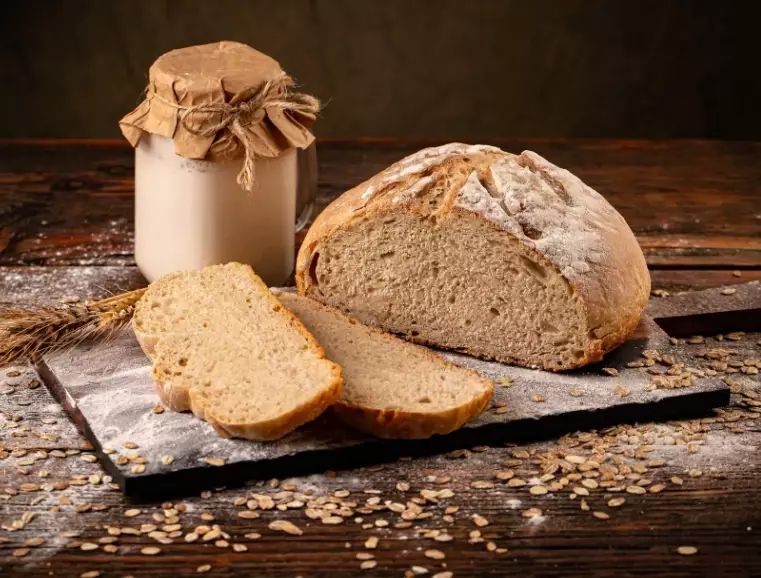
Natural Preservation and a Cleaner Label
Walk down the bread aisle and look at the ingredient list on a standard loaf. You'll often find a paragraph of additives: dough conditioners, preservatives like calcium propionate, emulsifiers, and added sugar. Sourdough, when made traditionally, needs very few ingredients: flour, water, salt, and the starter culture.
The acidic environment and the organic acids themselves (acetic acid is basically vinegar) naturally inhibit the growth of mold and bad bacteria. This gives sourdough a longer shelf life without artificial preservatives. A real sourdough loaf might go stale after a few days, but it's less likely to grow mold quickly. For me, this simplicity is a huge benefit—I know exactly what I'm eating.
A quick reality check: Not all supermarket bread labeled "sourdough" is the real deal. Many are "sourfaux"—made with commercial yeast and added acetic acid or vinegar to mimic the tangy taste, skipping the long fermentation entirely. You miss out on almost all the benefits this way. We'll talk about how to spot a genuine loaf later.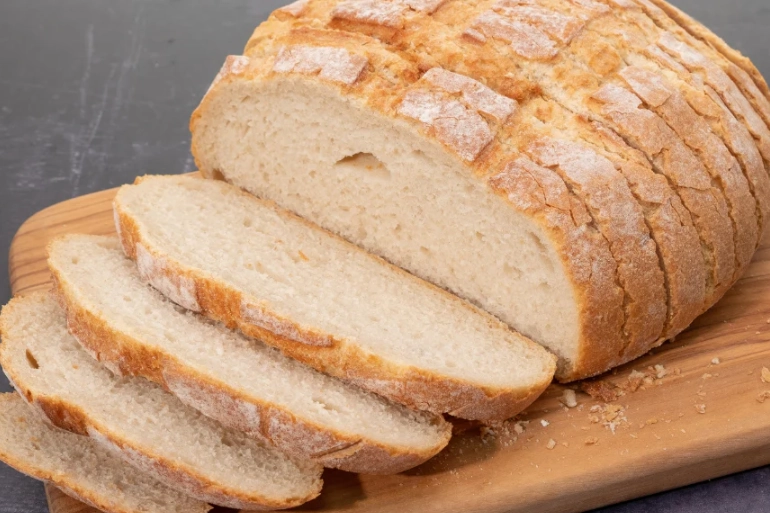
Sourdough vs. Commercial Yeast Bread: A Side-by-Side Look
It's easier to see the differences in a table. This compares a traditionally made whole wheat sourdough with a typical commercial whole wheat bread.
| Feature | Traditional Whole Wheat Sourdough | Commercial Whole Wheat Bread |
|---|---|---|
| Leavening Agent | Wild yeast & lactic acid bacteria starter | Commercial baker's yeast (S. cerevisiae) |
| Fermentation Time | Long (6-24+ hours) | Short (1-3 hours) |
| Phytic Acid Content | Significantly reduced | Largely intact |
| Glycemic Index (GI) | Generally lower | Generally higher |
| Digestibility | Gluten & starches partially broken down | Less pre-digestion occurs |
| Preservatives | None needed (natural acids preserve) | Often contains chemical preservatives |
| Common Additives | Flour, water, salt, starter | May include dough conditioners, emulsifiers, added sugar |
| Shelf Life (Mold) | Goes stale, but molds slower | May stay soft longer but uses preservatives to inhibit mold |
How to Get the Most Out of Sourdough's Benefits
Knowing the potential sourdough bread benefits is one thing. Actually getting them is another. Here’s my practical advice, learned from both reading and (many) baking fails.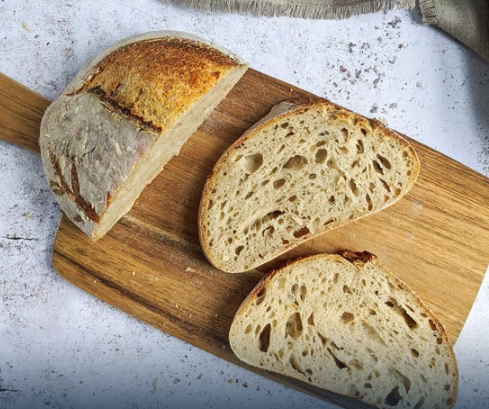
Choosing the Right Loaf: Don't Get Fooled
This is crucial. If you're buying sourdough, you need to be a detective.
- Read the Ingredient List: It should be short: flour (preferably with the type specified, like bread flour, whole wheat, rye), water, salt. Maybe a seed or two. That's it. If you see "yeast," "vinegar," "acetic acid," "dough conditioners," or "calcium propionate," it's not traditionally fermented.
- Ask the Baker: At a real bakery, ask if they use a natural starter and how long the dough ferments. A good sign is if they mention "bulk fermentation" times of overnight or all day.
- Look and Feel: A real sourdough crust should be deeply caramelized and crisp, not pale and soft. The inside (crumb) should have an irregular, bubbly structure, not a uniform, cake-like one.
- Taste It: It should have a complex flavor—mildly tangy, nutty, sometimes slightly sweet—not just a sharp, one-note vinegar sourness.
Consider the Flour: Whole Grain vs. White
A 100% whole grain or whole wheat sourdough will give you the maximum fiber, vitamin, and mineral benefit. The health benefits of sourdough bread are amplified with whole grains. However, a well-made white sourdough is still a superior choice to standard white bread because of the fermentation process. It's a step in the right direction. I often go for a blend—maybe 30% whole wheat or rye for flavor and nutrients, with bread flour for a good rise.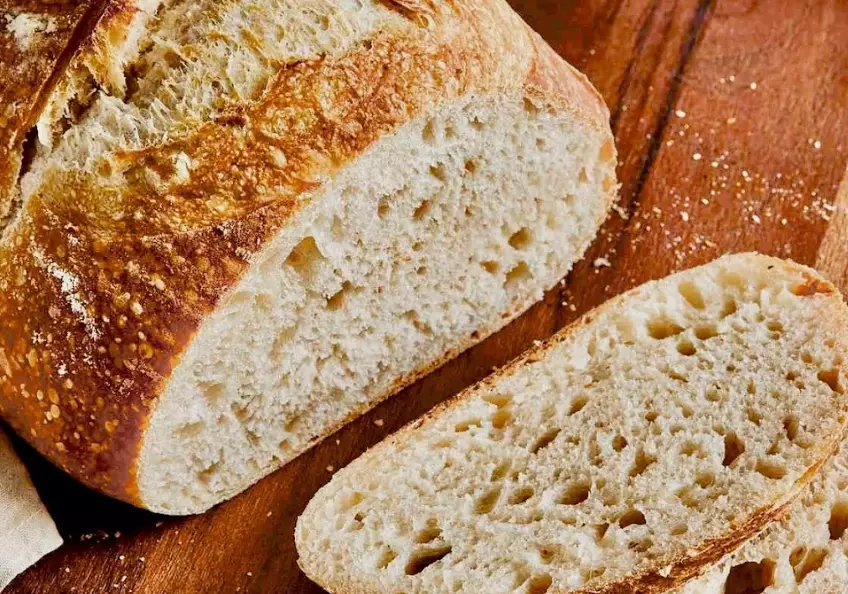
Try Baking Your Own (It's Rewarding, I Promise)
This is the ultimate way to control the process and ensure you're getting the real deal. You don't need to be a master baker. A simple "no-knead" sourdough method can yield incredible results with mostly hands-off time. The key is patience. The reward is unbeatable flavor, the pride of creation, and knowing exactly what went into your food. Resources like King Arthur Baking have fantastic, reliable guides and recipes for beginners. Their site is a treasure trove of tested baking science.
My first successful loaf was so ugly it was almost charming. It was dense on one side and had a giant air bubble on the other. But the taste? Unreal. Toasted with butter, it was a revelation. The journey from flour and water to that loaf felt like a small miracle, chewy crumb and all.
Common Questions About Sourdough Bread Benefits
The Bottom Line: Is Sourdough Worth It?
Look, I'm not here to tell you that sourdough bread will cure all your ailments. It won't. But based on the science and my own experience, the benefits of sourdough bread are very real for most people. It's a more nutritious, more digestible, and more satisfying way to enjoy bread.
The long fermentation transforms the basic ingredients into something that’s genuinely different—and better—than the fast-made alternative. It connects us to an ancient culinary tradition and, frankly, just tastes amazing.
So, is it worth seeking out a real loaf or spending a weekend cultivating a starter? If you care about what you eat, enjoy good food, and have ever felt sluggish after a sandwich, I'd say absolutely yes. Start by finding a reputable local baker. Try a loaf. See how you feel. Your gut—and your taste buds—might just thank you.




Leave a Comment