Ask ten bakers what the hardest part of making macarons is, and nine will tell you it's the technique. The folding, the piping, the resting. But here's the secret I learned after a decade of teaching pastry: your macarons are already doomed if you start with the wrong ingredients. The perfect feet, the smooth shell, the chewy interior—it all hinges on what's in your bowl before you even pick up a spatula. This isn't just a list. It's a deep dive into why each macaron ingredient matters and how the smallest substitution can lead to hollow shells, cracked tops, or no feet at all.
What's Inside This Guide?
The 6 Non-Negotiable Macaron Ingredients
Forget the fancy flavors for a second. A classic French macaron shell requires only six basic components. Get these right, and you're 80% of the way there.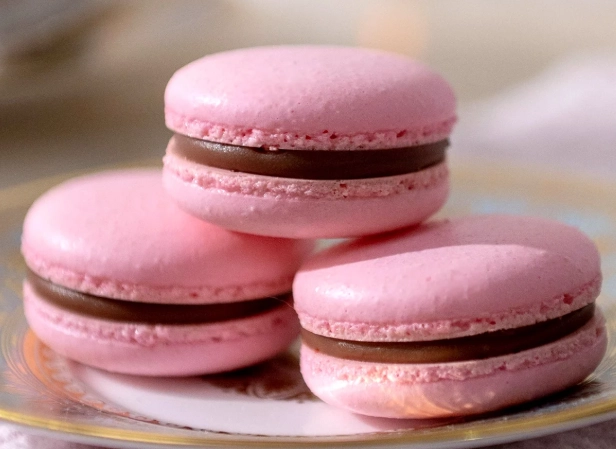
- Almond Flour: Not almond meal. This is the soul of the cookie.
- Powdered Sugar (Icing Sugar): For structure and sweetness.
- Egg Whites: The engine that provides lift and structure.
- Granulated Sugar: For the meringue. Caster sugar works too.
- Cream of Tartar or Lemon Juice: A stabilizer. Often overlooked, critically important.
- A Pinch of Salt: To balance and enhance all flavors.
That's it. No baking powder, no butter, no oil. The magic happens through the chemical reaction between these few elements. Now, let's get into the nitty-gritty details most recipes gloss over.
Almond Flour: The Foundation You Can't Mess Up
This is where most first attempts fail. You grabbed "almond meal" from the store because it was cheaper or more available. Big mistake.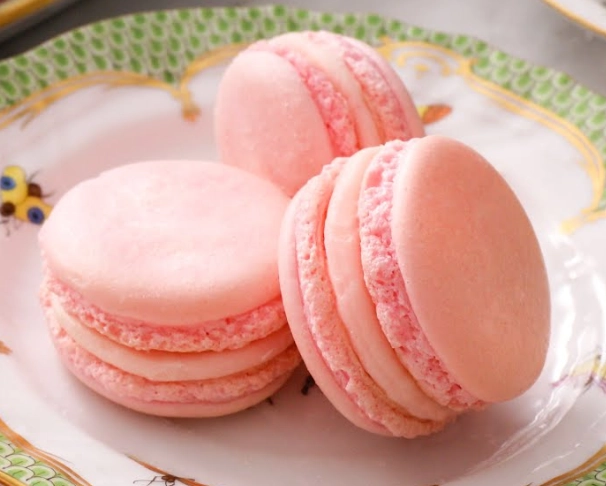
Almond meal includes the skins and is coarsely ground. Those tiny brown specks and irregular particles will give you a grainy, oily, and dense macaron shell. It might still taste okay, but it will never have that iconic smooth, satiny dome.
How to Make Sure Your Almond Flour is Ready
Even good almond flour can be a bit oily or clumpy. Here's a pro step: always sift your almond flour and powdered sugar together. Not once, but twice. I sift them directly onto a piece of parchment paper. Any large bits left in the sifter? Discard them. Don't try to push them through. Those stubborn bits are oil-heavy and will ruin your batter's texture.
Some bakers take it further and pulse their sifted almond flour and powdered sugar in a food processor for a few seconds to ensure an ultra-fine mix. Just be careful not to turn it into almond butter.
Sugar Science: Why You Need Two Types
You see both powdered sugar and granulated sugar in the recipe and think, "Can't I just use one?" No. They have completely different jobs.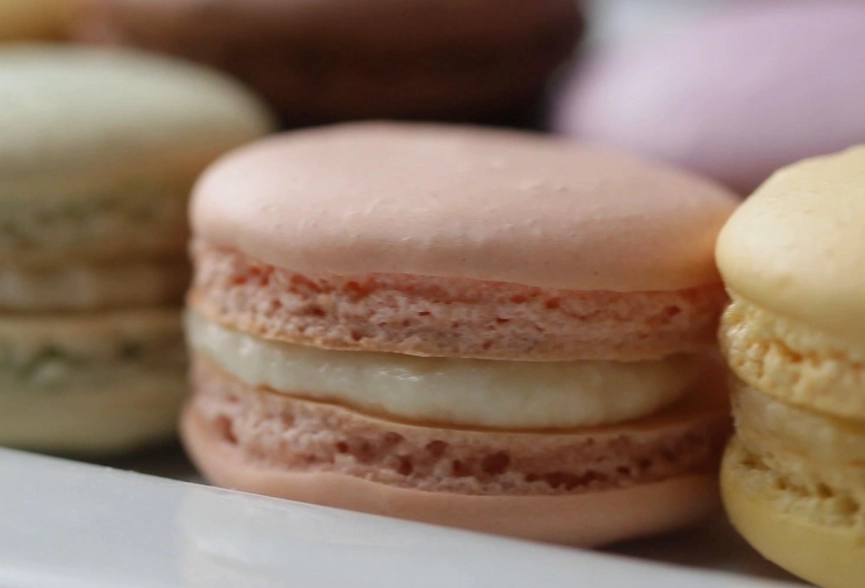
Powdered Sugar (Icing Sugar) gets mixed with the almond flour. It dissolves instantly, sweetens the dough, and because it contains a small amount of cornstarch (usually around 3%), it helps absorb excess moisture and contributes to a finer crumb. Don't try to make your own by blitzing granulated sugar; it won't have that cornstarch and won't be fine enough.
Granulated Sugar (or Caster Sugar) is for the meringue. Its larger crystals help create a strong, stable foam by slowly dissolving into the egg whites as you whip. This forms a thick, glossy meringue that can hold the weight of the almond flour. Superfine sugar (caster sugar) is ideal because it dissolves even faster, leading to a more stable meringue. A common mistake is adding the sugar too quickly. You want to add it a spoonful at a time once the whites are frothy.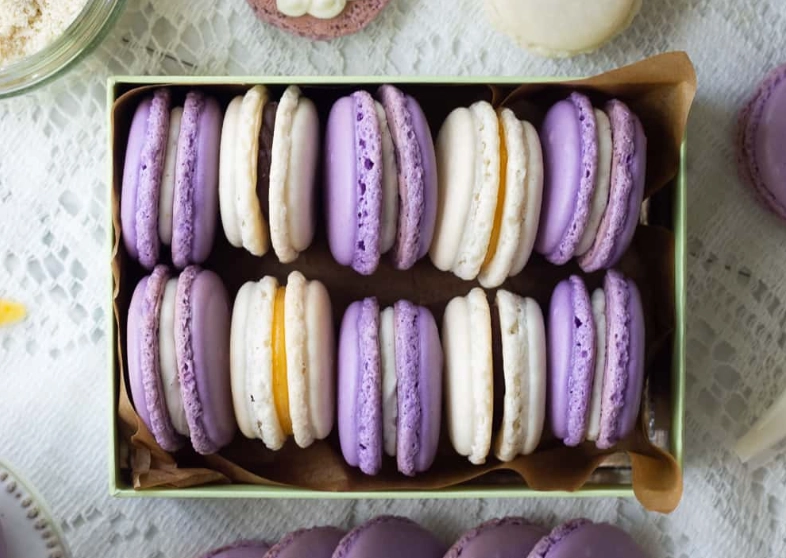
The Egg White Mystery: To Age or Not to Age?
Nearly every classic recipe calls for "aged" egg whites. But what does that mean? You separate the eggs and let the whites sit in a covered container in the fridge for 24-48 hours. This lets some water evaporate, making the whites more concentrated and the protein structure looser. The result? They whip up higher and more stable.
Here's my non-consensus take: while aging helps, it's not the be-all and end-all. The freshness of the egg matters more. A fresh, high-quality egg white from a happy chicken will perform better than a watery, pale white from a battery-farmed egg, aged or not.
If you're in a pinch, you can "cheat" the aging process. Place your fresh egg whites in a clean glass bowl. Microwave them for 5-10 seconds until they are just barely warm to the touch (not hot!). This mimics the effect of aging by slightly denaturing the proteins. Let them cool to room temperature before using.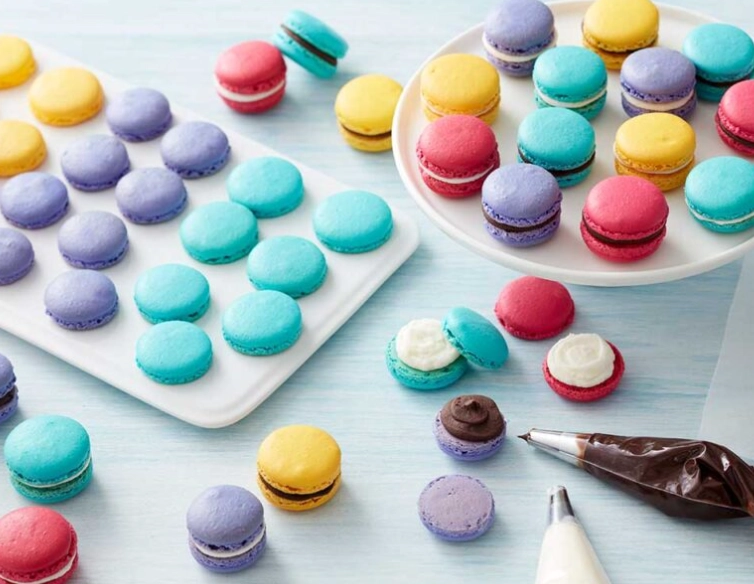
The Stabilizer: Cream of Tartar or Lemon Juice
A pinch of cream of tartar (an acid) added to the egg whites as you start whipping is your insurance policy. It strengthens the protein network in the meringue, making it less likely to collapse or weep moisture later. If you don't have it, a few drops of fresh lemon juice works. Don't skip this. It's especially crucial on humid days.
Flavors, Fillings & The Optional Extras
Once you've mastered the basic shell, the world opens up. Here’s how to add flavor without breaking the chemistry.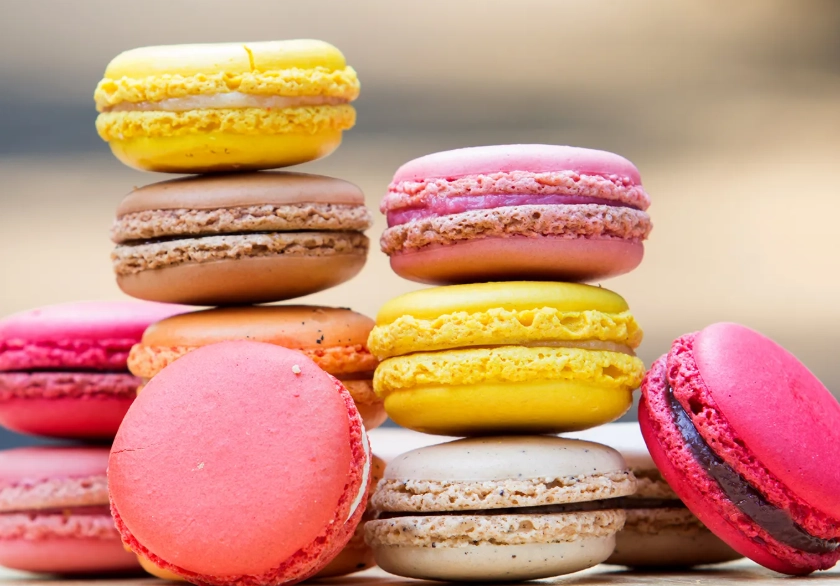
For the shells: Use gel or powder food coloring. Liquid food coloring adds unwanted moisture and can deflate your meringue. For flavors, use powdered extracts (like freeze-dried fruit powder) or very concentrated pastes. Add them to the dry ingredients. If you want to add cocoa powder for chocolate macarons, substitute about 10-15% of the almond flour with unsweetened cocoa powder (and sift, sift, sift!).
For the fillings: This is where you can get creative. The classic is French buttercream or ganache. Buttercream is sweet and light; ganache (chocolate and cream) is rich and decadent. Fruit curds, jam, or salted caramel also work beautifully. The key is that the filling should be thick enough not to squish out but soft enough to meld with the shell after the macarons mature (rest in the fridge for 24 hours).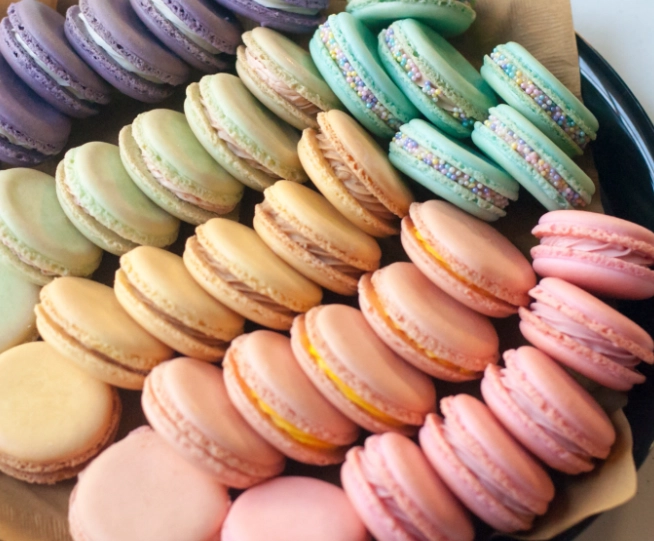
Macaron Ingredient Cheat Sheet
| Ingredient | Role | Pro-Tip & What to Avoid |
|---|---|---|
| Almond Flour | Provides structure, flavor, and texture. | MUST be super-fine and blanched. Avoid almond meal. Sift twice. |
| Powdered Sugar | Sweetens, adds structure, absorbs moisture. | Use store-bought (contains cornstarch). Don't make your own. |
| Egg Whites | Creates lift and structure via meringue. | Use room temperature. Fresh is key. Age or use the "warm" cheat. |
| Granulated Sugar | Stabilizes the meringue. | Superfine/caster sugar is best. Add slowly after whites are frothy. |
| Cream of Tartar | Stabilizes meringue, prevents collapse. | A pinch is enough. Lemon juice is a fine substitute. |
| Gel Food Coloring | Adds color without moisture. | Add sparingly to the meringue. Avoid liquid dyes. |
Leave a Comment