Your cake is dense. Your cookies are flat. Your bread is a brick. Sound familiar? You followed the recipe, so what went wrong? After years of teaching baking classes and seeing the same errors pop up, I can tell you it's rarely about a lack of skill. It's almost always about a handful of small, sneaky missteps that completely derail the chemistry of baking. Let's cut through the fluff and talk about the real, actionable mistakes you're probably making and exactly how to fix them.
Quick Navigation: What's Ruining Your Bake?
- Mistake 1: Guessing with Measurements
- Mistake 2: Misunderstanding Your Flour
- Mistake 3: Ignoring Ingredient Temperature
- Mistake 4: The Oven Temperature Lie
- Mistake 5: Overmixing the Batter
- Mistake 6: Improper Pan Prep & Choice
- Mistake 7: Relying on Time, Not Visual Cues
- Mistake 8: Substituting Willy-Nilly
- Mistake 9: Skipping the Sift (When It Matters)
- Mistake 10: Not Letting It Cool
- Your Burning Baking Questions
Mistake 1: Guessing with Measurements (The #1 Culprit)
This is the granddaddy of all baking fails. Baking is a science, and flour is not water. Scooping your measuring cup directly into the flour bag packs it down. That "one cup" can easily become 1.25 cups of flour. That extra quarter cup is enough to turn a tender cake into a dry, crumbly mess.
Mistake 2: Misunderstanding Your Flour
All-purpose flour is not bread flour. Cake flour is not self-rising flour. The protein content dictates how much gluten forms, which directly controls texture. Using bread flour (high protein) for a cake will make it tough. Using cake flour (low protein) for bread will leave it weak and flat.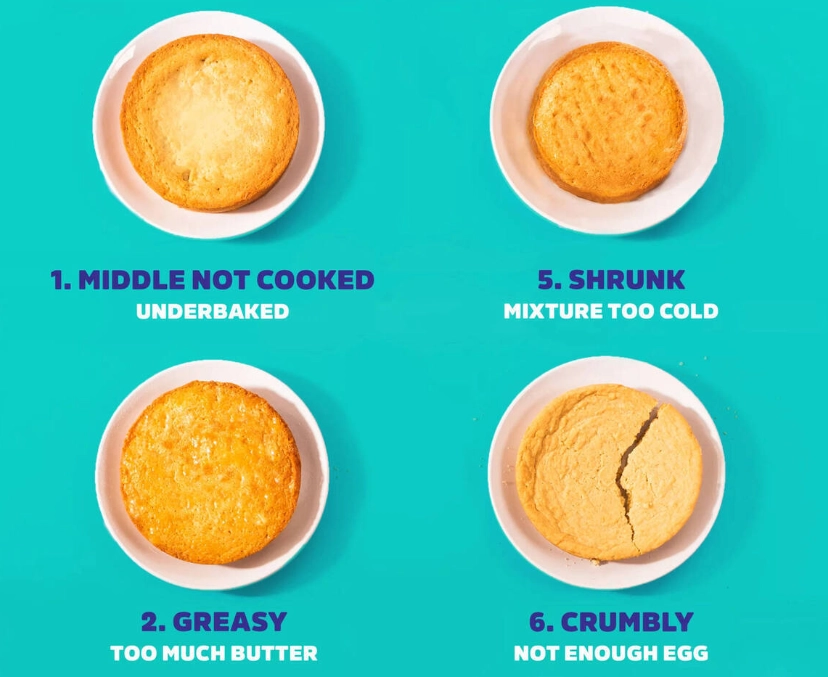
| Flour Type | Protein Content | Best Used For | Common Mistake |
|---|---|---|---|
| Cake Flour | 7-9% | Delicate cakes, tender pastries | Using it for chewy bread or pizza dough. |
| All-Purpose Flour | 10-12% | Cookies, muffins, quick breads, some cakes | Assuming it works perfectly for everything. |
| Bread Flour | 12-14% | Yeast breads, bagels, pizza crust | Making a birthday cake with it. |
What about gluten-free?
Swapping regular flour 1:1 with a gluten-free blend is a recipe for disaster. Gluten-free flours need binders like xanthan gum and often more liquid. Always use a recipe specifically designed for gluten-free flour. The King Arthur Baking website has excellent, tested recipes for this.
Mistake 3: Ignoring Ingredient Temperature
"Room temperature" isn't a suggestion for butter and eggs; it's a requirement for proper emulsification. Cold butter won't cream properly with sugar, meaning less air is incorporated, leading to a dense cake. Cold eggs can curdle the creamed butter-sugar mixture, breaking the emulsion and resulting in a coarse, greasy texture.
Room temperature doesn't mean warm. It means about 68-70°F (20-21°C). Butter should be slightly cool to the touch but leave a faint indent when pressed.
Mistake 4: The Oven Temperature Lie
Your oven dial is probably a liar. I've had home ovens be off by 25°F or more. Too hot, and your goods brown too fast while staying raw inside. Too cool, and they spread, don't rise properly, and dry out.
The Fix: Buy an inexpensive oven thermometer. Place it in the center of your oven and preheat for at least 20 minutes. Adjust your dial until the thermometer reads the correct temperature. Do this every few months.
Mistake 5: Overmixing the Batter (The Silent Killer)
This is a subtle one. Once you add flour to wet ingredients, gluten starts to develop. Mix just until the last streak of flour disappears. Continuing to mix "to make sure" it's combined develops more gluten, leading to toughness, tunnels in cakes, and rubbery textures. This is especially critical for muffins, pancakes, and quick breads.
Use a spatula, not the mixer, for the final incorporation. Fold gently.
Mistake 6: Improper Pan Prep & Choice
Greasing and flouring a pan isn't just about sticking. It creates a thin barrier that controls how the edges set. A dark metal pan absorbs more heat and browns faster than a light-colored one. A glass pan retains heat differently than metal. Using the wrong size pan changes the baking time and height dramatically.
Always use the pan size specified. If you must substitute, adjust the bake time (smaller pan = less time, deeper batter = more time). For greasing, I use a paste of equal parts flour, oil, and shortening brushed on for a flawless release every time.
Mistake 7: Relying on Time, Not Visual Cues
The timer is a guide, not a god. Ovens vary, pan colors vary, ingredient temperatures vary. A recipe that says "bake for 25 minutes" might need 22 or 28 in your kitchen.
Look for these signs instead:
- Cakes & Quick Breads: The edges pull away from the pan slightly. A toothpick inserted in the center comes out with a few moist crumbs, not wet batter.
- Cookies: The edges are set and lightly browned, the centers may look slightly soft but not raw.
- Breads: The internal temperature is 190-210°F (88-99°C) depending on the type. A digital instant-read thermometer is your best friend here.
Mistake 8: Substituting Willy-Nilly
Baking powder is not baking soda. They are different chemical leaveners with different strengths and require different acids to activate. You can't swap them 1:1. Buttermilk, yogurt, and vinegar also play specific acidic roles. Substituting milk for buttermilk without adding an acid (like lemon juice) will change the rise and texture.
Follow the recipe exactly the first time. Once you understand the role of each ingredient, you can experiment intelligently.
Mistake 9: Skipping the Sift (When It Matters)
For most all-purpose flour in cookies, you can skip it. But for cake flour, cocoa powder, or confectioners' sugar in frosting, sifting is non-negotiable. It aerates the dry ingredients, breaks up lumps (especially in cocoa), and ensures even mixing without overworking the batter. Sifting together baking powder/soda with flour also guarantees even distribution, preventing bitter pockets of leavener.
Mistake 10: Not Letting It Cool
I know it's hard. It smells amazing. But cutting into a hot cake or bread releases steam, which is moisture leaving for good. The result? A dry, gummy texture. Most items need to cool in the pan for 10-15 minutes, then on a wire rack completely. This allows the structure to set. Frosting a warm cake is a guaranteed meltdown.
Your Burning Baking Questions
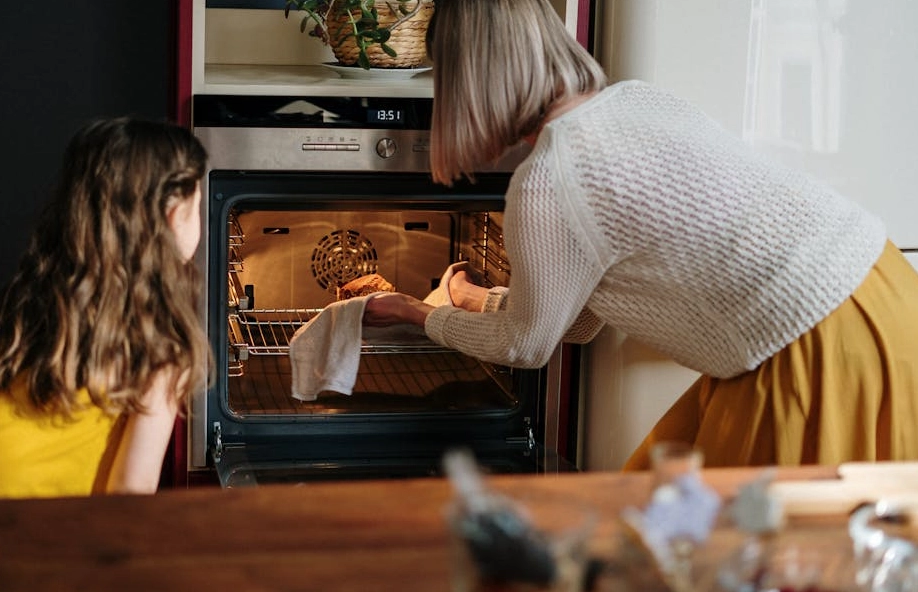
 I've heard you should never open the oven door while baking. Is that really true?
Leave a Comment