It's about the mess, the laughter, and secretly getting them to eat something good for them. I've been baking with my two kids for nearly a decade, and let me tell you, the first batch of "healthy" muffins I made was a disaster—dry, dense, and unanimously rejected. That failure taught me more than any recipe book. The goal isn't to create a sugar-free, gluten-free, taste-free zone. It's about making small, smart swaps that boost nutrition without sacrificing the joy of a warm cookie fresh from the oven. This guide cuts through the Pinterest-perfect fantasy and gives you the real, actionable steps to turn your kitchen into a fun, healthy learning lab.
What's Inside?
Why Baking with Kids is a Secret Health Weapon
Forget the lecture about eating your vegetables. When a child cracks an egg, measures whole wheat flour, or mashes a banana for a recipe, they're building a positive, hands-on relationship with real food. The American Heart Association highlights the importance of reducing added sugars in children's diets, and home baking puts you in complete control of that. You're not just making snacks; you're teaching lifelong skills: math through measuring, science through watching dough rise, and patience through waiting for the timer to ding.
But here's the subtle mistake most parents make: they announce, "Today we're making HEALTHY cookies!" This immediately sets up a bias. Kids hear "healthy" and think "boring" or "yucky." Instead, just bake. Call them "banana chocolate chip bites" or "sunshine muffins." Let the taste win them over first. The nutrition is your little secret.
Getting Kids in the Kitchen: Safety & Task Mastery
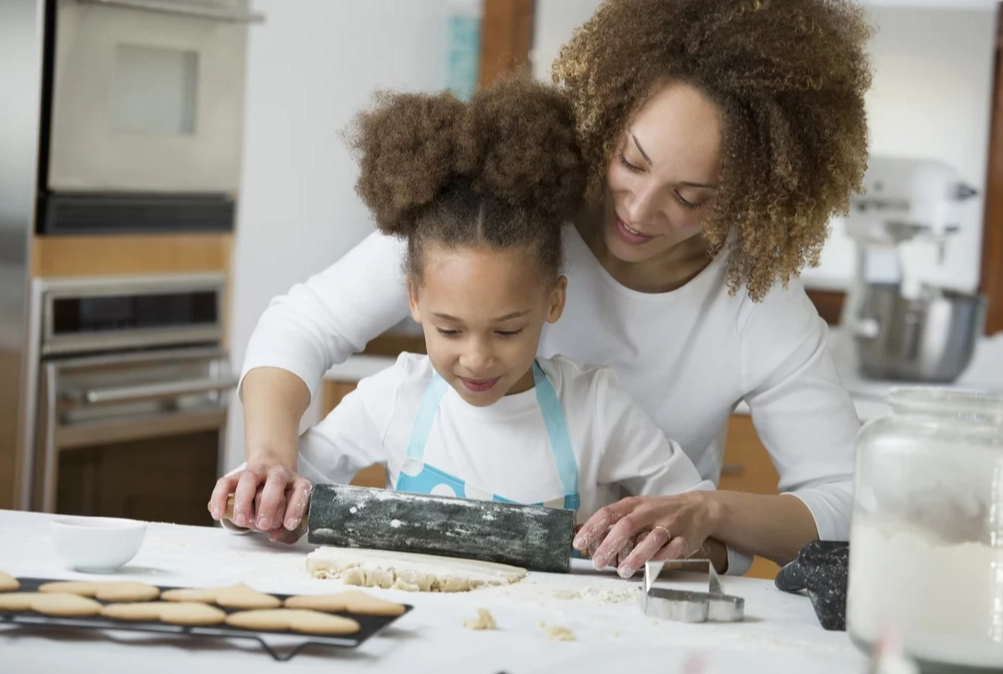
A chaotic kitchen is a stressful kitchen. Success depends on assigning age-appropriate jobs. A three-year-old isn't handling a chef's knife, but they can wash fruit, tear lettuce, or use a cookie cutter. My rule of thumb: if they can follow a two-step instruction, they're ready for a supervised kitchen task.
Toddlers (2-4): Sprinkling oats, washing berries, mashing soft bananas or avocado with a fork, pressing the button on the food processor (with help).
Little Kids (5-7): Measuring dry ingredients with supervision (leveling off cups is a key lesson!), cracking eggs into a separate bowl (to fish out shells), mixing batter with a spatula, using cookie scoops.
Big Kids (8+): Reading the recipe steps, measuring liquids, using a hand mixer with close supervision, rolling dough, setting and monitoring the oven timer.
Invest in a sturdy step stool. It gives them a safe vantage point and a sense of ownership. And always, always have a "wet rag zone" within their reach for quick clean-ups. The mess is inevitable; containing it is the pro move.
The Healthy Baking Pantry: Smart Ingredient Swaps
You don't need to overhaul everything at once. Start with one swap per recipe. The key is understanding why you're swapping, not just following a trend. This table breaks down the most effective, kid-tested changes you can make.
| Instead of This... | Try This... | Why It's Better | Pro Tip |
|---|---|---|---|
| Refined White Flour | White Whole Wheat Flour or Oat Flour | Adds fiber, vitamins, and minerals. White whole wheat is milder in flavor than traditional red whole wheat, so it's a perfect stealth swap. | Start by swapping 1/3 of the white flour. Gradually increase to 50/50 as their palates adjust. |
| Granulated Sugar | Mashed Banana, Unsweetened Applesauce, or Date Puree | Adds natural sweetness with fiber and nutrients, reducing added sugar spikes. A report from Harvard T.H. Chan School of Public Health links high added sugar intake to health risks in kids. | For every cup of sugar, use 1 cup of mashed banana or applesauce, but reduce other liquids in the recipe by 1/4 cup. |
| Butter or Oil | Greek Yogurt, Avocado, or Pumpkin Puree | Lowers saturated fat, adds protein (yogurt) or healthy fats (avocado), and keeps baked goods moist. | Use equal parts swap. Avocado works best in chocolate-based recipes where the green color is hidden. |
| Chocolate Chips | Dark Chocolate Chips (>70%) or Cacao Nibs | Higher in antioxidants, lower in sugar. The bitter note balances sweetness. | Mix half dark chips with half regular chips to start. Kids often can't tell the difference in a baked good. |
| Food Coloring | Natural Powders (Beet, Spinach, Turmeric) | Avoids artificial dyes, which some studies suggest may affect behavior in sensitive children. | For pink frosting, use a teaspoon of beet powder. For green, use spinach powder. The flavor is minimal. |
The biggest win? Involving them in the swap. Let them taste the difference between a white chocolate chip and a dark one. Let them mash the avocado. This turns the "healthy" part into a cool experiment, not a mandate.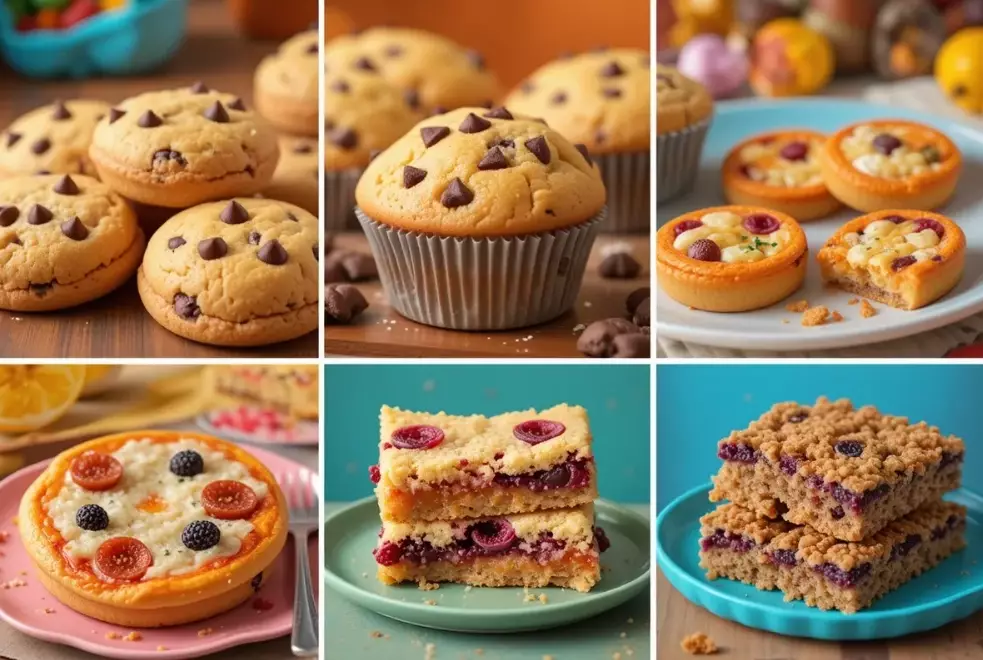
Two No-Fail Recipes to Start With
These are my family's workhorses. They're forgiving, flexible, and packed with hidden goodness.
1. "Monster Mash" Banana Oat Cookies
These are more like baked oatmeal bites than crisp cookies. No flour, no refined sugar, just whole ingredients. My daughter calls them "monster mash" because of all the mashing and stirring.
You'll Need: 2 very ripe bananas, 1.5 cups rolled oats (old-fashioned), 1/4 cup nut butter (peanut, almond, or sunflower), 1/4 cup dark chocolate chips or raisins, 1 tsp vanilla, 1/2 tsp cinnamon.
Kid Jobs: Mashing bananas, measuring oats, stirring in chocolate chips, scooping dough.
How-To: Preheat oven to 350°F (175°C). Mash the bananas in a bowl until smooth. Stir in everything else until combined. Let it sit for 5 minutes so the oats soften. Drop by tablespoonfuls onto a parchment-lined baking sheet. Bake for 12-15 minutes until the edges are golden. Let cool—they firm up as they sit.
The beauty? You can add a handful of shredded zucchini or carrot. They'll never know.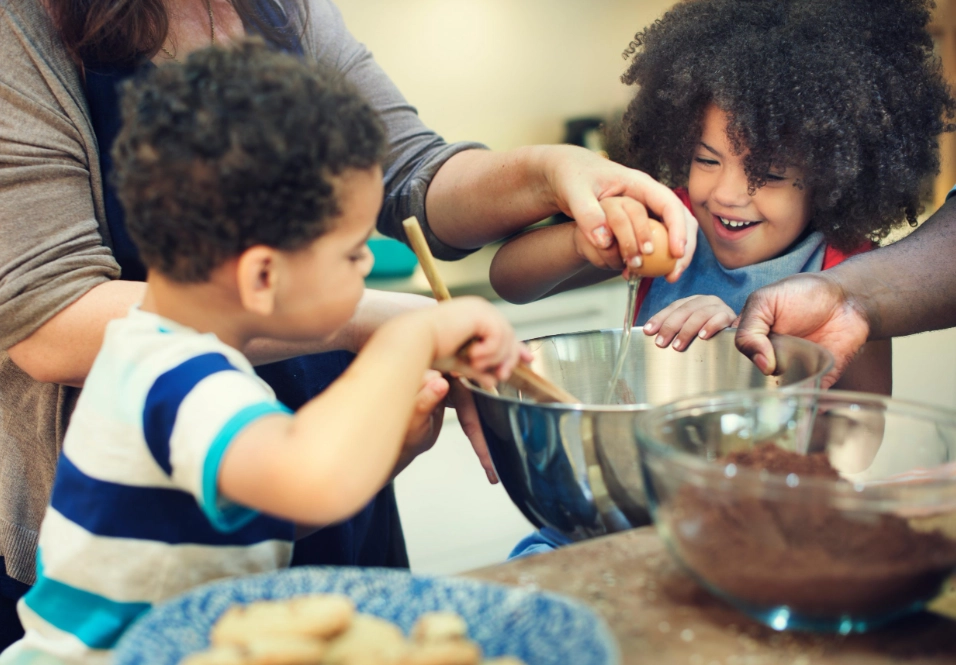
2. "Anything-Goes" Hidden Veggie Muffins
This is a master formula. The base is simple, and the add-ins are where you hide the treasure.
Base: 1.5 cups white whole wheat flour, 1 tsp baking soda, 1/2 tsp salt, 1/2 cup honey or maple syrup, 1/3 cup melted coconut oil or avocado oil, 2 eggs, 1 tsp vanilla, 1 cup grated vegetable (zucchini, carrot, sweet potato—squeezed dry!).
Mix-Ins (choose one): 1 cup frozen blueberries, 1/2 cup chopped apple + 1 tsp cinnamon, 1/2 cup mashed banana + 1/4 cup chopped walnuts.
Kid Jobs: Grating the veggie (older kids), squeezing out the water with clean hands, cracking eggs, mixing wet and dry ingredients, filling muffin cups.
How-To: Whisk dry ingredients. Whisk wet ingredients in another bowl. Combine wet and dry, stir until just mixed, fold in grated veg and your chosen mix-in. Bake at 375°F (190°C) for 18-22 minutes. A toothpick should come out clean.
Freeze half the batch. You've just made your own healthier, cheaper version of store-bought snacks.
Your Tough Questions, Answered
 The cleanup is a nightmare. Any hacks?
Remember, the metric for success isn't a flawless, Instagram-worthy bake. It's the flour on their nose, the debate over who gets to lick the spatula (with safe, eggless batter, of course), and the confidence in their eyes when they pull "their" creation from the oven. Start simple, embrace the mess, and let the healthy part be your delicious little secret.


Leave a Comment