Quick Guide
Let's be honest, when you think of British baking recipes, you might picture a slightly wonky Victoria sponge sitting under a glass dome at your gran's house, or those rock-hard scones you once had at a motorway service station. I know I do. But there's so much more to it than that cliché. The real magic of British baking lies in its comforting simplicity, its history woven into teatimes and celebrations, and the sheer satisfaction of getting a recipe just right. It's not about fancy patisserie techniques (though we've borrowed a few), it's about creating something delicious and shareable from a handful of basic ingredients. Flour, butter, sugar, eggs. Alchemy.
This guide isn't just a list of instructions. It's the result of many years, many failed bakes (my first attempt at hot water crust pastry was a tragic, greasy mess), and conversations with proper bakers. We're going to dig into the classics, uncover the secrets that make them work, and tackle all those annoying questions that pop up mid-bake. Why did my cake sink? Why are my scones like biscuits? Can I use this instead of that? Consider this your one-stop shop for everything traditional British baking.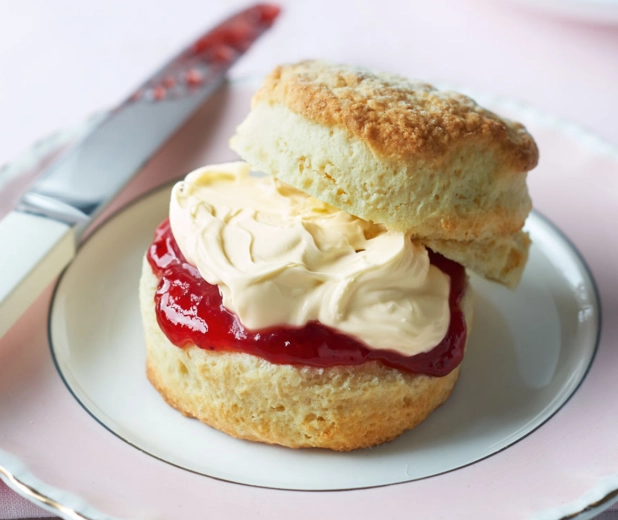
What Makes British Baking, Well, British?
It's a fair question. We didn't invent baking, but we've certainly put our own stamp on it. Think about the context. A damp, cool climate that's brilliant for growing wheat and raising dairy cows. A history of afternoon tea as a social ritual. A post-war mentality of "make do and mend" that applied to the kitchen as much as anywhere else. All of this shaped our baking style.
It's fundamentally hearty, not delicate.
We love a sturdy fruit cake that can last for months. We adore a pie with a thick, savory filling encased in solid pastry. Our puddings are often steamed for hours, resulting in dense, moist sponges. Even our most elegant cake, the Victoria sponge, is a robust thing meant to be sliced generously and eaten with your fingers. It's baking for sustenance and pleasure, often in equal measure. And while trends come and go—sourdough, I'm looking at you—the core repertoire of British baking recipes remains stubbornly, wonderfully popular.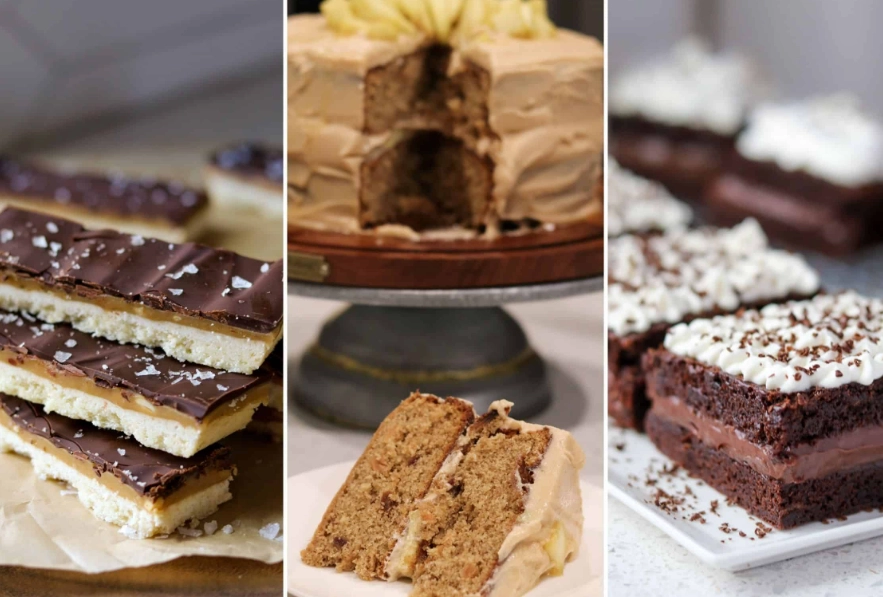
The Non-Negotiable Ingredients in Your British Baking Pantry
You can't build a house without bricks, and you can't master British baking without the right ingredients. And here's the first big tip: British ingredients are sometimes different from their overseas counterparts. Trying to use American cake flour in a British recipe is a one-way ticket to confusion.
Flour is the big one. British plain flour is an all-purpose flour, but it's typically lower in protein (around 9-11%) than American all-purpose flour. This means it produces a more tender crumb, which is what we want for cakes and scones. Strong bread flour has a higher protein content for gluten development. Self-raising flour already has baking powder added. For absolute accuracy in classic recipes, using the flour type specified is crucial. The National Association of British and Irish Flour Millers (NABIM) has detailed technical information on UK flour specifications if you're really into the science.
Butter. Always use unsalted butter. You want to control the salt content yourself. And for the love of all that is holy, use real butter. Margarine might work in a pinch, but the flavor and texture will never be the same. British butter tends to have a slightly higher fat content than some European butters, which contributes to that rich, melt-in-the-mouth quality.
Sugar. Caster sugar is the workhorse—finer than granulated, it creams beautifully with butter and dissolves easily. Demerara or soft light brown sugar is for flavor and moisture in things like gingerbread and fruit cakes. Icing sugar is for, well, icing.
And then there are the dried fruits. The humble currant, the sultana, the raisin. Soaked in tea or brandy, they're the soul of so many bakes.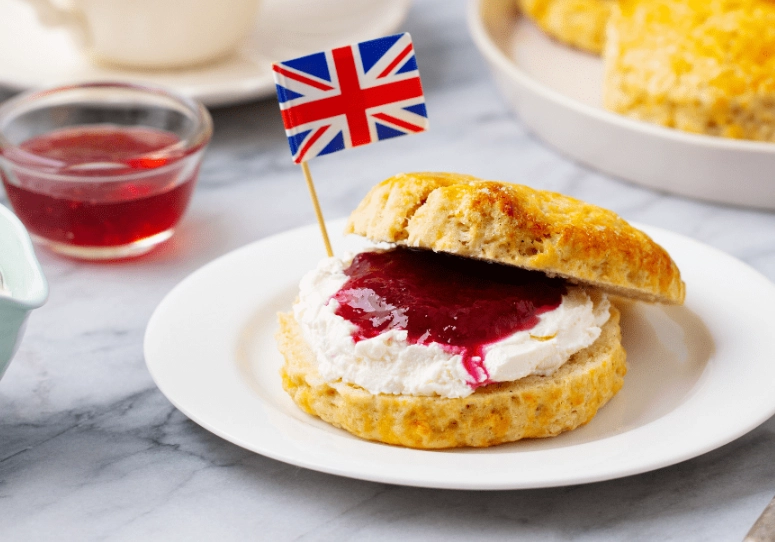
| Ingredient | British Name & Purpose | Common US/CA Substitute (with caveats) |
|---|---|---|
| Flour for Cakes | Plain Flour (All-purpose, lower protein). For tender crumb. | All-purpose flour may work, but results can be slightly tougher. For a closer match, use ⅔ AP flour + ⅓ cake flour. |
| Flour for Bread | Strong Bread Flour (High protein). For good gluten development. | Bread flour. This is usually a direct substitute. |
| Raising Agent | Self-Raising Flour (Plain flour + baking powder). | For 150g SR flour, use 150g all-purpose flour + 1¾ tsp baking powder (sifted together). |
| Superfine Sugar | Caster Sugar. Essential for light sponges. | Granulated sugar blitzed in a food processor for 30 seconds. Don't turn it to powder. |
| Dark Syrup | Golden Syrup or Black Treacle. Unique flavor, moisture. | For golden syrup: light corn syrup OR honey (flavor changes). For black treacle: molasses (stronger, use slightly less). |
The Essential Toolkit (No Fancy Gadgets Required)
You don't need a kitchen full of single-use appliances. My most-used tools are reassuringly basic:
- Digital Scales: This is non-negotiable. Baking is chemistry. Measuring cups are infuriatingly imprecise for flour. Get scales. They're cheap.
- A Large Mixing Bowl: Preferably ceramic or glass. It feels right.
- A Wooden Spoon & a Flexible Spatula: For creaming, folding, and scraping every last bit of batter out.
- Rolling Pin: A simple, straight wooden one.
- Baking Trays & Tins: Heavy-duty is best. Thin trays warp and cause uneven baking. Lining them with parchment paper is a game-changer for cleanup.
- Wire Cooling Rack: Letting steam escape is what stops a cake from becoming soggy.
See? Nothing scary. With these basics, you're equipped to tackle about 95% of all classic British tea time recipes.
Five Pillar British Baking Recipes You Absolutely Must Master
These are the classics. The ones that, once you've got them down, give you the confidence and skills to bake almost anything else. Let's break them down, warts and all.
The Victoria Sponge: The Litmus Test
If you can only learn one British cake, make it this. It's the benchmark. A good Victoria sponge should be light as a feather, with an even, golden crust and a tender crumb. It should taste of butter and eggs and vanilla, not of baking powder. The classic filling is raspberry jam and whipped cream. The BBC Food recipe is a reliable standard, but here's where people go wrong:
Another tip? Weigh your eggs in their shells. The traditional "equal weights of butter, sugar, flour, and eggs" method is foolproof. If your eggs weigh 200g, use 200g of everything else. Simple.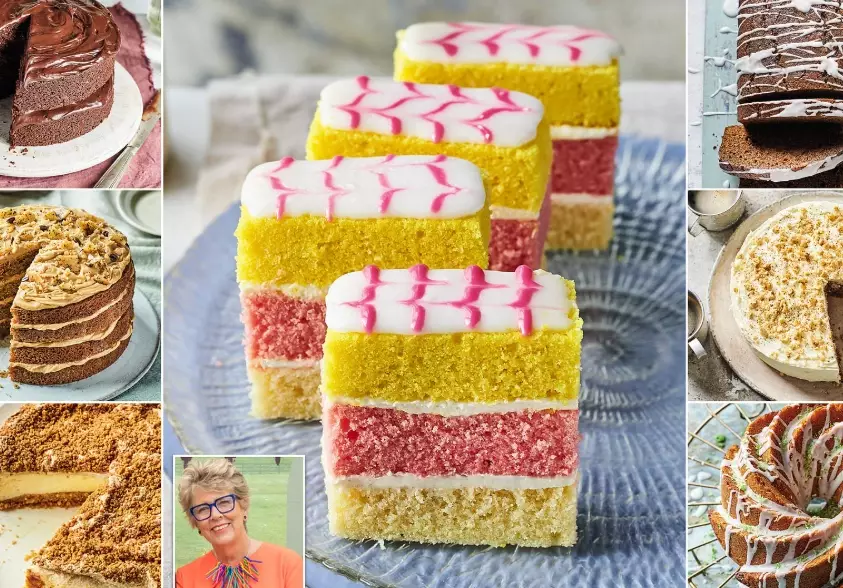
The Scone: A Hill Worth Dying On (Cream or Jam First?)
Scones cause more arguments than politics. Texture is key—they should be slightly crumbly, soft inside, with a just-baked, floury top. The main enemy is overworking the dough. You're not kneading bread; you're just bringing a shaggy dough together.
- Use cold butter, grated into the flour. It creates little pockets of fat that steam in the oven, creating flakiness.
- Use buttermilk or full-fat milk with a squeeze of lemon juice for acidity. It reacts with the raising agent for a better rise.
- Mix the wet into the dry with a knife until it just comes together. Then turn it out and pat it—don't roll it—to about 2.5cm thick.
- Cut straight down with a sharp cutter. Don't twist it, or you'll seal the edges and prevent a good rise.
- Place them touching on the tray for softer sides, or apart for crustier sides. Brush the tops with milk or beaten egg.
- Bake in a very hot oven (220°C/425°F) for a short time. They should be golden and sound hollow when tapped underneath.
Now, the Devonshire vs. Cornwall debate.
In Devon, they split the scone, spread clotted cream first, then top with jam. In Cornwall, it's jam first, then cream. I'm a Devon method person. The cream acts like butter, a base for the sweet jam on top. Doing it the other way feels... messy. But I won't judge you (much). The important thing is to use proper clotted cream if you can find it. It's non-negotiable.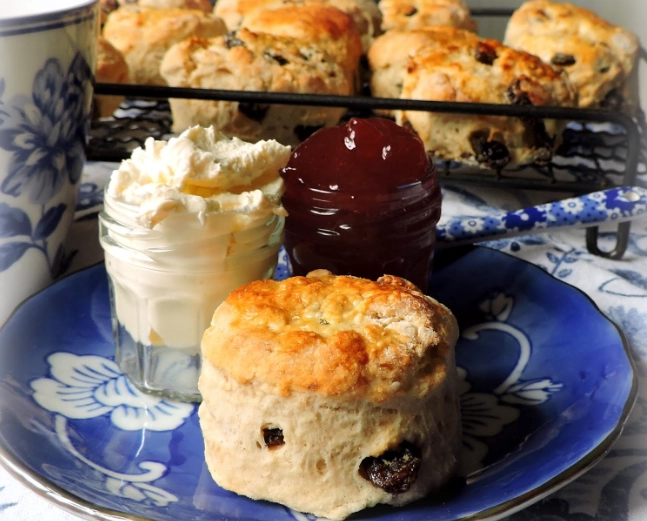
The Cornish Pasty: Savory Baking Perfection
Moving into savory territory, the pasty is a masterclass in portable, hearty food. The traditional filling is simple: diced beef (skirt or chuck), potato, swede (rutabaga), and onion, seasoned with salt and pepper. The pastry is shortcrust—flour, fat (lard, butter, or a mix), water, and a pinch of salt. The skill is in the crimp.
The thick, rope-like edge along the top wasn't just for looks. Miners would hold the pasty by the crimp, eat the main body, and then discard the dirty edge. Genius. The pastry needs to be robust enough to hold the filling and juices without going soggy. A good trick is to chill the filled pasties for 20 minutes before baking to firm up the fat in the pastry, which leads to a flakier result. The official Cornwall Council website has the protected recipe (PGI status), which is a fascinating read for purists.
Bread and Butter Pudding: The Ultimate Rescue Bake
This is the epitome of frugal, comforting British baking. Stale bread, a custard of milk, cream, eggs, and sugar, a handful of raisins, and a good grating of nutmeg. It's impossible to mess up, really. The key is to let the bread soak up the custard mixture for at least 30 minutes before baking. I like to use brioche or challah if I have it—it makes it incredibly rich. Some people add marmalade or chocolate. I'm a traditionalist here. The joy is in its simplicity.
Welsh Cakes: The Griddle Cake Gem
Often overlooked, these are a personal favorite. They're like a cross between a scone, a pancake, and a cookie, cooked on a griddle or heavy frying pan. The dough is similar to a scone dough, studded with currants or raisins, and spiced with nutmeg and mace. You roll them out, cut them into rounds, and cook them for a few minutes each side until golden brown and cooked through. They're best eaten warm, dusted with caster sugar. They keep surprisingly well in a tin, but good luck with that—they never last long in my house.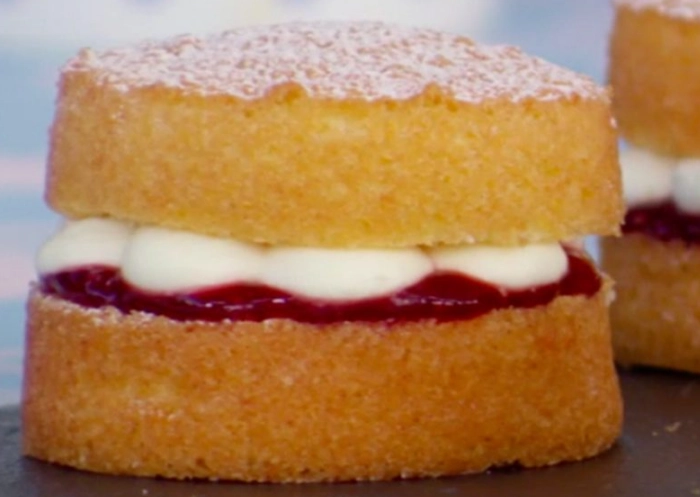
Your British Baking Problems, Solved (The FAQ You Actually Need)
These are the questions I get asked all the time, or have desperately Googled myself mid-baking panic.
Why did my cake sink in the middle?
Oh, the heartbreak. The main culprits are: 1) Under-baking (the structure hasn't set). Use a skewer—it should come out clean. 2) Opening the oven door too early (the sudden drop in temperature collapses the delicate foam). Don't peek for at least the first ¾ of the baking time. 3) Too much raising agent (it rises too fast, then collapses). Measure accurately. 4) Under-whisking the butter and sugar (not enough air incorporated). Cream it until it's really pale and fluffy.
My pastry is tough and chewy, not short and crumbly. Help!
You've overworked it and developed the gluten. Use very cold ingredients, handle the dough as little as humanly possible, and let it rest in the fridge for at least 30 minutes before rolling. This relaxes the gluten. Also, the fat-to-flour ratio matters. A good shortcrust is 2 parts flour to 1 part fat (by weight).
Can I freeze baked goods?
Absolutely, and you should! Most unfilled cakes (sponges, fruit cakes), unbaked scone dough (freeze on a tray then bag), and pastry freeze brilliantly. Thaw at room temperature. For cakes, you can even freeze slices wrapped individually—perfect for a sudden craving. The UK Food Standards Agency has clear guidelines on safe freezing and thawing times.
What's the difference between baking powder and bicarbonate of soda?
Bicarbonate of soda (baking soda) needs an acid (like buttermilk, yogurt, lemon juice, golden syrup) to activate and produce carbon dioxide. Baking powder contains both an acid and a base, so it activates with liquid and heat (double-acting). In many British baking recipes, you'll see them used together—the soda reacts with the acid in the recipe for immediate lift, and the powder gives an extra boost in the oven.
My fruit always sinks to the bottom of the cake. How do I stop it?
Toss your dried fruit in a tablespoon of the weighed-out flour before folding it into the batter. The light coating of flour helps suspend them in the mixture. Also, make sure your batter isn't too thin or slack.
Taking It Further: Tweaks, Trends, and Trusted Resources
Once you're comfortable with the classics, you can start playing. Swap the raspberry jam in your Victoria sponge for lemon curd. Add orange zest and dark chocolate chunks to your scone dough. Make mini pasties with different fillings. The framework of these traditional British baking recipes is wonderfully adaptable.
And what about trends? Sourdough had its moment, but the principles of long fermentation can be applied to British breads like a classic tin loaf for incredible flavor. The focus on seasonal, local produce has seen a revival of old recipes using foraged berries or heritage grains. It's an exciting time to bake.
For diving deeper, I always recommend a few trusted sources beyond the classic cookbooks. The British Baking Academy site has fantastic online courses and detailed technique guides. For reliable, tested recipes that just work, the BBC Good Food website is a treasure trove. And sometimes, the best resource is an old community cookbook from a church fete—those recipes have been made and perfected by generations of home bakers.
So, there you have it. A world of floury hands, warm kitchens, and the unbeatable satisfaction of pulling a perfect bake from the oven. It's not about being the best. It's about the process, the sharing, and that first bite. Now, go preheat your oven. Your next great British baking recipe adventure awaits.

Leave a Comment