Let's be honest. Most students approach baking like a hopeful experiment. You follow a recipe, cross your fingers, and hope the oven magic works. Sometimes it does. Often, it doesn't. The difference between a sunken cake and a perfect loaf isn't luck—it's science. Baking is applied chemistry and physics in your kitchen. Understanding the kitchen chemistry behind your ingredients turns you from a recipe follower into a confident baker who can troubleshoot, adapt, and truly create. This isn't about memorizing facts; it's about giving you the tools to understand the 'why' so you can master the 'how'.
What You'll Learn in This Guide
Why Baking is a Science (Not Just Art)
Cooking allows for improvisation. A pinch more of this, a dash less of that. Baking demands precision. Why? Because you're orchestrating complex chemical and physical reactions that must happen in a specific sequence and environment to create a specific structure.
Think of a cake. You're building a delicate, edible foam—a network of proteins (gluten, eggs) that traps millions of tiny gas bubbles produced by your leavening agents. The sugar and fat interfere with that protein network to keep it tender. The heat of the oven then sets this entire fragile structure permanently. Change one variable—the mixing method, the ingredient temperature, the oven hot spot—and the entire architecture can fail.
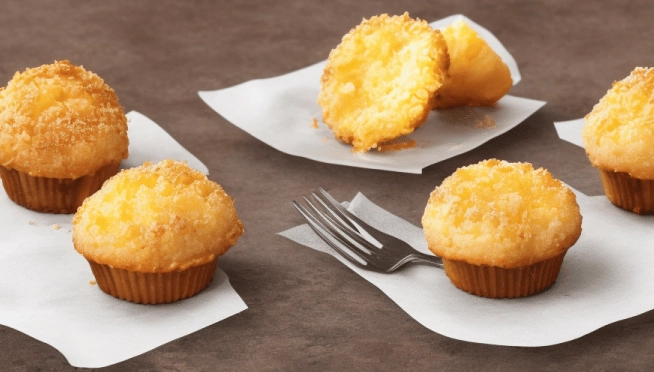
I learned this the hard way in my first apartment. I tried to make muffins but didn't have a mixer. I figured more stirring would make them fluffier. Wrong. I developed way too much gluten, and the result was dense, tough hockey pucks. The recipe didn't say "mix just until combined" for poetic reasons. It was a chemical instruction.
Essential Baking Ingredients and Their Scientific Roles
Every ingredient in your bowl is a chemical with a job. Here’s what they're really doing.
Flour: The Structural Framework
Flour isn't just powder. Its main proteins, glutenin and gliadin, combine with water to form gluten. Gluten is a stretchy, elastic network—the steel rebar of your bake. For chewy bread, you want lots of strong gluten. For tender cake, you want to minimize gluten development (that's why cake flour has less protein). Over-mixing a muffin batter develops gluten and makes it tough. It's a texture controller, not just a filler.
Sugar: More Than Just Sweetness
Sure, it sweetens. But its roles are vast:
- Moisture Keeper: Sugar is hygroscopic—it loves water. It bonds with water molecules, preventing them from evaporating too quickly, which keeps baked goods soft and moist longer.
- Tenderizer: It interferes with gluten formation and egg protein coagulation, leading to a softer crumb.
- Color & Flavor: Through the Maillard reaction and caramelization, sugar browns and creates complex flavors when heated.
- Leavening Helper: When creamed with butter, sugar helps trap air, contributing to rise.
Fats (Butter, Oil, Shortening): The Tenderizers
Fats coat flour proteins, physically preventing them from forming long, tough gluten strands. This is called "shortening" the gluten, which is where shortening gets its name. Butter, solid at room temp, can also hold air when creamed, aiding leavening. Oil, liquid at room temp, often creates a more moist, dense crumb. The choice isn't just about flavor; it's about texture science.
Eggs: The Multi-Taskers
Eggs are a baking powerhouse. The proteins coagulate (set) when heated, providing structure. The yolks are packed with emulsifiers (lecithin) that help bind water and fat together for a smooth batter. They add richness, color, and moisture. In angel food cake, the whipped egg whites (foam) are the primary leavening agent.
Leavening Agents (Baking Soda, Baking Powder, Yeast): The Lift Engineers
These create the gas bubbles that make your bake rise.
| Agent | How It Works (The Science) | When to Use It | Critical Note |
|---|---|---|---|
| Baking Soda | Needs an ACID (buttermilk, yogurt, lemon juice, brown sugar, honey) to react. Produces CO2 gas immediately upon mixing. | Recipes with a clear acidic component. Provides a quick, spreadier lift (think cookies). | If there's no acid, it won't react fully, leaving a metallic, soapy taste. Measure precisely. |
| Baking Powder | Contains baking soda + a dry acid (like cream of tartar). Double-acting types react twice: once when wet, once when hot. | Recipes with neutral or unknown acidity (most cakes, muffins). More forgiving and predictable. | Can lose potency over time. Test it by mixing 1 tsp with hot water—it should fizz vigorously. |
| Yeast | Living microorganisms that eat sugars and produce CO2 gas and alcohol over time (fermentation). | Breads, rolls, anything requiring a long, slow rise and complex flavor development. | Temperature sensitive. Too hot (≈140°F/60°C+) kills it; too cold slows it down dramatically. |
Common Baking Problems and the Science Behind Fixing Them
Let's diagnose some classic student baking fails.
My Cake is Dense and Sunken in the Middle
The Science: This is often a leavening or structure issue. Too much liquid or sugar can weaken the gluten/egg structure so it can't hold the air bubbles. The bubbles expand in the heat, then collapse before the structure sets. Under-baking is another culprit—the center never sets. Over-mixing can develop gluten in a cake batter, making it tough and inhibiting rise.
The Fix: Check your leavener isn't old. Measure flour correctly (spoon and level, don't scoop!). Don't over-mix once the dry ingredients are added. Use an oven thermometer to ensure correct temperature. The cake is done when a skewer comes out with a few moist crumbs, not wet batter.
My Cookies Spread Into One Giant Flat Cookie
The Science: Butter was too warm. If your butter is melted or very soft, it can't hold the air creamed into it, and it simply melts too quickly in the oven before the structure sets, leading to spread. Conversely, not enough flour or too much sugar can also cause excessive spread.
The Fix: Use room-temperature butter (about 67°F/19°C)—it should hold a finger indent but not be shiny or oily. Chill your dough before baking. This solidifies the fat so it takes longer to melt in the oven, allowing the outside to set first.
My Bread Didn't Rise
The Science: The yeast is dead or inactive. This could be from old yeast, liquid that was too hot and killed the yeast, or a lack of food (sugar) for the yeast to eat. Alternatively, the environment was too cold for fermentation to proceed at a noticeable pace.
The Fix: Always "proof" your yeast if you're unsure. Dissolve it in warm water (105-115°F/40-46°C) with a pinch of sugar. It should become foamy within 5-10 minutes. If not, start over with new yeast. Let dough rise in a warm, draft-free spot.
How to Apply Baking Science for Better Results
Knowledge is useless without action. Here’s how to bake like a scientist.
1. Mise en Place & Precision
Get everything measured and ready before you start. Use a digital kitchen scale. Volume measurements (cups) for flour are notoriously inconsistent. Weight (grams) is precise. According to resources from the Institute of Food Technologists (IFT), consistency in measurement is the first step to reproducibility in food science—and baking.
2. Understand Your Mixing Method
Each method is designed to control ingredient interaction.
- Creaming Method (butter & sugar): Traps air for leavening. Butter must be the right temperature.
- Muffin Method (wet into dry): Minimizes gluten development for tenderness. Mix only until just combined—lumps are fine.
- Biscuit Method (cutting fat into flour): Keeps fat cold to create flaky layers when it melts in the oven.

3. Control Temperature Religiously
This is a huge one most students ignore. Room-temperature eggs and dairy incorporate into batters more evenly, creating a better emulsion. Cold butter is for flakiness. Warm butter is for spread. Your oven's actual temperature is critical—get an inexpensive oven thermometer. A 25°F difference can ruin a bake.
4. Learn to Read, Not Just Follow, a Recipe
A good recipe is a scientific protocol. The order of operations matters. When it says "alternate adding dry ingredients and milk," it's to prevent over-mixing and ensure even incorporation. Now you know why.
Your Baking Science Questions Answered
 My baked goods always turn out dry. Am I over-baking?
 How can I make my baking more moist without making it dense?

Leave a Comment