Let's be honest. The idea of making pastry dough from scratch can be intimidating. You've probably heard the horror stories—tough crusts, soggy bottoms, butter that melts into a greasy puddle. I've been there. My first attempt at a pie crust was so hard you could have used it as a doorstop. But after years in professional kitchens and countless home experiments, I can tell you this: perfect pastry dough is not magic. It's a simple formula of cold, fat, flour, and a bit of know-how that most recipes gloss over.
This guide is different. We're going beyond the basic recipe. We'll dig into the why behind every step, expose the subtle mistakes that ruin a dough (like over-handling when you think you're being gentle), and give you a framework that works for pies, tarts, and quiches alike. Forget anxiety; let's get baking.
What You'll Learn Inside
The Non-Negotiable Ingredients & Why They Matter
You only need four core ingredients. The trick is understanding their role so you can't fail.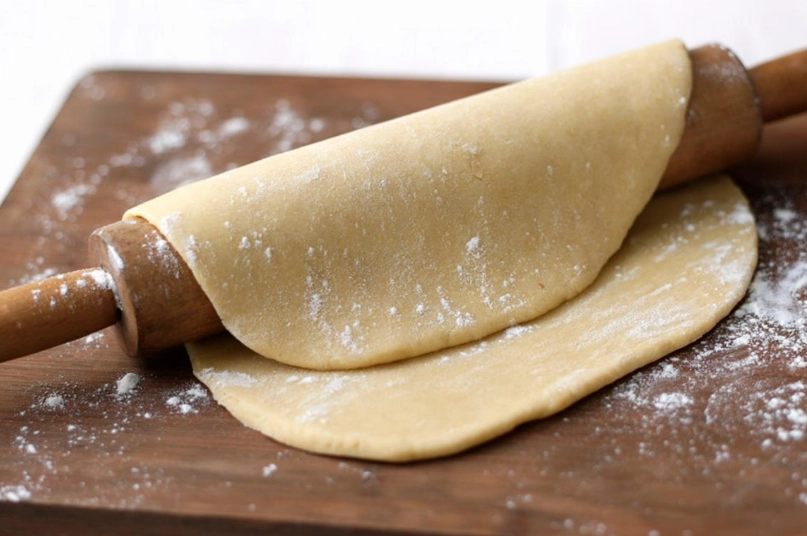
Flour: The Foundation
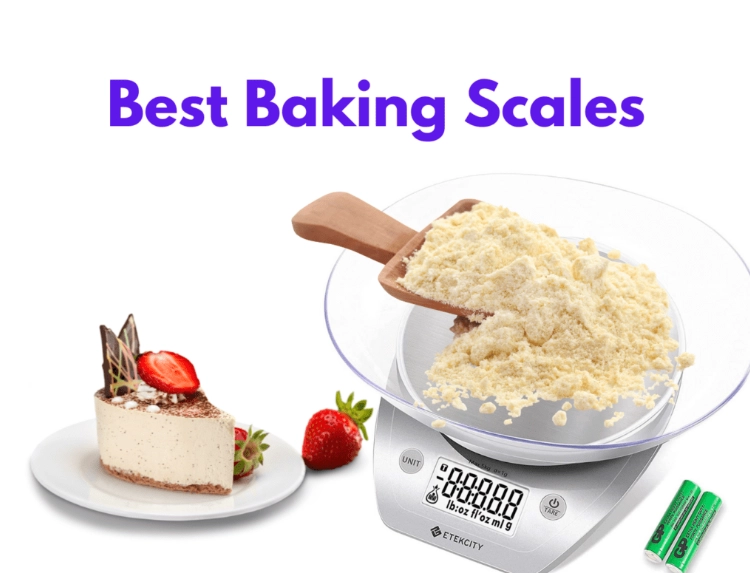
All-purpose flour is the gold standard. Its moderate protein content (around 10-12%) gives structure without making the dough tough. Cake flour is too weak; bread flour is too strong. For a slightly more tender crust, you can substitute 10-15% of the AP flour with pastry flour. I avoid pre-sifted flour. I always fluff, spoon, and level my measuring cup for consistency, or better yet, use a scale. 125 grams per cup is a reliable standard.
Fat: The Source of Flakiness and Flavor
This is where the battle lines are drawn. The choice of fat defines your dough's character.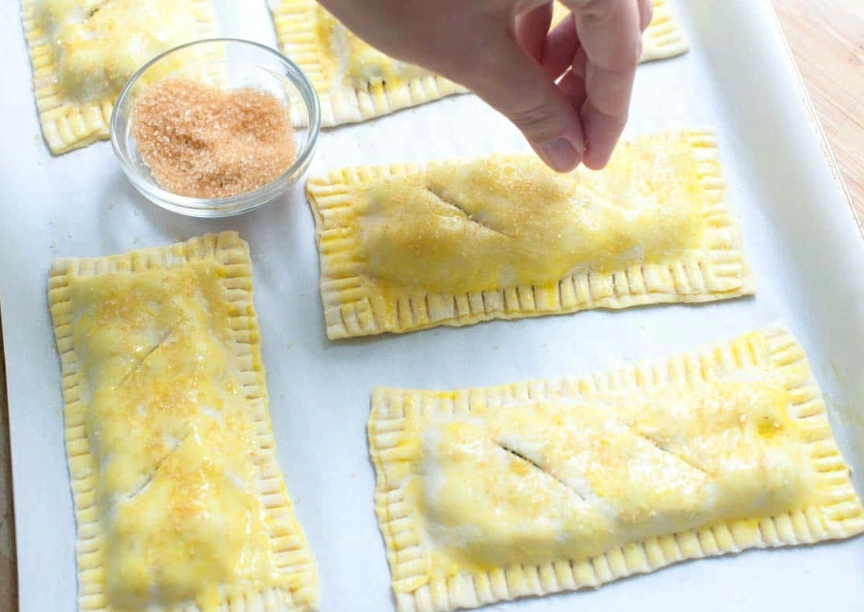
| Fat Type | Best For | Flavor & Texture Profile | Expert Tip |
|---|---|---|---|
| Unsalted Butter | Classic pies, tarts, elegant pastries | Rich, superior flavor, distinct flaky layers. | European-style butter (higher fat, lower water) is a game-changer for tenderness. |
| Vegetable Shortening | Very flaky, sturdy pie crusts | Neutral flavor, creates a more crumbly, tender texture due to higher melting point. | Often used in a 50/50 blend with butter for the "best of both worlds" crust. |
| Lard (Rendered Pork Fat) | Traditional, rustic pies (e.g., British pork pies) | Unbeatable flakiness, slight savory note. | Source high-quality leaf lard for a clean, neutral taste. It makes an incredibly tender crust. |
My personal favorite? A 3:1 ratio of butter to shortening. You get the butter flavor with the shortening's insurance policy against a tough crust.
Liquid: The Binder
Ice water. Not cold tap water. Ice water. The goal is to hydrate the flour just enough to bring it together while keeping the fat solid. I add 1-2 tablespoons of vodka or vinegar to my ice water (about a tablespoon total for a double crust). The alcohol/vinegar inhibits gluten development (tender!) and evaporates during baking. It's a trick from Cook's Illustrated that works.
Salt: The Flavor Enhancer
Fine sea salt or table salt. It's not just for taste; it strengthens gluten slightly. Always dissolve it in your liquid first to ensure even distribution. No one wants a salty bite in one corner of their pie.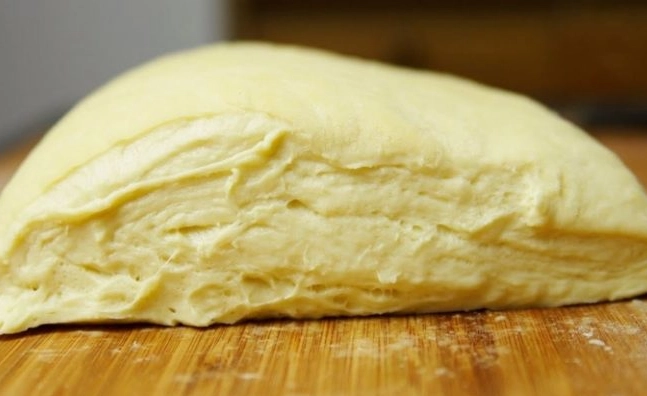
Pro Tool Alert: While you can use a pastry blender or your fingers, a food processor is the single best tool for a beginner. It cuts the fat into the flour in seconds, minimizing heat transfer from your hands. Pulse, don't run it continuously.
The Step-by-Step Process: A Visual Walkthrough
Here’s the method, slowed down. Imagine you're doing this with me.
1. The Chill Prep (Not Optional)
Cube your butter/shortening and stick it in the freezer for 15 minutes. Measure your water, add salt (and vodka/vinegar if using), and drop in ice cubes. Have your flour ready. A cold start is a good start.
2. Cutting In the Fat
Whisk your flour in a large bowl or food processor. Scatter the frozen fat cubes over the flour. If using a processor, pulse 10-12 times until the mixture looks like coarse sand with pea-sized lumps of fat. Those lumps are your future flakiness. If by hand, use a pastry blender or snap the fat between your fingertips quickly. You're not making a homogenous paste.
3. Adding the Liquid – The Critical Moment
Drizzle in half your ice water (no ice cubes!). Pulse or stir with a fork. The dough will look shaggy and dry. Add more water, a tablespoon at a time, just until the dough holds together when you pinch it. This is where people fail by adding too much water. It's better to be a bit dry; you can always press it together later.
4. Bringing It Together & Chilling
Dump the crumbly mixture onto a clean surface. Use your hands to gather and press it into a cohesive mass. Do not knead. Fold it over itself once or twice to create layers. Flatten into a disc (for a pie) or a rectangle (for tarts). Wrap tightly in plastic. Refrigerate for at least 2 hours, ideally overnight. This relaxes the gluten and re-solidifies the fat. Skipping this leads to a shrinking, tough crust.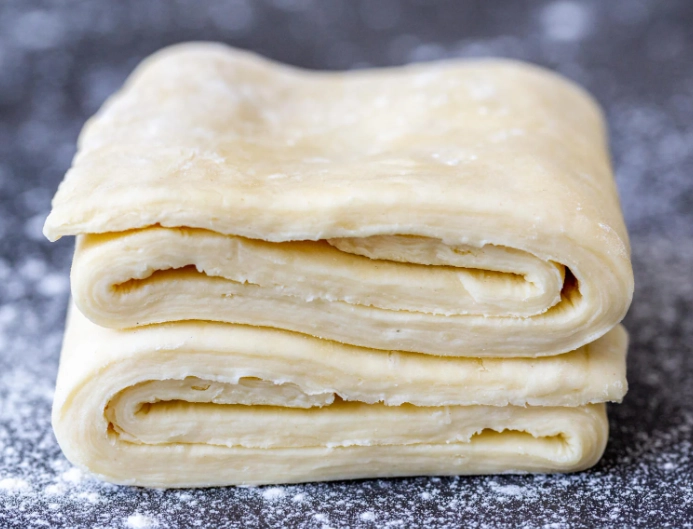
Top 3 Pastry Dough Mistakes & How to Fix Them
These aren't in most recipes, but they're real.
Mistake 1: Warm Hands, Warm Kitchen
Your biggest enemy is heat. If your kitchen is hot, work in bursts and chill the bowl and tools beforehand. I sometimes run my hands under cold water and dry them thoroughly before starting.
Mistake 2: Overworking After Adding Water
Once the water hits the flour, gluten starts forming. The more you work it, the tougher it gets. Mix until *just* combined. It's okay if there are dry spots; they'll hydrate in the fridge.
Mistake 3: Rolling Directly from the Fridge
A rock-hard disc will crack. Let it sit on the counter for 5-10 minutes until it's pliable but still cold. Roll from the center out, turning the dough a quarter turn after each roll to maintain an even circle. Use just enough flour to prevent sticking.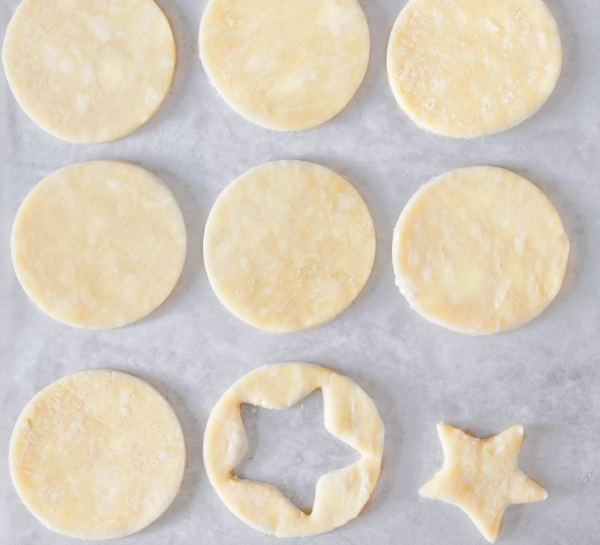
Watch Out: Re-rolling scraps more than once makes for a tough bottom layer. Try to roll it right the first time. If you must re-roll, layer the scraps gently on top of each other, don't ball them up.
Shaping, Blind Baking, and Finishing Like a Pro
You've made the dough. Now let's use it.
Blind Baking for a Crisp Bottom
Essential for custard pies (like pumpkin) or any fillings that won't be baked long. Roll out your dough, fit it into the pan, and chill again for 30 minutes. Preheat your oven with a baking sheet inside. Line the chilled shell with parchment paper or foil and fill with pie weights (dry beans or rice work). Bake on the hot sheet for 15-20 minutes, then remove weights and parchment and bake 5 more minutes until dry. This sets the crust.
The Egg Wash Secret
For a golden, shiny top crust, brush with an egg wash (1 egg beaten with 1 tbsp water or milk). Do this just before baking. For a sparkly finish, sprinkle with coarse sugar after the egg wash.
Venting is Crucial
For double-crust pies, cut slits in the top. They're not just decorative; they let steam escape so your pie doesn't explode or get soggy. Make them generous.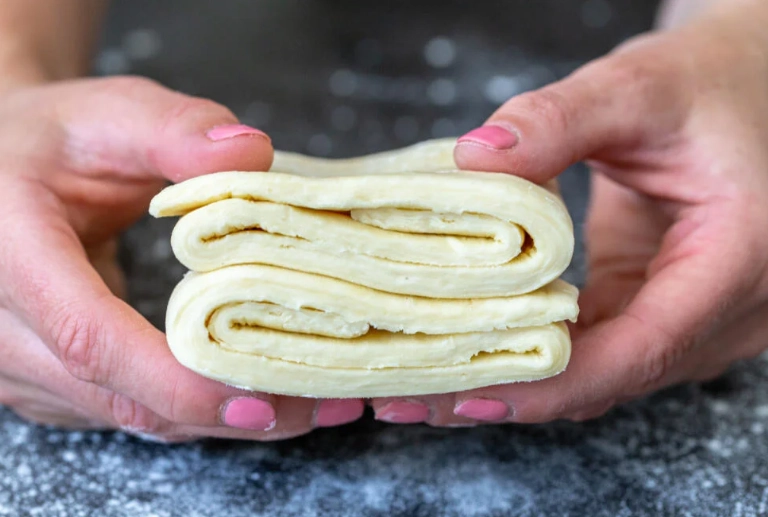
Your Pastry Dough Questions, Answered
The journey to perfect pastry dough is one of practice and feeling. Start with the basic formula, pay attention to temperature and handling, and don't fear the mistakes—they're your best teachers. Now, go preheat your oven. That apple pie isn't going to bake itself.


Leave a Comment