Quick Navigation
- Why This Easy Sugar Cookie Recipe Actually Works
- The Simple Ingredients (& Why Each One Matters)
- Step-by-Step Guide to Foolproof Easy Sugar Cookies
- Easy Sugar Cookie Icing & Decorating Ideas (No Artistic Skill Required)
- Troubleshooting Your Easy Sugar Cookie Recipe
- Storing and Freezing for Lasting Freshness
- Frequently Asked Questions (FAQs)
- Final Thoughts: Keeping Baking Simple and Fun
Let's be real. You've probably clicked on a dozen "easy" sugar cookie recipes before landing here. I know I have. And more often than not, they promise simplicity but deliver a kitchen counter covered in flour, dough that's too sticky or too crumbly, and cookies that spread into weird, flat blobs in the oven. Not exactly the picture-perfect, soft, sweet treats you had in mind, right?
This is different. I'm not a professional pastry chef. I'm someone who just really loves cookies and, after a lot of trial and error (and some genuine frustration), finally cracked the code for a truly easy sugar cookie recipe that actually works. Every single time. The goal here isn't just to give you a list of ingredients and steps. It's to walk you through the why behind each step, so you understand the process and can fix things if they go a little sideways. Because even easy baking has its moments.
We're going to cover everything. The simple ingredients you likely already have, the one mixing method that prevents spreading, how to get that perfect soft texture (not cakey, not crunchy), and of course, the easiest ways to decorate them without needing an art degree. This is your all-in-one guide to mastering simple, delicious sugar cookies.
Why This Easy Sugar Cookie Recipe Actually Works
Most failed sugar cookies fail for a few common reasons: they spread too much, they're tough, or they taste blandly of flour. This recipe is built to avoid those pitfalls from the ground up. The secret isn't one magical ingredient—it's the balance and the technique.
First, the fat. We use butter, but it's creamed with sugar just until combined, not until super light and fluffy. Over-creaming incorporates too much air, which can lead to collapse and spread. We want tender, not puffy. Second, we use a combination of baking powder and a touch of baking soda. The baking powder gives lift, while the tiny bit of soda promotes browning for that perfect golden edge. Third, and this is crucial, we chill the dough. I know, waiting is the worst part of any easy sugar cookie recipe. But it's non-negotiable. It solidifies the fat, which controls spread. Trust me on this.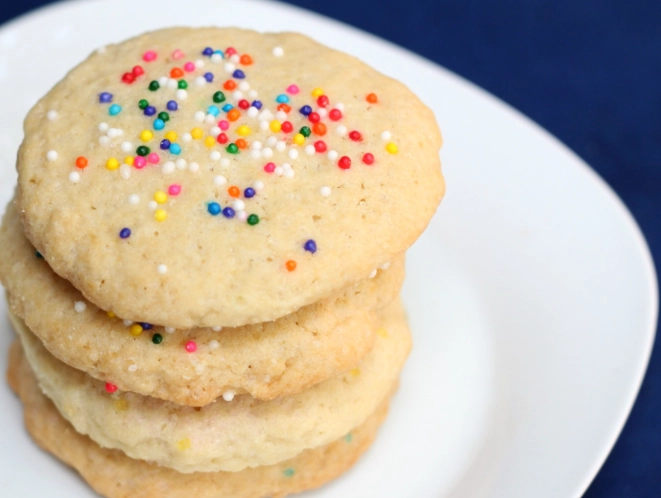
Finally, we use a higher ratio of flour to wet ingredients than some recipes. This creates a sturdier dough that's still tender when baked, perfect for rolling, cutting, and decorating. It's the foundation for a soft sugar cookie that can hold royal icing or a simple glaze without becoming a soggy mess.
The Simple Ingredients (& Why Each One Matters)
Here's the beautiful part of this easy sugar cookie recipe: you don't need anything fancy. Let's break down the cast of characters sitting in your pantry right now.
Unsalted Butter: This gives flavor and tenderness. I insist on unsalted so you control the salt level. It must be at cool room temperature—think able to make a slight indentation with your finger, but not soft, shiny, or oily. If it's too warm, your dough will be a greasy nightmare.
Granulated Sugar: Sweetens, obviously, but also helps create a tender crumb by interfering with gluten formation. We're not using powdered sugar here, which can make cookies more tender but also more fragile.
Large Egg: One egg binds everything together and adds structure and richness. Make sure it's at room temperature to mix in smoothly.
Pure Vanilla Extract: The flavor backbone. Don't skimp. Imitation vanilla just tastes... off. This is where a lot of the classic sugar cookie flavor comes from.
All-Purpose Flour: The structure. I've had great results with standard brands like Gold Medal or store brands. For consistently measured flour, I strongly recommend the "spoon and level" method: spoon flour into your measuring cup and level it off with a knife. Scooping directly packs it down and can lead to dry, tough cookies. For a deep dive on flour science, resources like King Arthur Baking's flour guide are incredibly helpful.
Baking Powder & Baking Soda: Our leavening team. They create tiny air bubbles for lift. Make sure your baking powder is fresh (test it by dropping a bit in hot water—if it fizzes, it's good).
Salt: The flavor enhancer. It makes the sweet and vanilla notes pop. Never omit it.
See? Nothing weird. No cream of tartar, no almond extract unless you want it (I sometimes add 1/4 teaspoon for complexity), no cornstarch. Just straightforward, reliable ingredients.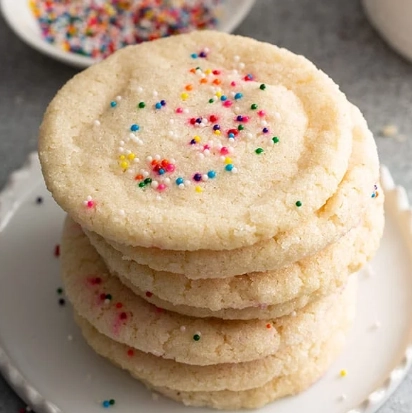
Ingredient Substitutions: Can I Make Changes?
You might be wondering about swaps. Here's the real talk on common substitutions for this easy sugar cookie recipe.
A Word on Butter vs. Shortening: Some recipes use shortening for zero-spread cookies. It works, technically. But I find the flavor and mouthfeel of shortening cookies to be... waxy and lacking. Butter gives superior flavor. Our chilling method controls the spread just fine. If you're dairy-free, a high-quality vegan butter stick (the kind meant for baking) can work, but results may vary slightly.
Gluten-Free? You can try a 1:1 gluten-free all-purpose flour blend. Look for one with xanthan gum already included. The dough may be a bit more crumbly, so handle gently.
Out of vanilla? In a pinch, you could use an equal amount of almond extract, but the flavor profile changes completely. It's a different, though still delicious, cookie.
The bottom line: for your first batch, follow the recipe as written. It's a proven formula. Once you've mastered it, then play around.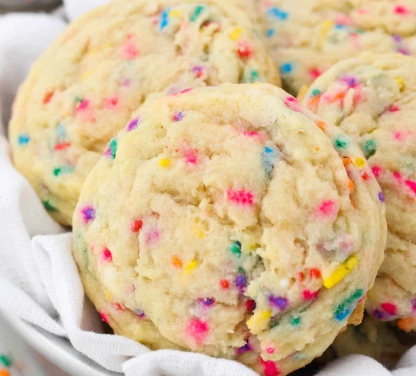
Step-by-Step Guide to Foolproof Easy Sugar Cookies
Okay, let's get our hands dirty. Or floured. Here is the complete, no-steps-skipped process. Read through once before you start.
Step 1: Creaming Butter and Sugar (The Right Way)
In a large bowl, beat your cool room-temperature butter and granulated sugar together with an electric mixer (handheld or stand). Beat on medium speed for about 1 to 1.5 minutes. You're looking for it to be well-combined and slightly pale, but not super white, fluffy, or "creamy" in the traditional cake-making sense. This is key for controlling spread. Scrape down the bowl.
Step 2: Adding the Egg and Vanilla
Add the room-temperature egg and vanilla extract. Beat on medium just until fully incorporated, maybe 30 seconds. Don't over-beat. Scrape the bowl again. The mixture might look slightly curdled—that's okay, it'll come together with the flour.
Step 3: Combining the Dry Ingredients
In a separate bowl, whisk together the flour, baking powder, baking soda, and salt. This ensures the leavening agents are evenly distributed, which is critical for even rise. I just use a fork or a small whisk. No sifting needed if you whisk well.
Step 4: Bringing the Dough Together
With your mixer on low speed, gradually add the dry ingredients to the wet ingredients. Mix just until the flour disappears and a dough forms. As soon as you don't see dry flour patches, stop. Over-mixing at this stage develops gluten and leads to tough cookies. The dough will be soft but not sticky. If it's sticky, add a tablespoon of flour at a time until it handles easily.
Pro Tip for Easy Handling: Divide the dough in half. Place each half on a large piece of plastic wrap. Flatten it into a thick disc (about 1-inch thick) and wrap tightly. This shape chills faster and more evenly than a ball, and it's easier to roll out later.
Step 5: The Mandatory Chill
Refrigerate the wrapped dough discs for at least 2 hours, or up to 3 days. Overnight is fantastic. This step hydrates the flour, relaxes the gluten, and solidifies the butter. It is what guarantees your cookies will hold their detailed shape when cut. If you're in a hurry, you can pop the wrapped discs in the freezer for 45-60 minutes, but the fridge is better.
Step 6: Rolling and Cutting
Preheat your oven to 350°F (175°C). Line baking sheets with parchment paper (not wax paper!). Lightly flour your work surface and rolling pin. Take one disc of dough out of the fridge. Roll it to your desired thickness—I find 1/4-inch is perfect for a soft cookie that's still sturdy. Use flour sparingly to prevent sticking. Cut out shapes with your favorite cutters. Use a thin spatula to transfer them to the prepared baking sheets, leaving about 1.5 inches between cookies.
Gather the scraps, re-roll once (the second roll will be slightly tougher, but still good), and cut more. If the dough gets too soft, pop it back in the fridge for 10 minutes.
Step 7: Baking to Perfection
Bake for 8-11 minutes. Yes, the range is important. Ovens vary. You're looking for the cookies to be set—the centers should no longer look wet or shiny, and the edges may just barely start to turn a light golden brown. They will not be brown all over. They will look underdone to you. That's the secret to a soft sugar cookie! They continue to cook on the hot sheet as they cool. Overbaking is the #1 mistake.
Let them cool on the baking sheet for 5 minutes, then transfer to a wire rack to cool completely before even thinking about icing. A warm cookie will melt any frosting.
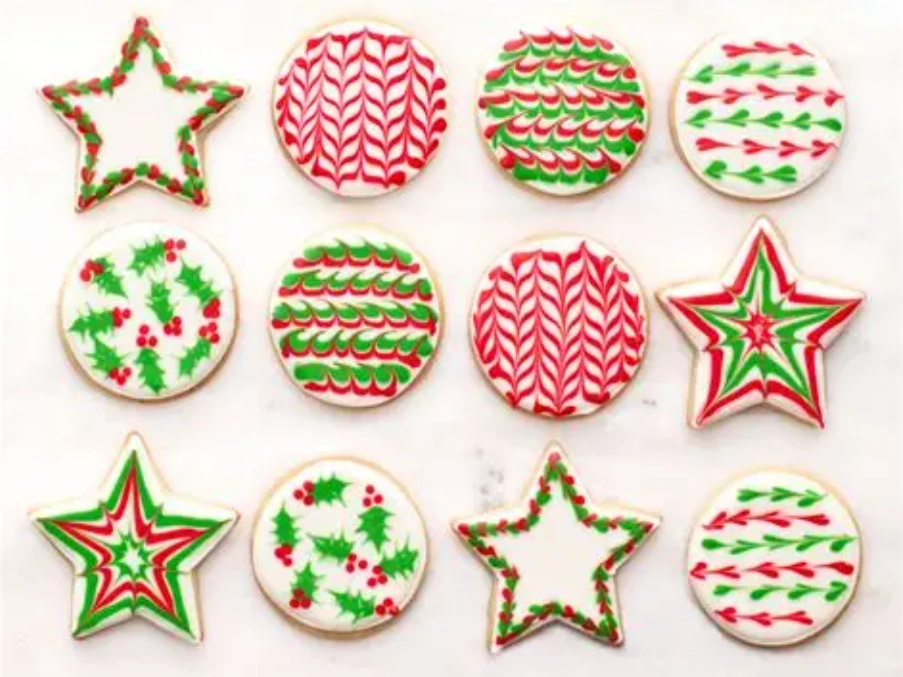
Easy Sugar Cookie Icing & Decorating Ideas (No Artistic Skill Required)
The decorating is where many people get intimidated. Royal icing can be finicky. Piping bags are messy. Let's ditch the stress and talk about truly simple options.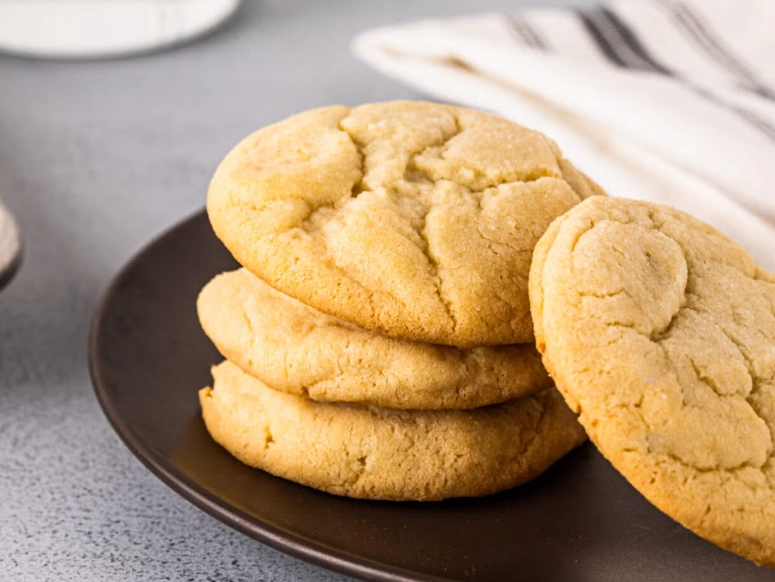
The Simplest Glaze (My Go-To)
This is a "drizzle" or "flood" icing that sets semi-firm. It's perfect for a shiny, sweet finish.
- 1 cup powdered sugar, sifted
- 1.5 - 2 tablespoons milk or cream
- 1/4 teaspoon vanilla extract
- A tiny pinch of salt
Whisk it all together. Start with 1.5 tbsp of liquid. You want the consistency of thick glue or honey. It should drizzle off the whisk in a ribbon that holds its shape for a few seconds before melting back into the bowl. Too thick? Add more liquid, a few drops at a time. Too thin? Add more powdered sugar.
You can spoon it over cookies, spread it with the back of a spoon, or dip the cookie face-down into the glaze. Let excess drip off. For colors, divide the glaze and stir in gel food coloring (liquid coloring can thin it out too much). Sprinkle with sanding sugars or nonpareils immediately after glazing.
The "No-Pipe" Royal Icing Shortcut
If you want that smooth, professional look but hate piping outlines, try the "flood consistency" method. Make a batch of royal icing (powdered sugar, meringue powder, and water—follow the meringue powder package directions). Thin the entire batch with water until it's the consistency of syrup. Use a squeeze bottle or a spoon to fill in the entire cookie. Use a toothpick to push the icing to the edges. It self-levels into a perfectly smooth surface. Let it dry for several hours. It's foolproof and creates a great canvas for edible markers or simple details added later with thicker icing.
Effortless Decorating Hacks
You don't need fancy tools. Before baking, press sprinkles directly into the cut-out dough shapes. Or, after baking and cooling, lightly brush cookies with a tiny bit of corn syrup (diluted with a drop of water) and dip them in a bowl of sprinkles—it's like magic glitter glue.
My personal lazy favorite? A simple dusting of sparkling sanding sugar before baking. It bakes into a glittery, crunchy-sweet crust. Looks beautiful, tastes great, zero icing required. Sometimes the best sugar cookie icing is no icing at all.
Troubleshooting Your Easy Sugar Cookie Recipe
Even with the best instructions, things can happen. Here's a quick diagnostic table.
| Problem | Likely Cause | How to Fix It Next Time |
|---|---|---|
| Cookies spread too much | Butter too warm; dough not chilled enough; oven too cold; too much sugar or baking soda. | Ensure butter is cool room temp. Chill dough min. 2 hours. Check oven temp with a thermometer. Measure ingredients accurately. |
| Cookies are tough/hard | Over-mixed dough; too much flour; over-baked. | Mix dry ingredients only until combined. Use spoon & level method for flour. Bake until just set, not browned. |
| Cookies are too cakey/puffy | Too much baking powder; butter over-creamed (too much air); dough rolled too thick. | Measure leavening precisely. Cream butter/sugar just until combined. Roll to consistent 1/4" thickness. |
| Cookies taste bland or floury | Not enough salt or vanilla; raw flour taste from undermixing or old flour. | Use full salt and vanilla. Ensure dry ingredients are fully incorporated. Use fresh flour. |
| Dough is too sticky to roll | Butter was too warm; not enough flour; needed chilling. | Chill dough. Add 1 tbsp flour at a time while kneading gently until manageable. |
| Dough is too crumbly | Too much flour; butter too cold; egg too small. | Measure flour carefully. Ensure ingredients are correct temp. Add a teaspoon of milk or cream to bind. |
Storing and Freezing for Lasting Freshness
You've made these perfect, easy sugar cookies. How do you keep them that way?
Un-iced Cookies: Store in an airtight container at room temperature for up to 5 days. They actually get softer over the first day or two as moisture redistributes. You can also freeze baked, un-iced cookies for up to 3 months. Layer them between parchment paper in a freezer bag. Thaw at room temperature.
Iced Cookies: Let the icing dry completely (overnight is best). Store in a single layer in an airtight container. If stacked, put parchment paper between layers. They'll keep for 3-4 days. Royal icing holds up better than glaze for storage.
The Dough: This is a great make-ahead trick. The wrapped dough discs keep in the fridge for 3 days. You can also freeze them for up to 3 months. Thaw overnight in the fridge before rolling.
For more detailed, science-backed food storage guidelines, referencing official sources like the USDA Food Safety guidelines is always a smart practice, especially for longer-term storage.
Frequently Asked Questions (FAQs)
Can I make this easy sugar cookie recipe without a mixer?
Yes, absolutely. Use a sturdy wooden spoon and some elbow grease. Cream the butter and sugar by pressing them against the side of the bowl with the back of the spoon until combined. It's a workout, but it works. Mix in the egg and vanilla vigorously, then switch to a folding motion for the dry ingredients.
Why do you use granulated sugar instead of powdered sugar?
Granulated sugar gives the cookies a slight crispness on the very edge while keeping the center soft. Powdered sugar makes a more tender, melt-in-your-mouth cookie that can be almost too delicate, especially for shaped cookies. Granulated sugar provides better structure for an all-purpose, easy sugar cookie recipe.
My cookies puffed up and lost their shape detail. What happened?
This is usually from too much baking powder or baking soda. Double-check your measurements. It can also happen if you re-roll the scraps too many times (more than twice), as the dough gets overworked.
How can I add flavor variations?
This dough is a wonderful canvas. Add the zest of one lemon or orange to the sugar before creaming for citrus cookies. Add 1/2 teaspoon of almond extract with the vanilla. For spice cookies, add 1 teaspoon of cinnamon, 1/4 teaspoon of nutmeg, and a pinch of cloves to the dry ingredients.
Are these cookies good for cookie cutter shapes?
That's their superpower! The chilled dough and careful ingredient ratio make this the ideal easy sugar cookie recipe for cut-outs. They hold sharp lines for snowflakes, letters, and intricate shapes beautifully, as long as you chill the dough properly.
Final Thoughts: Keeping Baking Simple and Fun
Baking should be a joy, not a source of anxiety. This easy sugar cookie recipe is designed to build your confidence. It's reliable. It explains the reasons behind the steps. And it delivers a cookie that's genuinely delicious—sweet, soft, buttery, and perfect for any occasion, from a random Tuesday to a big holiday party.
Remember, the first batch is a learning experience. Maybe your oven runs hot and they bake in 7 minutes. Maybe you'll learn you prefer them a tad thicker. That's okay. That's how you make a recipe your own.
So, preheat that oven, pull out the butter, and give it a try. You've got all the information you need to succeed. Happy baking!


Leave a Comment