There's nothing quite like the smell of freshly baked giant fluffy cinnamon rolls filling your kitchen. But getting that perfect, cloud-like texture can be tricky. After years of trial and error—including more than a few dense, disappointing batches—I've nailed down a recipe that delivers consistently soft, pillowy rolls every time. This guide dives deep into the secrets behind achieving that bakery-quality fluffiness at home, covering everything from ingredient choices to precise techniques.
What You'll Learn in This Guide
How to Make Giant Fluffy Cinnamon Rolls: A Foolproof Guide
Let's break down the process into manageable steps. I remember the first time I tried making cinnamon rolls; they turned out like hockey pucks because I rushed the dough. Now, I take my time, and the results are worth it.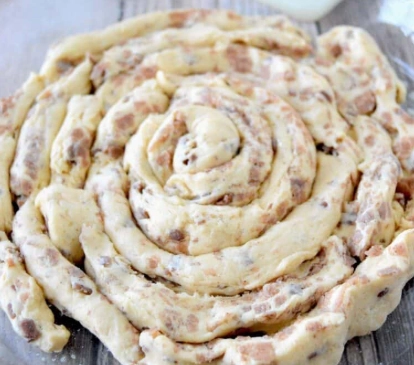
Gathering Your Ingredients
For giant fluffy cinnamon rolls, ingredients matter more than you might think. Here's what you'll need:
- Flour: Use bread flour instead of all-purpose. Bread flour has a higher protein content (around 12-14%), which helps develop gluten for that chewy, airy texture. King Arthur Flour is a reliable brand I often rely on.
- Yeast: Instant yeast works best because it doesn't require proofing. Active dry yeast can work, but it might need extra time. Store it in the fridge to keep it fresh.
- Liquid: Whole milk at around 110°F (43°C) is ideal. Too hot, and you'll kill the yeast; too cold, and it won't activate properly. The USDA recommends warming milk to this temperature for optimal yeast activity.
- Butter and Eggs: Unsalted butter and room-temperature eggs add richness and help with rise. Cold eggs can shock the yeast.
- Sugar and Spices: Brown sugar for the filling, plus cinnamon—of course. I add a pinch of nutmeg for depth.
Measure everything precisely. Baking is a science, and small deviations can affect fluffiness.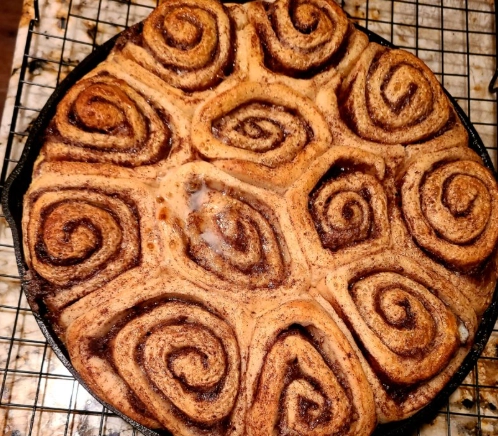
Making the Dough: The Foundation of Fluffiness
This is where most people go wrong. Kneading is key, but over-kneading can make the dough tough. Here's my method:
Start by mixing the warm milk, yeast, and a tablespoon of sugar in a bowl. Let it sit for 5 minutes until frothy. Then, add melted butter, eggs, and salt. Gradually mix in the bread flour until a shaggy dough forms.
Turn it onto a floured surface and knead for 8-10 minutes. You're looking for a smooth, elastic dough that springs back when poked. If it sticks, add a little flour, but don't overdo it—too much flour leads to dry rolls.
Place the dough in a greased bowl, cover with a damp cloth, and let it rise in a warm spot for 1-2 hours, until doubled in size. I use my oven with the light on for a consistent temperature. Patience here is non-negotiable.
The Filling and Rolling Technique
Once the dough has risen, punch it down and roll it out into a large rectangle, about 18x12 inches. Spread softened butter evenly, then sprinkle a mixture of brown sugar and cinnamon. Some recipes call for adding raisins or nuts, but I keep it simple for maximum fluffiness.
Roll it up tightly from the long side, sealing the edges. Use a sharp knife or dental floss to cut into 8-10 large rolls. Place them in a greased baking dish, leaving space between for expansion. Cover and let rise again for 30-45 minutes—this second rise is crucial for that giant, fluffy texture.
Baking to Perfection
Preheat your oven to 350°F (175°C). Bake the rolls for 25-30 minutes, until golden brown on top. A toothpick inserted should come out clean. Overbaking dries them out, so keep an eye on them after 20 minutes.
While they bake, prepare a cream cheese glaze: mix cream cheese, powdered sugar, vanilla, and a splash of milk. Drizzle over the warm rolls right out of the oven. The heat helps the glaze melt into every layer.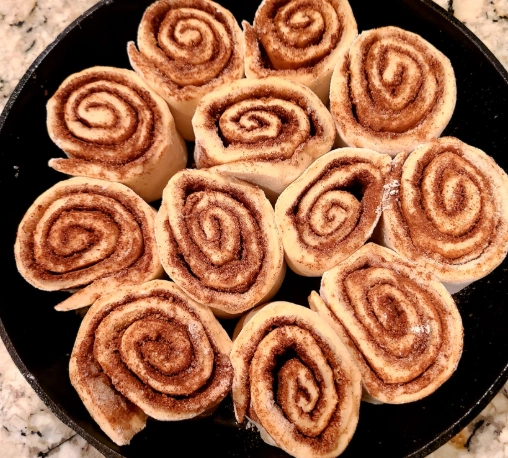
Why Your Cinnamon Rolls Aren't Fluffy: Common Pitfalls
I've seen countless bakers make these mistakes, including myself early on. Let's address them head-on.
Using cold ingredients: Yeast is sensitive to temperature. If your milk or eggs are cold, the dough won't rise properly. Always bring them to room temperature.
Over-kneading the dough: It's easy to get carried away. Knead just until smooth—overworking develops too much gluten, resulting in tough rolls.
Rushing the rise: If you skip the second rise, your rolls will be dense. Give them time to puff up. A warm, draft-free environment is essential.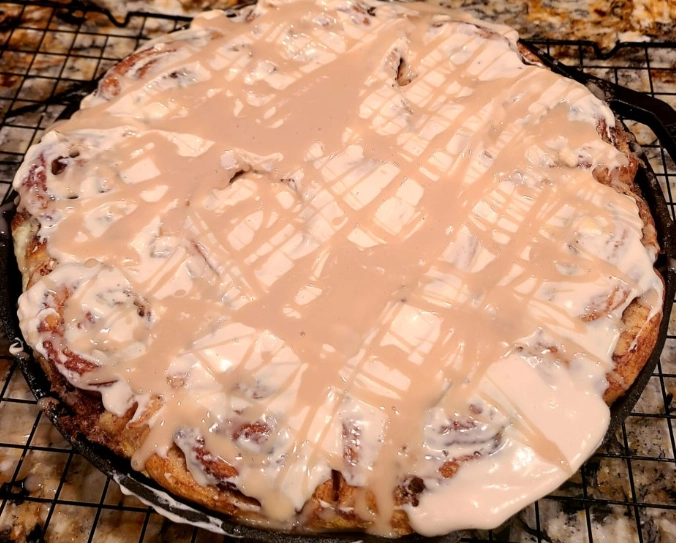
Incorrect oven temperature: An oven that's too hot can cause the outside to bake before the inside rises. Use an oven thermometer to ensure accuracy. Calibration issues are common, as noted by baking experts at sources like Serious Eats.
Measuring flour incorrectly: Scooping flour directly from the bag packs it down, leading to too much flour. Spoon it into the measuring cup and level it off.
One time, I baked a batch in a hurry, and they came out flat. Turns out, my kitchen was too cold for the rise. Now, I always plan ahead.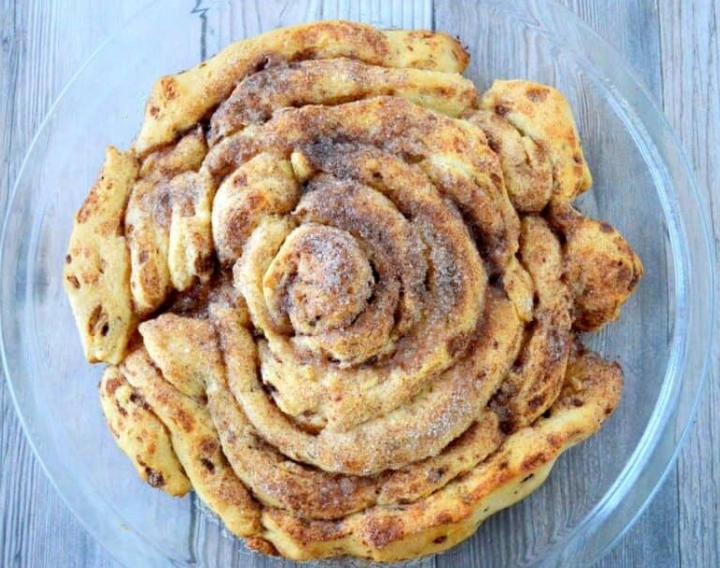
Expert Tips for Next-Level Cinnamon Rolls
Beyond the basics, here are some insights I've picked up over the years that aren't always mentioned in standard recipes.
Control dough temperature: Aim for a dough temperature of 75-78°F (24-26°C) after mixing. This optimizes yeast activity. Use a thermometer if needed—it's a game-changer.
Add tangzhong: This is a Japanese technique involving cooking a portion of flour and liquid into a paste before adding to the dough. It retains moisture, making the rolls incredibly soft and fluffy. Mix 3 tablespoons of bread flour with 1/2 cup of milk, cook until thickened, then cool and incorporate into the dough. It adds an extra step, but the texture is worth it.
Use potato flour or mashed potatoes: Adding a tablespoon of potato flour or a quarter cup of mashed potatoes to the dough can enhance softness and shelf life. It's a trick from old-fashioned bakeries.
Proof in the fridge overnight: For deeper flavor and easier morning baking, let the shaped rolls rise slowly in the refrigerator overnight. Bake them straight from the fridge, adding a few extra minutes to the baking time.
Brush with butter after baking: As soon as the rolls come out of the oven, brush the tops with melted butter. This keeps them moist and adds a glossy finish.
These tips might seem minor, but they elevate your cinnamon rolls from good to exceptional.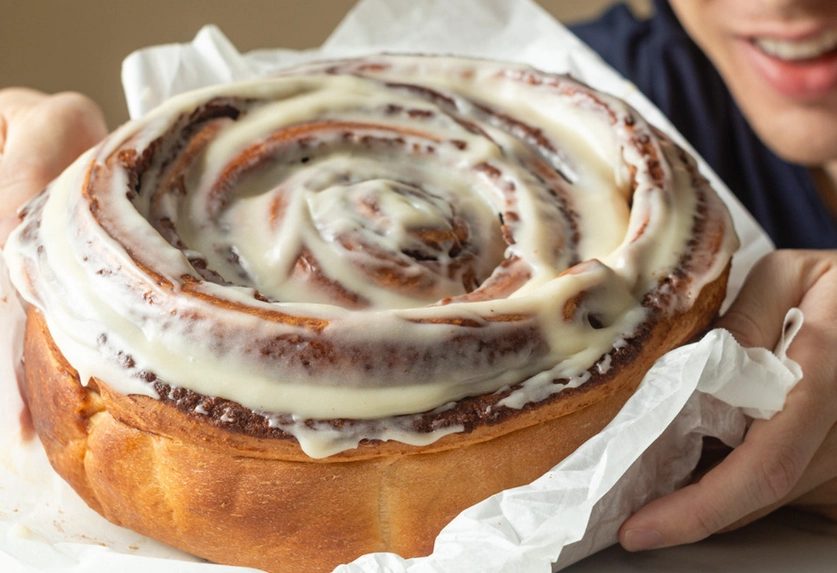
Frequently Asked Questions (FAQ)
Making giant fluffy cinnamon rolls is a rewarding process that combines science and art. With these detailed steps and tips, you'll avoid common mistakes and achieve soft, pillowy rolls that rival any bakery. Remember, patience and precision are your best tools. Happy baking!



Leave a Comment